Welcome to our catalog of PVC evacuation fittings! Hurry up and find all our elbows and branches at affordable prices on ManoMano! Need economical advice for installing your PVC pipes? The descriptions of our Nicoll, Girpi...brands' products will surely help. For more assistance, check the bottom of the page!
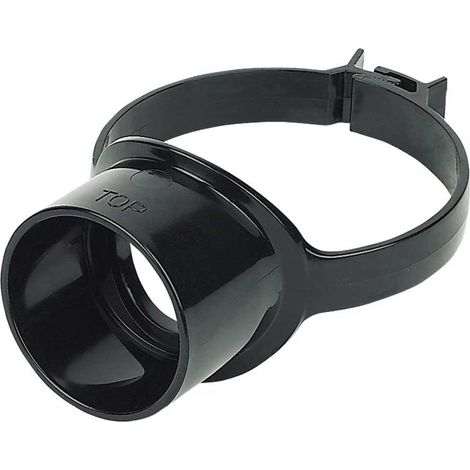
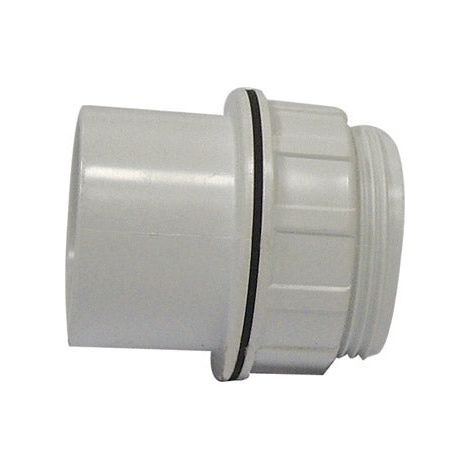
PVC evacuation fittings come in many shapes, and each corresponds to a specific use.
The straight PVC fittings:
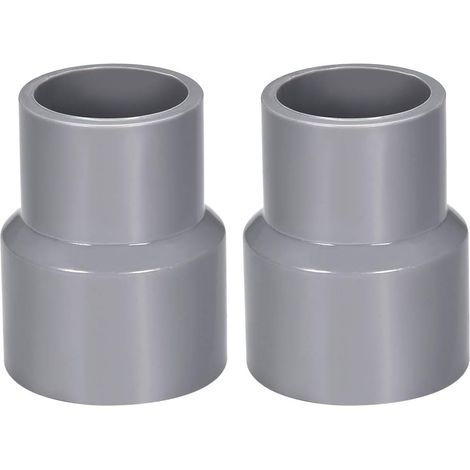
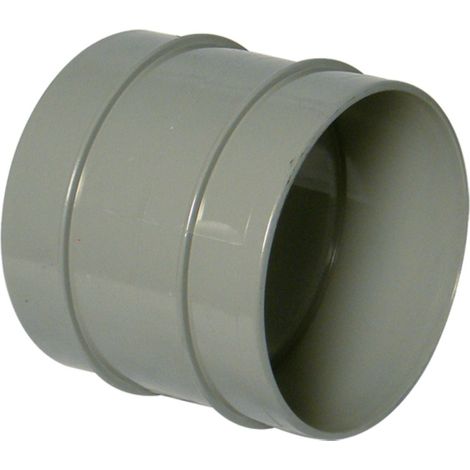
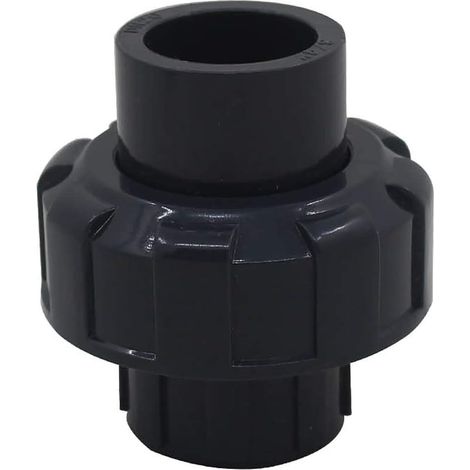
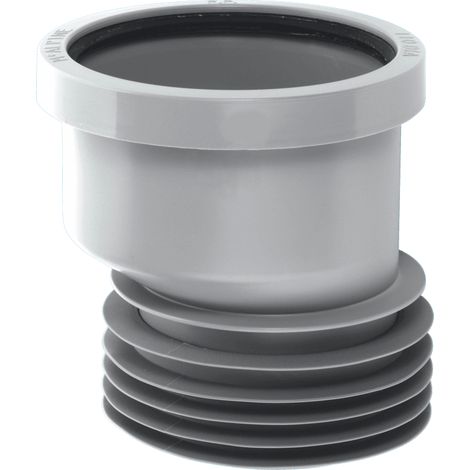
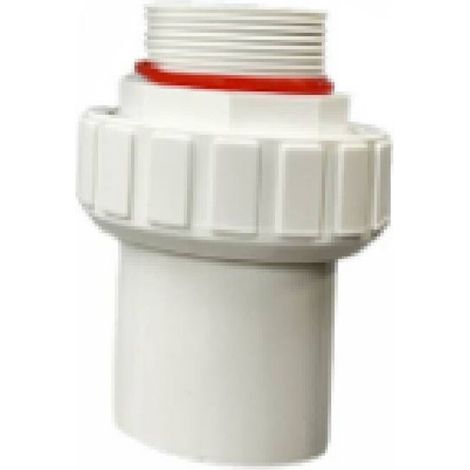
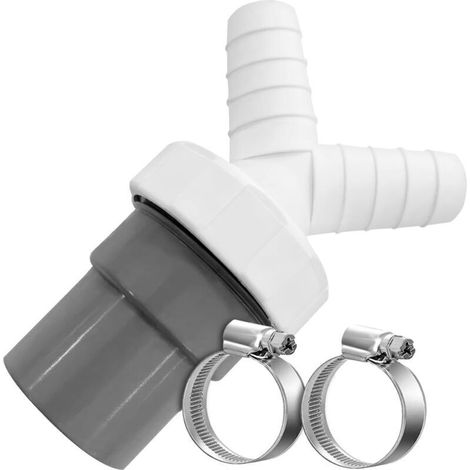
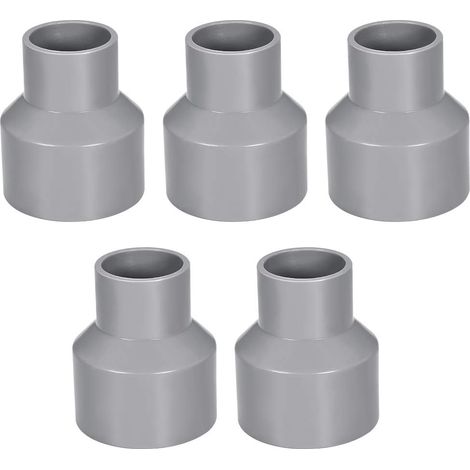
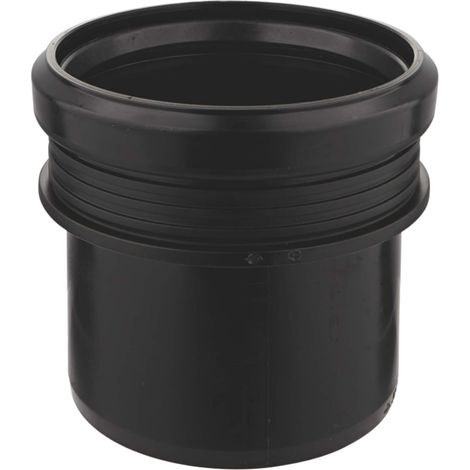
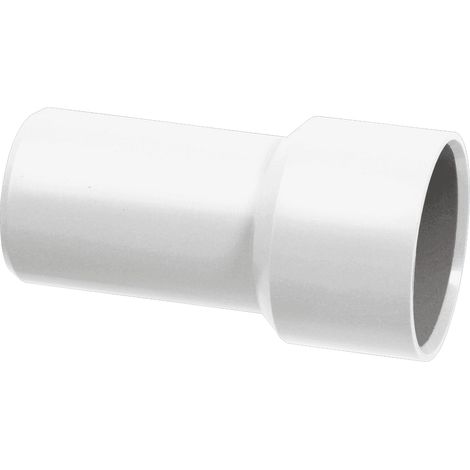
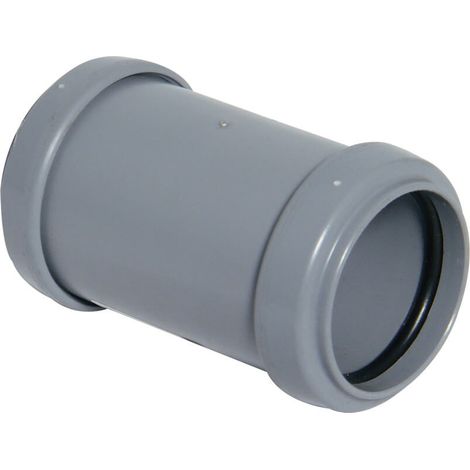
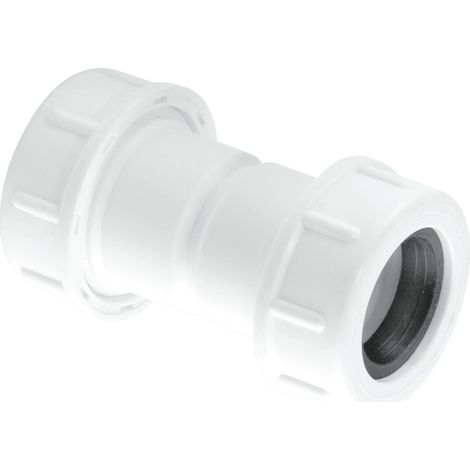
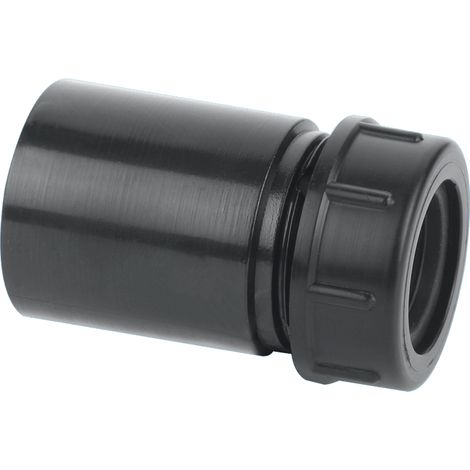
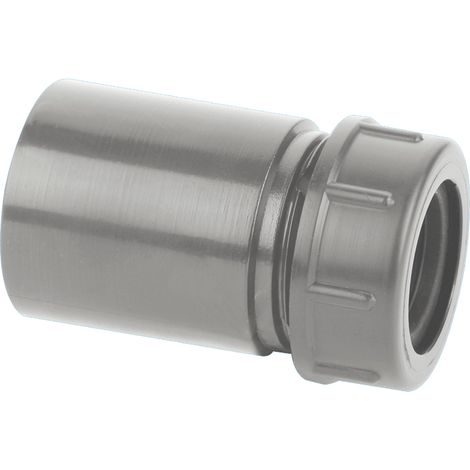
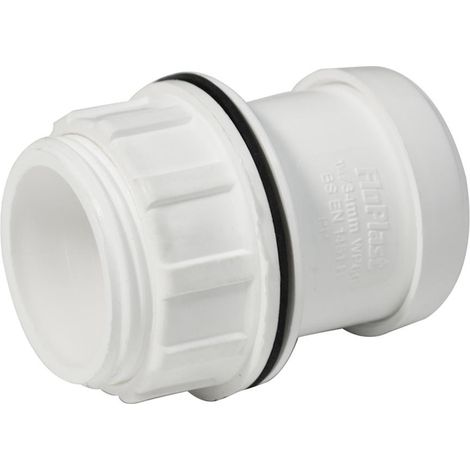
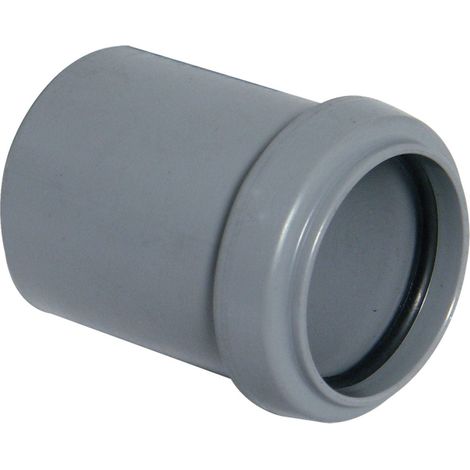
In fact, straight PVC fittings include sleeves and PVC couplings. Sleeves with a stop are used, for example, to connect two pipes of the same diameter. We also have expansion sleeves, very practical for respecting the rules for installing PVC tubes. You will also find the usual couplings useful for connecting damaged tubes (repair coupling) or for extending them (adaptation coupling).
The PVC elbows:
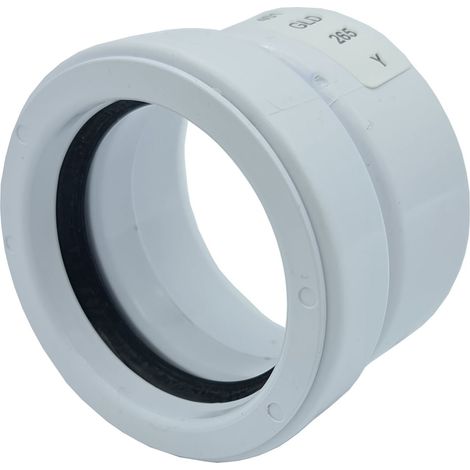
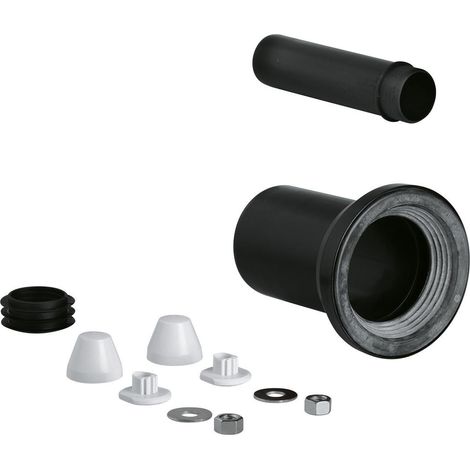
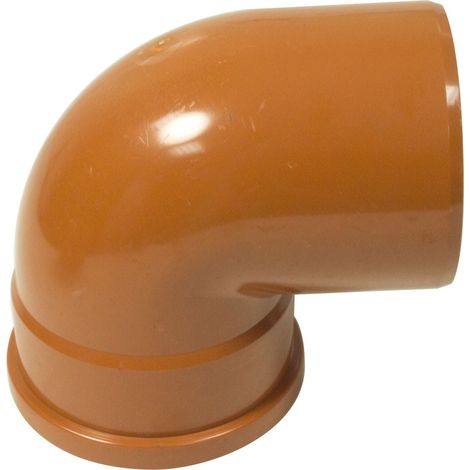
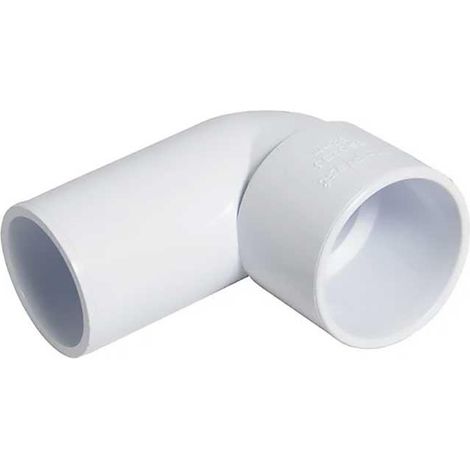
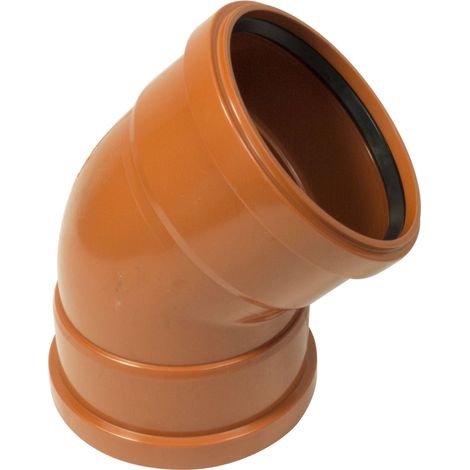
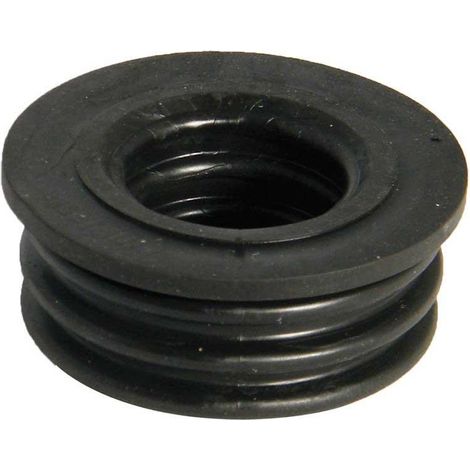
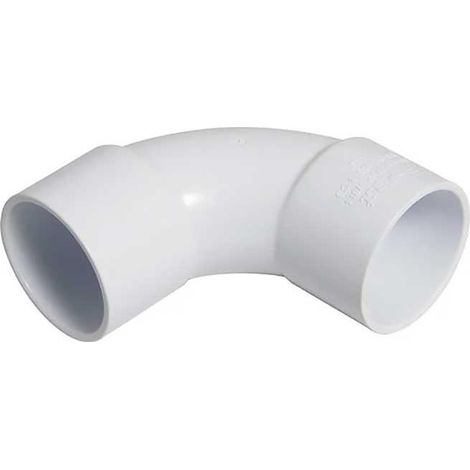
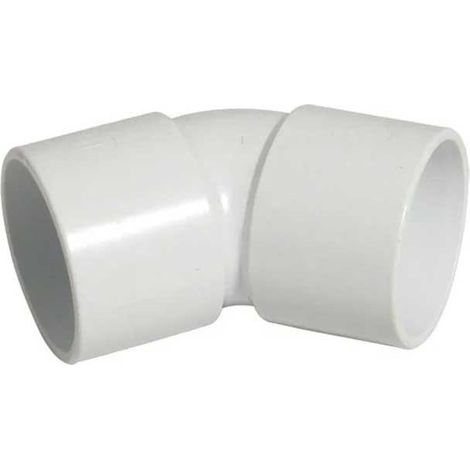
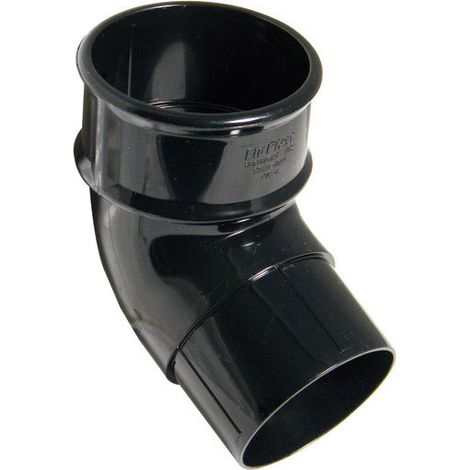
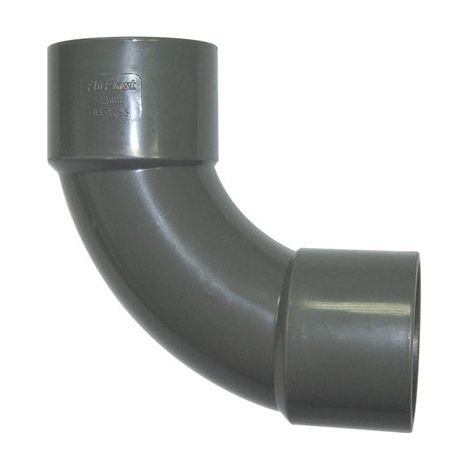
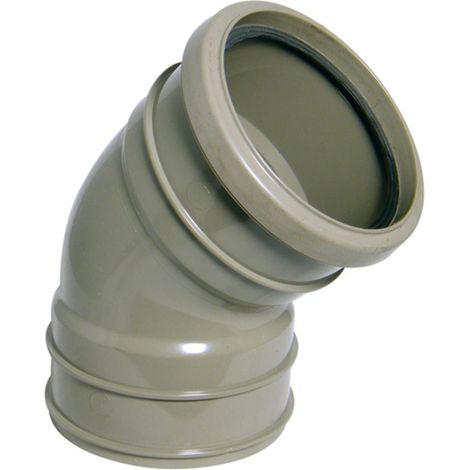
Other than the classic PVC elbows to be glued in different degrees, there are elbows with elastomer joints, perfect for the resumption of piping made of a different material than PVC or lipped joint elbows specially designed for the detachable connection of sanitary appliances.
The PVC branches:
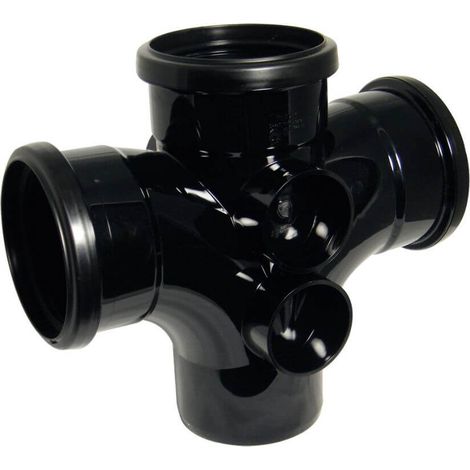
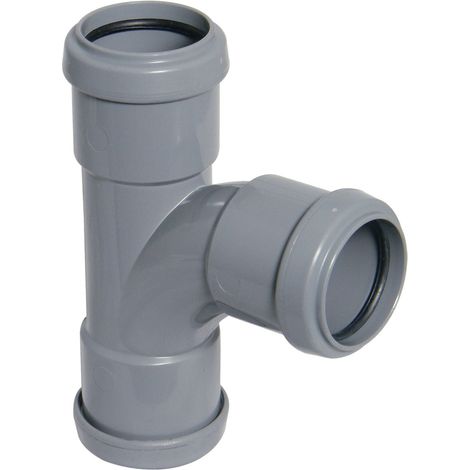
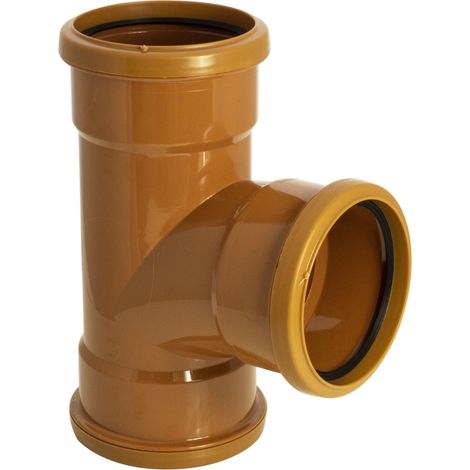
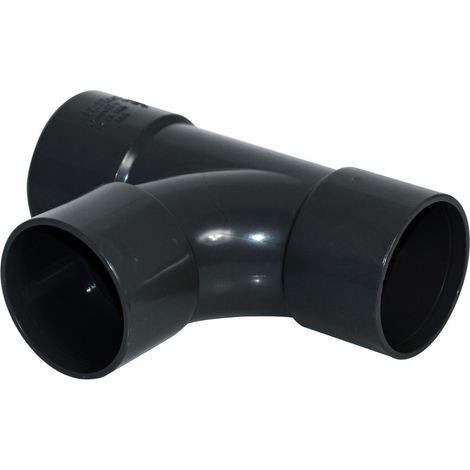
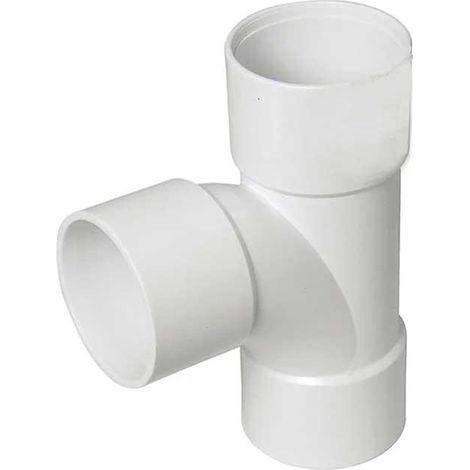
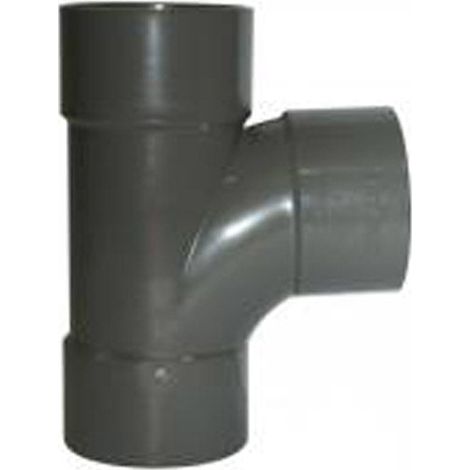
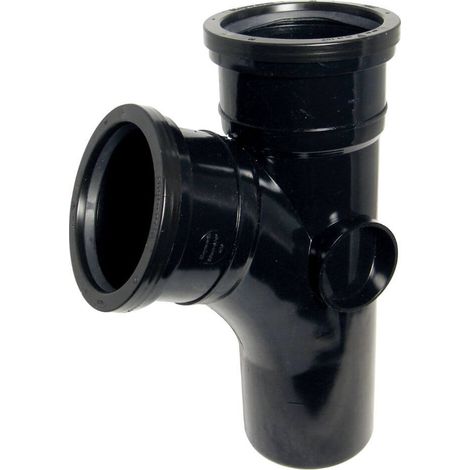
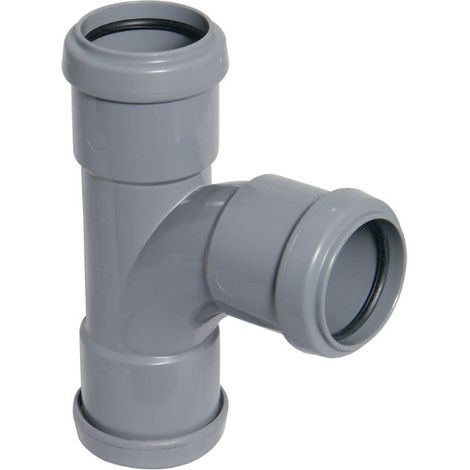
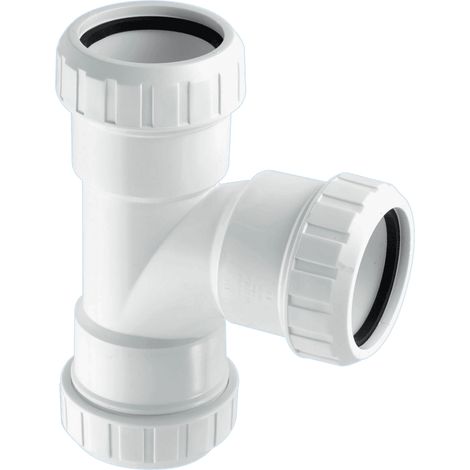
Some also call them PVC T-fittings due to their particular shapes. They simply allow a branch to be made from an upstream pipeline.
The PVC reductions:
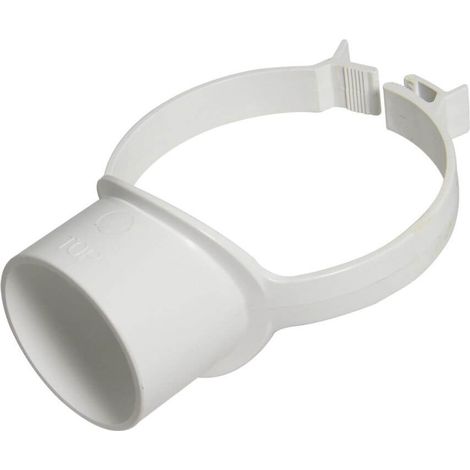
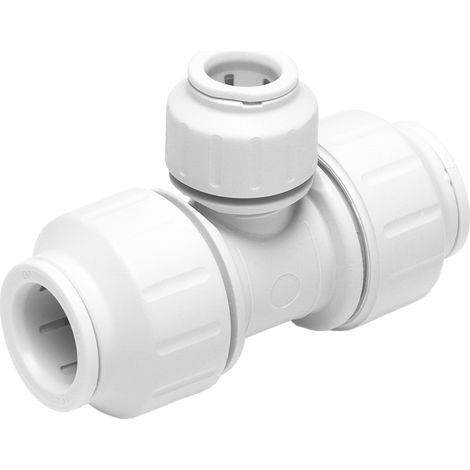
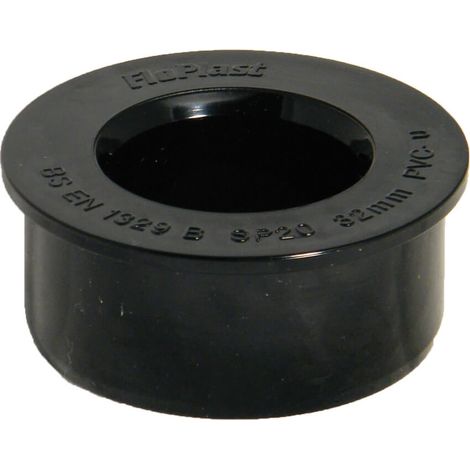
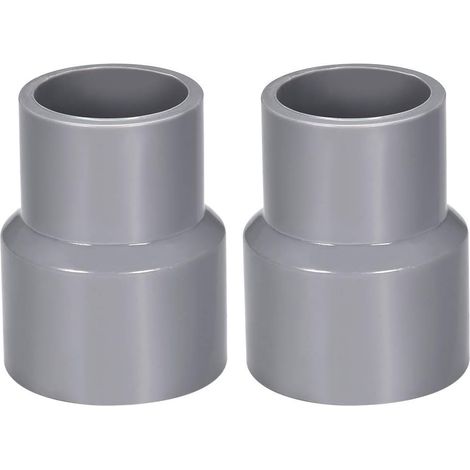
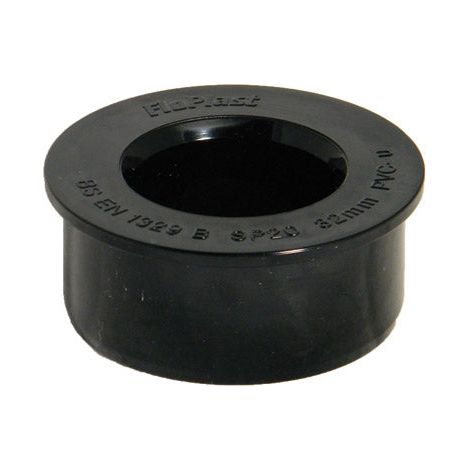
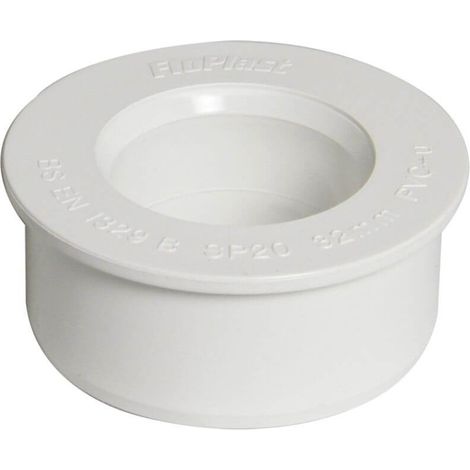
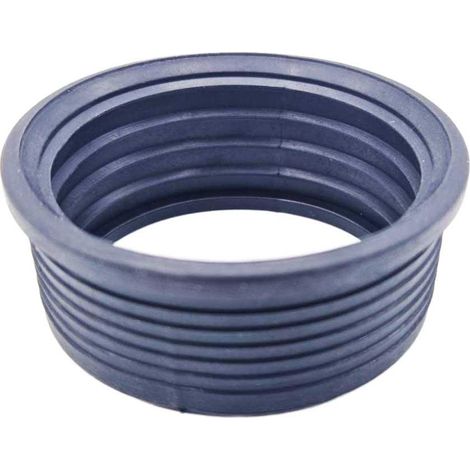
There are (once again!) several types! A branch will thus allow a connection smaller than the main diameter. If you have several incoming pipes, opt instead for a reduction plug: these can be single, double, and even triple. They reduce a main tube for two or even three outlets thanks to tearable tabs.
How to install a PVC pipe fitting?
PVC fittings are exclusively to be glued. The method is extremely simple but requires several important steps to be respected.
Step 1: Cutting
Cut the pipe cleanly and neatly. For this, you can use an inexpensive saw easily found in our tool section.
Step 2: Beveling and deburring
Then bevel your tube and deburr it to remove all major impurities. This step is crucial for the extreme durability of your evacuation pipeline and a quick insertion of your tube into the fitting.
Step 3: Sanding
Then sand the PVC pipe with an abrasive material, like emery cloth or fiberglass wool. You can also use a special PVC solvent. Also degrease both the inside of the fitting and the PVC tube.
Step 4: Gluing
First, insert your fitting into your tube. Note the stop depth. Remove the fitting, and coat it with PVC glue as well as the PVC tube.
There it's glued! You can find all the products mentioned in the steps on our site and at really competitive prices!





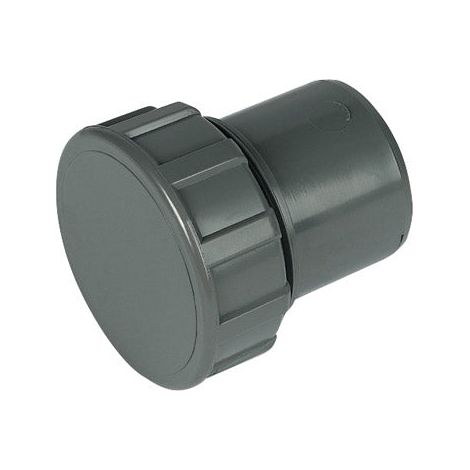



'/%3E%3C/svg%3E)
'/%3E%3C/svg%3E)