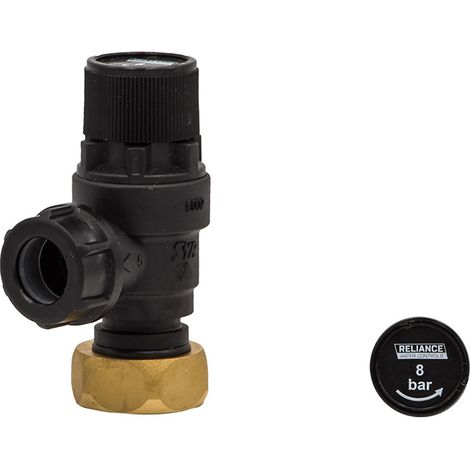
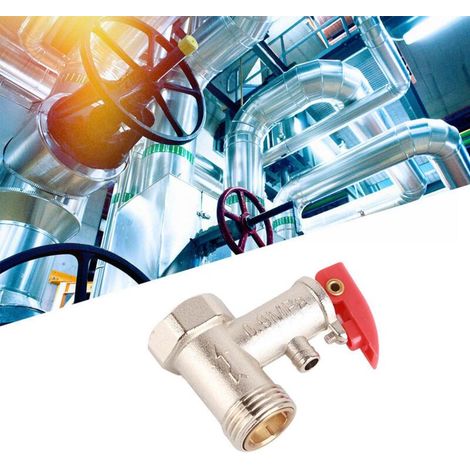
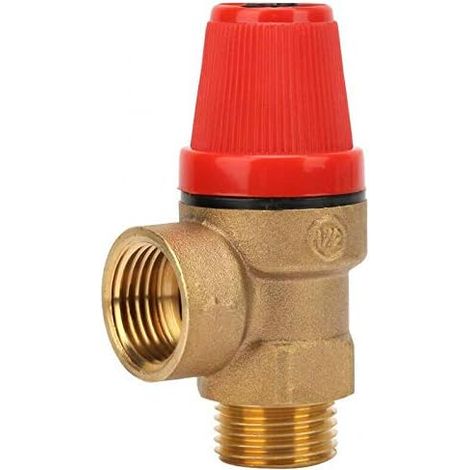
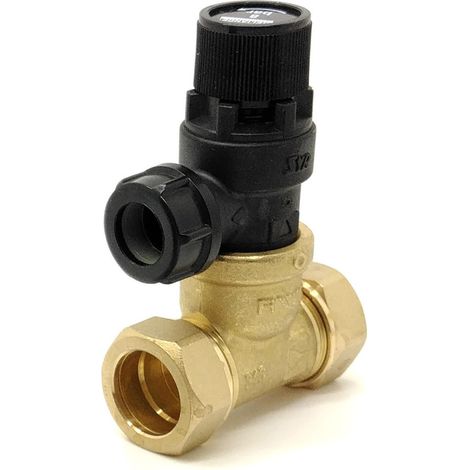
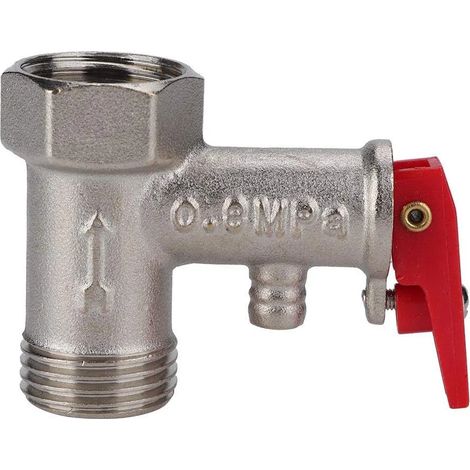
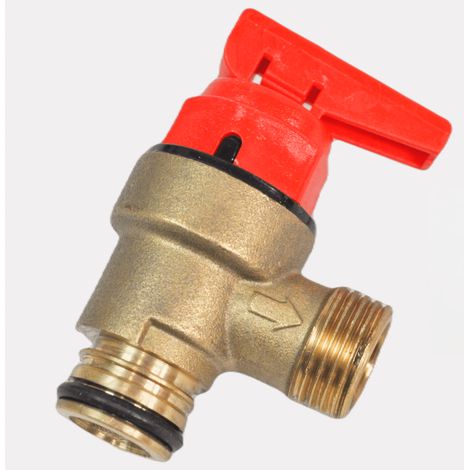
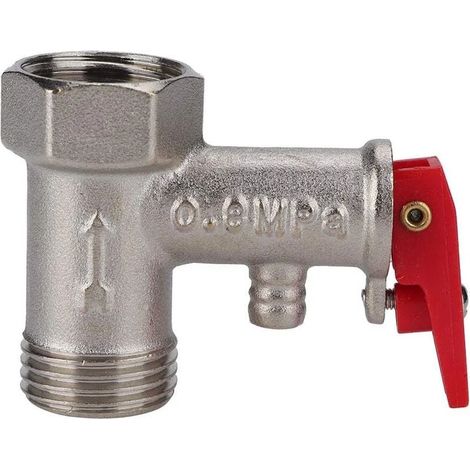
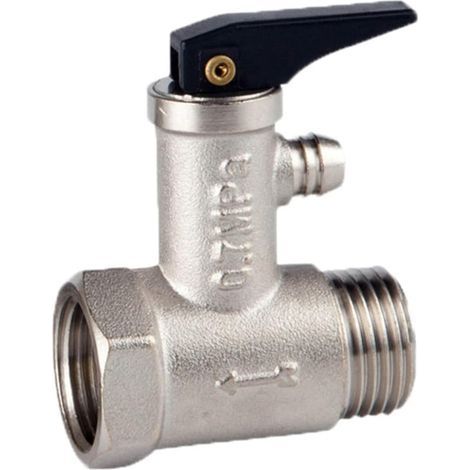
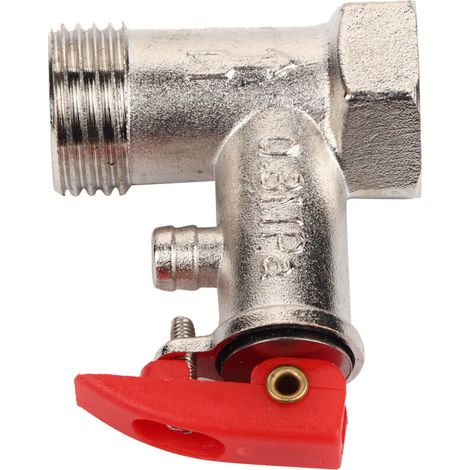
In the central heating system, the valve is part of the safety device. The tool is designed to ensure protection against overpressure and overheating for the entire network. In this regard, the existing models differ especially in their materials, their end, as well as the threshold of temperature and pressure that can be supported.
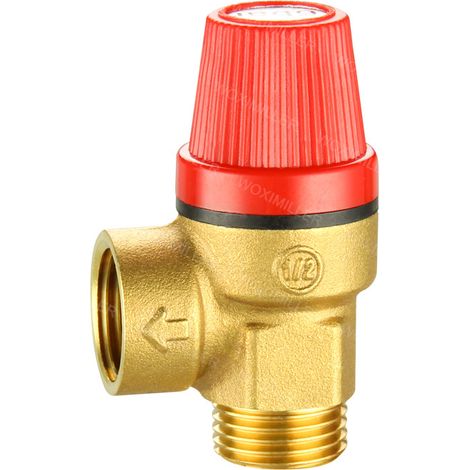
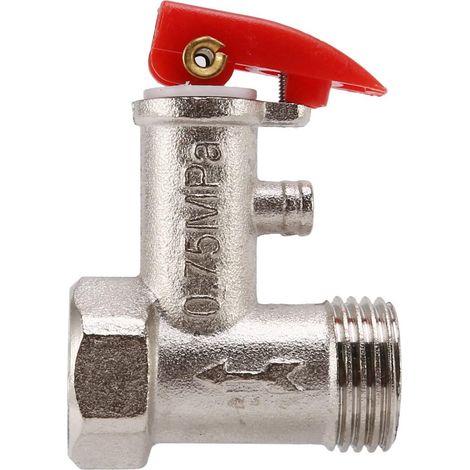
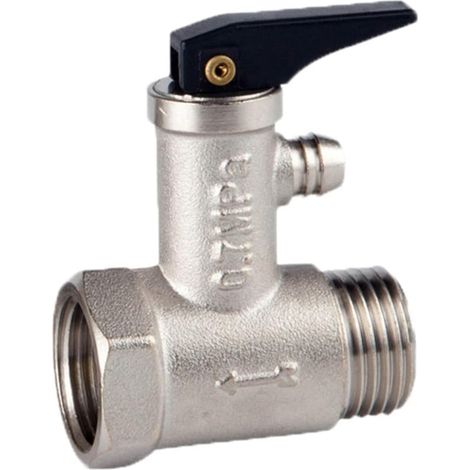
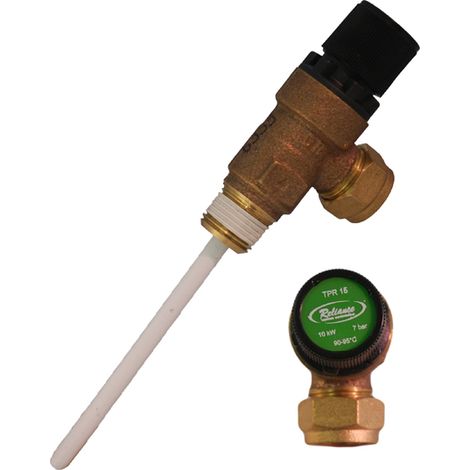
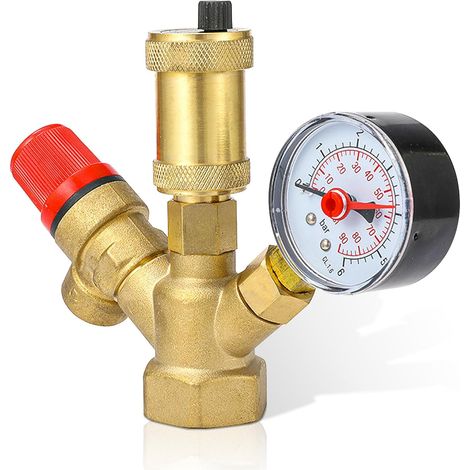
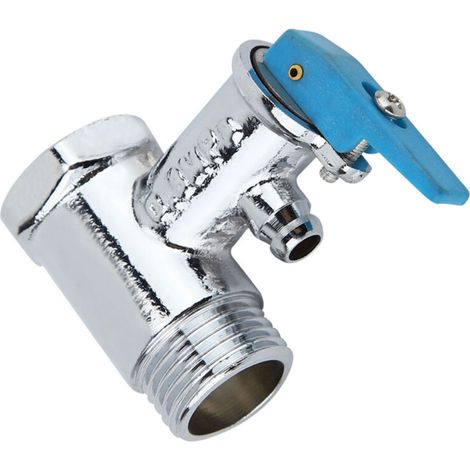
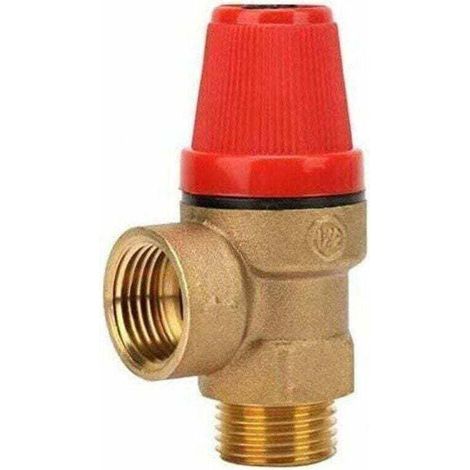
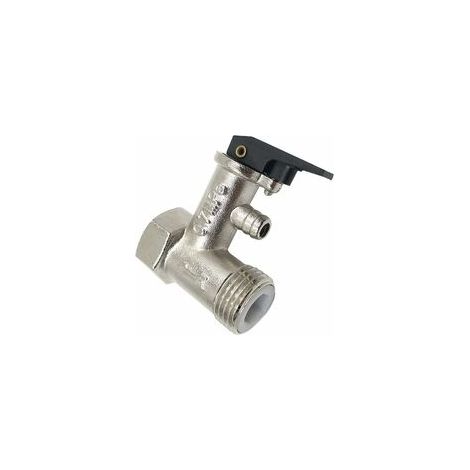
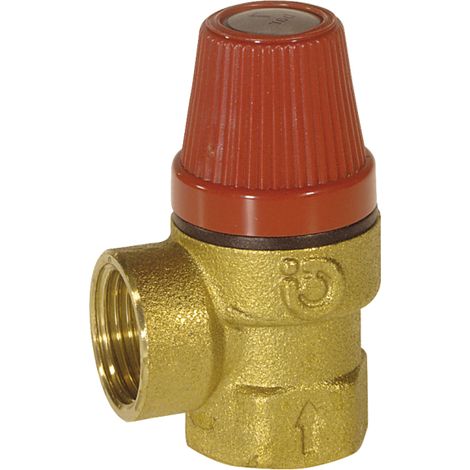
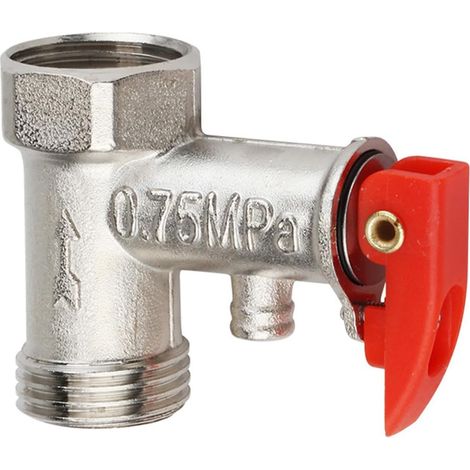
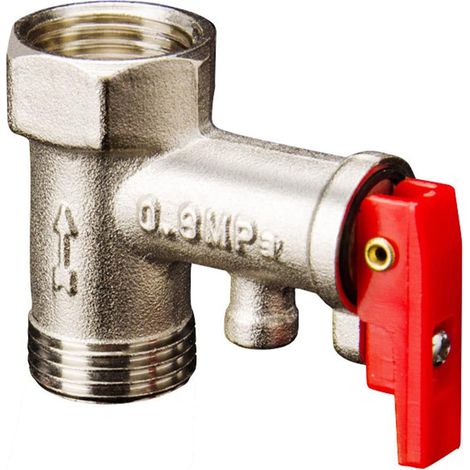
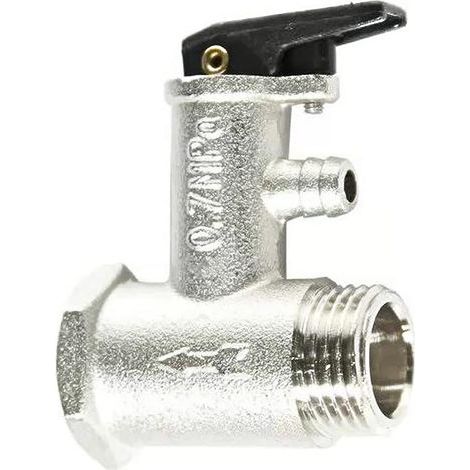
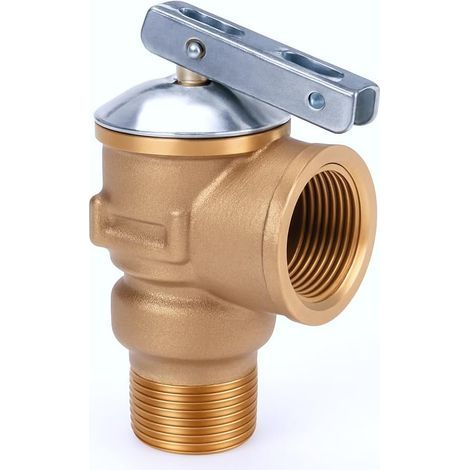
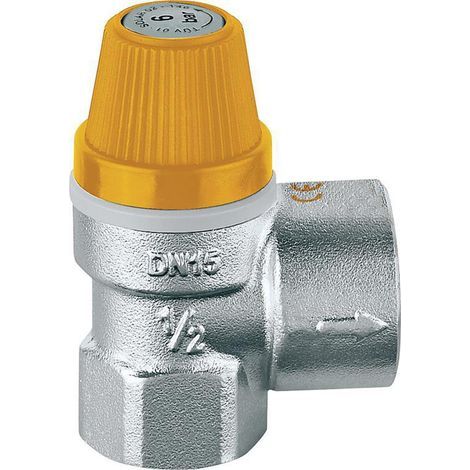
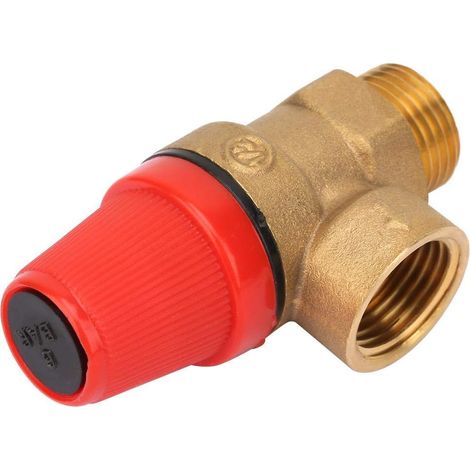
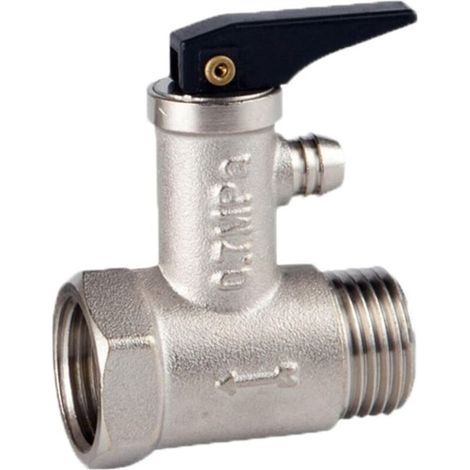
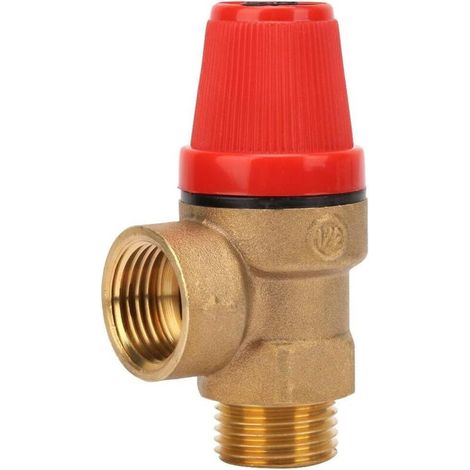
In the protection of the heating installation, the role of safety valves is to evacuate any excess pressure and temperature. Most often made of bronze, one can find various kinds: with male/female or female/female end; maximum pressures from 3 to 15 bars (adjustable for some models); temperatures reaching up to 125°C… Other models are equipped with a pressure gauge allowing continuous monitoring of the pressure within your installation. On one hand, there is the thermal valve which is mainly used in solid or multi-fuel boiler installations. When the latter starts to overheat, the valve opens to cool the system by evacuating the hot water to avoid any risk of material damage. In this category, certain models can withstand up to a pressure of 10 bars and a temperature of 125°C. However, unless specifically adjusted, this kind of device automatically triggers starting from a temperature below the maximum threshold indicated. To prevent overpressure in steam boilers, a safety valve is most often recommended with a maximum pressure set at 3 bars. Generally, the valve block is placed directly on the heating circuit, preferably between a 4-way valve and the boiler. However, it can also be installed directly on the boiler.

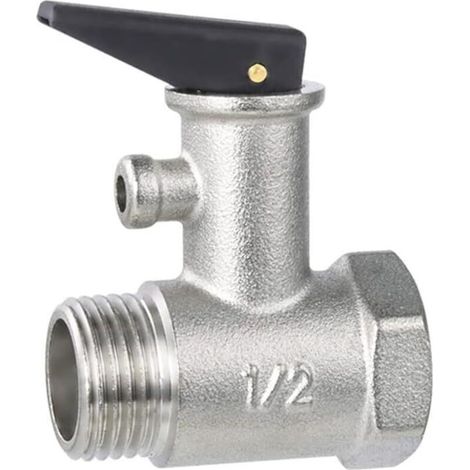
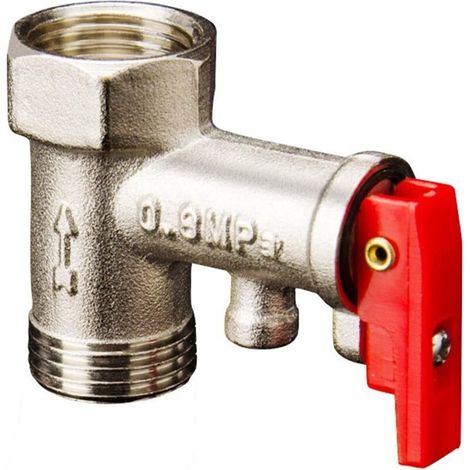
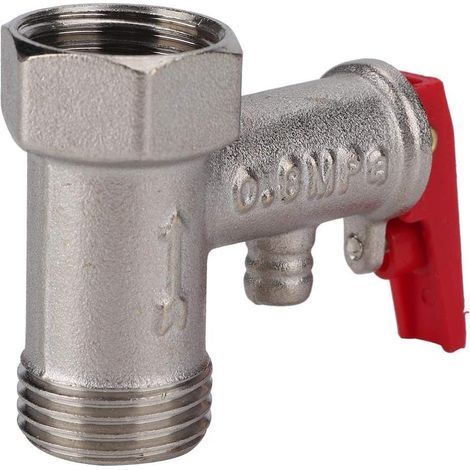
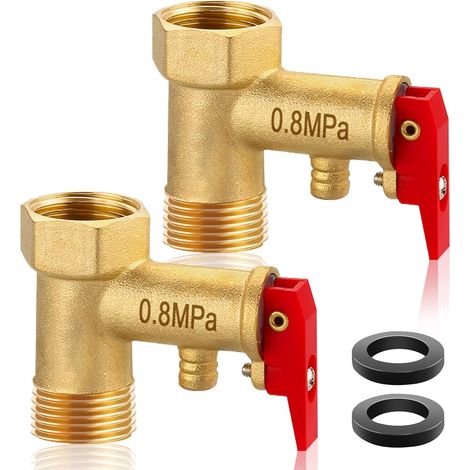
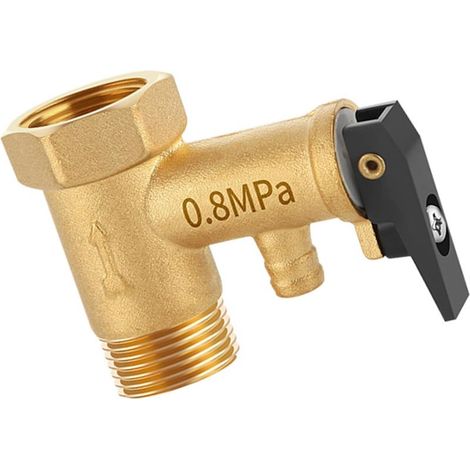
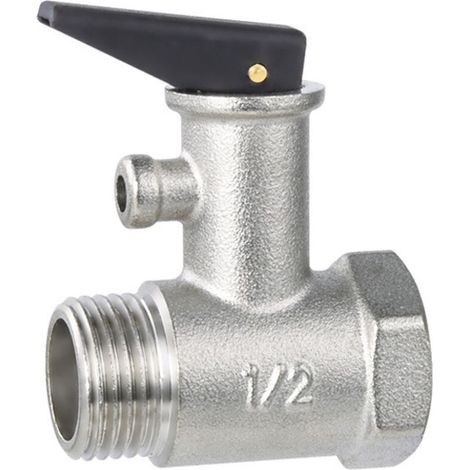
![[NEVER USED] 1/2" 0.8mpa male x BSP female thread brass electric water heater safety pressure relief valve (1/4)](https://cdn.manomano.com/pim-media/images/medium/4dd5ccf39602ca8122022cedd0240c5f3ebcd8ba.jpg)
'/%3E%3C/svg%3E)