1/4
Water pressure regulating valve – Suitable for all domestic taps – Chrome-plated brass, 1/2″ thread
Of which environmental contribution £1.00 including VAT.
Sold by Permu UK
You may also like












Compare with similar items
Product information
Description
General Description
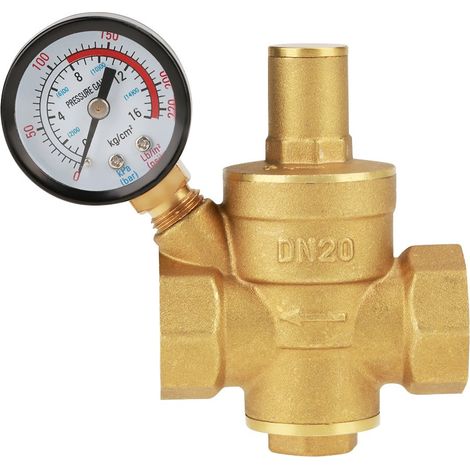
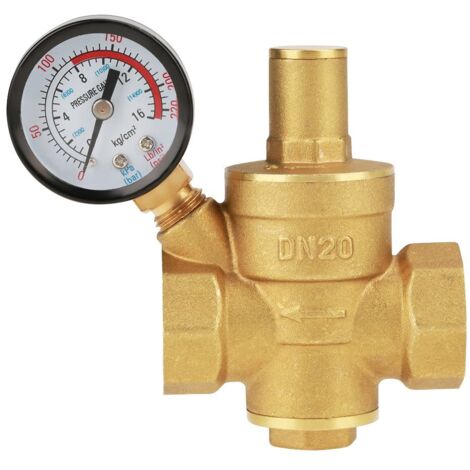
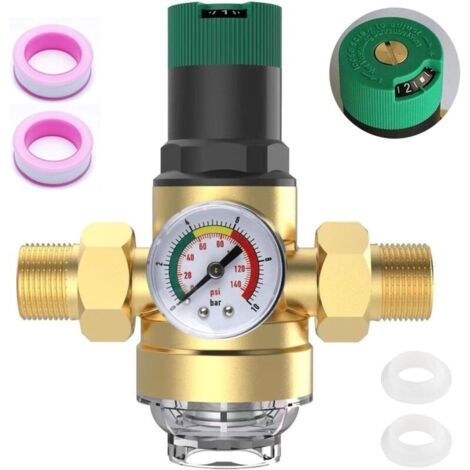
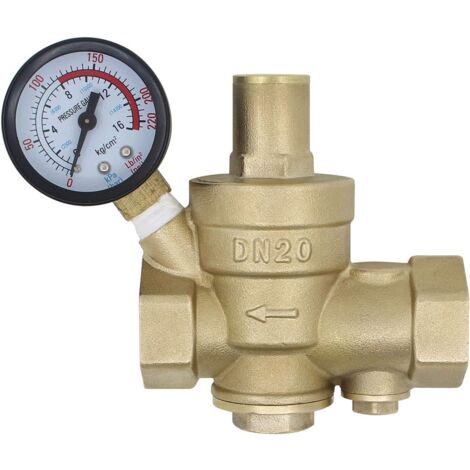
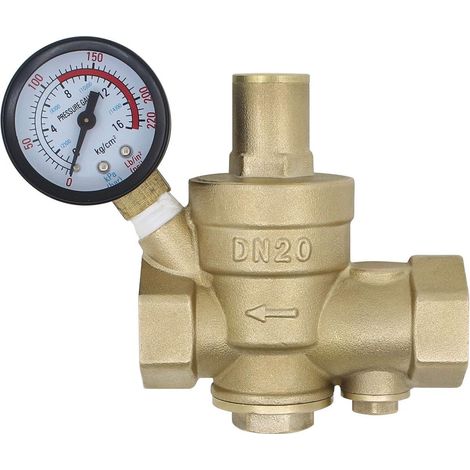
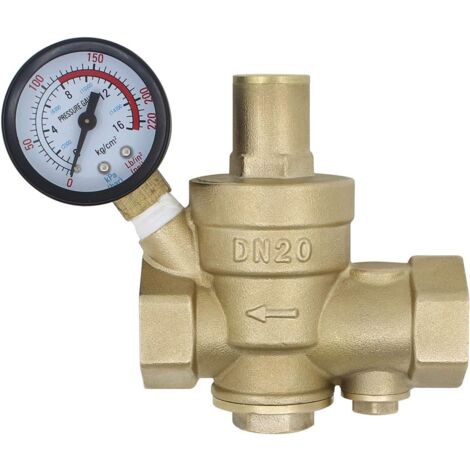
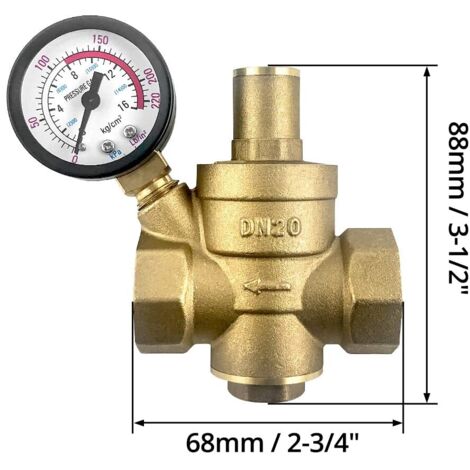
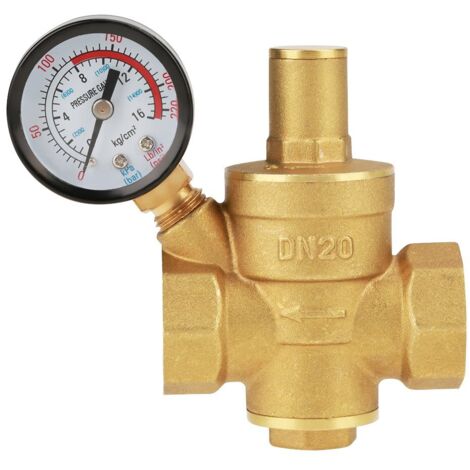
The SJLERST pressure reducing valve is designed to regulate water pressure in various aquatic equipment. It is ideal for installation upstream of devices requiring pressure relief, such as water purifiers, solar energy systems, and gas heaters. Its robust, high-quality brass construction ensures durability and rust resistance.Technical Specifications
- Material: Brass
- Maximum Load: 16 kg/cm²
- Inlet Pressure: 1.6 MPa (Max) / 232 PSI
- Maximum Gauge Dimensions: 0.05 – 0.8 MPa (7.25 – 116 psi)
- Connector Size: DN20
- Weight: 425 g
Compatibility and Accessories
- Includes: 1 Pressure Gauge
- 1 Brass Water Pressure Reducing Valve
Installation
For correct installation, it is essential to observe the water flow direction indicated on the valve. A pressure gauge can be installed to display the pressure in real time. Here are the installation steps:
- Remove the cap on the pressure gauge interface using an adjustable wrench.
- Install the pressure gauge on the outlet of the pressure regulator.
- The sealing gasket is already in place; there is no need to screw the raw material strap directly onto it.
Usage
The pressure regulator is easy to use thanks to its adjustment knob located on the top cover. It allows you to adjust the water pressure without needing a bypass hose. It is compatible with both hot and cold water.
- To increase the pressure, turn clockwise.
- To decrease the pressure, turn counterclockwise.
Other Information


Features
- BrandOTHERS
- MaterialBrass
- Pipe thread size1/2" (15x21)
- Pcs per pack1
- Input pressure16 bar
Advice from
How to control water pressure?
Pressure reducers, booster pumps, pressure switches, meter regulators and pressure gauges are all required for the proper operation and control of water pressure in individual dwellings and buildings. To avoid too low or too high water pressure, follow the advice in this guide!
'/%3E%3C/svg%3E)
You are here:
'/%3E%3C/svg%3E)