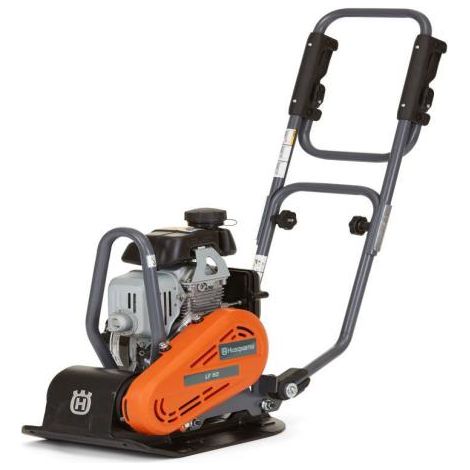
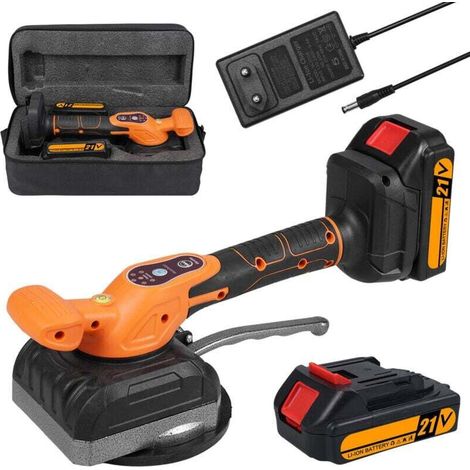
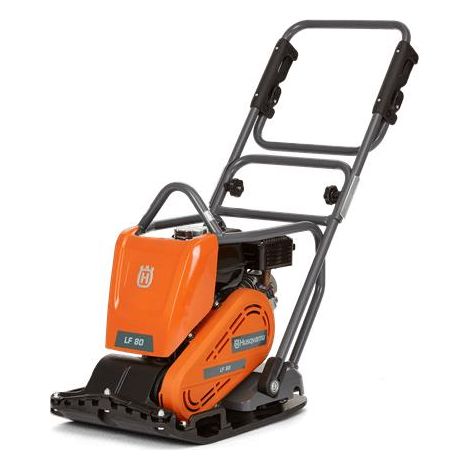
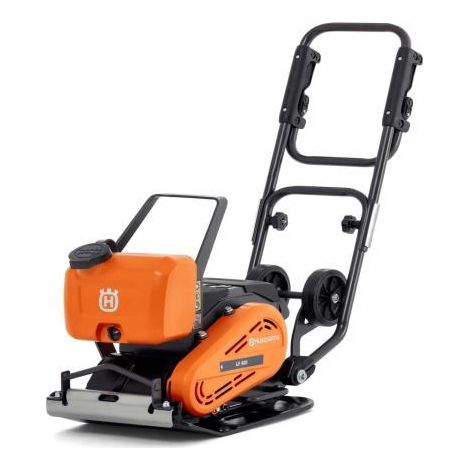
A vibratory plate is a machine that is used to compact materials on a flat surface. It works equally well on earth, sand, gravel, or asphalt. This versatile equipment can be used in various fields.
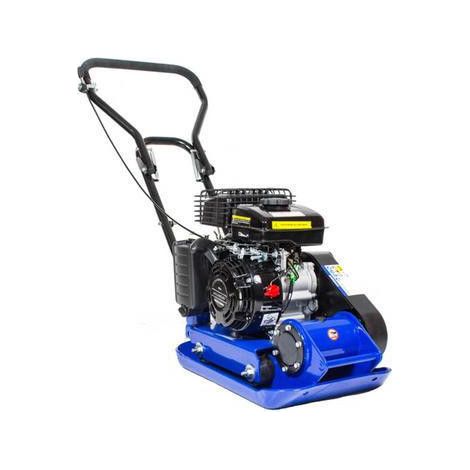
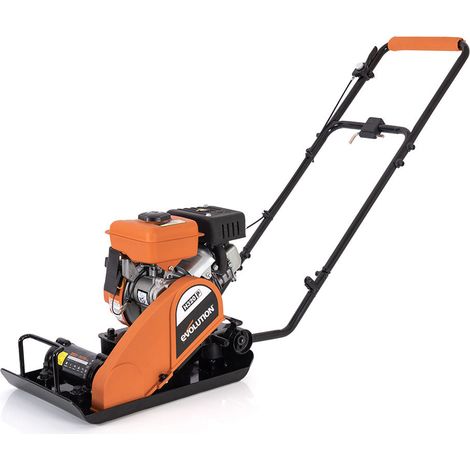
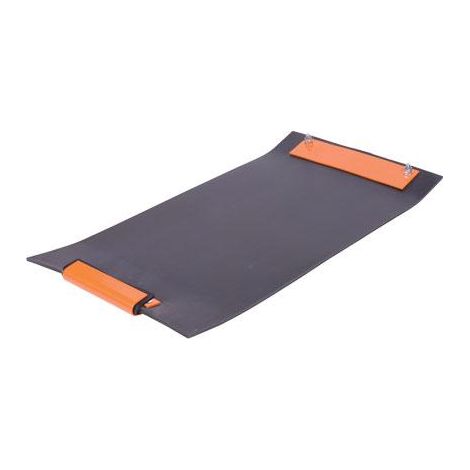
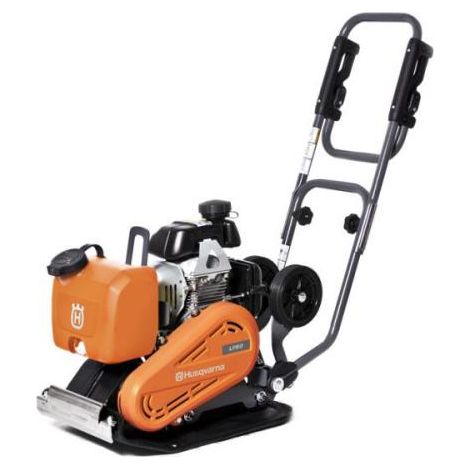
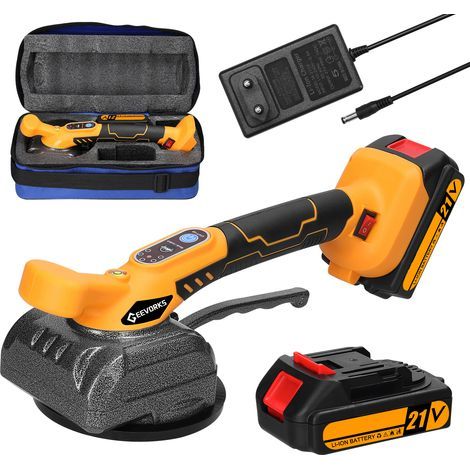
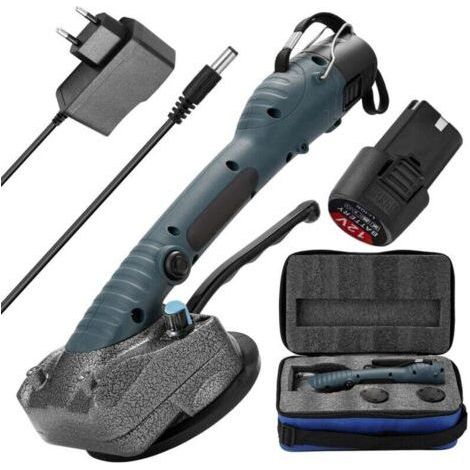
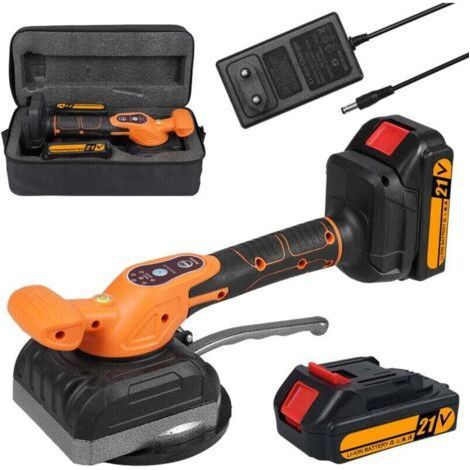
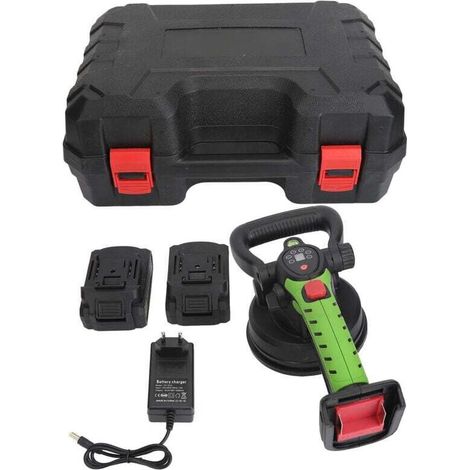
For work that spans a considerable area, the vibratory plate becomes indispensable. Used to replace the simple manual rammer, it prepares the ground that will receive concrete or other surfaces such as interlocking pavers, stone or asphalted surfaces. Compact and easy to handle, the vibratory plate is equipped with an armored steel plate also called the base plate. This plate itself is the central piece that works the soil. It has a flat surface curved at each end to avoid scraping the ground when the machine is operating. It is possible to replace it or to equip it with rubber or polyurethane among others depending on the type of ground to be compacted. To ensure its functions, the vibratory plate is equipped with:
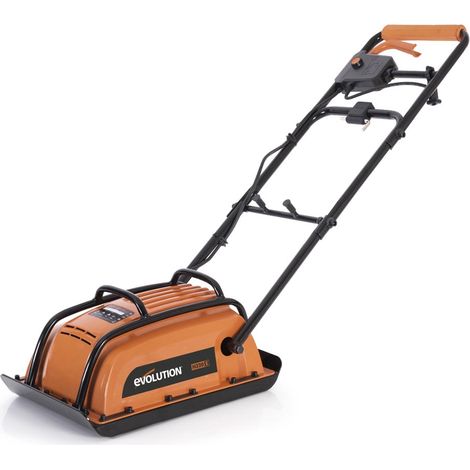
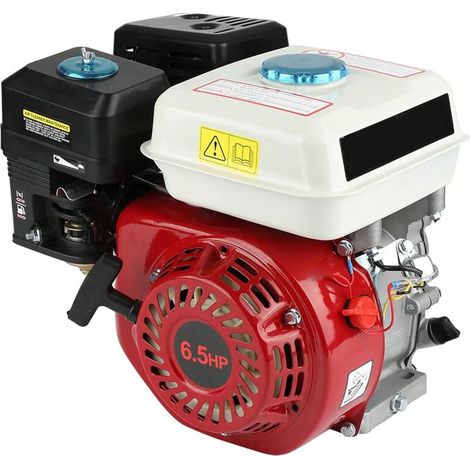
- a gasoline or electric engine;
- a vibrating block.
The machine is directed via a handlebar or a foldable guide where the controls are grouped together.
Several characteristics should be considered when selecting the vibratory plate based on its use:
- compacting force;
- vibration force;
- base plate dimensions;
- engine power in kW;
- compacting depth.
To easily transport the vibratory plate from one place to another, some machines are equipped with a trolley or retractable wheels. Side extenders can be provided as an option to access difficult areas, which optimizes compacting efficiency.
It should be emphasized that the machines are delivered without fuel and/or oil. Some additional checks may be required before they are operational such as checking the connections among others.








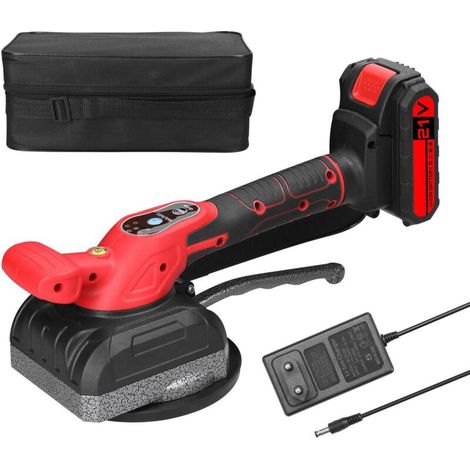
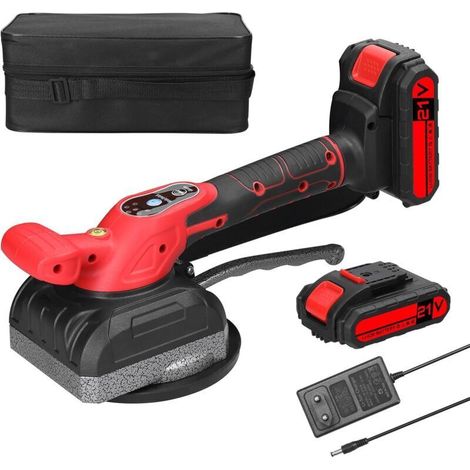
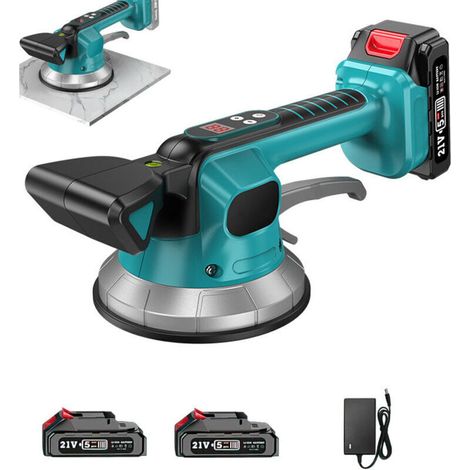
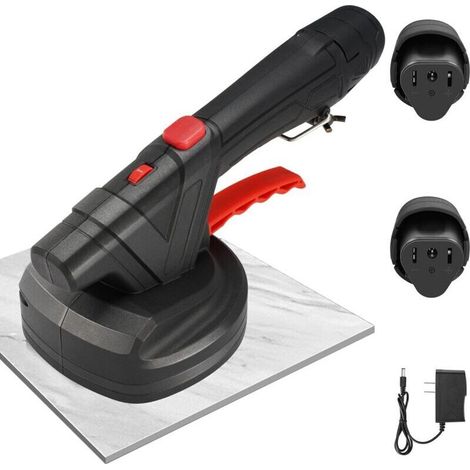

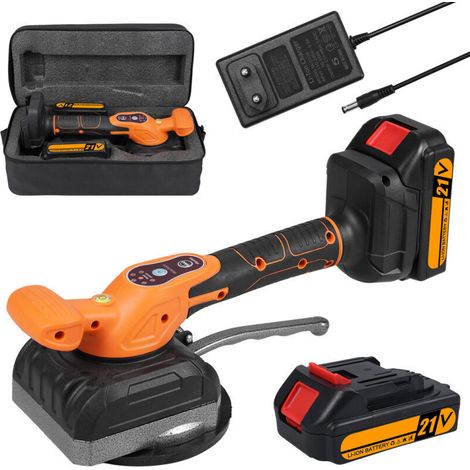
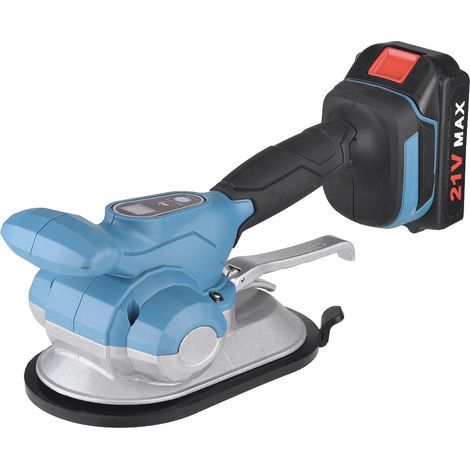
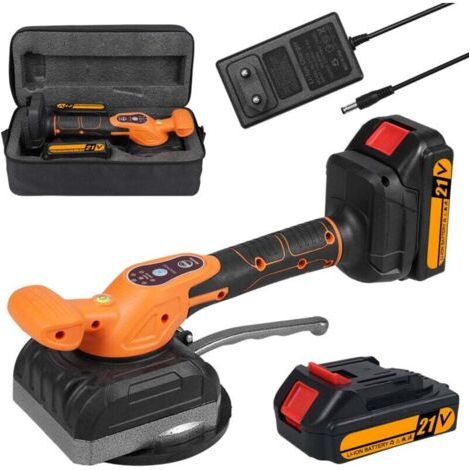
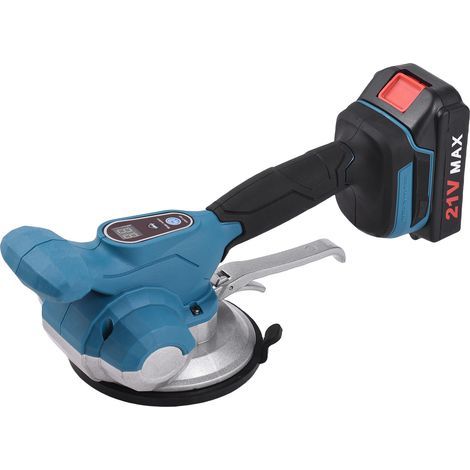
'/%3E%3C/svg%3E)
'/%3E%3C/svg%3E)