Hands are often the most exposed parts of the body when doing DIY projects, hence the importance of protecting them!
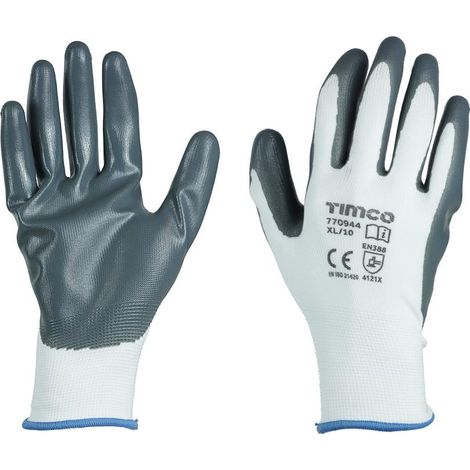
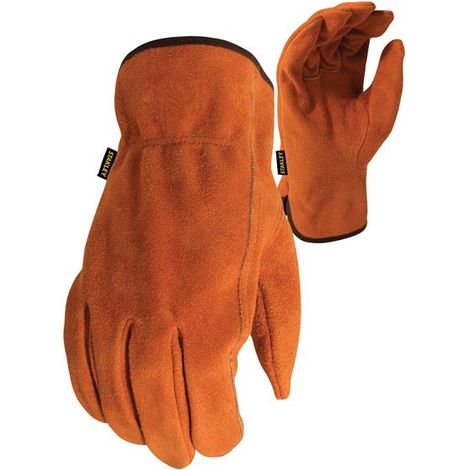
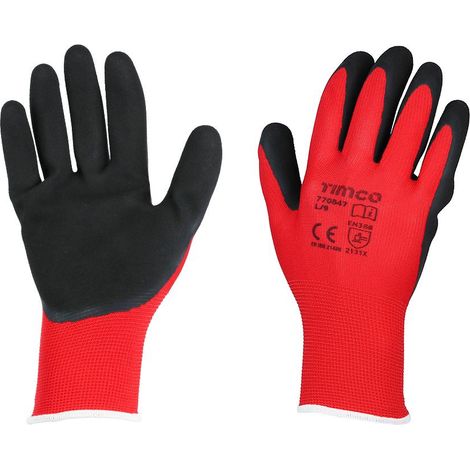
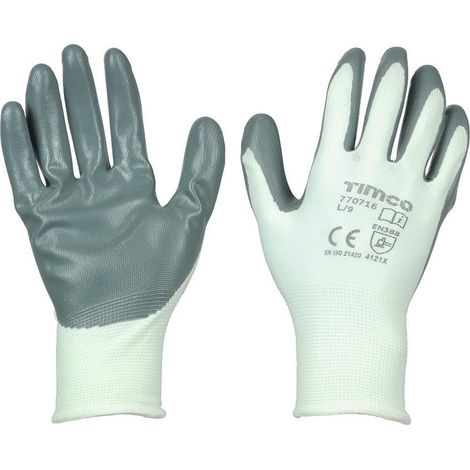
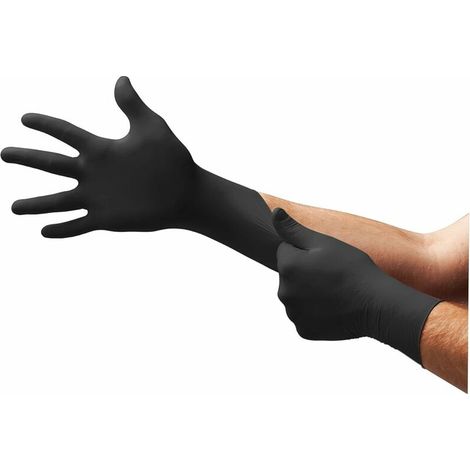
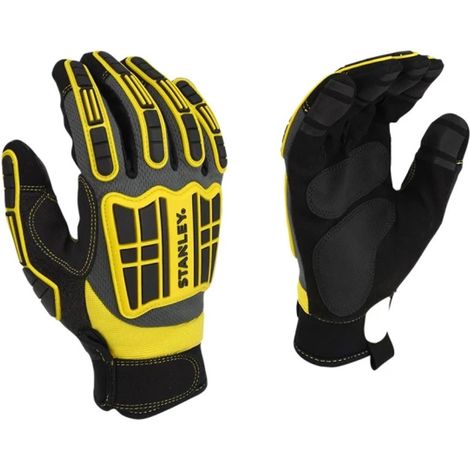
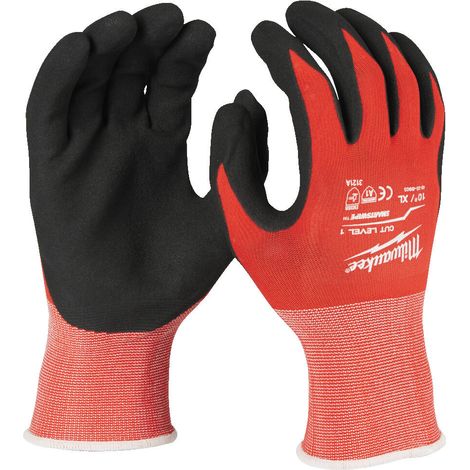
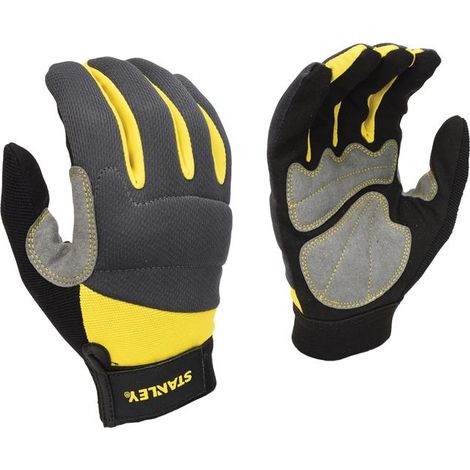
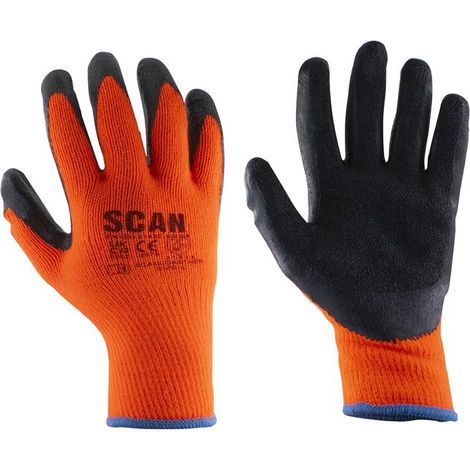
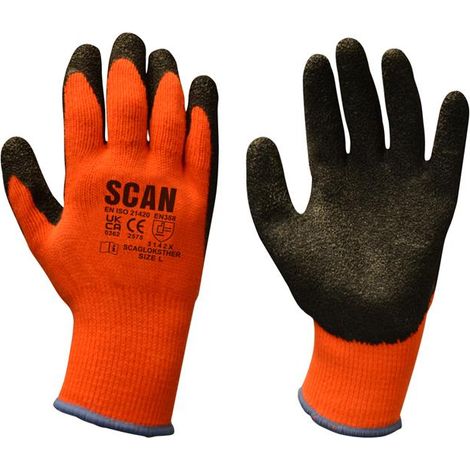
Choose here the pair of protective gloves that fits you... like a glove! Whether it's leather, latex, coated, or knitted gloves, you'll find numerous models on ManoMano from top brands like MICHELIN or SINGER FRERES.
How to choose the right protective gloves?
Since gloves are in direct contact with different materials and substances when you're doing DIY, their proper fit is crucial.
To ensure they suit your activities, you must be able to make the right choice. This means you need to know what type of use you're intending your gloves for. This could be general handling such as carrying objects, precision handling, chemical handling...
Once you've determined the type of use, you should consider the environment in which you'll be using your protective gear. Are you going to be in contact with moisture? Liquids? Greasy parts? A cold environment?
After asking yourself all these questions, you can then start looking into the more technical aspects: the different risks and the standards that apply to them.
The different risks regarding handling are:
Mechanical risks (standard EN 388): there are four of them concerning physical and mechanical assaults. The EN 388 standard measures the level of protection's resistance to these different risks, which are:
Resistance to abrasion (level 0 to 4): it is determined by the number of cycles required to wear the product down to the point of perforation.
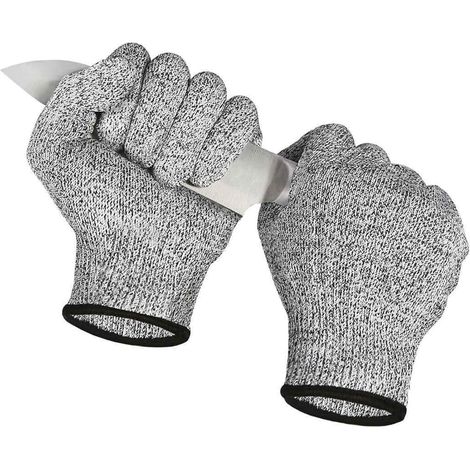
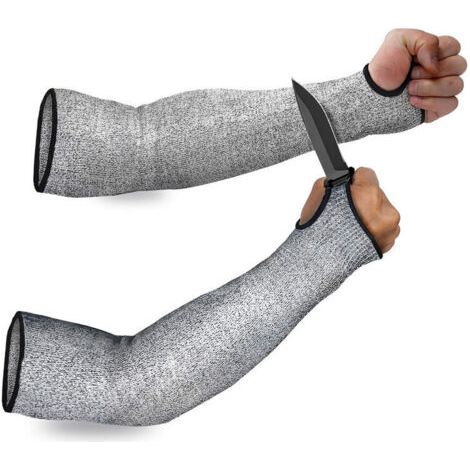
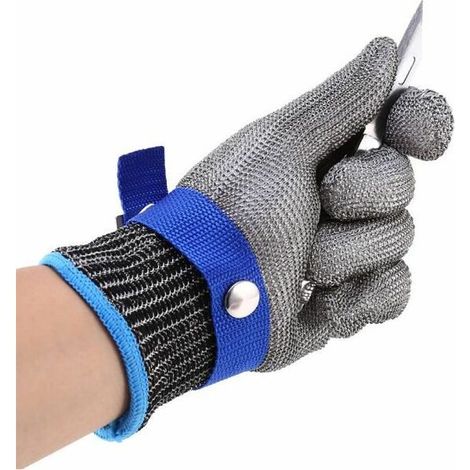
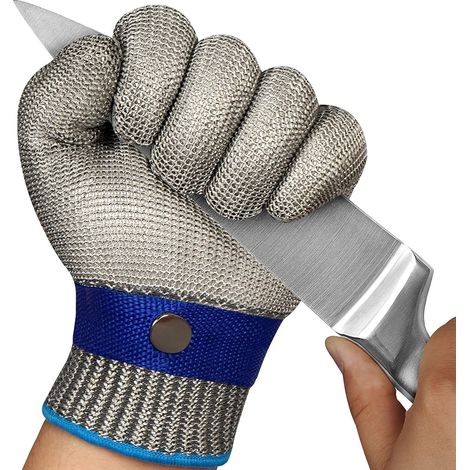
Resistance to cut by slicing (level 0 to 5): it is determined by the number of cycles required to cut the sample at a constant speed.
Resistance to tearing (level 0 to 4): it is the force needed to tear the sample
Resistance to puncture (level 0 to 4): it is the force required to puncture the sample with a standard punch.
This is why you need to know which type(s) of risk(s) your activity may cause and thus choose the right balance between these four indicators.
Single-use (disposable) gloves and very thin gloves without technical fabric are not covered by this standard as they are only suitable for "minor" risks.
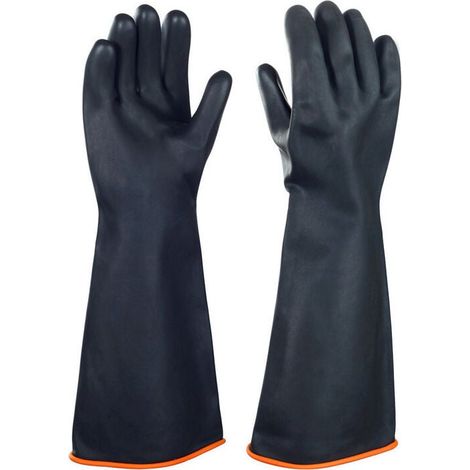
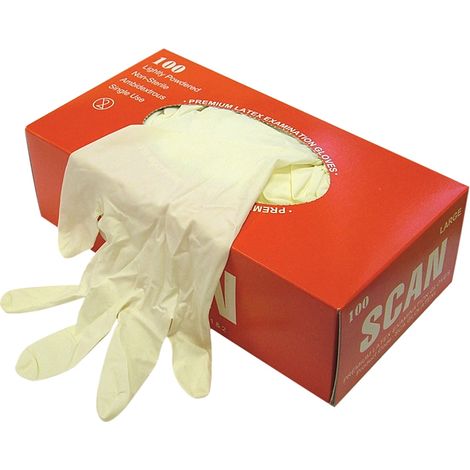
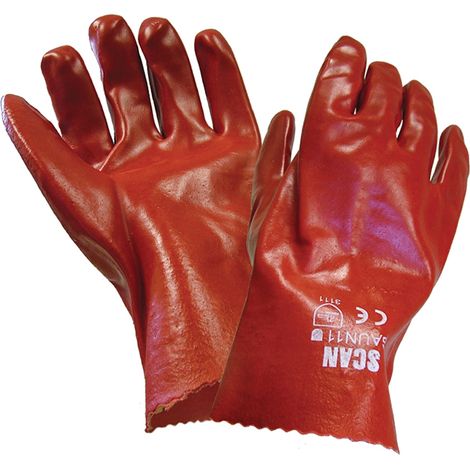
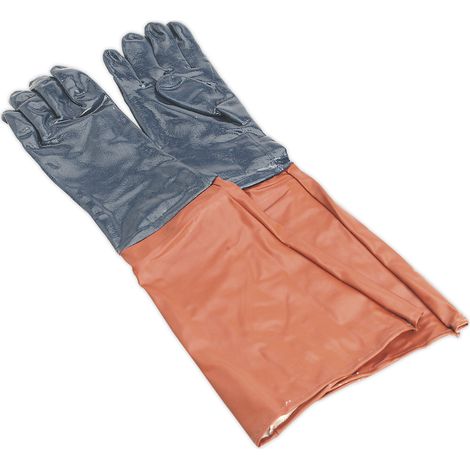
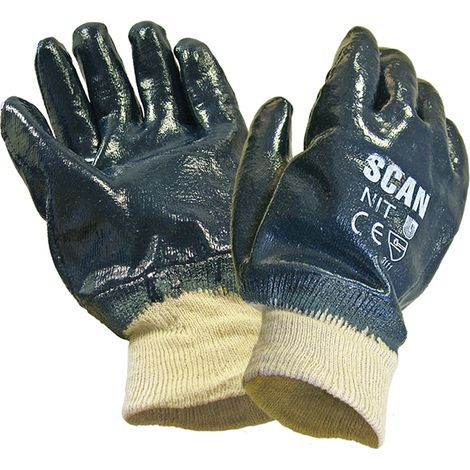
We then move on to chemical risks which most often concern gloves made of latex or neoprene. The EN 374 standard will determine the resistance of the materials that make up the protective gloves to potentially dangerous non-gaseous chemical products.
However, this information should be put into perspective. Indeed, next to each chemical substance the protection resists, a class number (from 1 to 6) is indicated. This specifies the time it takes for a dangerous substance to penetrate the protective film by permeation:
> 10 minutes: class 1
> 30 minutes: class 2
> 60 minutes: class 3
> 120 minutes: class 4
> 240 minutes: class 5
> 480 minutes: class 6
Therefore, you understand the necessity of analyzing the information carefully. Just because a glove can resist a chemical substance doesn't mean it will last forever.
Lastly, there's standard EN 511, which concerns protection against cold down to -50°C, and standard EN 407 in relation to thermal performance levels against heat and/or flames. Here again, as with mechanical risks, there are different levels for the various categories of heat and flames.
Which material to choose for your protective gloves?
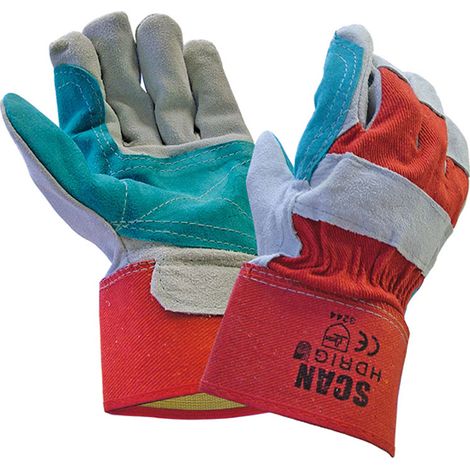
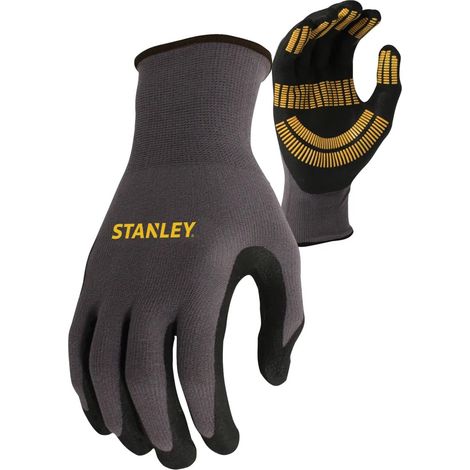
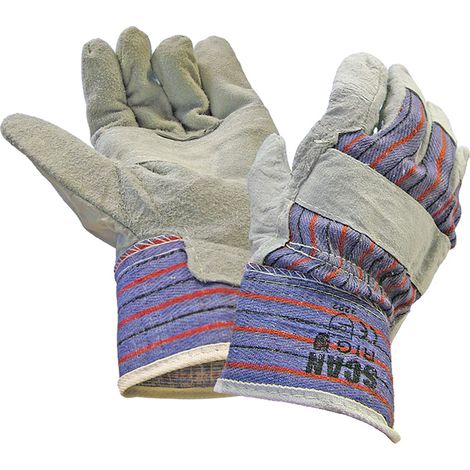
The material is often linked to the type of use and directly influences resistance to different risks. For instance, latex gloves will be suitable for chemical protection and will be waterproof to moisture while, on the other hand, leather gloves tend to be resistant to abrasion and tearing but should only be used in dry places.
Why choose a coated glove?
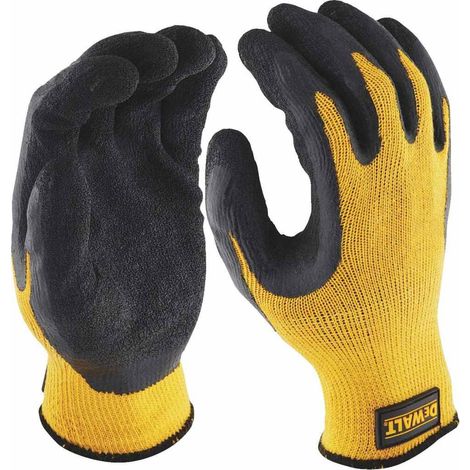
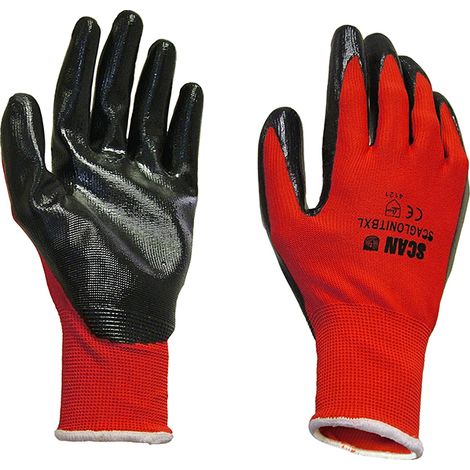
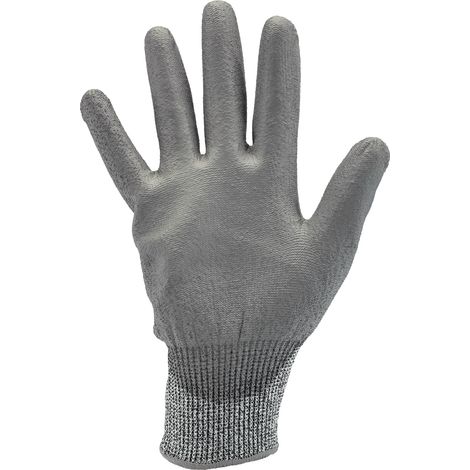
Coating is the process of applying a covering on the glove. It can be done with various materials to enhance the protective properties. For example, a polyamide glove with a polyurethane coating will be very effective in terms of cut resistance.
What is glove dexterity?
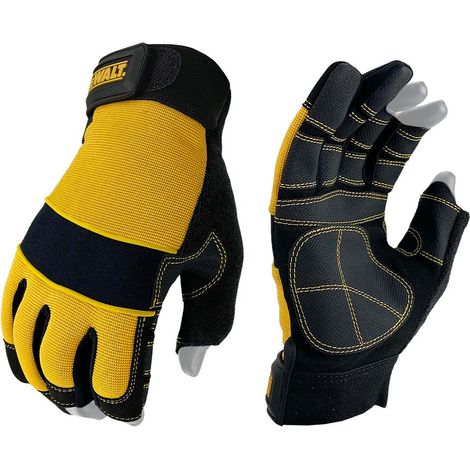
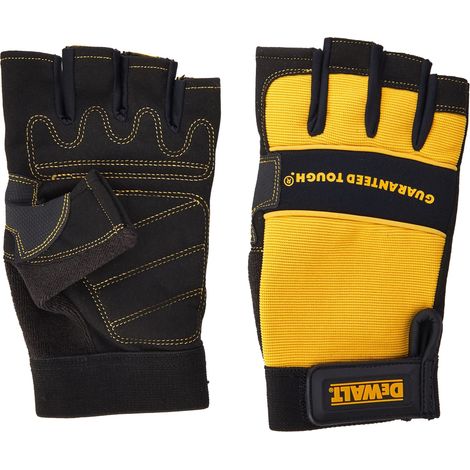
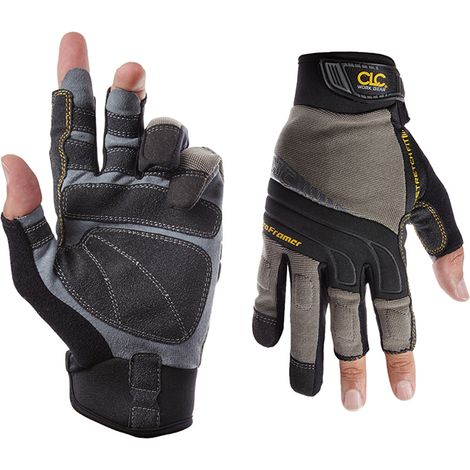
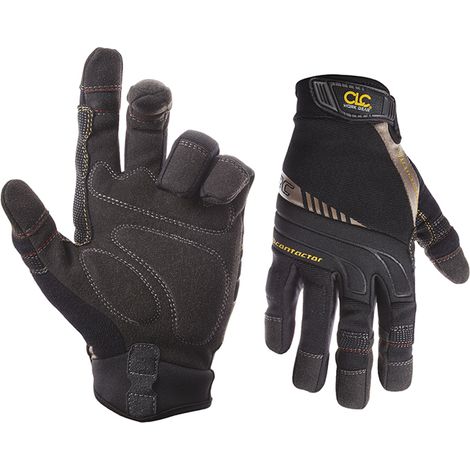
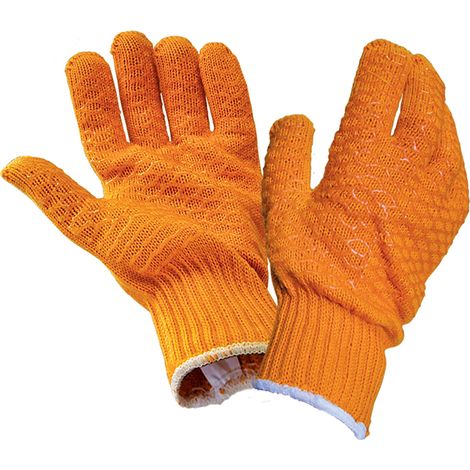
Depending on the type of use you're intending your future gloves for, you will need more or less dexterity. That is a need for skill, speed, and precision in handling objects. Several factors can affect dexterity, including how well the gloves fit the hand and the flexibility of the material, for example. Thus, if you have a great need for dexterity in your activity, you can turn towards gloves for fine manipulations or knitted gloves.
How to choose the size of your gloves?
To do this, you need to measure the circumference of your hands and refer to these correspondences:
Hand circumference of 15 to 17 cm: size 5
Hand circumference of 17 to 19 cm: size 6
Hand circumference of 19 to 20 cm: size 7
Hand circumference of 20 to 22 cm: size 8
Hand circumference of 22 to 24 cm: size 9
Hand circumference of 24 to 26 cm: size 10
Hand circumference of 26 to 28 cm: size 11
Now, you know a bit more about gloves. Should you still have questions or uncertainties about choosing your protection, do not hesitate to ask our tool expert!













'/%3E%3C/svg%3E)
'/%3E%3C/svg%3E)