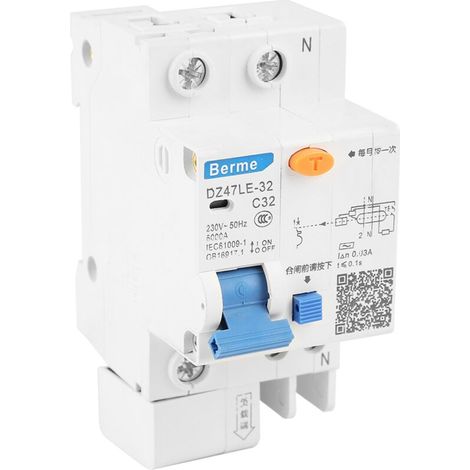
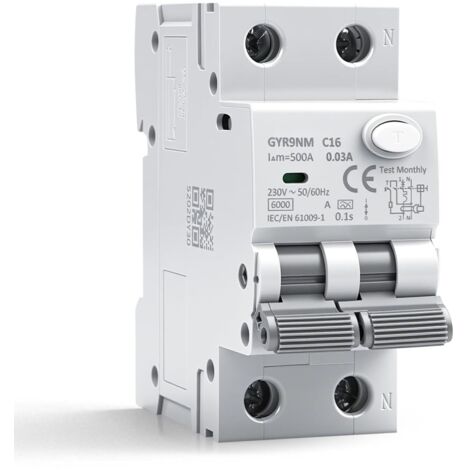
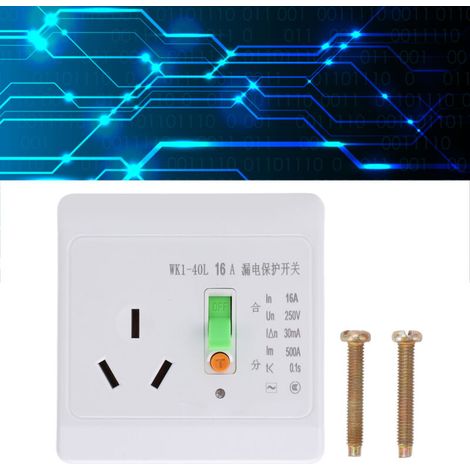
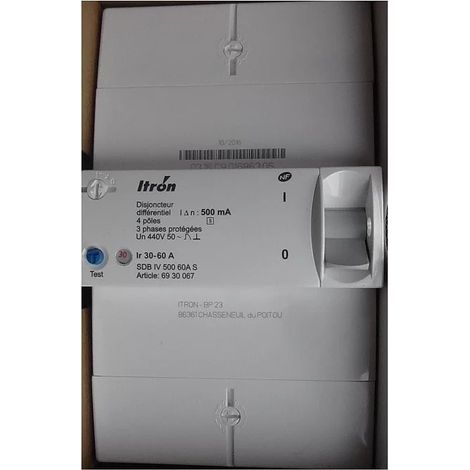
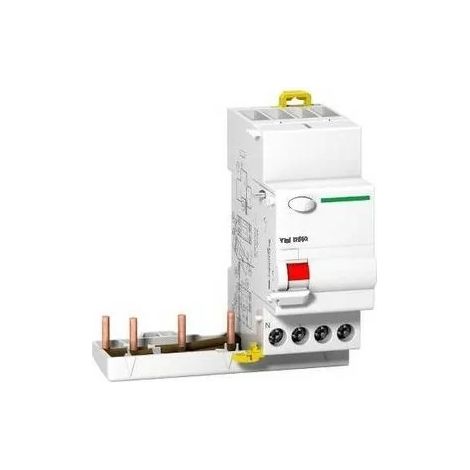
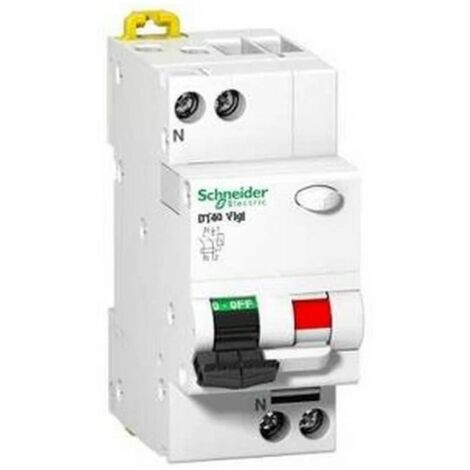
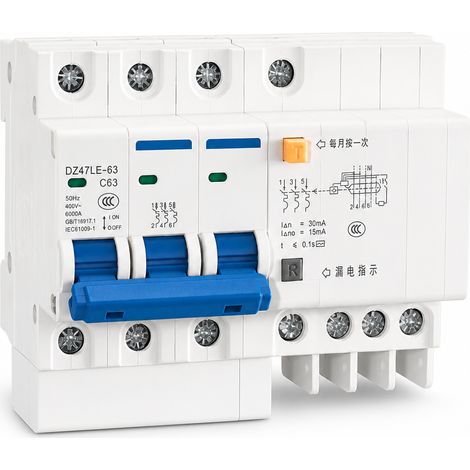
A residual current circuit breaker (RCCB) is useful for protecting devices and users from the risks of electrical current leakage. Available in types A, AC, Hpi, HI, or Si, this equipment helps secure the home’s electrical installations.
Various reasons justify the installation of an RCCB.
- A sensitivity (difference between the incoming and outgoing current) of 50 mA is potentially dangerous for users. However, the sensitivity of the main circuit breaker (at the subscriber's meter) is 500 mA.
- Its installation allows for easily detecting faults (such as an insulation defect in an electrical device), as only the device of the concerned circuit cuts off in case of current leakage.
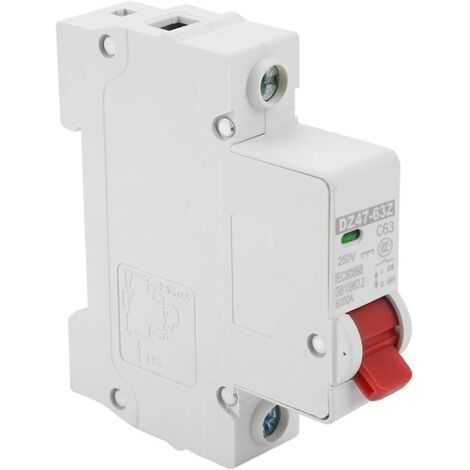
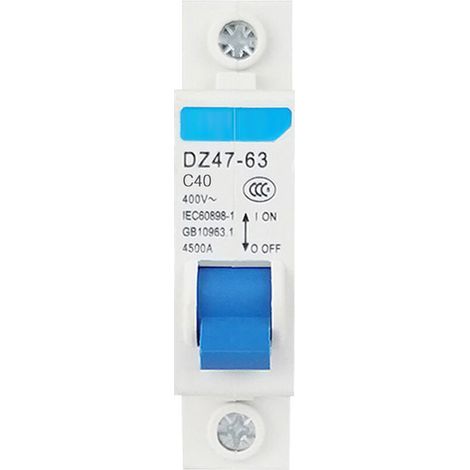
- It protects electrical devices from overvoltages and short circuits.
- It combines the functions of a differential switch and a mini circuit breaker.
Different types of RCCBs are available to choose from.
- Type AC models trip only in case of leakage on the alternating current component. They are installed on circuits intended to power small appliances and lighting.
- Type A models offer optimal protection against continuous and alternating current leaks. They should be installed on circuits that power large appliances (washing machines, dishwashers, etc.) and cooking plates.
- High immunity models (Hpi, HI, or Si) are specially designed to avoid unwanted tripping. They are intended for specialized circuits powering sensitive devices like computer equipment or refrigerators.
Various parameters need to be considered when choosing the equipment to install.
- Their number depends on the size of the housing. Thus, two RCCBs are sufficient for a home under 35 m², three for a home under 100 m², and four for a house over 100 m².
- Regardless of the configuration, it is necessary to install at least one type A device with a nominal current of 40 A. The others can be of type AC but must have the same nominal current.
- The nominal current should be increased to 63 A if the house is equipped with heating over 8,000 W.
- Price can influence the choice. AC models are the least expensive. Type A models cost twice as much, and the Hpi, HI, or Si versions are three times more expensive.
Therefore, the installation of an RCCB is recommended to protect users and electrical devices from current leakage. The chosen equipment must be compliant with the standard NF C 61-410.
'/%3E%3C/svg%3E)






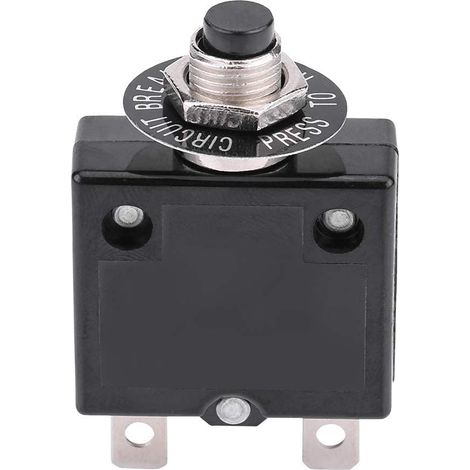
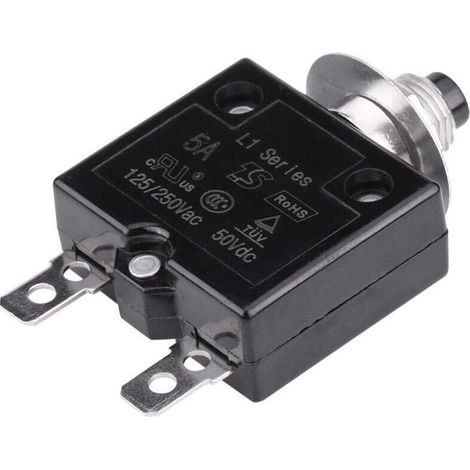
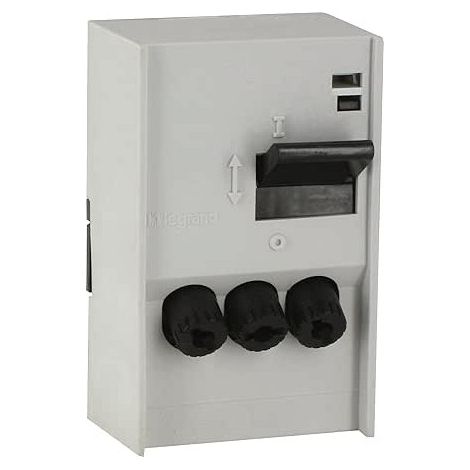

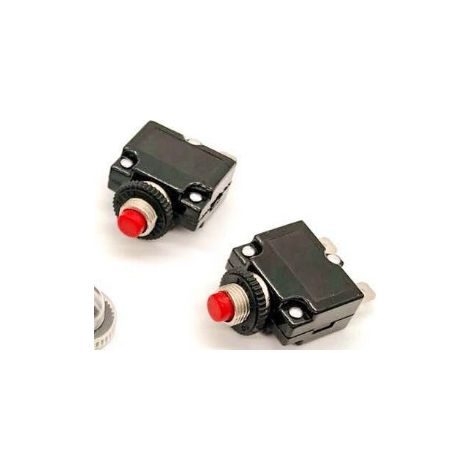
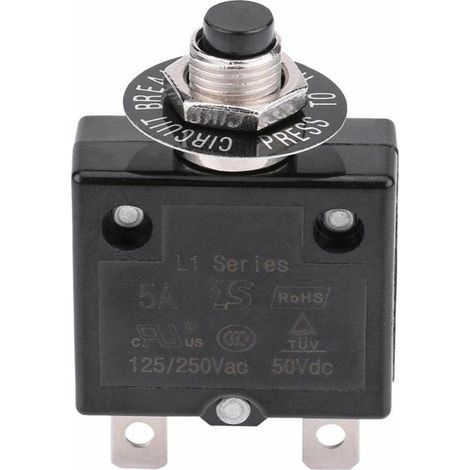
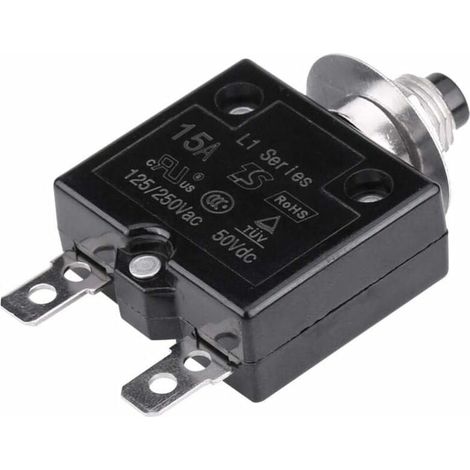
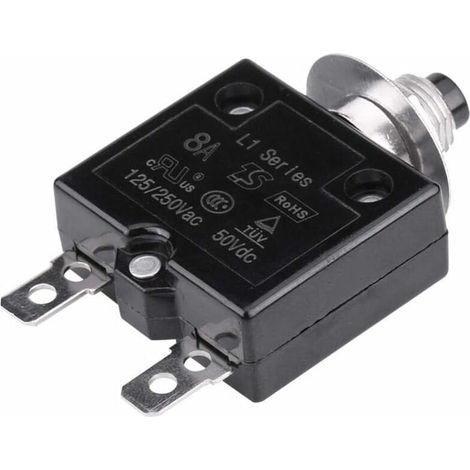
![[NEVER USED] EVGATSAUTO Circuit Breaker, Manual Reset Thermal Switch Circuit Breaker Overcurrent Overload Protection 5A/8A/10A/15A/18A/20A/30A (optional)(18A) (1/4)](https://cdn.manomano.com/pim-media/images/medium/12830adb1ddd1ffc3ea883c934bf04f473065437.jpg)
![[NEVER USED] 20A circuit breaker with optional thermal reset switch, 125-250V AC 50V DC push-button circuit breaker with current overload protection. (1/4)](https://cdn.manomano.com/pim-media/images/medium/df9748f8ae9d6d8e7906025b72bd3975f40585cf.jpg)
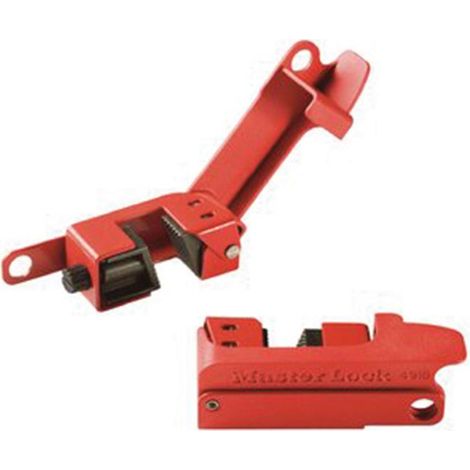

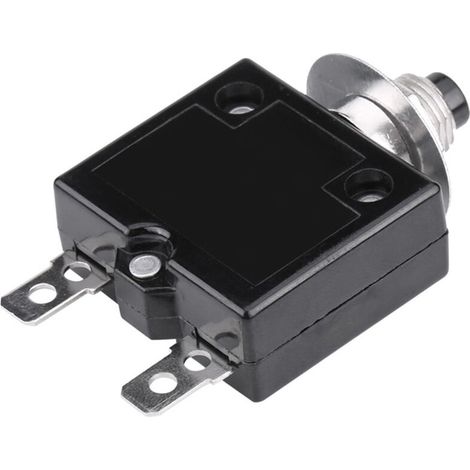
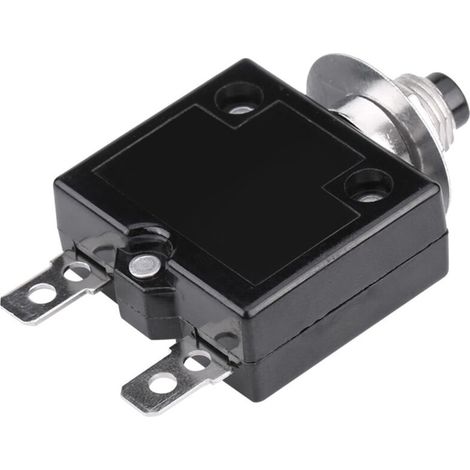
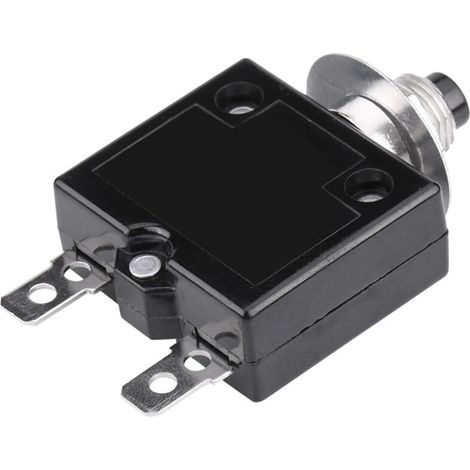

![[NEVER USED] 10A Circuit Breaker with Optional Thermal Reset Switch, 125-250V AC 50V DC Overcurrent Protection Pushbutton Circuit Breaker (1/4)](https://cdn.manomano.com/pim-media/images/medium/599e36824094b13c5a7813bbae0085af28d8a528.jpg)


'/%3E%3C/svg%3E)