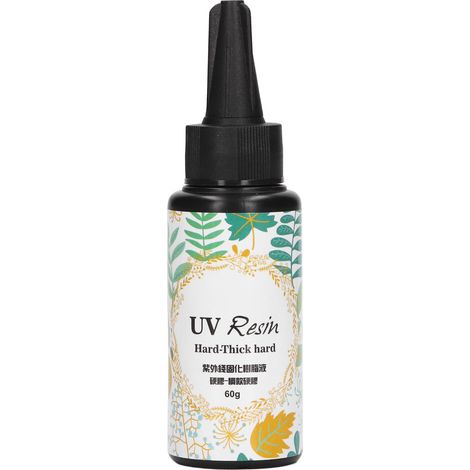
Resin is a chemical sealant used both in decoration and in the manufacturing of moulded parts. Various types referred to as epoxy, polyester, and polyurethane are available for multiple applications.
Epoxy resin is suited for different uses.
- Water-based versions can be used for varnishing wood or terracotta objects like pottery. They enhance the structure of the surface and optimize the waterproofing of porous products while giving a shiny varnish appearance.
- UV-stabilized versions can act as a binder for color sand-prepared concrete. They are used in the design of pool edges, submerged beaches, or restaurant kitchen floors.
- Transparent versions are used to cover a support with a thickness of 0.5 to 3 mm to achieve a deep varnish effect.
- Models intended for lamination are used in shipbuilding to protect wooden hulls using fiberglass reinforcements.
- Some versions are intended for pouring casting parts.
Polyurethane resin is another type of binder with some characteristics to be aware of:
- it is made of organic components;
- this flexible coating has high resistance to impacts and temperature changes;
- it is suitable for both outdoor use and living spaces;
- it can be used for covering to protect a support and give it a deep varnish look (magnifying effect);
- transparent versions can replace epoxy and serve as a binder for colored gravel and sand concrete.
Some information on polyester resin is also useful to know:
- it is a thermosetting plastic material;
- it is used in the manufacture of boat hulls, car bodies, surfboards, or art objects with inclusions;
- it is applied using a brush or a sheepskin roller;
- some versions used in decoration can be dyed to imitate concrete or wood;
- orthophthalic models are mainly used in car bodies;
- isophthalic versions (ISO) have the distinguishing feature of resisting aging and moisture;
- isophthalic/glycol neopentyl (ISO-NPG) variants are suited for the marine environment;
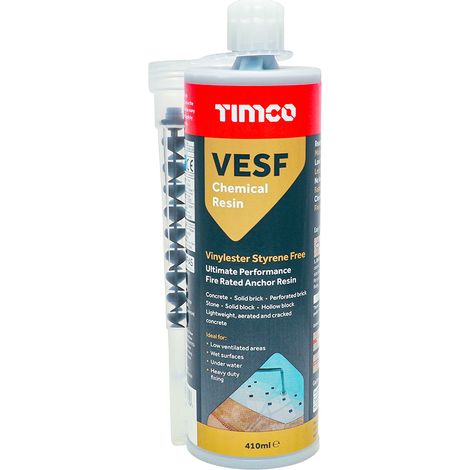
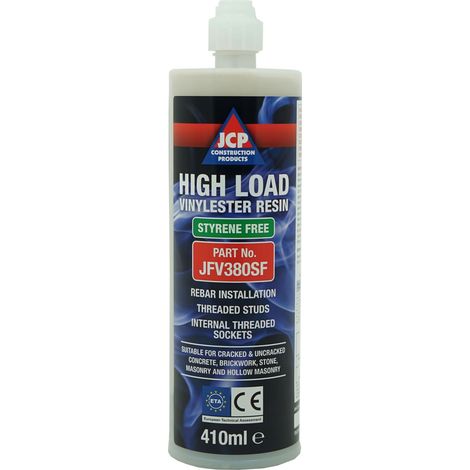
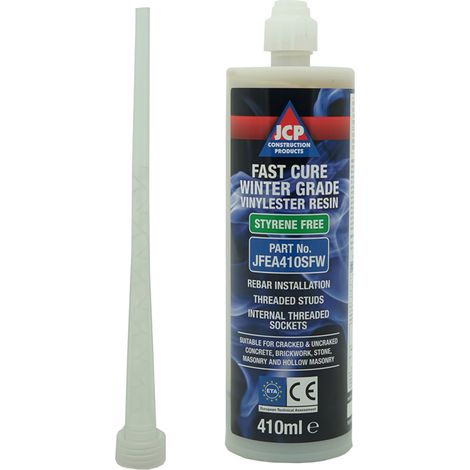
- vinyl ester versions are used in the manufacture of tanks and reservoirs.
Thus, the choice of resin depends on the use, but also on constraints such as climatic conditions.
'/%3E%3C/svg%3E)







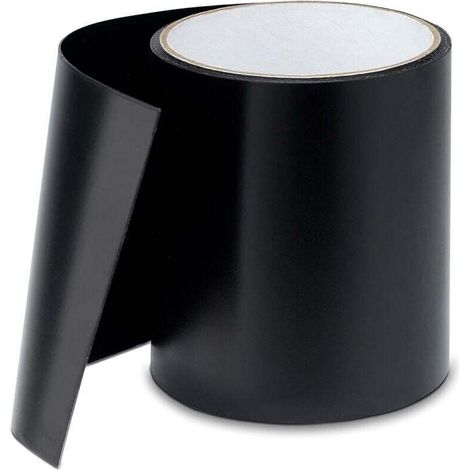



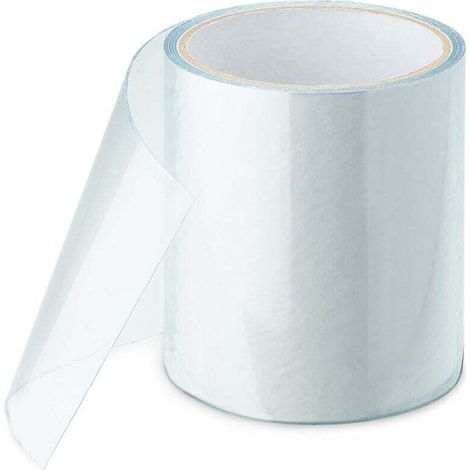
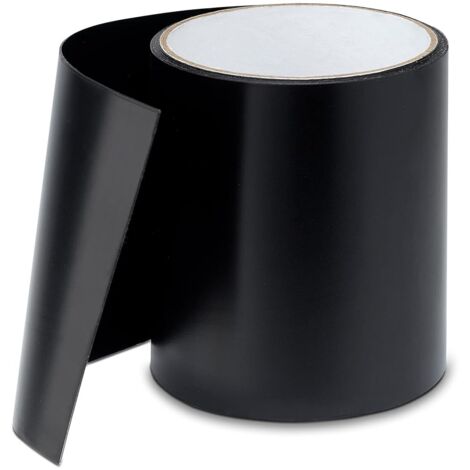

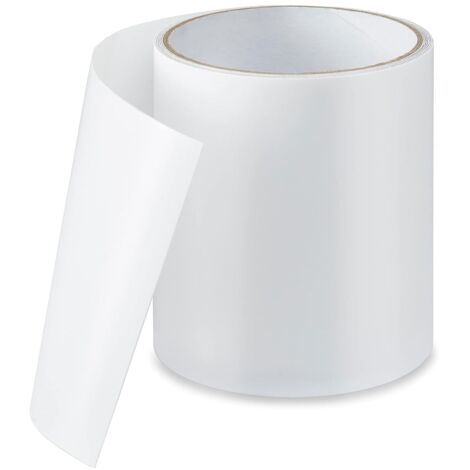
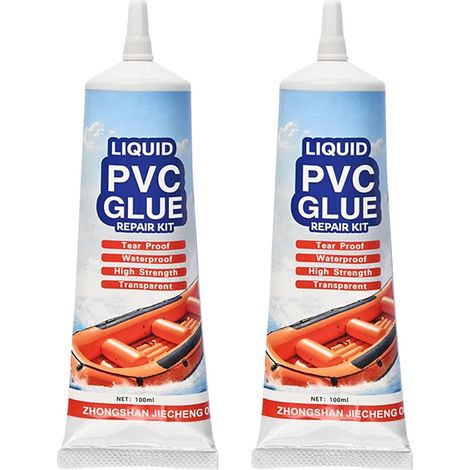


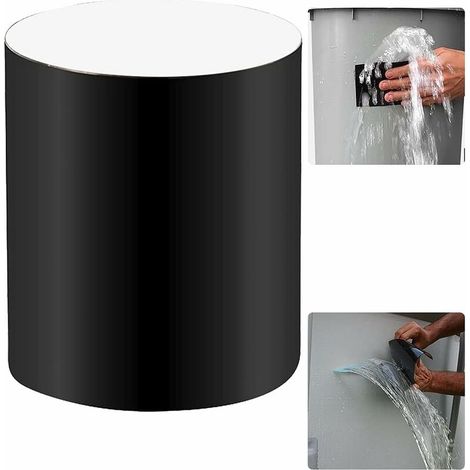
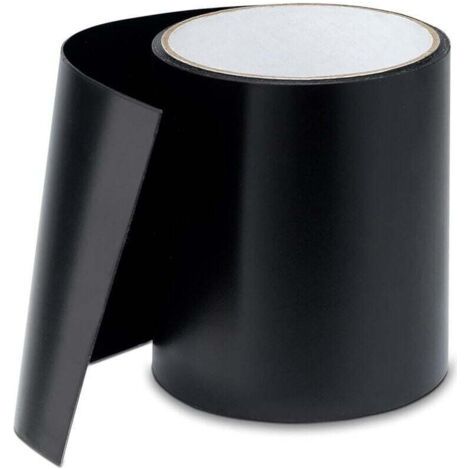
![[NEVER USED] Underwater adhesive tape, sealing tape, repair tape for swimming pool, tent, tarpaulin, gutter, inflatable boat, acrylic glue ( (1/4)](https://cdn.manomano.com/pim-media/images/medium/eac7fa5e31d7d408524df250a028a7154094b3b1.jpg)
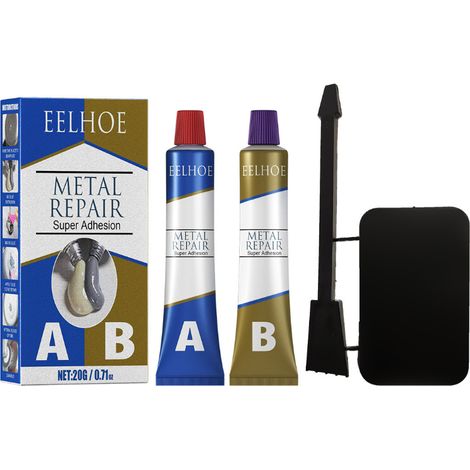
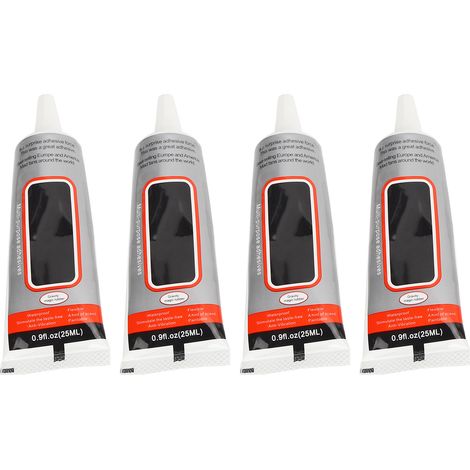
![[NEVER USED] Pack of 4 cast iron putties, defect repair adhesive, repair agent, AB adhesive, 80 g (1/4)](https://cdn.manomano.com/pim-media/images/medium/bedd2f2aad84873d057fd8c77edd61ed26e43191.jpg)





'/%3E%3C/svg%3E)
'/%3E%3C/svg%3E)