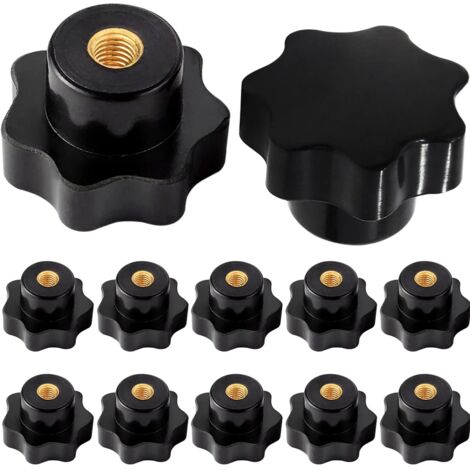
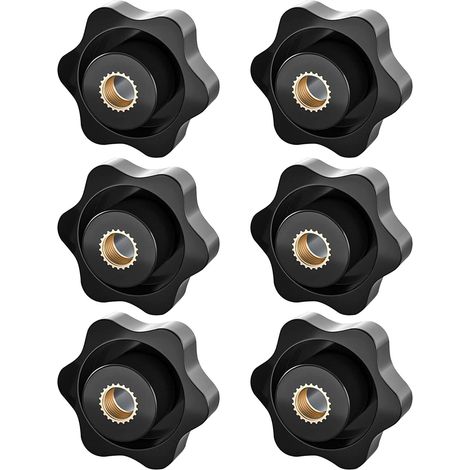
In mechanical fastening, the use of nuts is especially recommended to ensure the effectiveness of the fastening performed. The nut creates a balanced and well-distributed clamping force along the length of the screws/bolts. The cylindrical nut is one of the main types of nuts commonly encountered in mechanical fastening. This accessory allows for the realization of rigid and reversible fastenings of equipment.
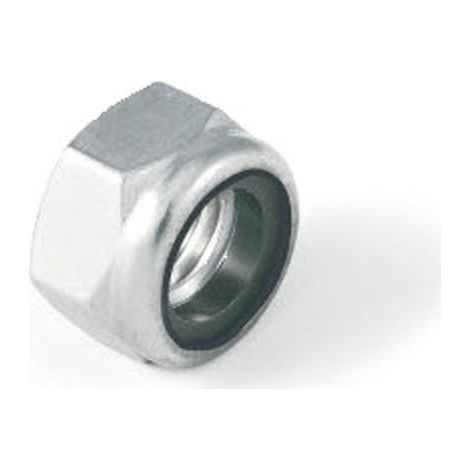
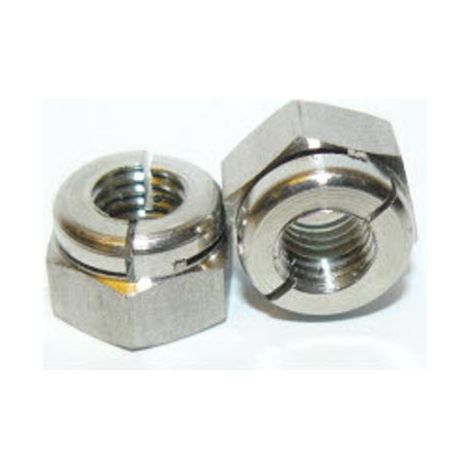
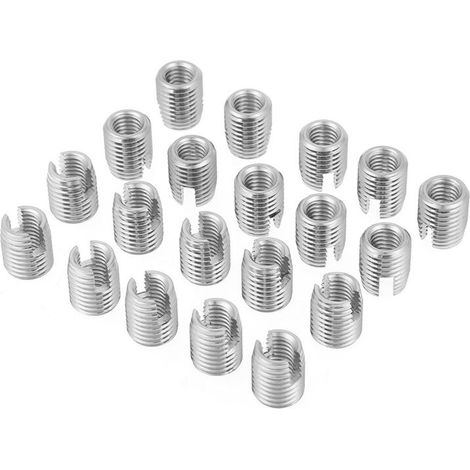
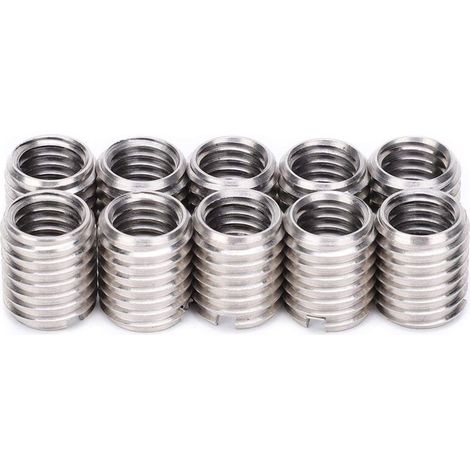
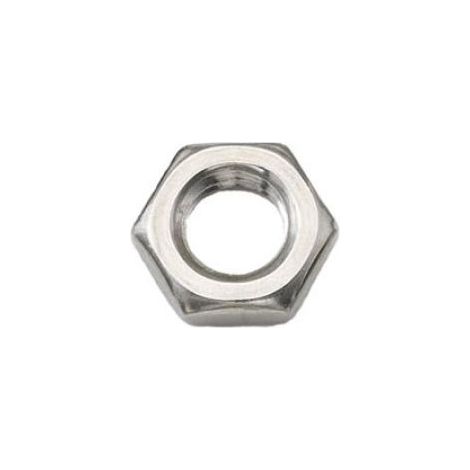
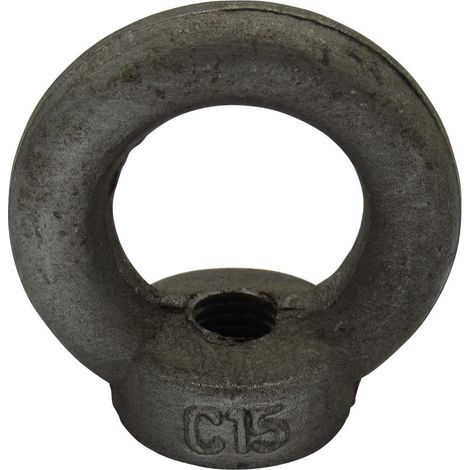
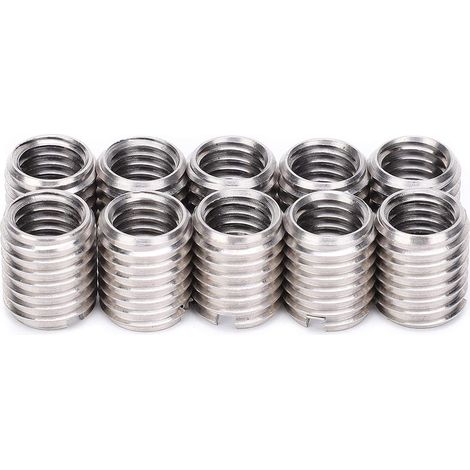
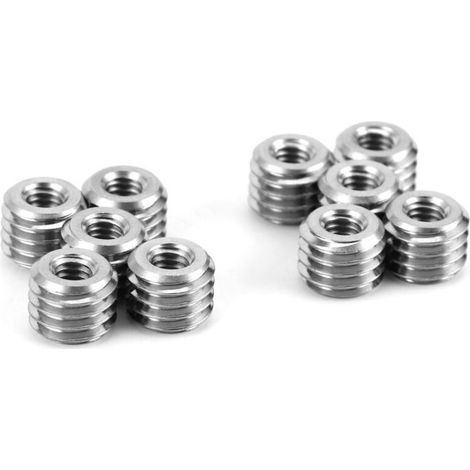
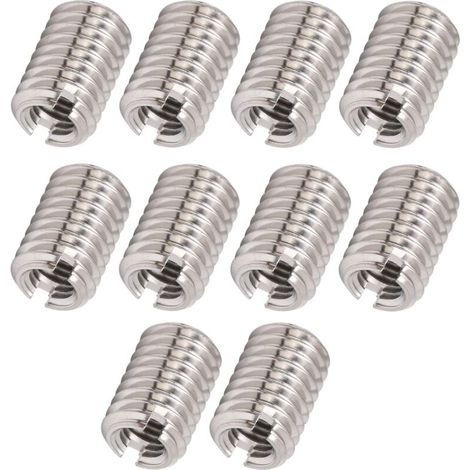
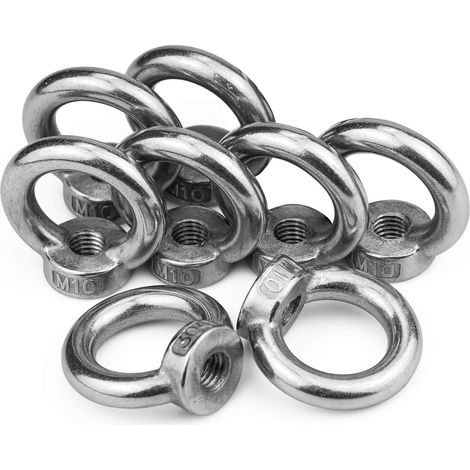
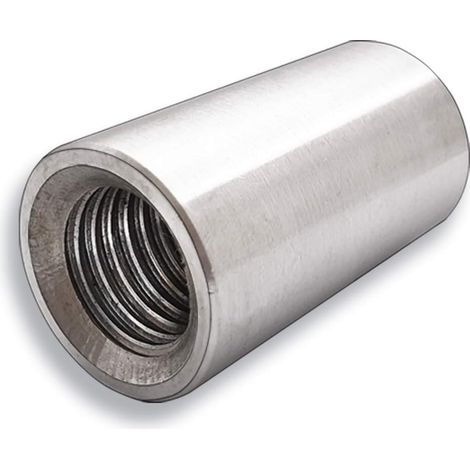
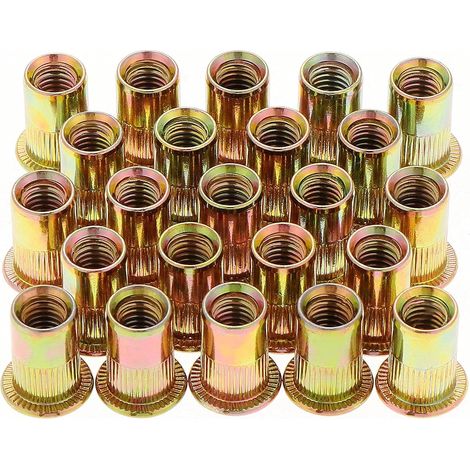
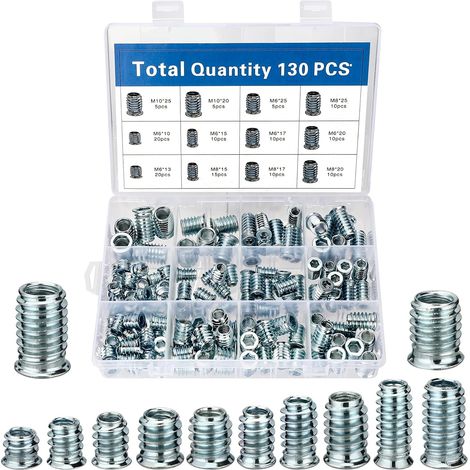
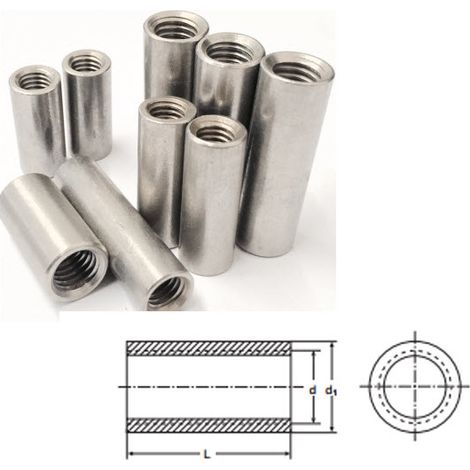
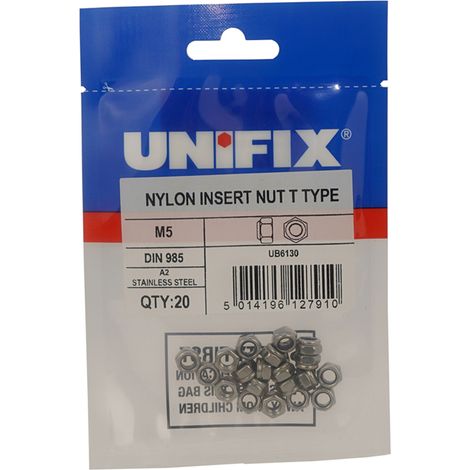
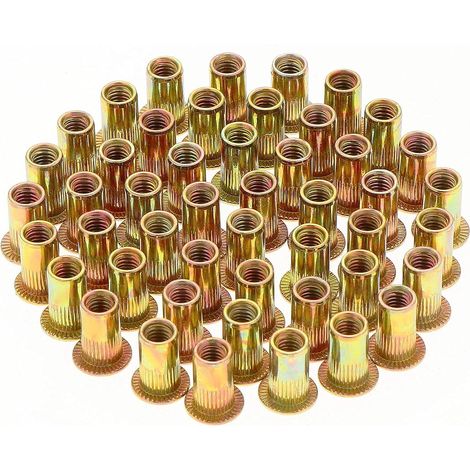
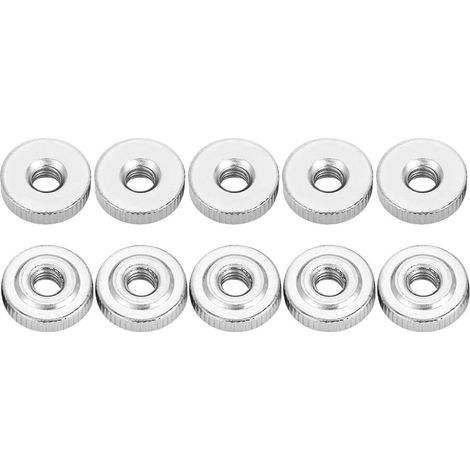
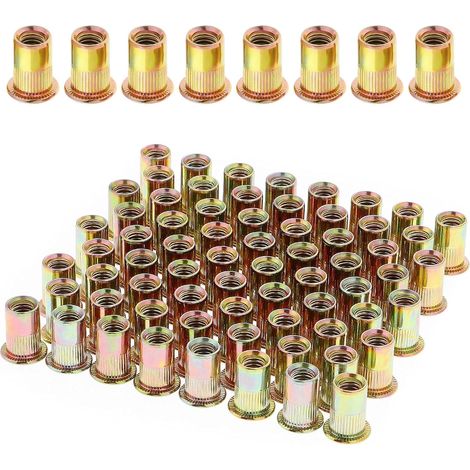
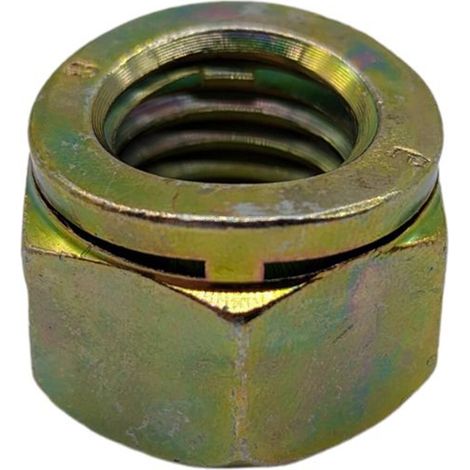
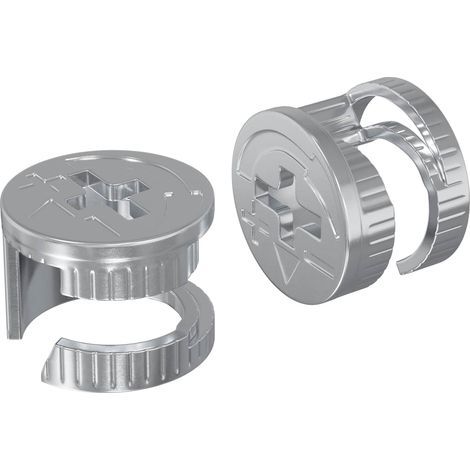
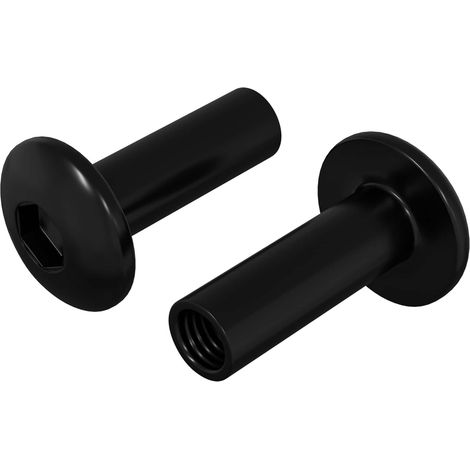
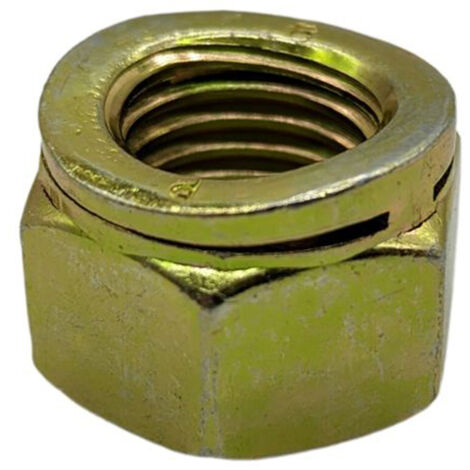
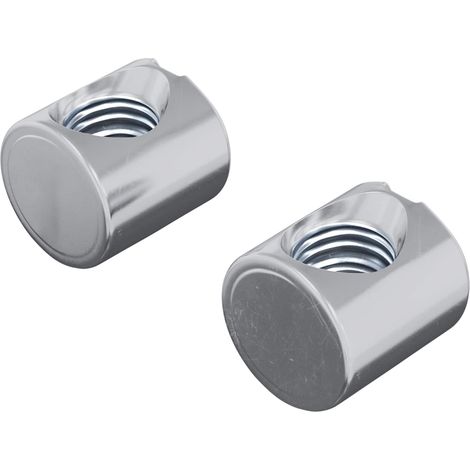
Cylindrical nuts are small mechanical parts that are rounded in shape with a large circular hole in the middle. They are recognizable by their threaded inner diameter designed to fit the external threading of screws/bolts. The cylindrical nut is thus a solid piece, drilled in a spiral, and has the advantage of being minimally obtrusive. Its practicality is indeed the main advantage of this type of nut. A wide variety of cylindrical nut models are available to choose from to meet different types of usage needs. Most existing cylindrical nut models are made of stainless steel, steel, zinc-plated steel, or steel alloy. The strength of these materials gives the cylindrical nuts offered their ability to provide significant clamping forces. Among the many models of cylindrical nuts available, some stand out for their great versatility. Thus, they can reliably solve a wide array of mechanical fastenings and assemblies. Alongside cylindrical nuts, a wide diversity of hexagonal nuts and wing nuts also complements the available offerings.
'/%3E%3C/svg%3E)
















'/%3E%3C/svg%3E)