A roofing underlayment is an essential membrane to improve the thermal and acoustic insulation of a home. Installed beneath the roof, it is waterproof and prevents heat from escaping through the roof during winter.
Although current regulations do not yet require the installation of a roofing underlayment, it is recommended to do so. Indeed, the roof is supposed to be sealed against wind, rain, or snow. But in case of water infiltration, the underlayment can take over and redirect the water towards the gutters. Consequently, the installation of this covering should be done in such a way as to prevent water from penetrating the ceiling. Indeed, water should not accumulate under the roof at the risk of damaging the structure or promoting the development of mold.
Besides the underlayment’s ability to protect the home against external aggressions, it enhances the energy performance of the house. It has the property to:
- retain heat inside the home. Indeed, heat naturally tends to rise and eventually escape through the roof;
- prevent external cold from entering. It thus works in conjunction with the house’s thermal insulation;
- allow water vapor produced inside the home to pass through, preventing it from condensing on the home’s walls.
Currently, there are three classes of roofing underlayments to select from depending on the distance between two rafters, or the span in technical terms:
- class R1 with 45 cm;
- class R2 with 60 cm;
- class R3 with 90 cm.
This classification also determines the resistance of the underlayment, particularly against tearing. Choosing an R1 class underlayment for a 90 cm span might cause the underlayment to sag over time.
To conclude, it is important to emphasize that while they are waterproof, roofing underlayments cannot replace roofing materials like tiles or metal sheets. Their installation is recommended and even necessary depending on the home.
'/%3E%3C/svg%3E)






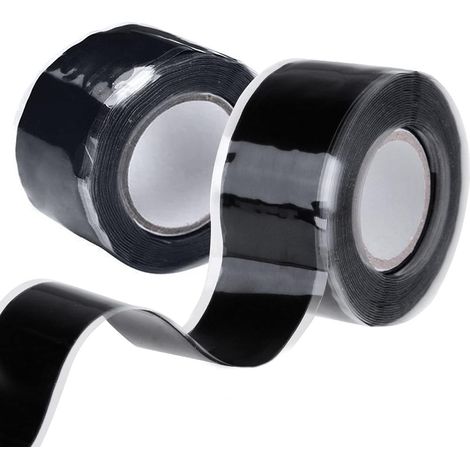

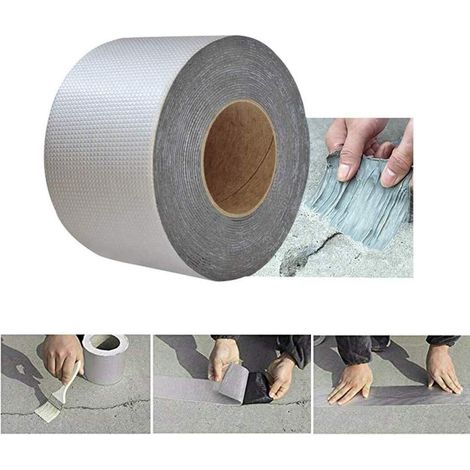
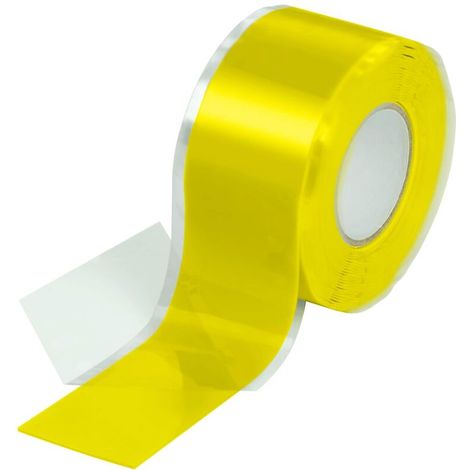
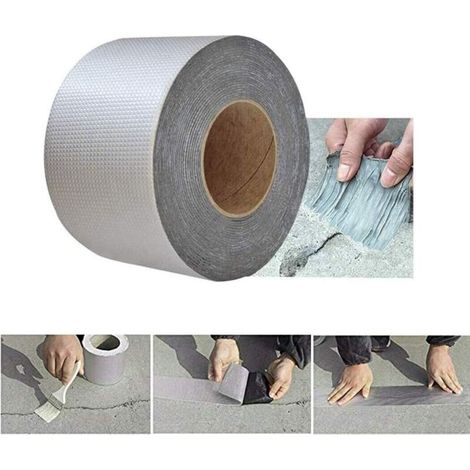
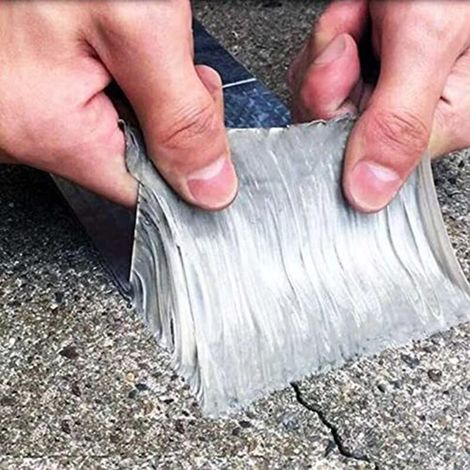
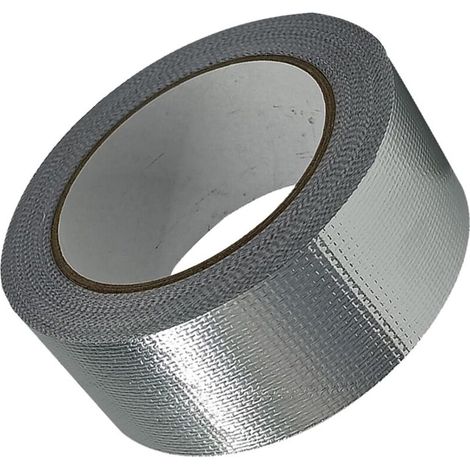
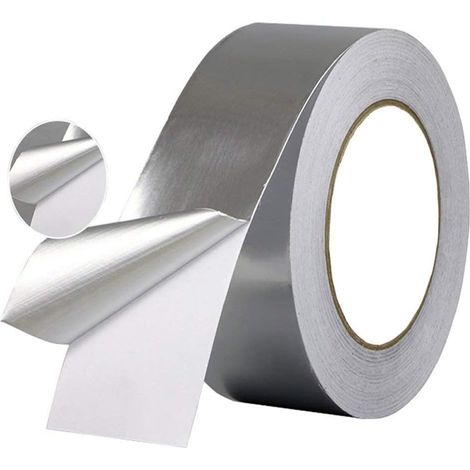
![[NEVER USED] 5cm5M Heavy Duty Waterproof Adhesive Tape (1/4)](https://cdn.manomano.com/pim-media/images/medium/be6adab084c16a096ed317e4fd17eb81dd7603d5.jpg)
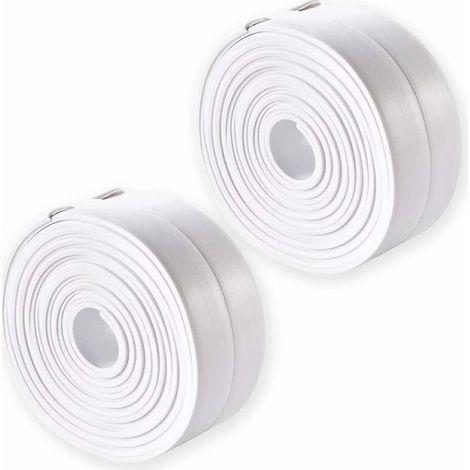
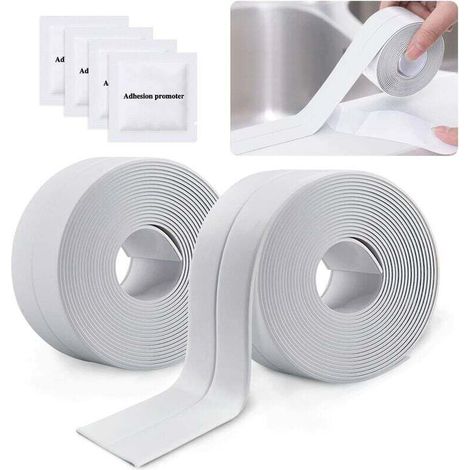
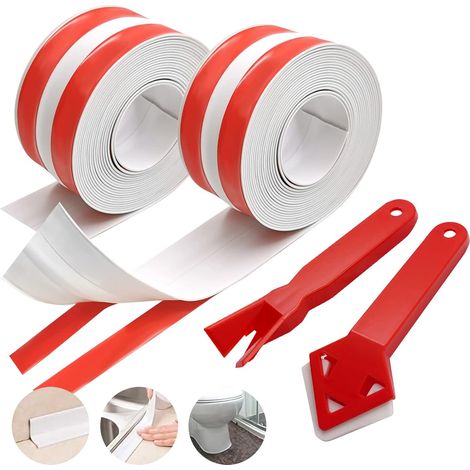
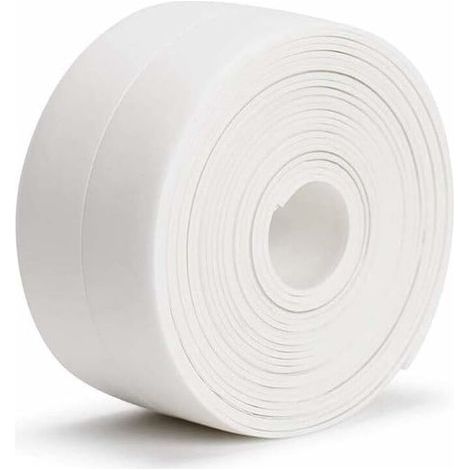
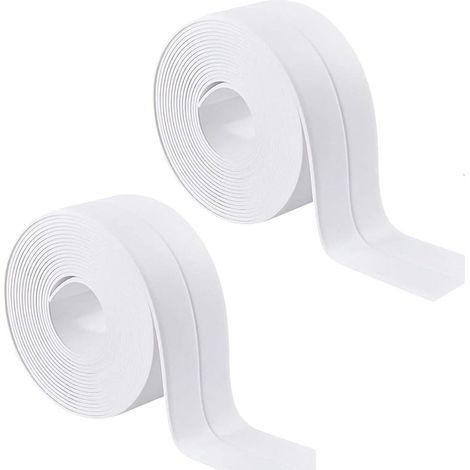
![[NEVER USED] White Silicone Bathroom Sealant, Bathtub Sealant, Waterproof Tape, Anti-Mold and Waterproof, Soft Adhesive Tape Suitable for Kitchen, Toilet, Corner, etc. (1/4)](https://cdn.manomano.com/pim-media/images/medium/f0d61253a79abc64fd0c636882db0f686da544ee.jpg)
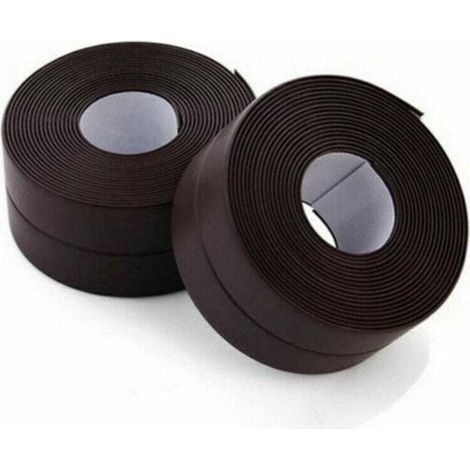
![[NEVER USED] Bathroom sealing roll, white kitchen sealing tape, bathtub sealing, 3m x 2.2cm (1/4)](https://cdn.manomano.com/pim-media/images/medium/a105ccda0f91e21463b39dd7043c7642a0136f78.jpg)


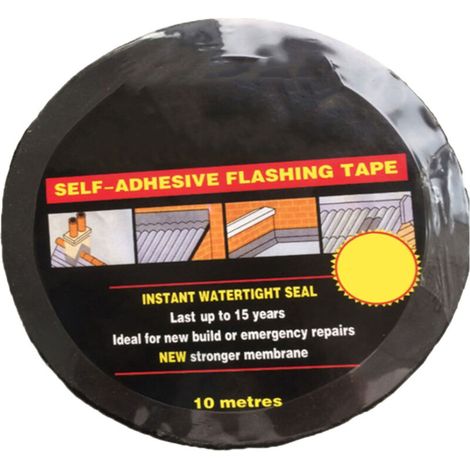

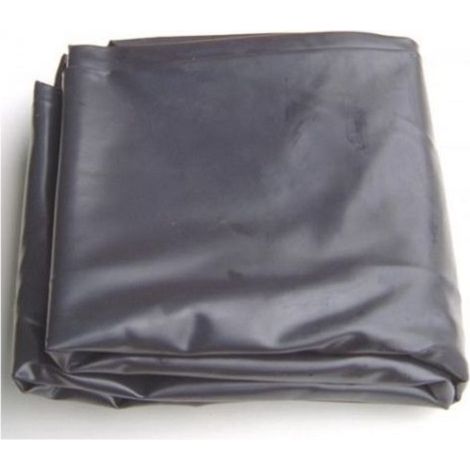

'/%3E%3C/svg%3E)
'/%3E%3C/svg%3E)