Cladding, in terms of buildings, is a covering applied to an external wall. It involves covering an external wall with elements made of wood, plastic, or metal, depending on the desired effect, to protect and primarily insulate it. For the attachment of cladding, it is necessary to first install a structure designed to support it. The cladding assembly elements that make up this structure are available on the market.
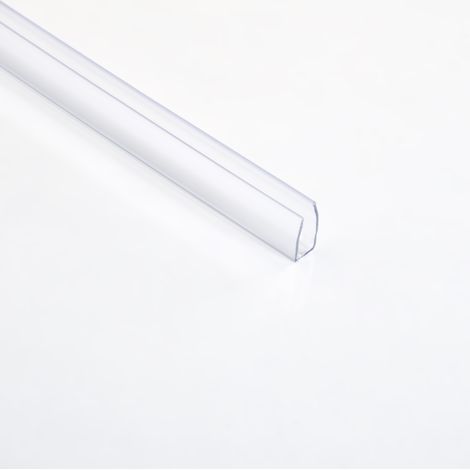
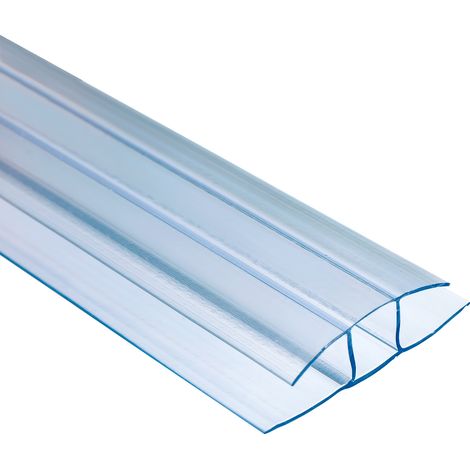
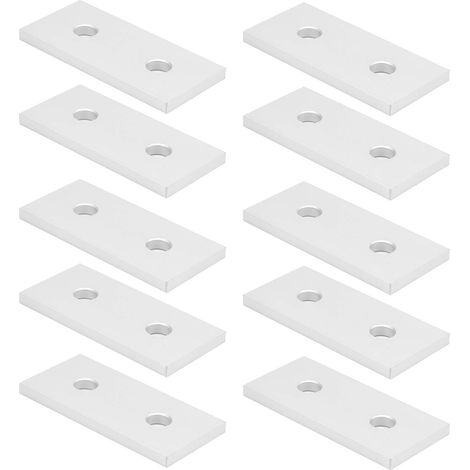
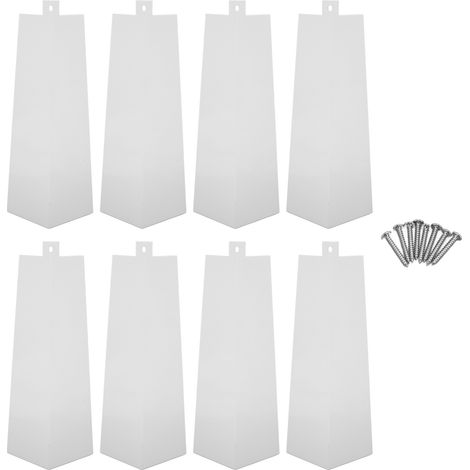
Cladding provides a clear and distinct advantage in terms of aesthetics. However, the primary function of cladding, before making it look nice, is to allow for optimal insulation. Indeed, it enables thermal insulation, which today means undeniable and significant energy savings. Increasingly, architects are using this technique in new constructions and even for renovations. Therefore, there is a huge demand for cladding installation. Apart from the choice of cladding material, which can vary from wood to metal, including PVC and even ceramic, one must consider the fact that cladding requires a solid structure to hold it in place. Thus, cladding assembly elements are found on the market. These truly ready-to-assemble pieces only need to be put together and the cladding attached. These assembly elements are available in the form of profiles. Therefore, we distinguish between starter profiles and corner profiles, which are subdivided into internal or external corner profiles. The most commonly used material for making these profiles is aluminum, but composite wood elements can also be found. In the same product family, there are cladding and roofing fixtures, including cladding panels and boards.

'/%3E%3C/svg%3E)