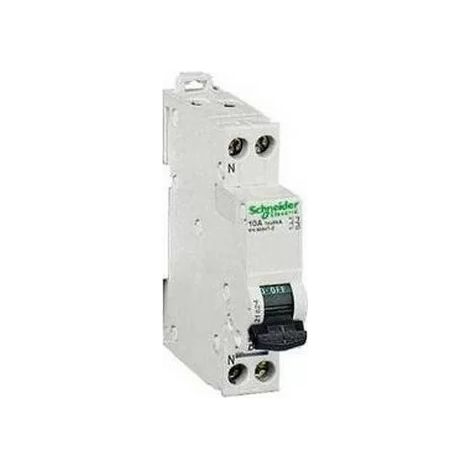
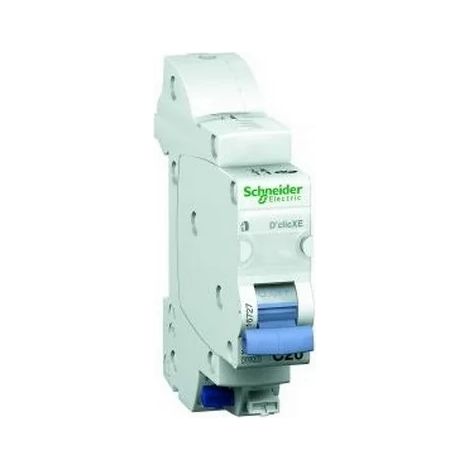
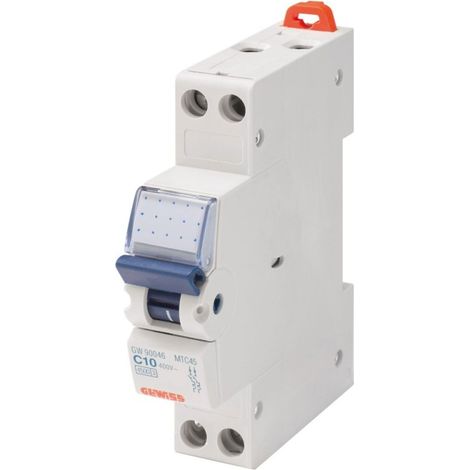
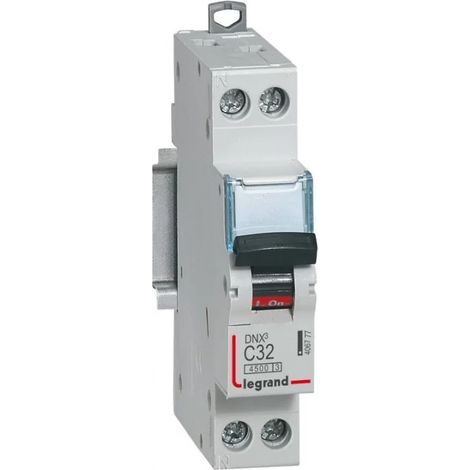
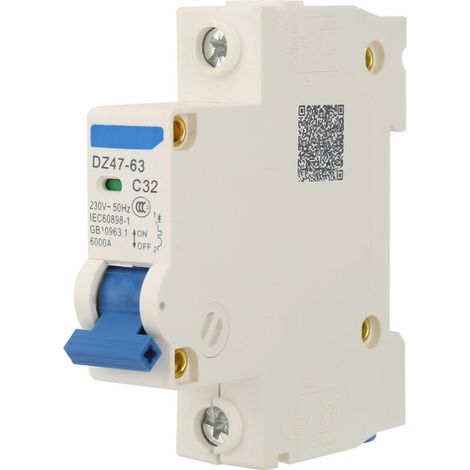
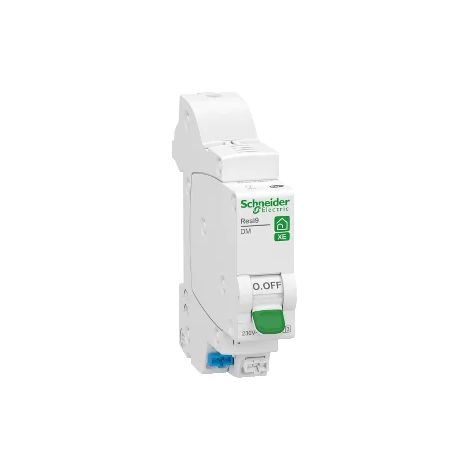
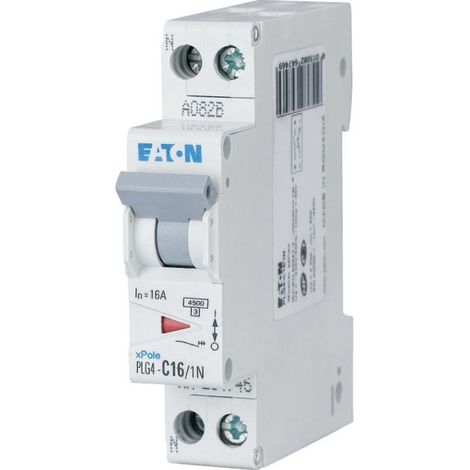
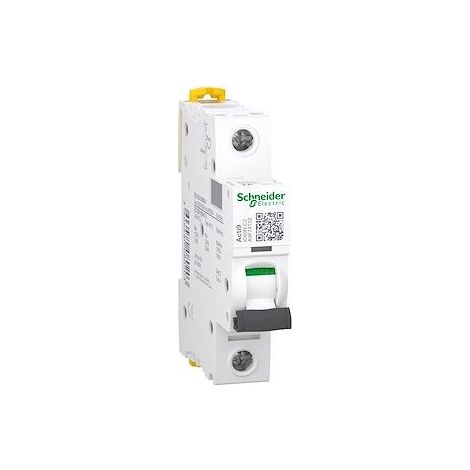
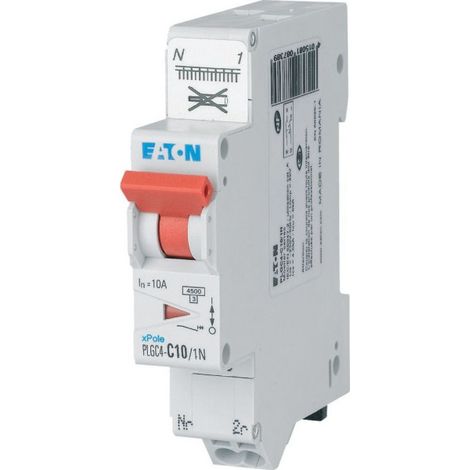
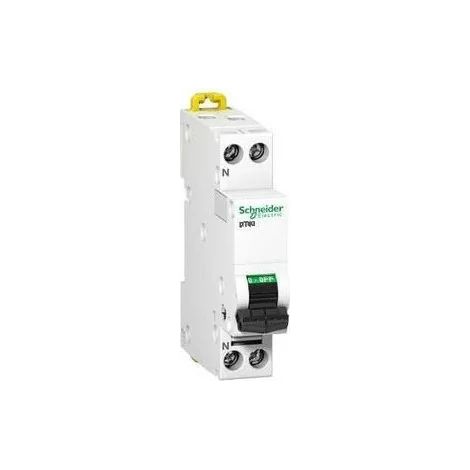
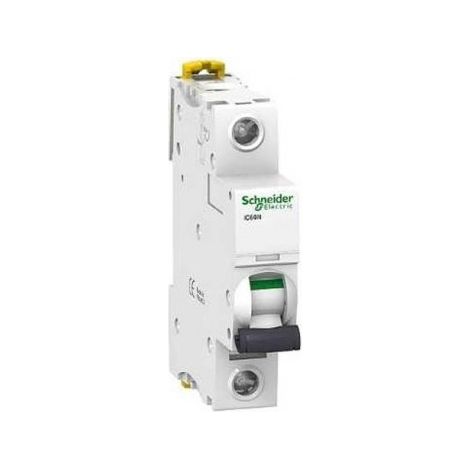
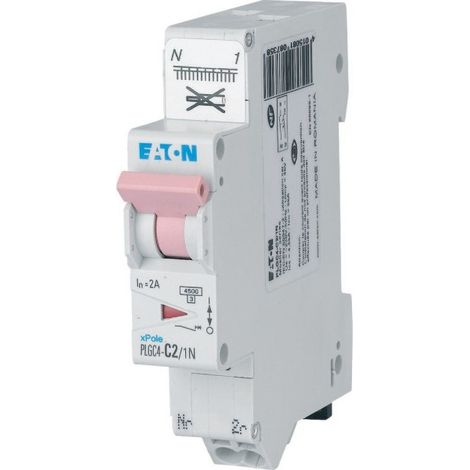
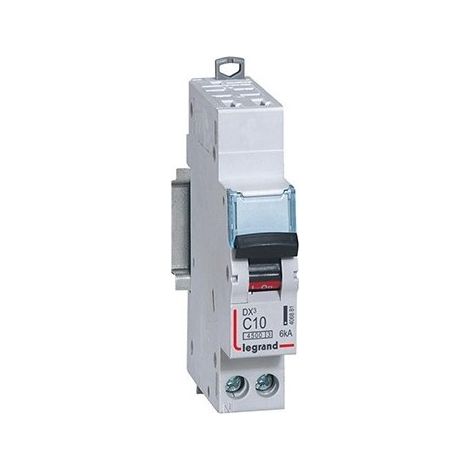
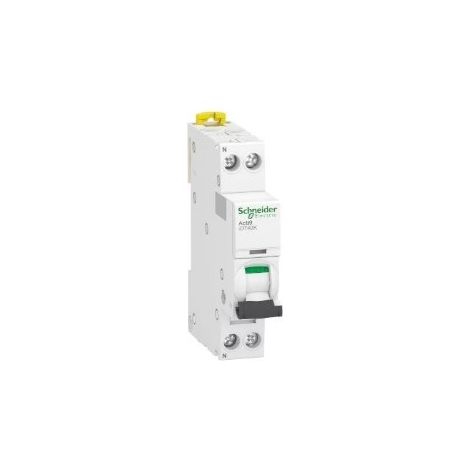
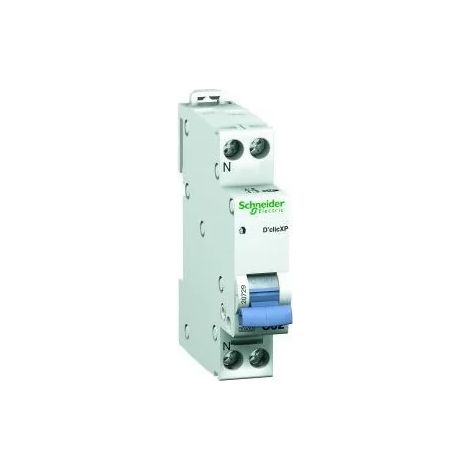
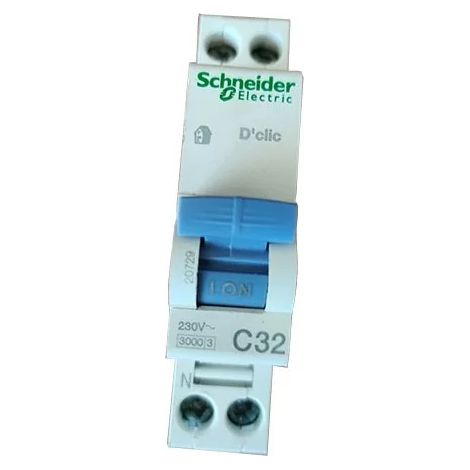
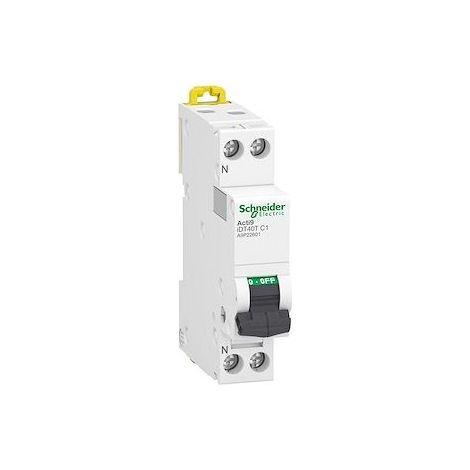
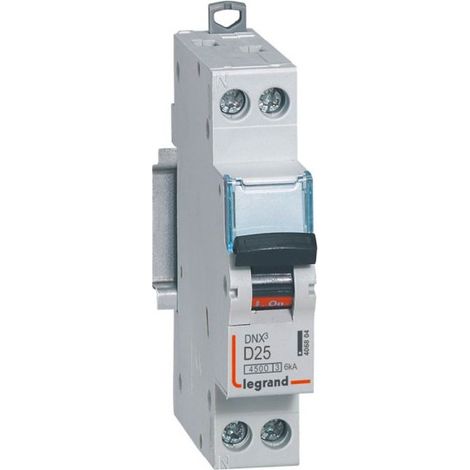
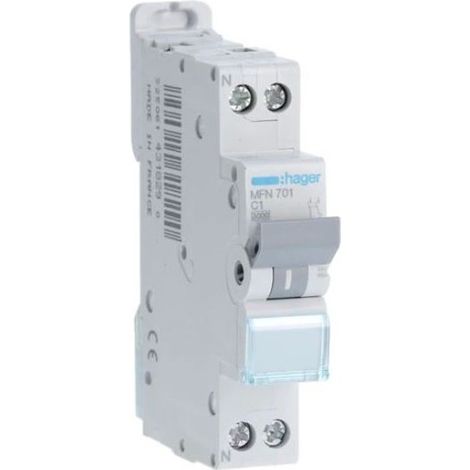
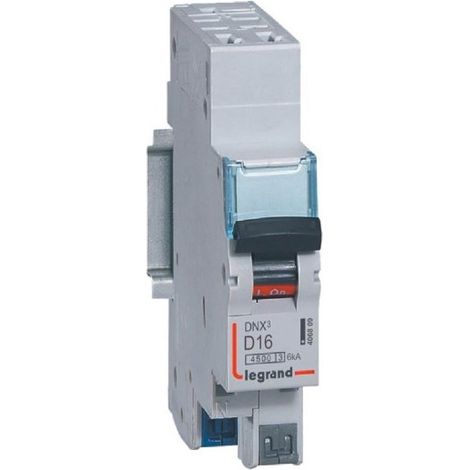
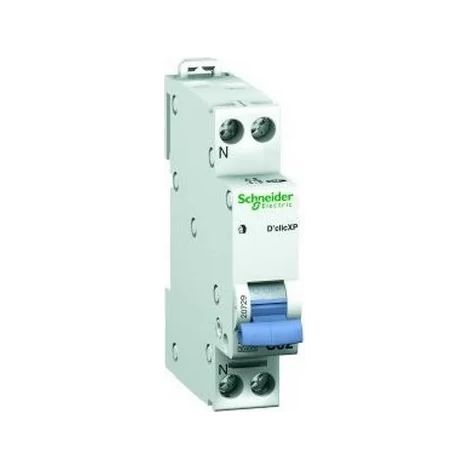
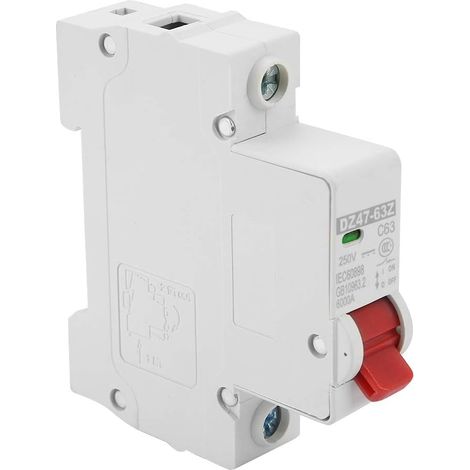
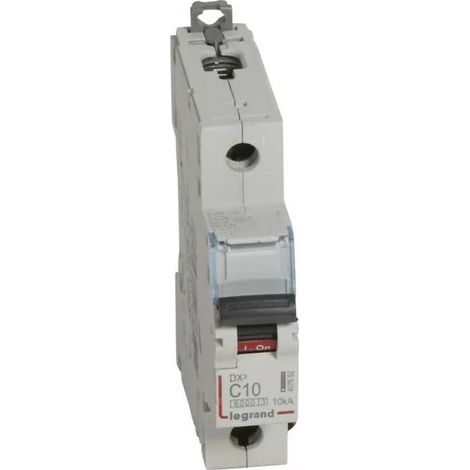
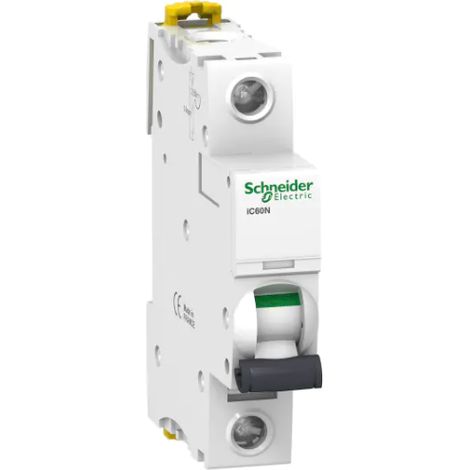
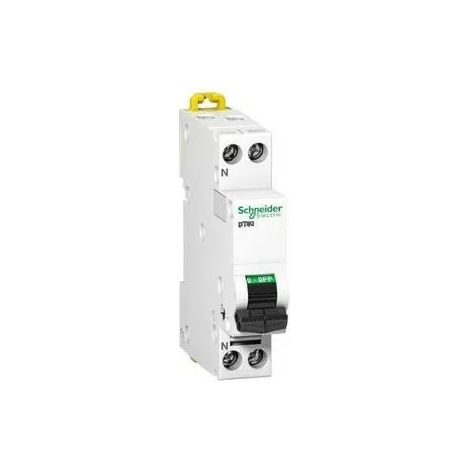
Legrand single-pole circuit breakers are at the best price on our site! Also known as single-pole (+neutral) breakers, they are a safer and more economical solution than fuses. To help you make the right choice, our electrical expert has put together a small tutorial to explain their operation and the difference between them and double-pole circuit breakers.
Essential preamble: do not confuse the EDF subscription with the current of your devices. You can have a three-phase subscription (400 volts) and devices at 230 volts (single-phase) or at 400 volts (three-phase). However, you can only have devices at 230 volts with a classic single-phase subscription (230 volts).
For installation, you need to match:
- the residual current devices to the type of EDF subscription
- the simple (or divisional, those that replace fuses) circuit breakers to the type of current of the device.
Thus, with a three-phase subscription:
- tetrapolar (or three-phase) residual current devices on each line
- single-pole + neutral circuit breakers for devices at 230 volts
- tetrapolar division circuit breakers for devices at 400 volts
For a single-phase subscription:
- single-phase residual current devices (the least wide models) on each line
- single-pole + neutral circuit breakers everywhere, because devices at 400 volts cannot be connected.
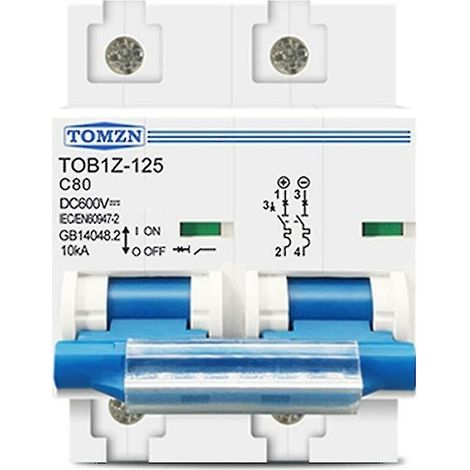
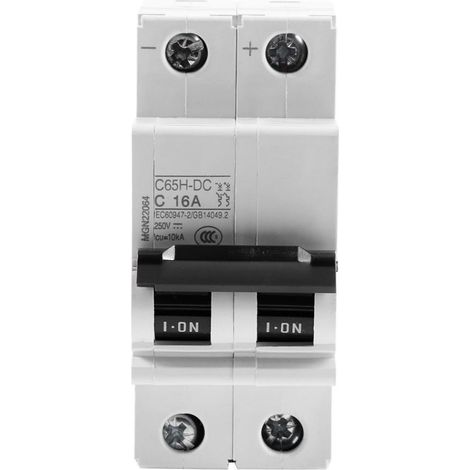
For simple double-pole circuit breakers, their use is limited to a few very specific devices (pumps, motors) with a two-phase supply that the general public will never use.
Now let's get back to our single+n breakers!
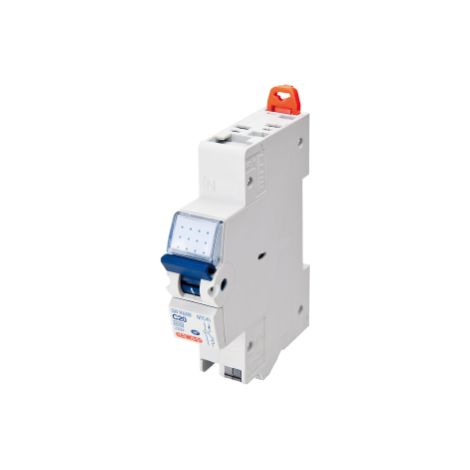
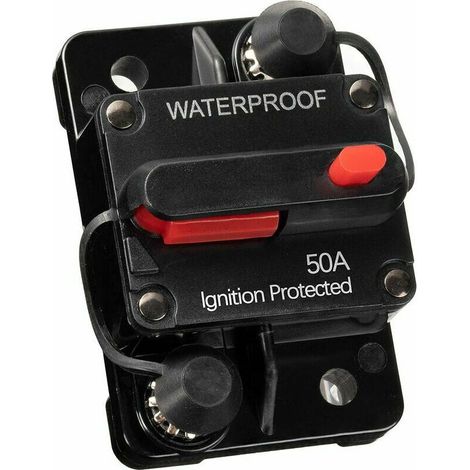
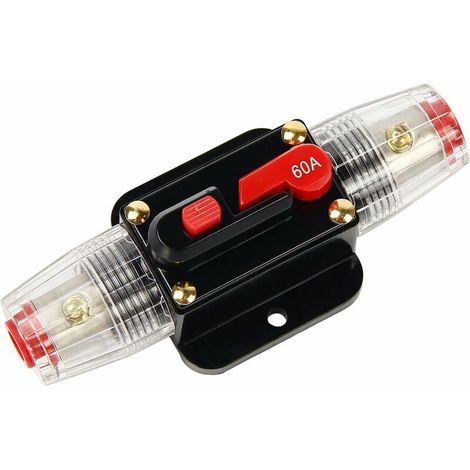
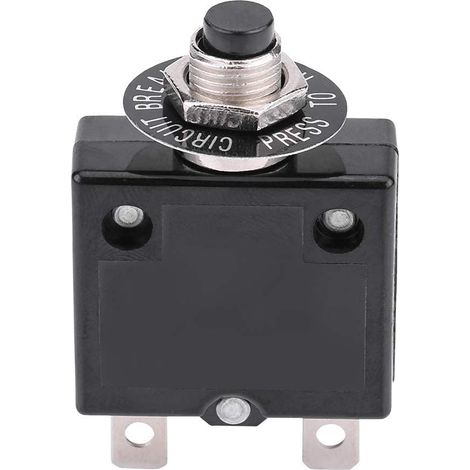
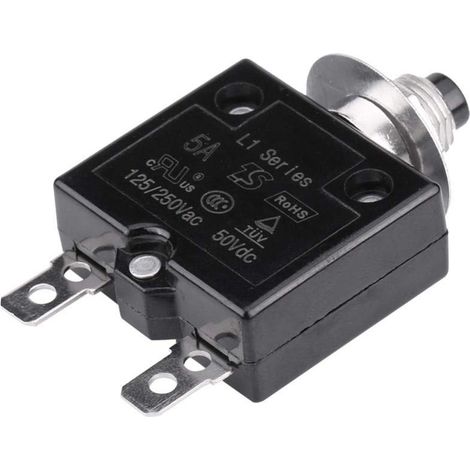
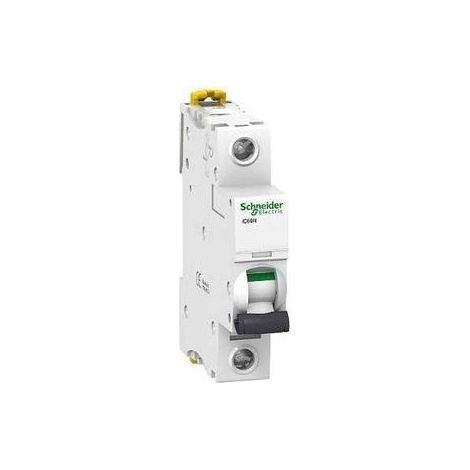
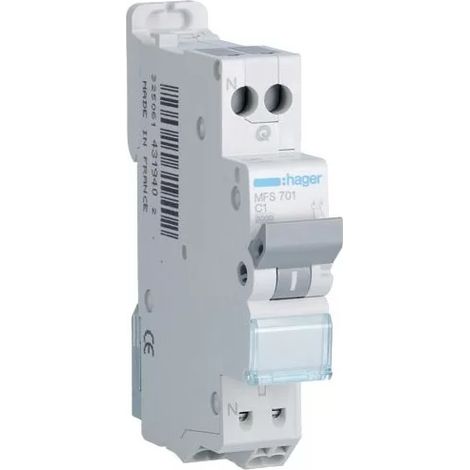
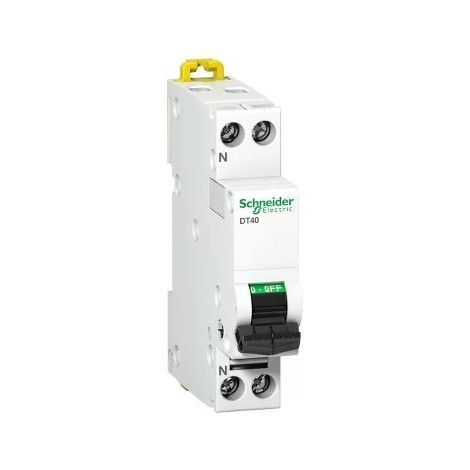
First, let's remind ourselves what they are. They are an electrical protection device against short circuits and overheating. When it detects one of these malfunctions on the circuit where it is connected, it automatically cuts it off by switching to the OFF position. Thus, the other electrical devices in the circuit and the circuit itself are spared, and you are protected from the risk of potential fires and electrocution.
This role was previously fulfilled by circuit breakers equipped with fuses, which burned out with each short-circuit. The advantage here is that you can immediately see which circuit has been cut by the position of the switch, and that the circuit breaker is reusable after a fault.
According to the NFC 15-100 standard that your installation must comply with to be connected to the ERDF network, your electrical protection must cut both phase and neutral to correctly cut the current. This is indeed the case with these products, even if they have only one pole: they all have a neutral with them.
Thus the main difference with double-pole circuit breakers is their resistance to very high currents. Therefore, some devices, such as motors and pumps, which have power peaks at startup, require specific circuit breakers like double-pole models with curve D.
Among the different models in our range, you will see different ratings, measured in amperes. To make your choice, make sure to check the power output of your device to be protected. Generally, secondary circuits are connected on 10 A (the VMC, energy managers). For 16 amperes, standard 16A sockets like the refrigerator and electronics, and lighting are connected. The dryer, washing machine, oven, freezer, and dishwasher go on 20A. Only cooking appliances will go on 32A. But don't worry, this is specified on each product sheet to avoid mistakes!
For installation, make sure to turn off the meter beforehand, then check where the power input and output are: top or bottom, and what type of connection: screw or clip. Once the module is connected, you just need to restart your meter, and you're good to go!
For any additional questions, our electrical expert is at your disposal and promises to respond at lightning speed!















'/%3E%3C/svg%3E)