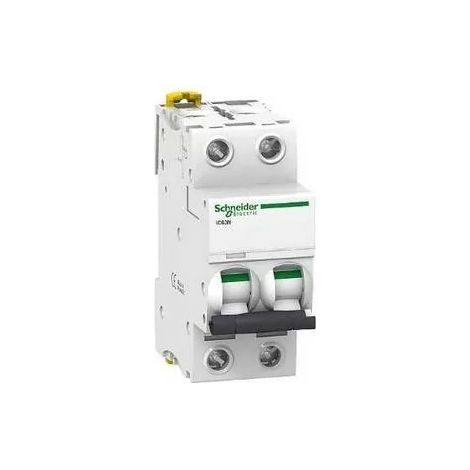
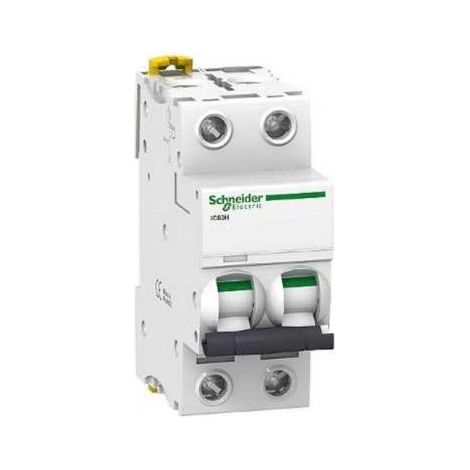
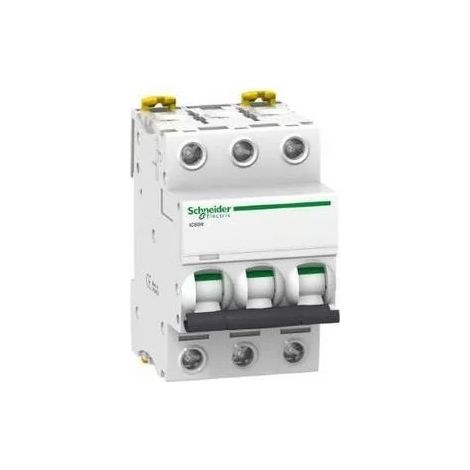
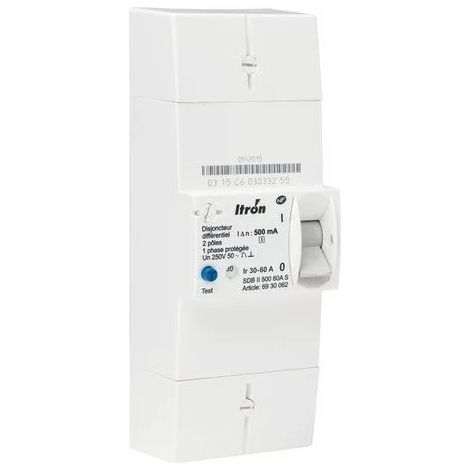
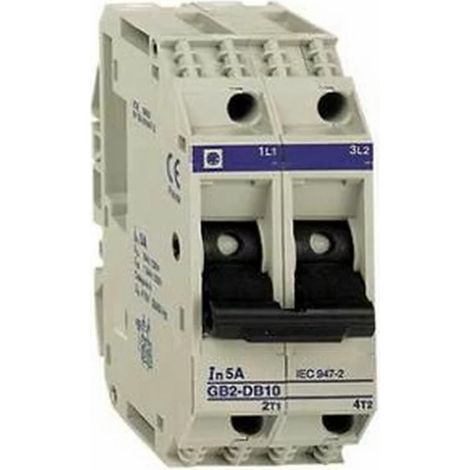
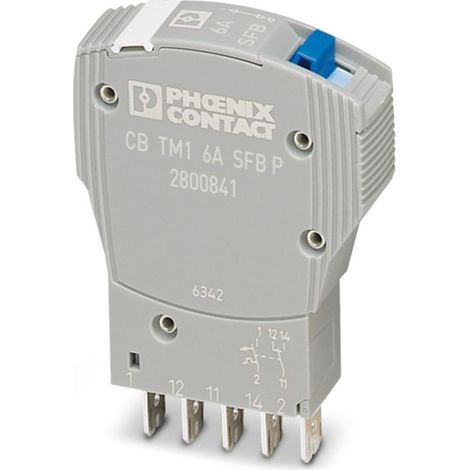
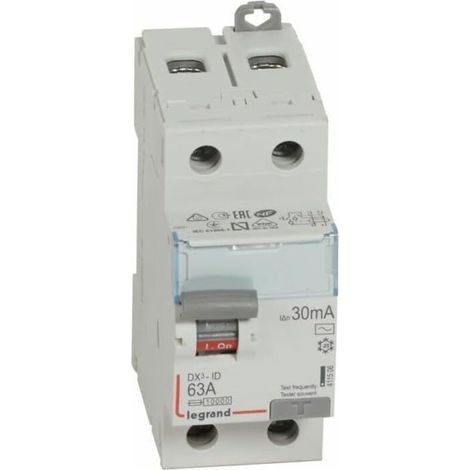
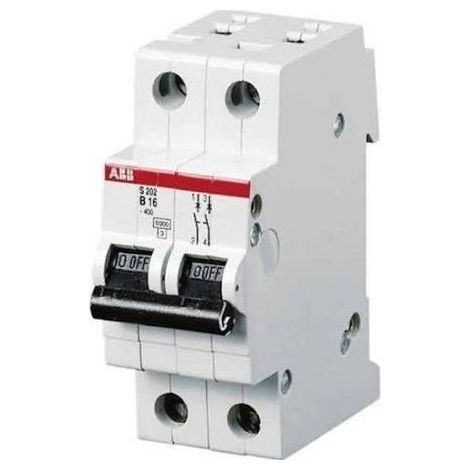
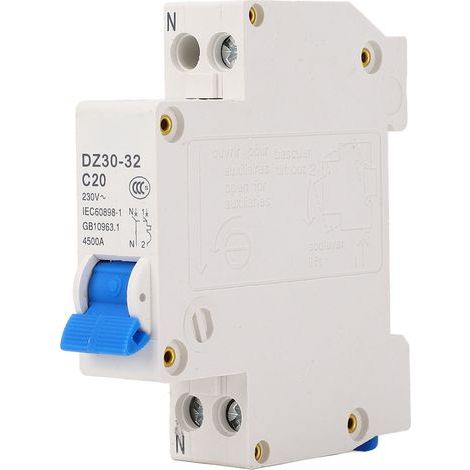
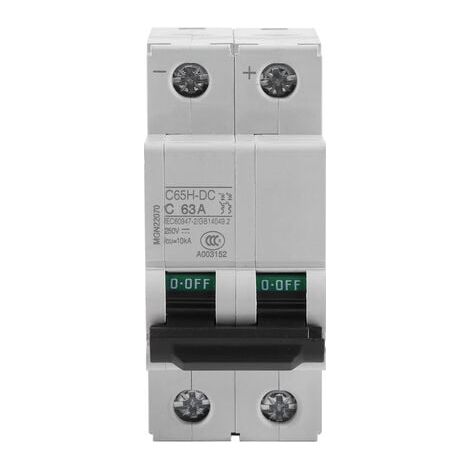
Discover the best in electrical protection with our Legrand bipolar circuit breakers, at an ultra-competitive price! The whole range of amperages is available, so don't hesitate any longer! 20A, 63A, curve C, curve D, are these terms foreign to you? Don't panic, our electrical expert will shed some light so that you can make the right choice.
Before getting into the details, you should know that it's important to differentiate between your EDF subscription and the type of current your devices use. With a three-phase subscription, you can have 230-volt and 400-volt devices. With a standard single-phase subscription, you can only have 230-volt devices.
As for installation, know that the choice of differential depends on the type of subscription, while the choice of a simple breaker depends on the type of device to be connected.
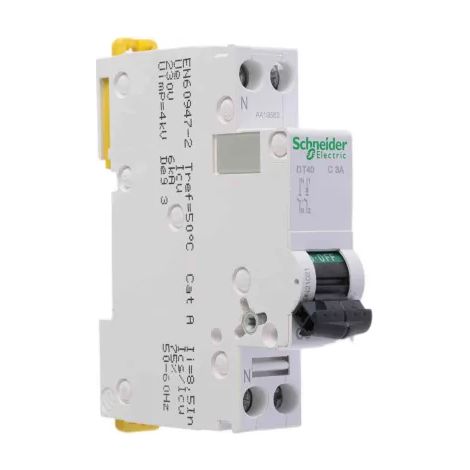
So, for a single-phase subscription, you will only have single-phase differential switches and uni+n breakers.
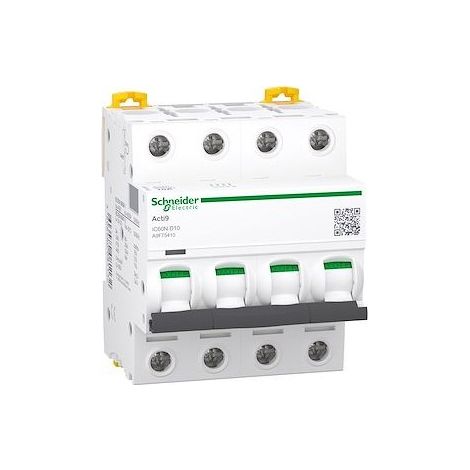
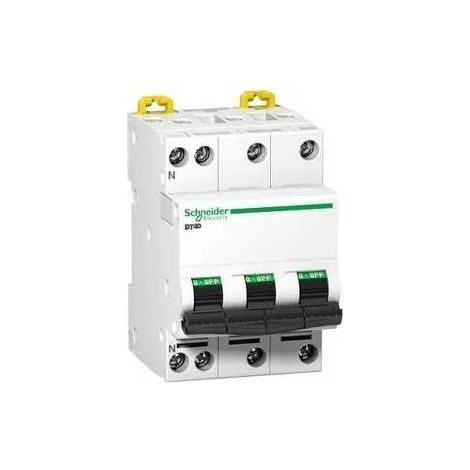
For a three-phase subscription, you will systematically have tetrapolar differential switches. Breakers will be uni+n for 230-volt devices, and tetrapolar for those operating on three-phase current.
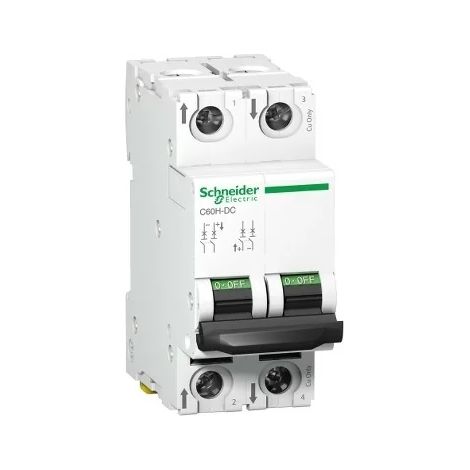
Let's now return to 2-pole breakers!
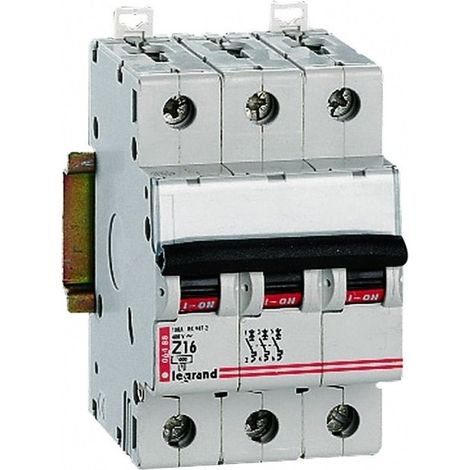
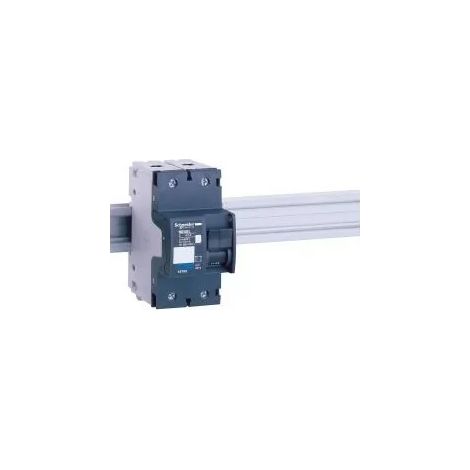
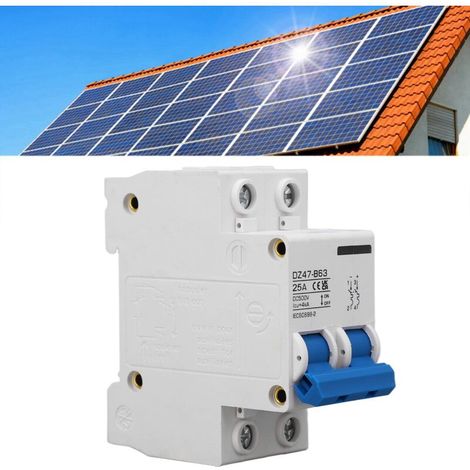
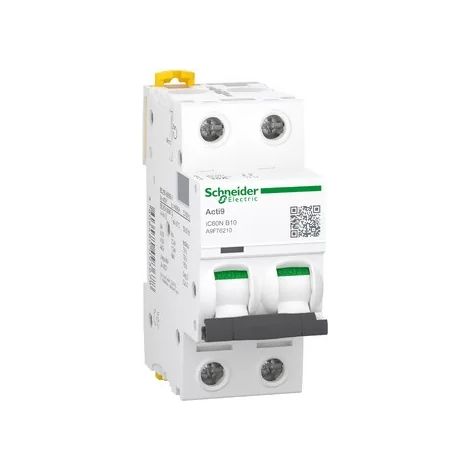
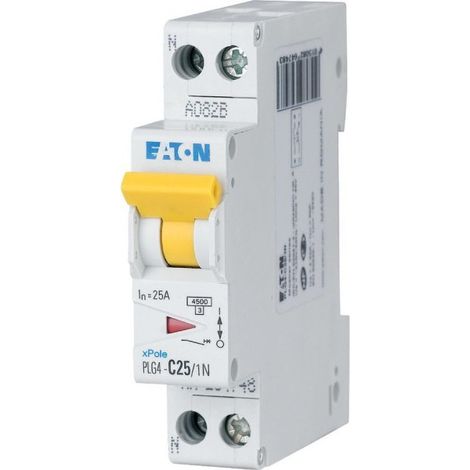
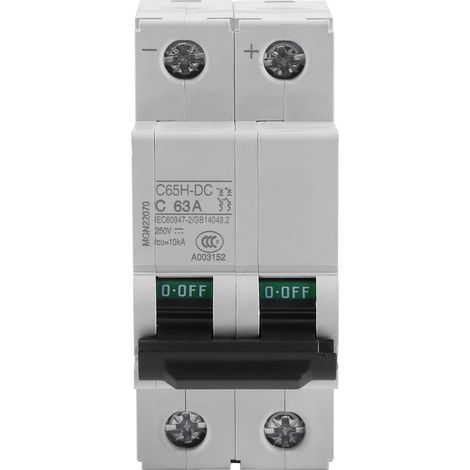
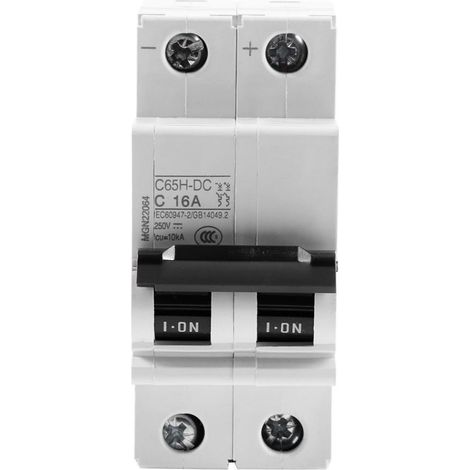
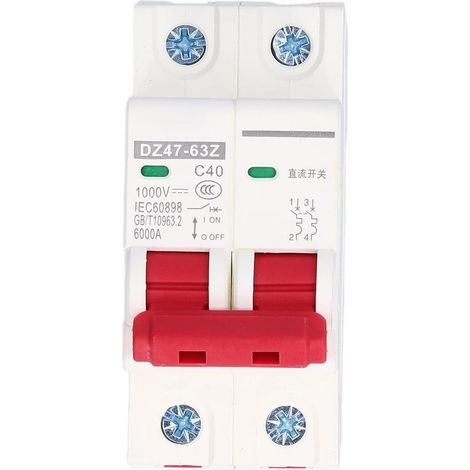
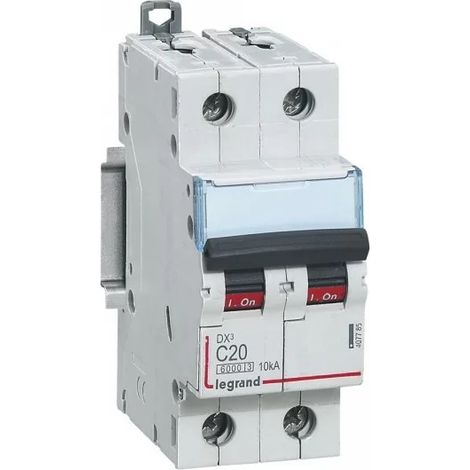
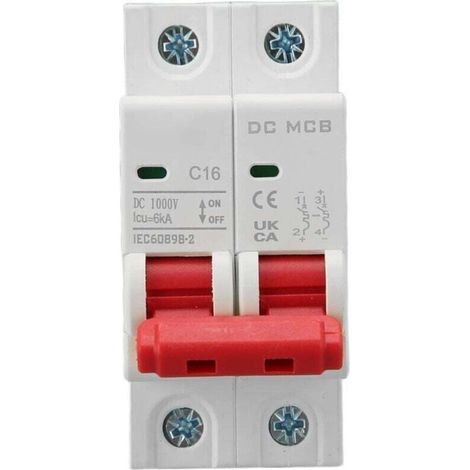
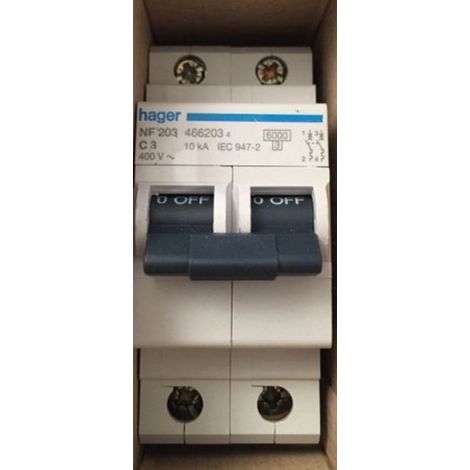
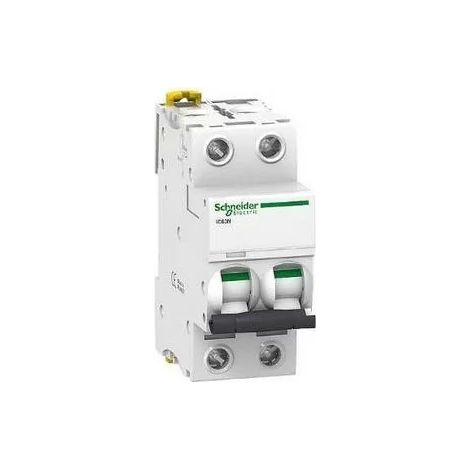
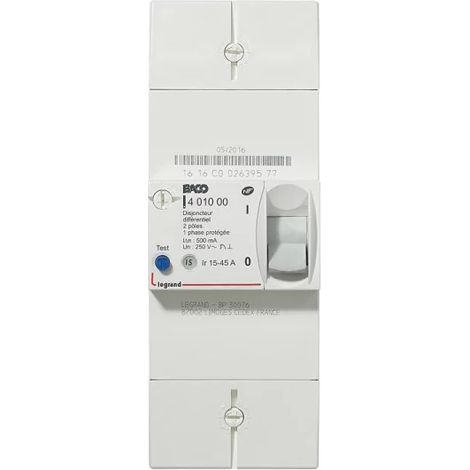
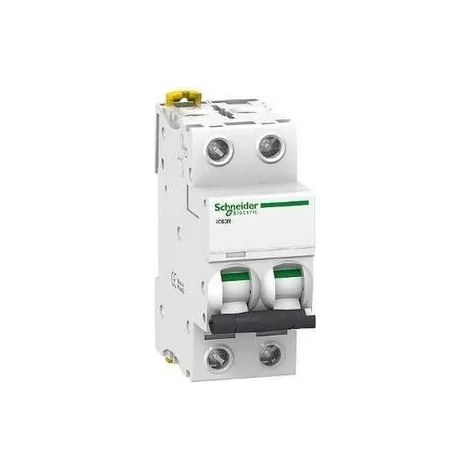
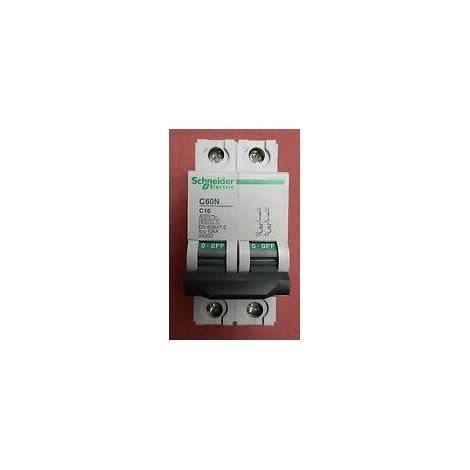
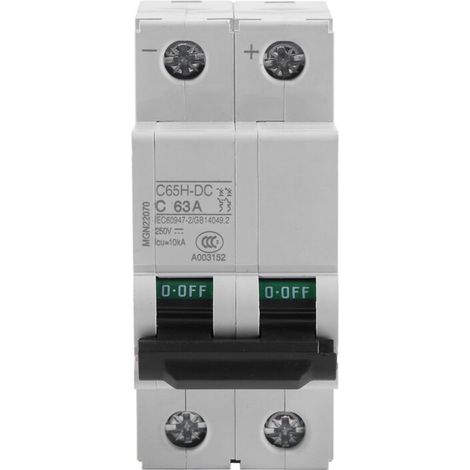
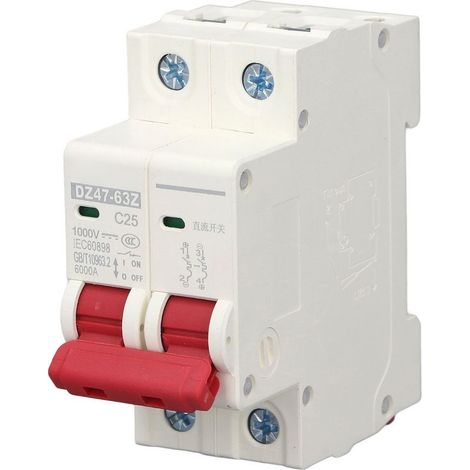
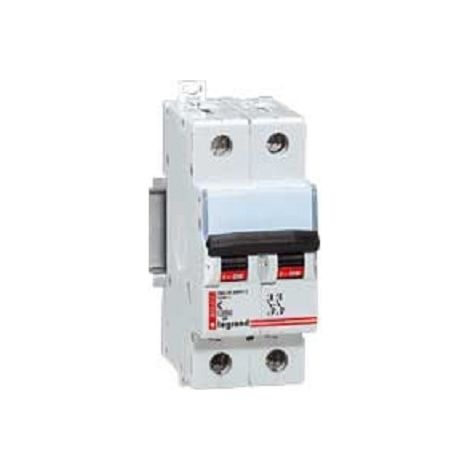
This product protects your electrical devices against short circuits and overheating, just like a traditional fuse. So why pay more? First of all, with a bipolar breaker, you can immediately see if it has tripped or not, thanks to the position of its tab. And most importantly, it is more economical in the long term because it is reusable after a fault.
As for the difference with unipolar breakers with neutral, it is more subtle. Both operate in the same way and protect from the same electrical risks. The advantage of bipolar devices is their resistance to very high currents, especially those of curve D. We advise these models for connecting devices that naturally generate a surge current at startup, like motors. You will find this information in their description, as they generally have a higher breaking capacity. However, be aware that they take up two slots on your electrical panel.
Regarding connection, once the meter is off, just check which way the input and output go, and how: by screw or by clip. Here again, all this information is specified in the product descriptions.
When choosing the maximum amperage, or rating, the rule remains the same: 10A for secondary circuits (servitude panel...), 16A for 16Amp sockets and lighting, 20A for the laundry room, and 32A for cooking appliances among others.
All that's left is to wish you a good visit! We remain at your disposal if you have any questions.











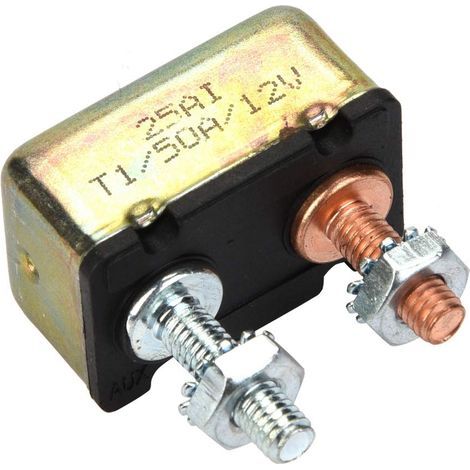
![Marine Universal Automatic Reset Circuit Breaker 12/24V with Metal Cover [20A]. (1/5)](https://cdn.manomano.com/pim-media/images/medium/41a16907eac9e7cdc105c6151d3852d8467f4d82.jpg)




'/%3E%3C/svg%3E)