Essential in swimming pool maintenance, water analysis determines the level of disinfectant, the water hardness, and various pH fluctuations. Each substance must be carefully monitored and adjusted regularly. Therefore, there are different methods for monitoring a swimming pool's water parameters:
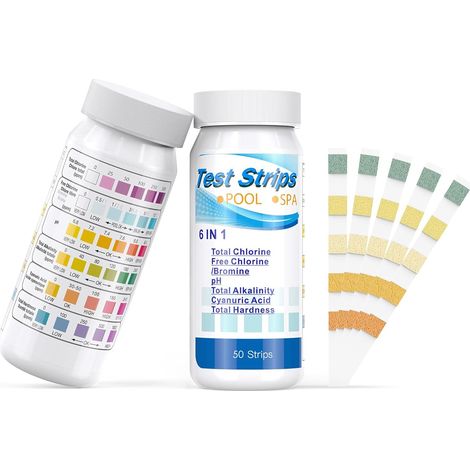
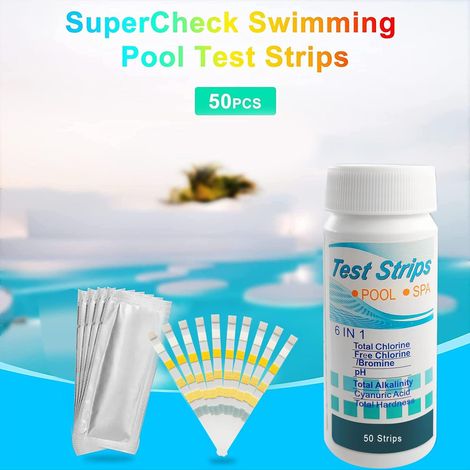
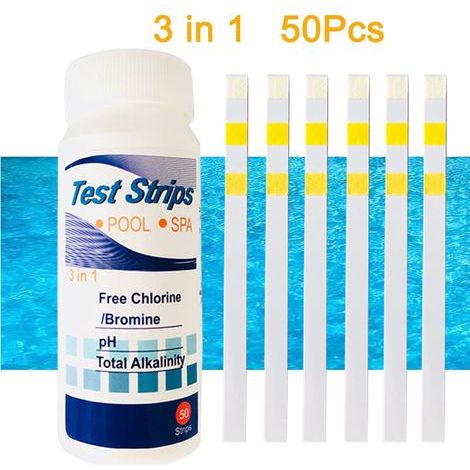
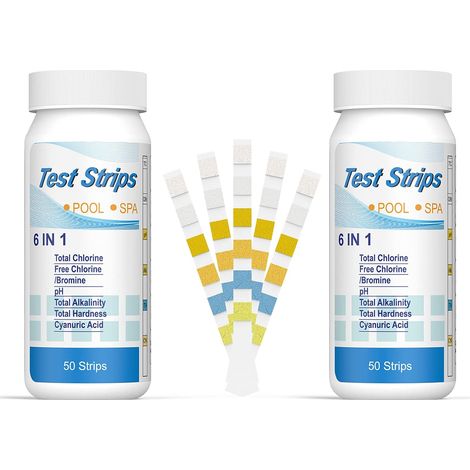
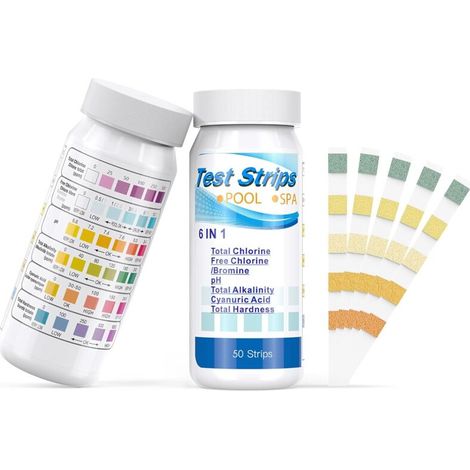
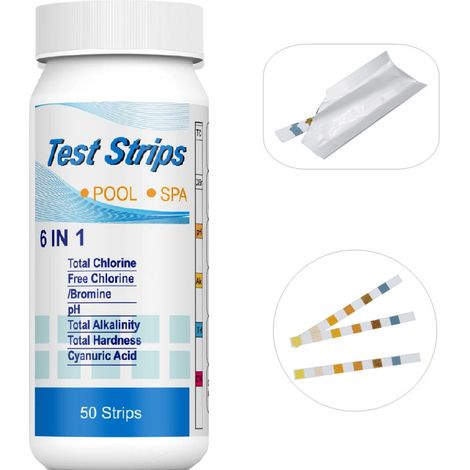
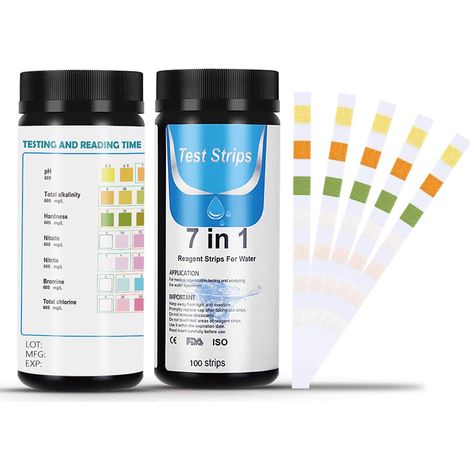
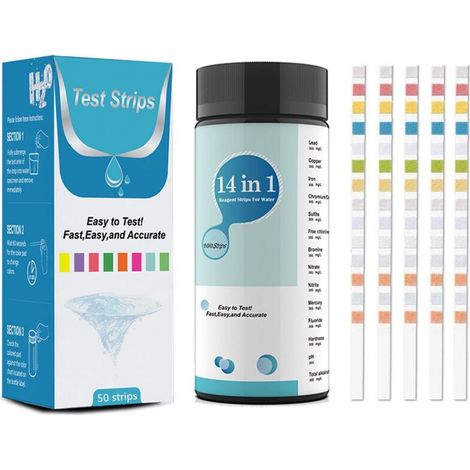
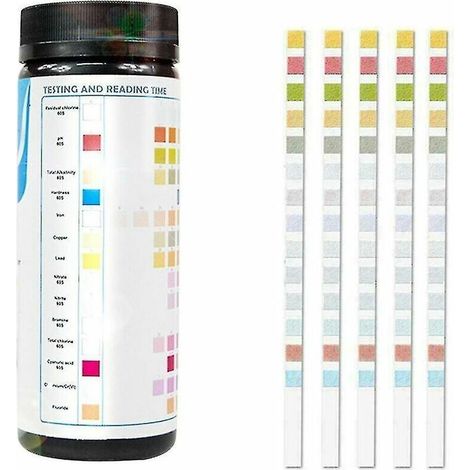
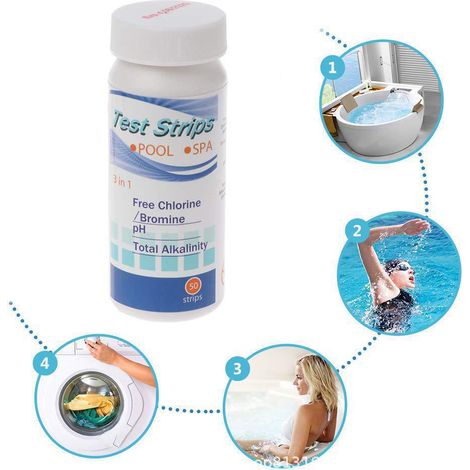
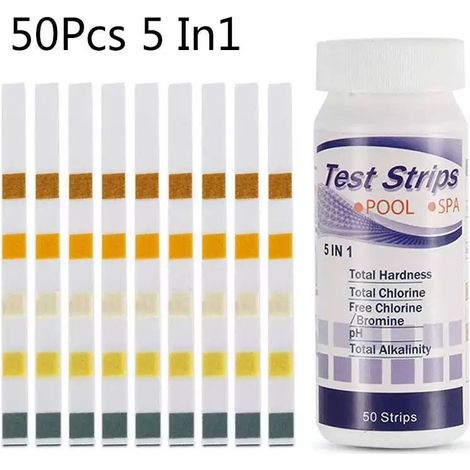
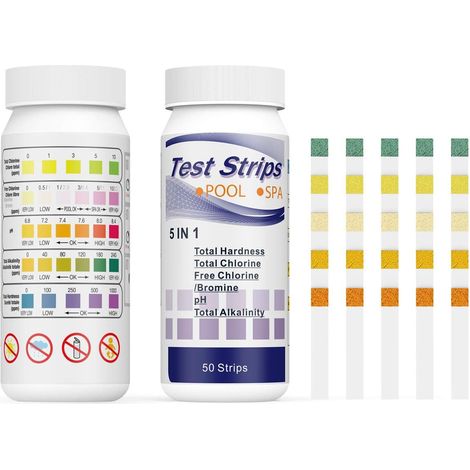
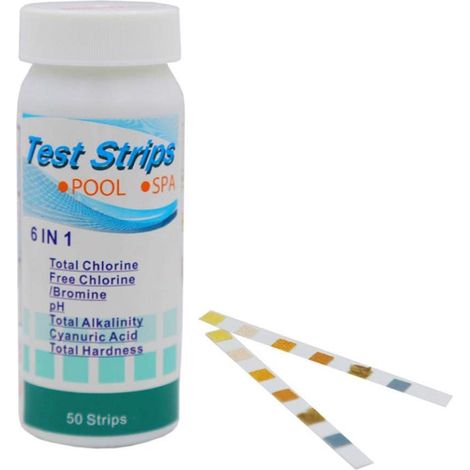
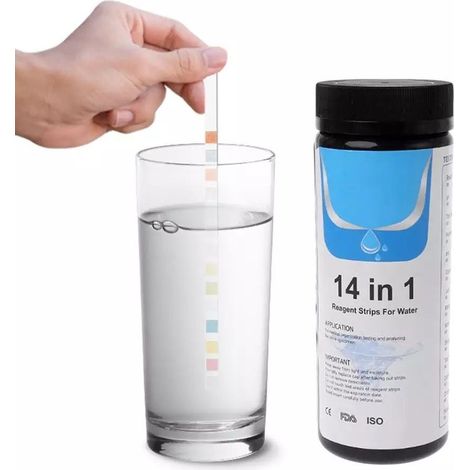
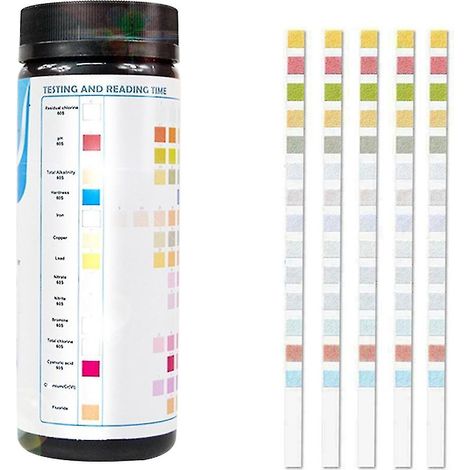
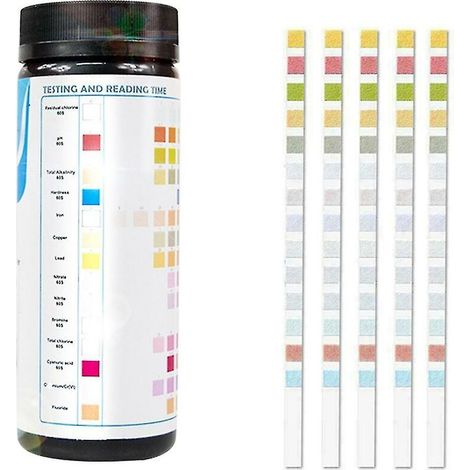
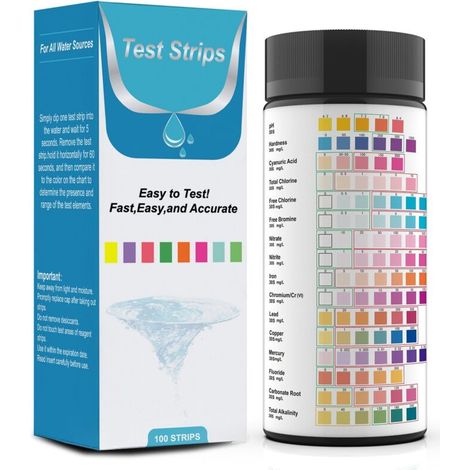
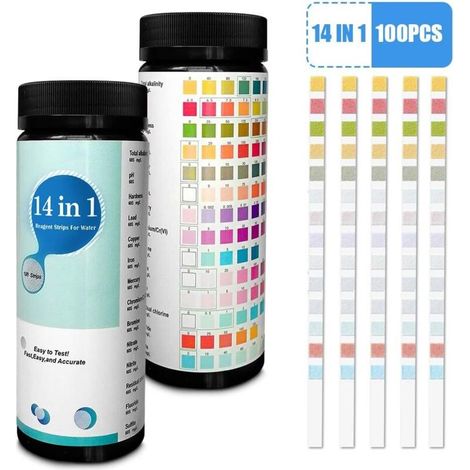
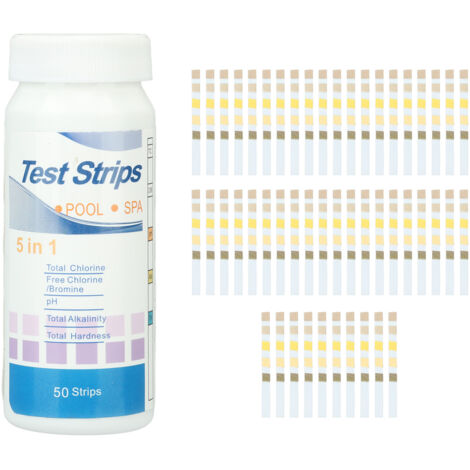
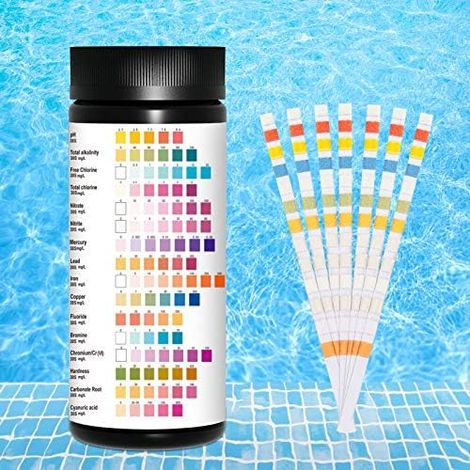
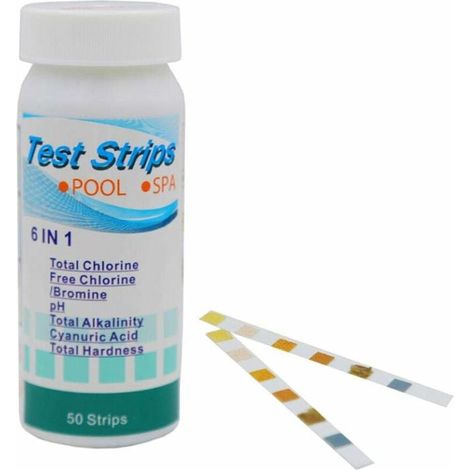
- test strips;
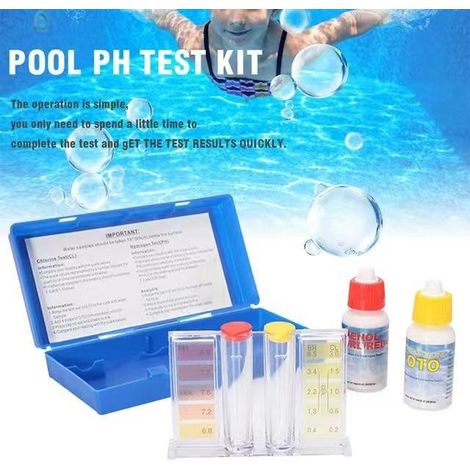
- analysis kits;
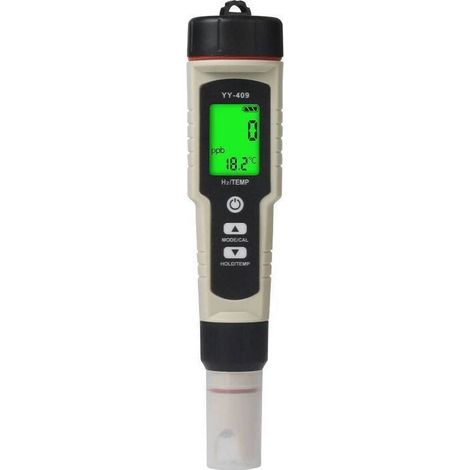
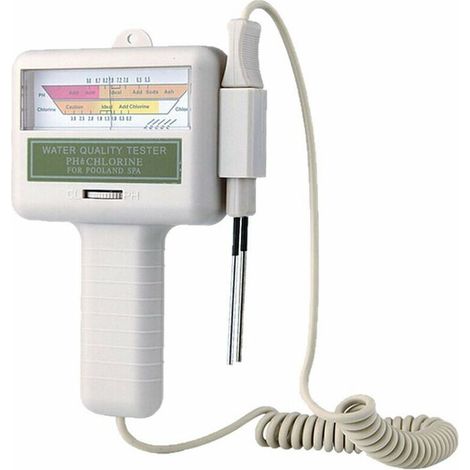
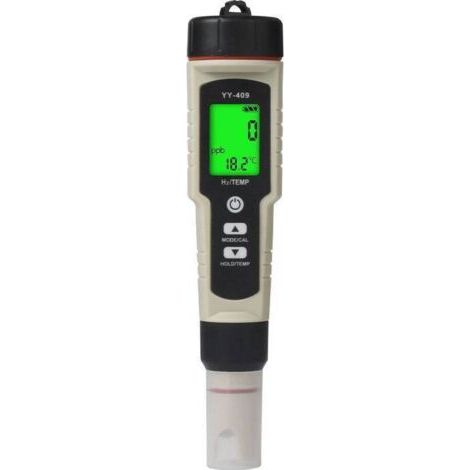
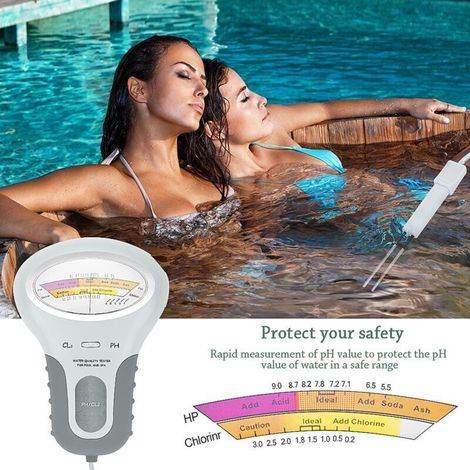
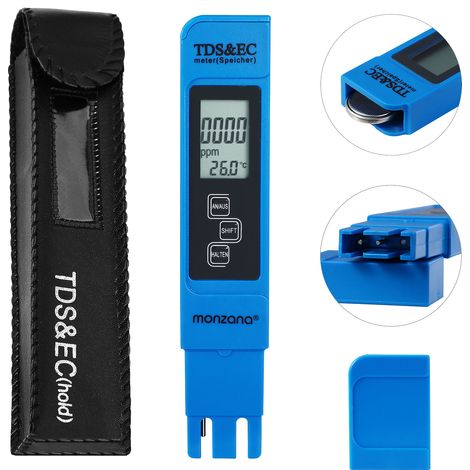
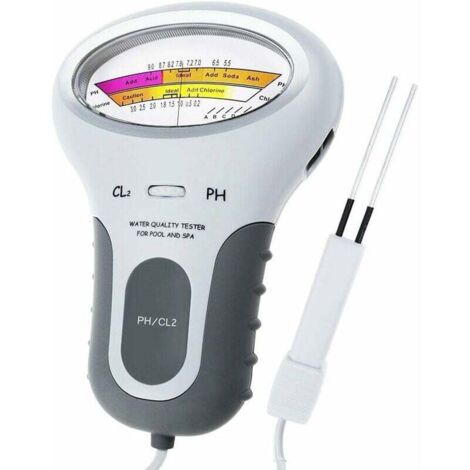
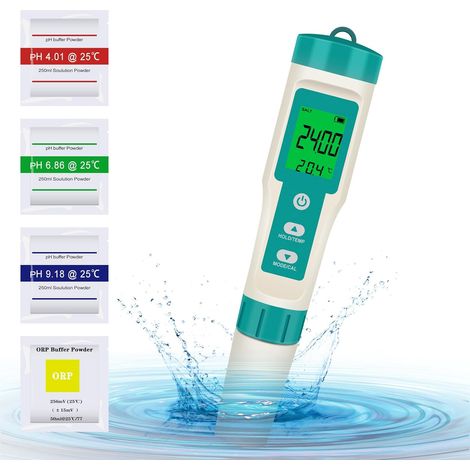
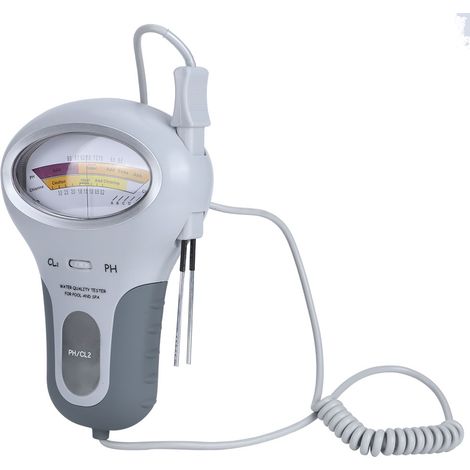
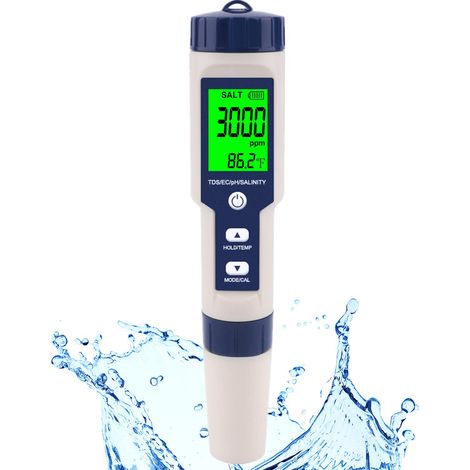
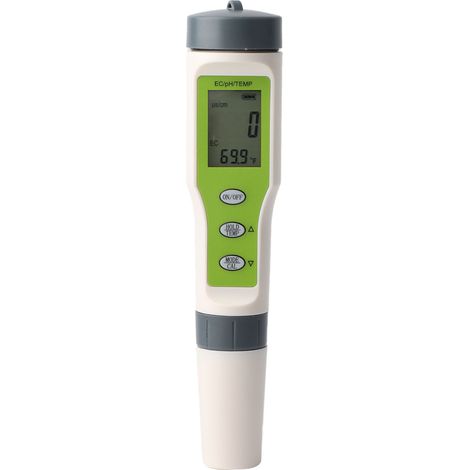
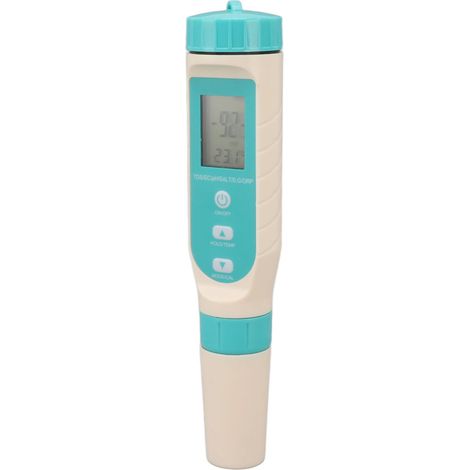
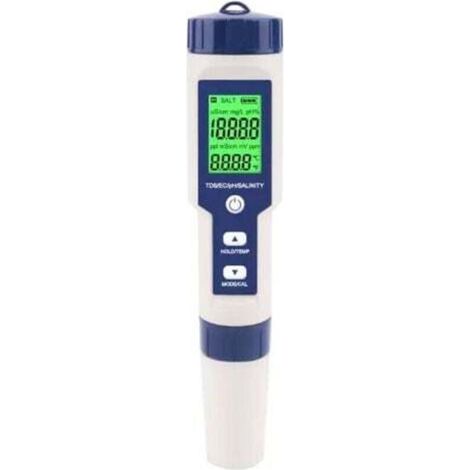
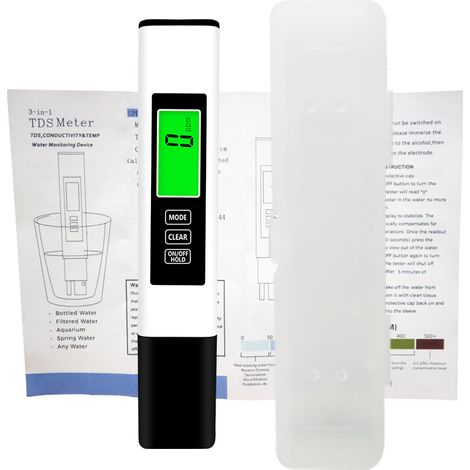
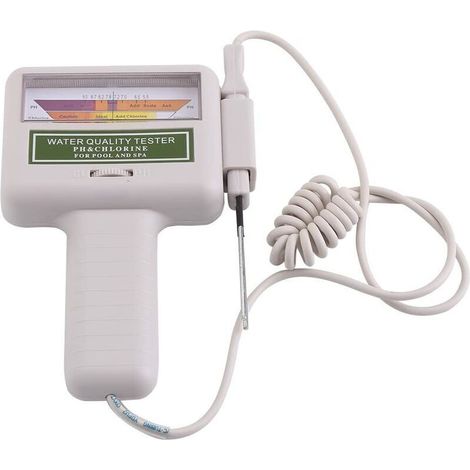
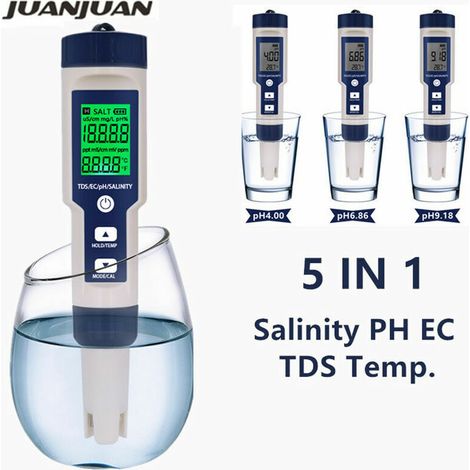
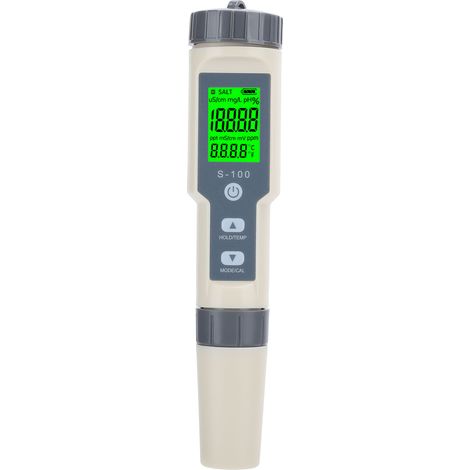
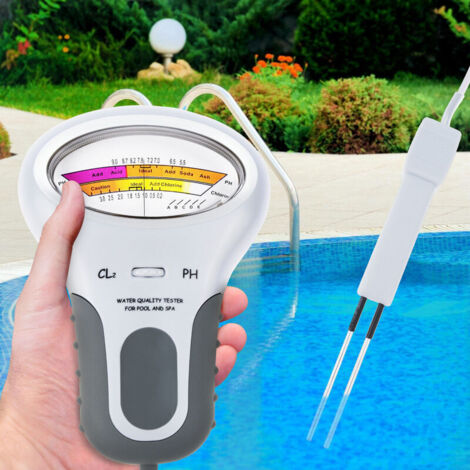
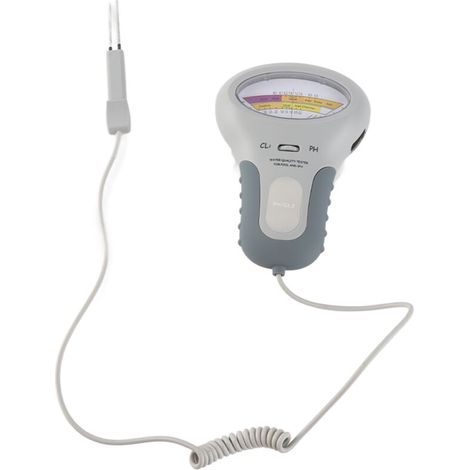
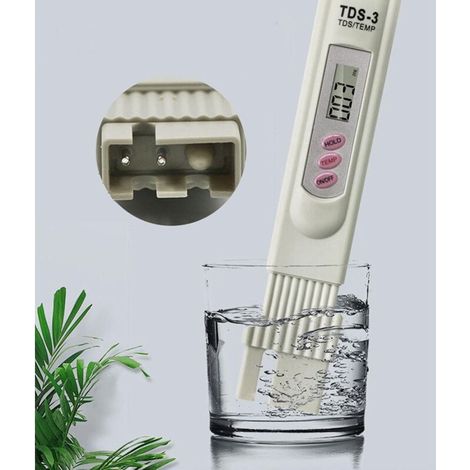
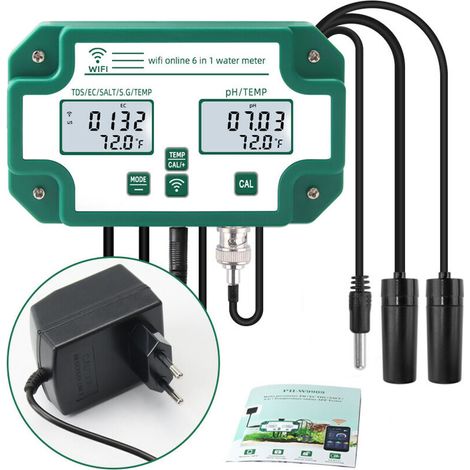
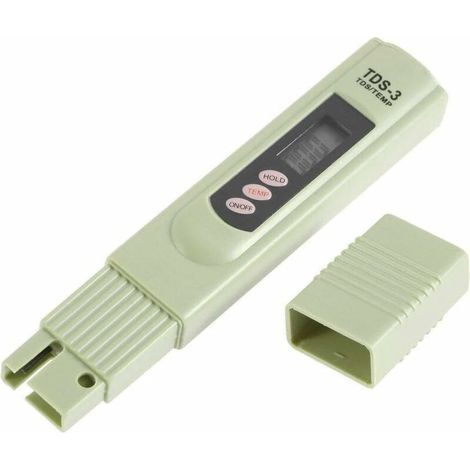
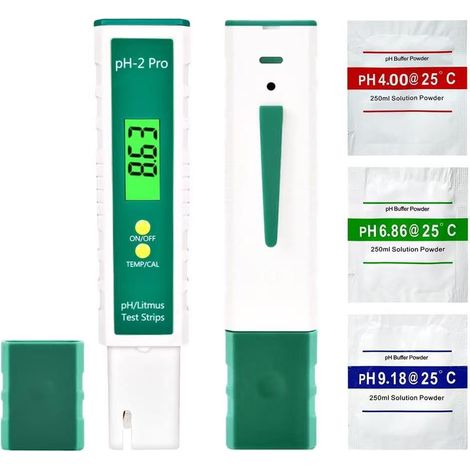
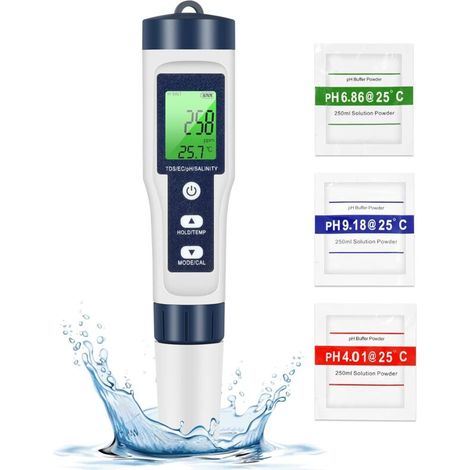
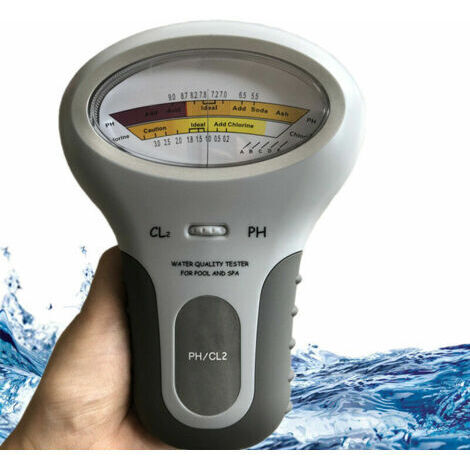
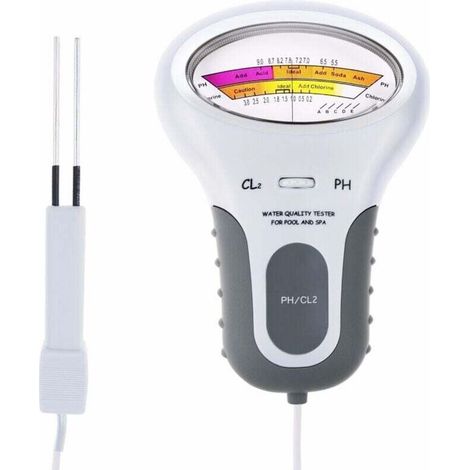
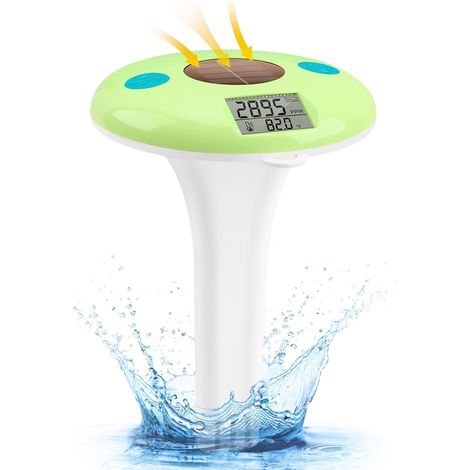
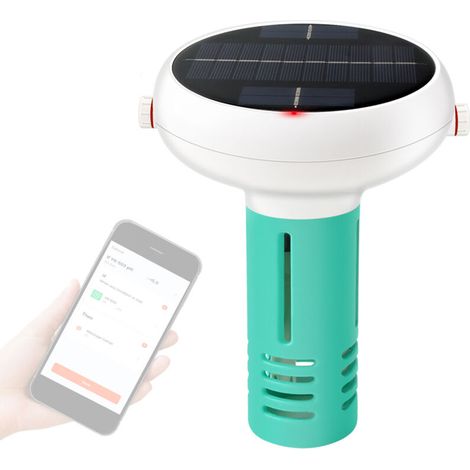
- electronic tester;
- tablets;
- analytical strip.
Analyzing swimming pool water requires three distinct steps:
- sampling: it is necessary to take a small amount of water, making sure to remove the water at the surface;
- diagnosis: it is carried out with the different water analysis devices for a swimming pool;
- interpretation of results.
Regular analysis of swimming pool water ensures swimming in clean and healthy water. It also helps to maintain the equipment used for the pool's operation. Indeed, it is a water quality control based on different parameters:
- the water's pH: it should be neutral to not irritate swimmers' skin, that is, between 7.2 and 7.8;
- the disinfectant level: the levels of salt, chlorine, or bromine vary depending on the type of treatment used;
- the water's titrimetric hardness: when the water is too hard, limestone can damage the equipment. The ideal hardness is between 10 and 25°f.
It is recommended to analyze the swimming pool water at least once a month to determine the titrimetric hardness and water hardness. As for the disinfectant level and pH, it is necessary to perform the test once a week when the pool is in use. For this purpose, there are various types of electronic or connected testers that are more accurate:
- pH tester;
- salt tester;
- chlorine tester.
Analyzing swimming pool water helps preserve water quality and adjust the dosing of products used according to needs.
![Tetra Pond Test Strip 6 In 1 [SNG] 25 Tests - 69811](https://cdn.manomano.com/images/images_products/7840040/T/16201215_1.jpg)
'/%3E%3C/svg%3E)






![[NEVER USED] 14-in-1 water quality test strips for testing drinking water and well water to detect residual chlorine, alkalinity, hardness, pH, nitrite and more, 100 (1/4)](https://cdn.manomano.com/pim-media/images/medium/2e0db8793ceb53711b5979ce5f43276f8f971cb5.jpg)
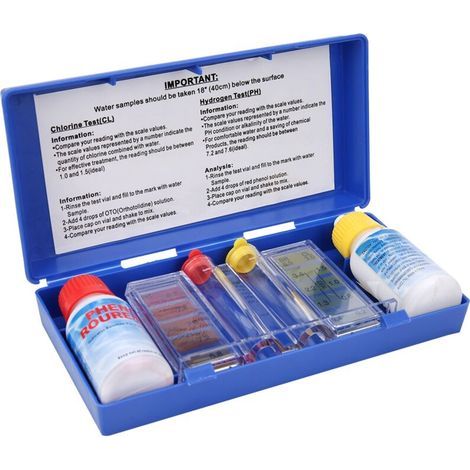





![[NEVER USED] Swimming Pool Water Test Box, PH Chlorine Water Quality Test Kit Swimming Pool Tester Water Test Box Professional Water Quality Test (1/4)](https://cdn.manomano.com/pim-media/images/medium/03de388b66ec0c76039552d9e845956d2f9bd6bc.jpg)


'/%3E%3C/svg%3E)
'/%3E%3C/svg%3E)