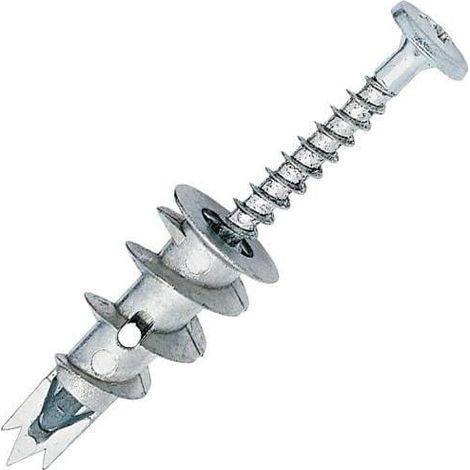
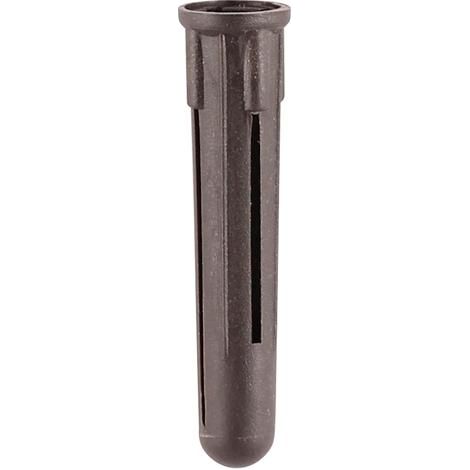
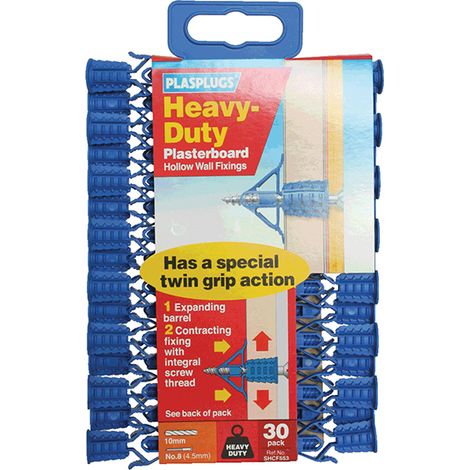
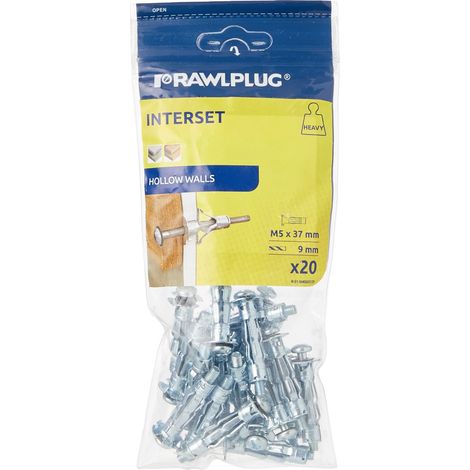
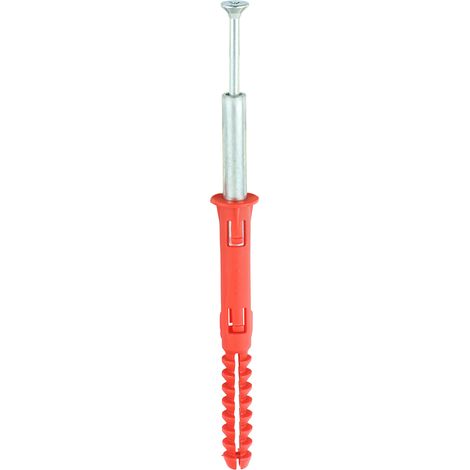
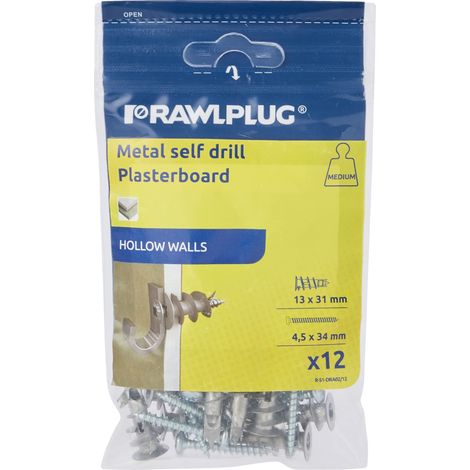
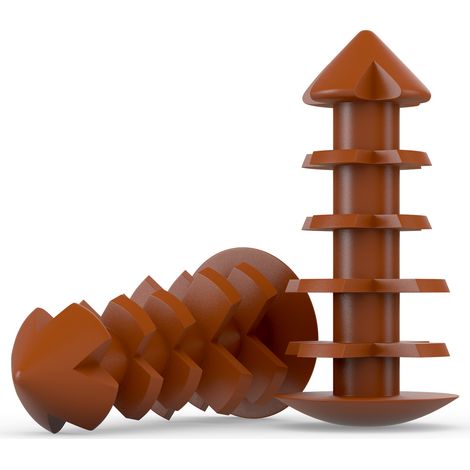
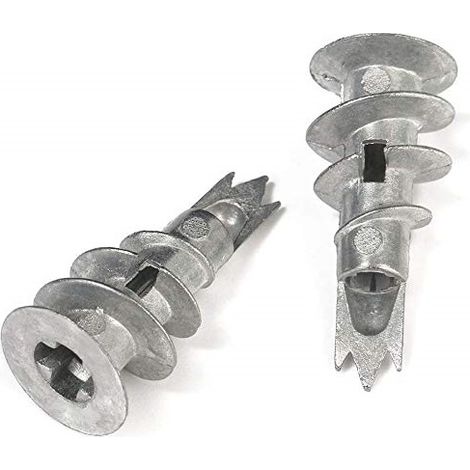
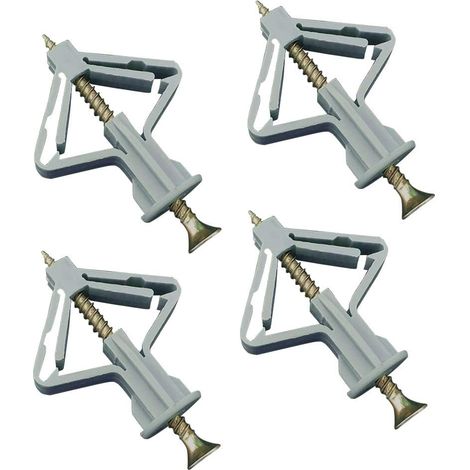
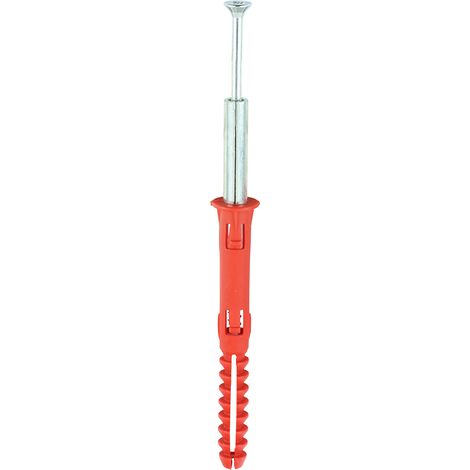
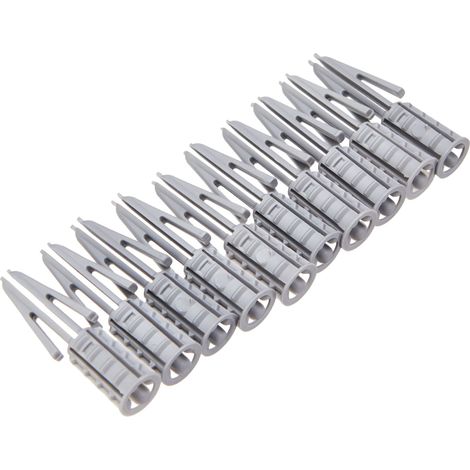
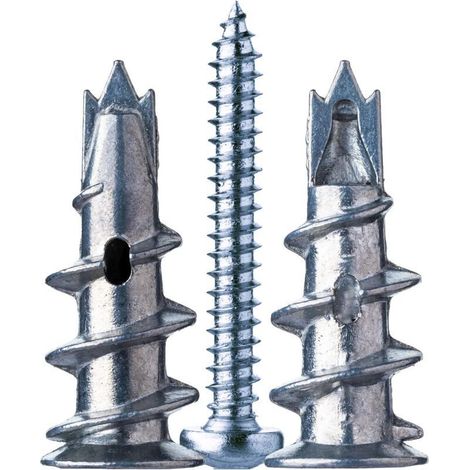
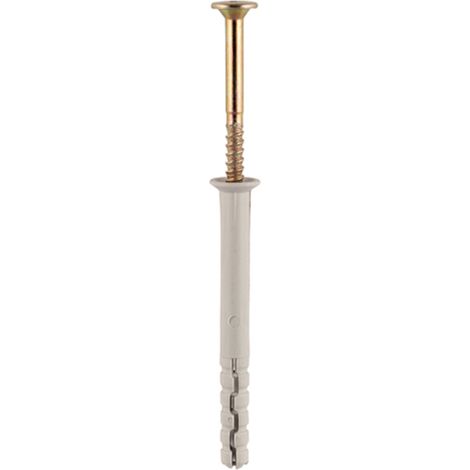
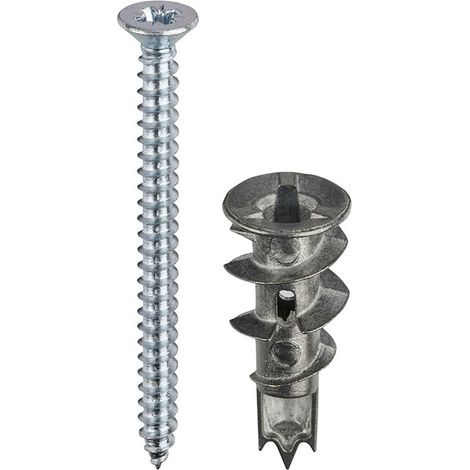
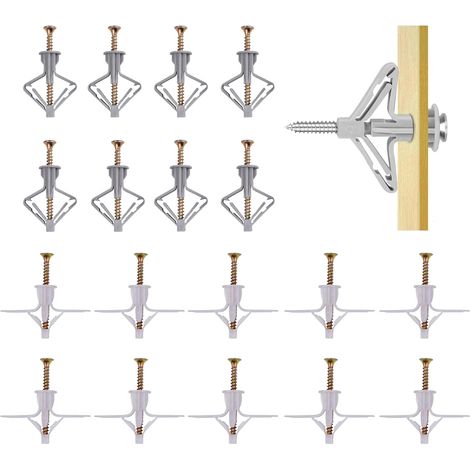
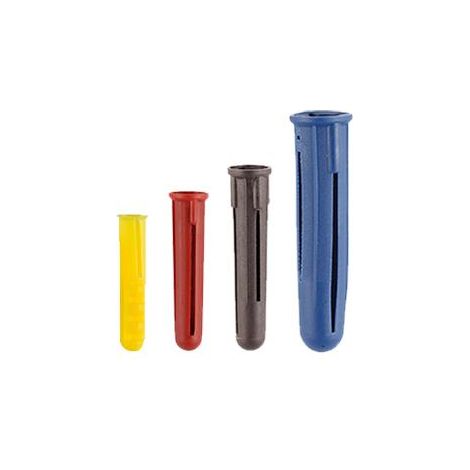
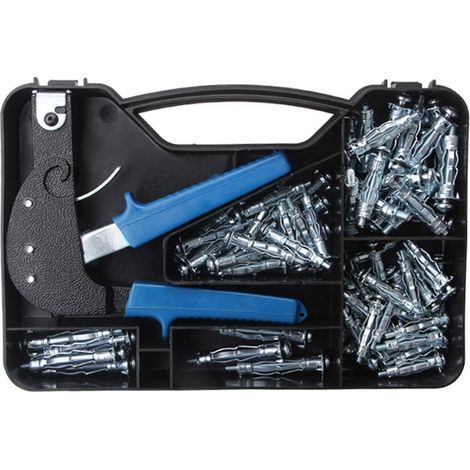
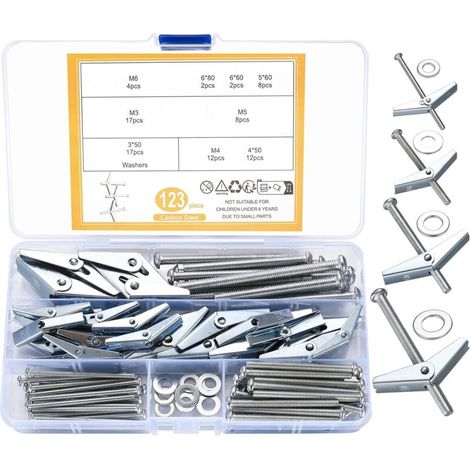
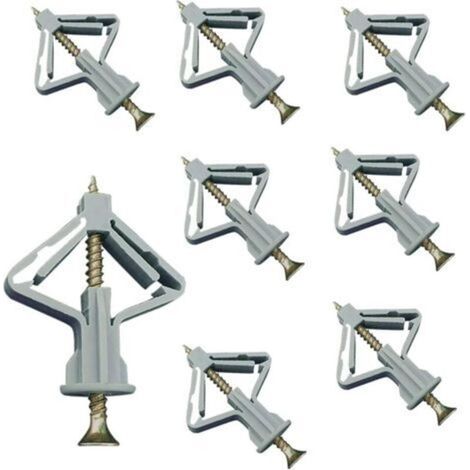
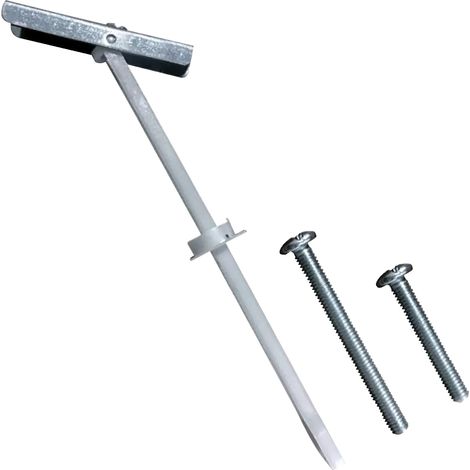
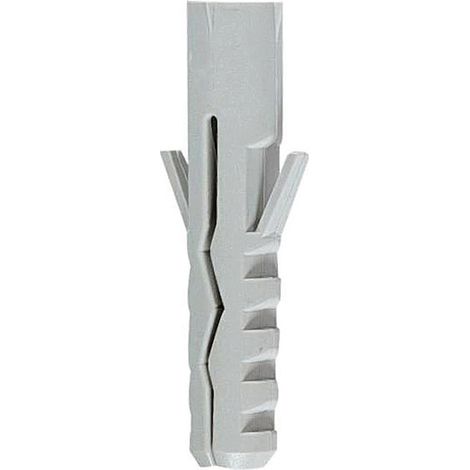
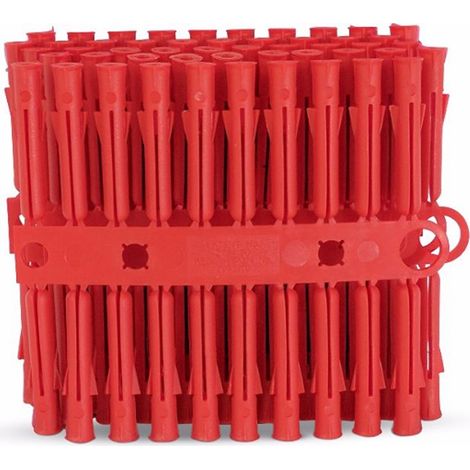
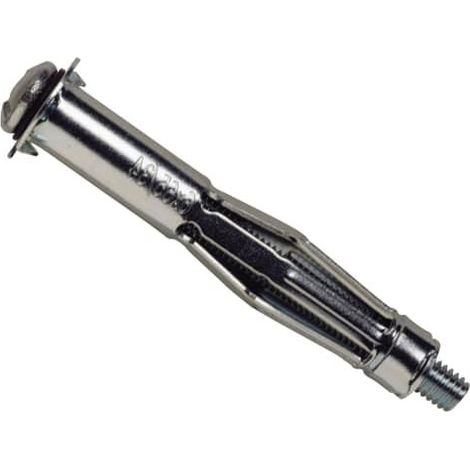
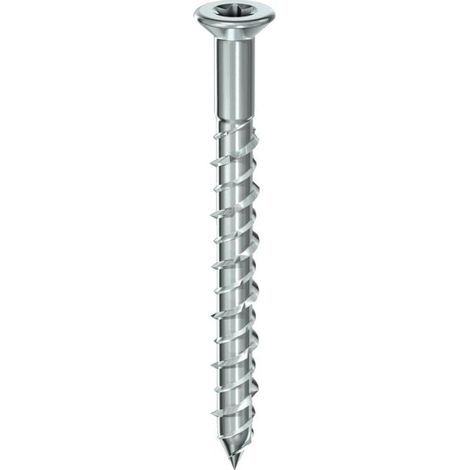
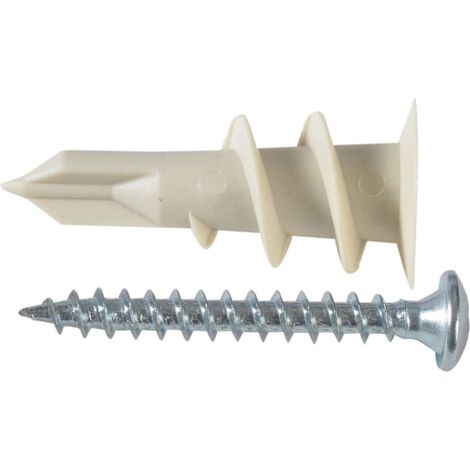
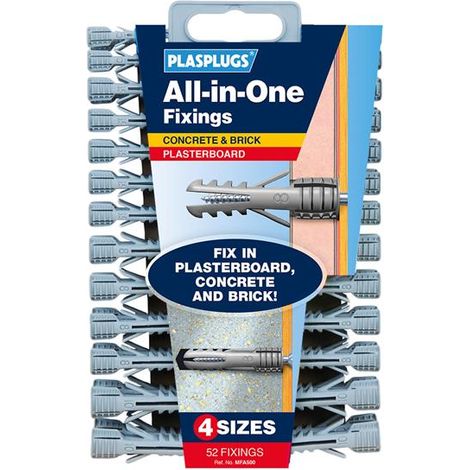
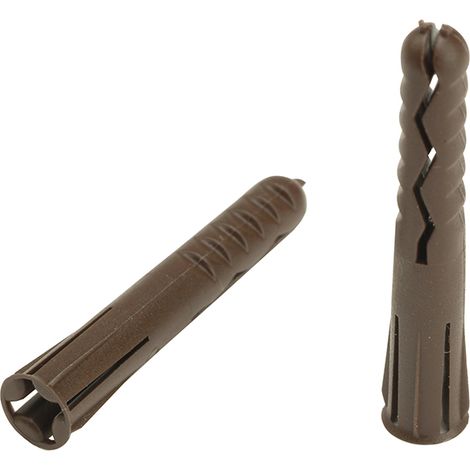
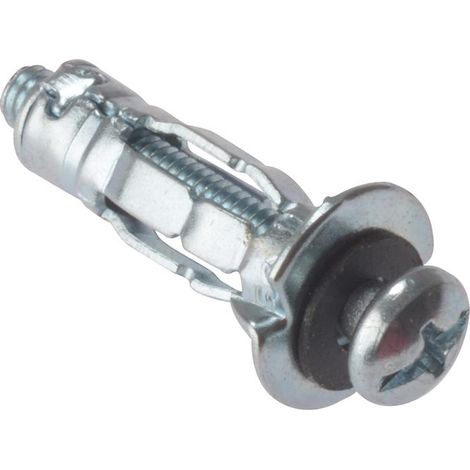
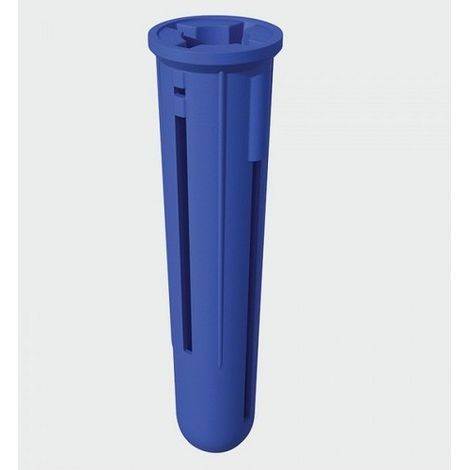
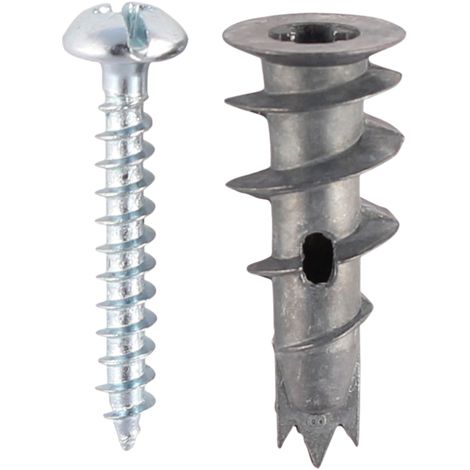
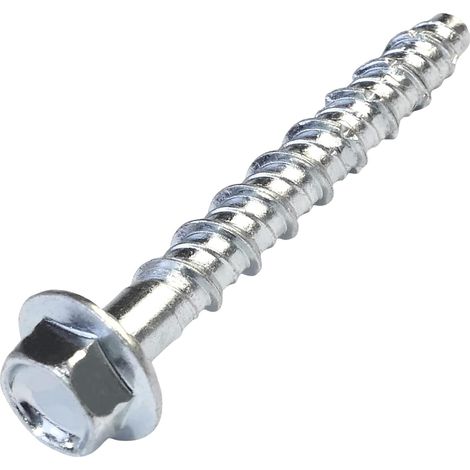
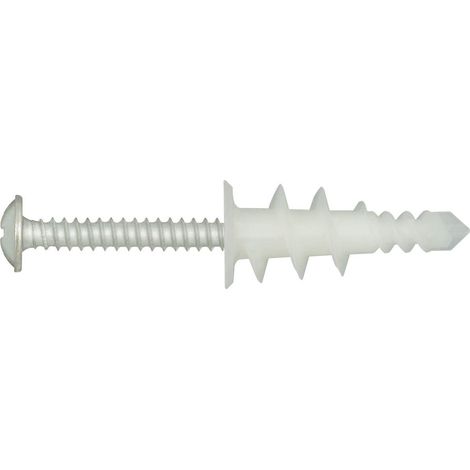
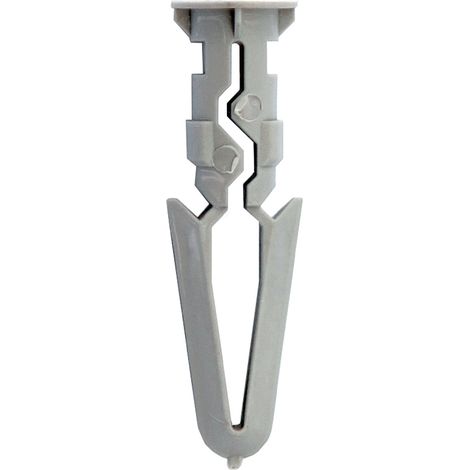
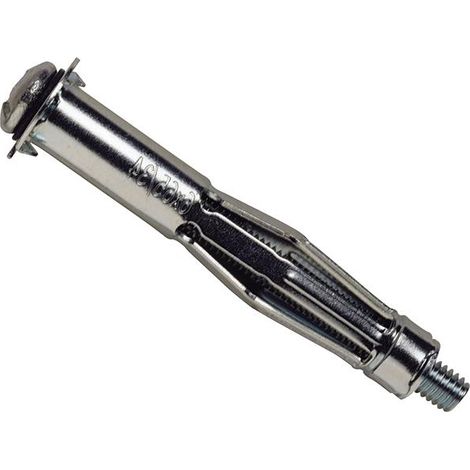
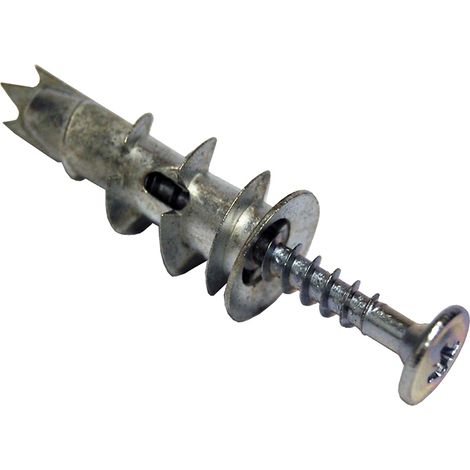
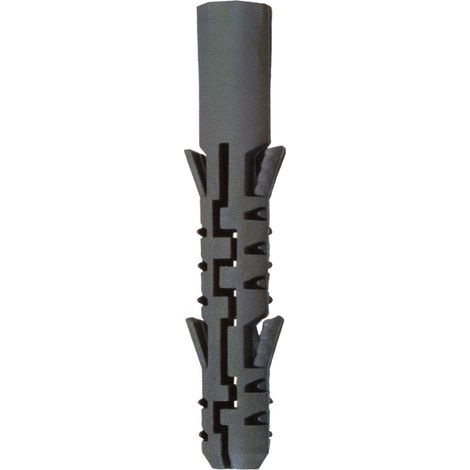
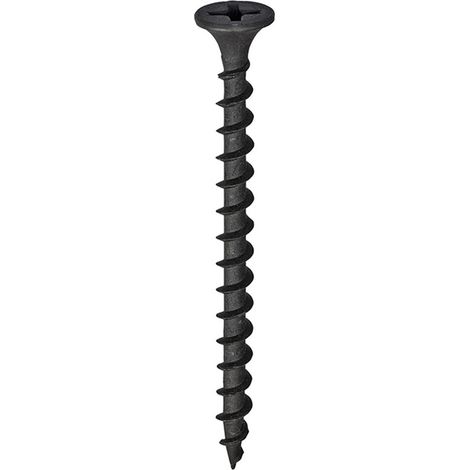
On ManoMano, you'll find all the plugs you need for mounting on a solid wall or support, whether it's hard (concrete, stone, cinder block) or soft (plasterboard, aerated concrete). We offer expansion anchors, spread anchors, or self-drilling anchors in nylon or metal from top brands such as SCELL-IT, SPIT, FISCHER. But how to make the right choice?
An anchor is a tool that seems inconspicuous but it's often difficult to know which one is the most suitable for the situation.
Firstly, you need to define the support. That means the material of the item to be fixed and the material of the supporting element for this item. Materials are classified by density and hardness. Solid hard materials will be concrete, natural stone, and some very hard woods, while solid soft materials will be plaster tiles, wood, etc. Make sure to choose a drill bit suited to the material being drilled.
The second criterion for choosing an anchor is the load capacity. This defines how many fixings are needed to mount an element of a certain weight. Be sure to allow for a more or less significant safety margin depending on the risks and the placement of your element to be fixed. A drive anchor requires a deep hole about 60% of its length, whereas a standard anchor about 110%.
However, most accidents are due to the degradation of the support.
That’s why it’s necessary to properly prepare the pre-drilling and installation. It is generally advisable to space your drillings apart from each other by a distance of 3 to 4 times their depth and 2 to 3 times from the edge.
The material of the anchor is another important parameter in choosing the ideal tool. Nylon is flexible and resistant to aging and weather, metal is very strong and supports heavier loads, it can also be equipped with an anti-corrosion or anti-oxidation coating (galvanized, dichromate, stainless steel, etc.)
For solid and hard materials it is common to use a hammer drill to ease your work, for really hard materials on which you need to fix wide and deep anchors, it is preferable to use a rotary hammer (greater amplitude and power of movement). After drilling, meticulously clean the drilled area, this will improve the performance and durability of the fixing by up to 50%.
Finally, for your well-being protect your skin, respiratory tract, and eyes by wearing protective clothing, a mask, and safety glasses.














'/%3E%3C/svg%3E)
'/%3E%3C/svg%3E)