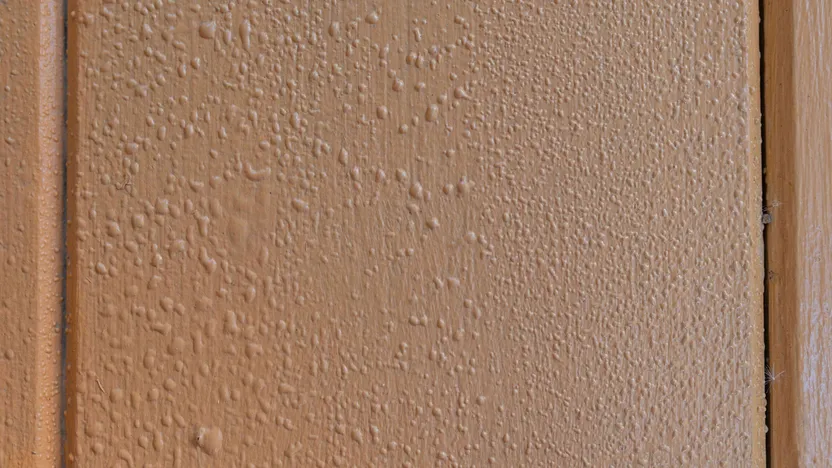
How to fix paint bubbles on walls
'/%3E%3C/svg%3E)
Guide written on 25 September 2026 by:
Tess, Painting & decorating consultant, Brighton
Important features
- Reasons for paint bubbles
- Preventing paint blistering
- Repairing paint bubbles
Best sellers in this category
Why does paint bubble?
There are several reasons why your painted walls may start to blister. Blistering is most common with oil-based, glossy or satin paints.
3 main causes of paint blistering
1. You've applied an oil-based or glossy paint to a damp wall
Oil-based, glossy and satin paints are more or less impermeable. In this case, paint bubbles can appear as the moisture in the wall tries to escape and is prevented from doing so.
2. You've applied a water-based paint over an oil-based paint
Oil-based paints do not mix with water-based paints. Have you ever tried mixing oil and water? It's impossible! The liquids will instantly separate and the same goes with paint.
3. You've applied paint in warm conditions
It is recommended to paint in temperatures of 15 to 25°C. Anything below 15°C and the paint will dry too slowly; anything above 25°C and the paint will dry too quickly meaning it won't adhere properly to the surface.
How to fix paint bubbles
Dealing with minor paint bubbles
Leave the paint to dry completely according to the manufacturer's instructions so that it can finish blistering. You can then sand down any bubbles safe in the knowledge that bubbles won't appear elsewhere. Apply a thin coat of smoothing paint to even out the surface. Apply a primer before coating with another layer of paint. If you are applying a glossy or satin paint, you will have to repaint the entire surface as any patched-up areas will be clearly visible.
Fixing extreme paint blistering
This process will be long and tiresome but it's the only way to get a good end result! You'll have to start by sanding down the entire surface as far as you can. Once your surface is sanded, clean and dry, you can apply a universal primer. Then simply wait for this coat to dry before applying your paint.
Best sellers in this category
You may be also interested in these guides
Guide written by:
Tess, Painting & decorating consultant, Brighton
'/%3E%3C/svg%3E)