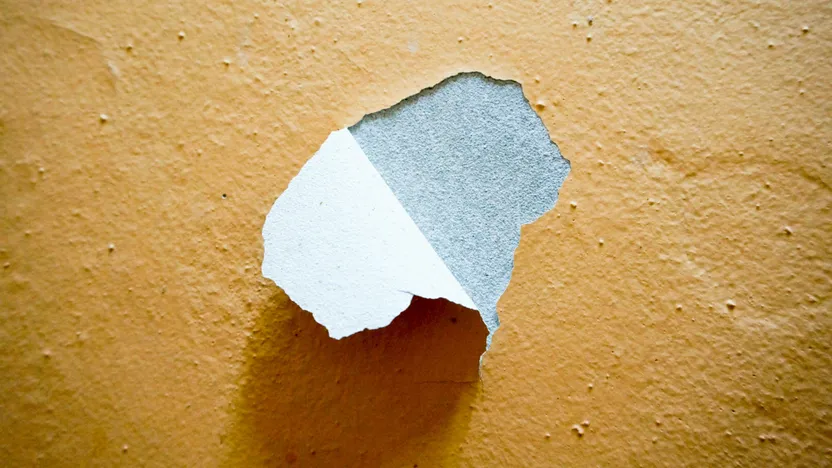
How to fix peeling paint
'/%3E%3C/svg%3E)
Guide written on 6 February 2024 by:
Julie, Interior Designer, Manchester
Important features
- Causes
- Solution
Best sellers in this category
What's the difference between blistered, flaking or peeling paint?
Blistered paint
Two reasons can cause paint to blister:
the wall is damp and an oil-based, gloss or satin-finish paint has been applied.
acrylic paint or water-based paint, has been applied over an oil-based paint.
Flaking paint
Matt paints are more likely to flake off. Being less waterproof than gloss or satin-finish paints, matt paints flake rather than blister. Note that ceiling paints are the most commonly affected.
Peeling paint
There are many reasons why paint peels off:
the surface is damp
the paint has been applied in unsuitable temperature conditions;
acrylic paint (water-based paint) has been applied over an oil-based paint.
3 reasons why paint peels off
There are many reasons behind this problem and all paints are affected by this phenomenon. Water or oil-based paints, matt, gloss or satin-finish, all paints can peel if you haven't properly prepared the surface, but that's not all. What are the reasons behind this décor disaster?
1. Applying a water-based paint over an oil-based paint
If you apply an acrylic paint over an oil-based paint, at best the water-based paint will slide off the oil-based one just enough for you to notice it and stop. At worst, the water-based paint will lightly adhere and fool you into thinking it's stuck on nicely, only to inevitably peel off in shreds.
2. Applying your paint at too high a temperature
For any painting jobs, it's recommended to paint at between 15 and 25°C. Below 15°C, paint dries too slowly, and above 25°C, it dries too quickly and won't adhere correctly to the surface. In this case, the paint might blister as well as peel off.
3. The surface is damp
Here once again is paint's bugbear: damp! If your surface is damp, the paint will peel off. This cannot be repeated often enough: surfaces must be untainted before applying paint.
Best sellers in this category
How to fix peeling paint
There is only one way to resolve the problem of peeling paint: get back to the bare surface again! While blistered paint or flaking paint might hold up perfectly in some parts, a peeling paint will shed all over the place!
We strongly recommend starting from scratch and following the 4 steps below:
You may be also interested in these guides
Guide written by:
Julie, Interior Designer, Manchester
After years of DIY, renovation and designing, I decided to turn my passion into a career. Starting in 2006, in the South-West, I helped people with renovation or construction projects. My expertise and curiosity led me to look further into innovative ideas for myself and my clients. Indeed, to live your passion is also to transform the space you live in and the objects you use daily. My family love my creations and ideas that I bring into their lives! My favourite thing to do: use colour to brighten up interior space. But also tips to hide away clutter. Your home is just never big enough, is it? It is therefore a great pleasure to share my tips with you, so that you also can take as much pleasure as I do when starting up your next project!
'/%3E%3C/svg%3E)