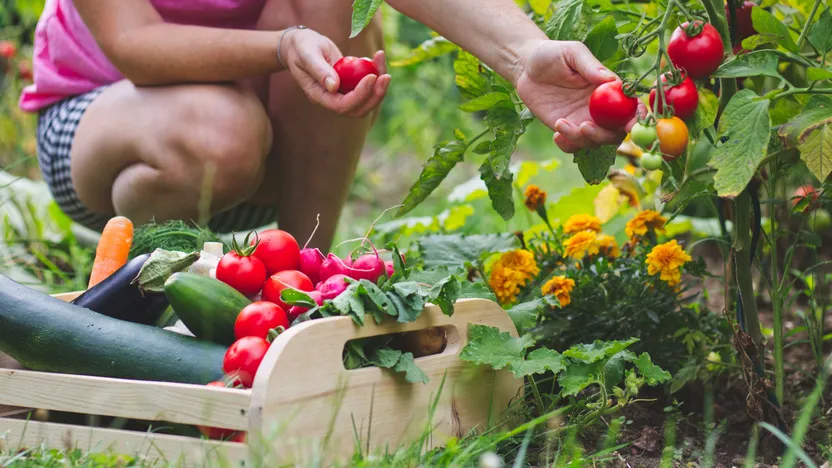
How to start a vegetable garden
'/%3E%3C/svg%3E)
Guide written on 6 February 2024 by:
John, Passionate gardener, Cambridge
Important features
- Vegetable garden site
- Growing tools
- Cultivating tools
- Sowing seeds vs. planting
- Vegetable garden maintenance
- Winter storage
Best sellers in this category
Where to set up the vegetable garden
Picking a site
The site and position of the vegetable garden must be chosen with care because once you've settled on a spot, it is tricky to change locations.
Ideally, the vegetable patch should be set up in a spot with the following characteristics:
The vegetable garden should be located not too far away from the house to ensure easy access for maintenance.
It should be located close to a water source whether this be an outdoor tap, well, borehole, lake or a natural spring or river.
It should be set up on horizontal and level ground. If your land is slightly sloping, your vegetable garden should face south. If your land slopes excessively, the best thing to do is to create a terraced garden. It is not recommended to set up a vegetable garden in a valley floor as it will be too cold in the springtime.
The garden must not be surrounded by any trees or buildings that will cast shade. South facing gardens, in particular, should be clear of obstacles. Additionally, bear in mind that tree roots will travel in search of nutrients and water, and will therefore compete with your crops.
The vegetable garden must be sheltered from wind.
The north-facing side of the garden should be protected by a wall or a thick hedge.
A fence is useful – but not essential – for stopping pets and wildlife from getting into the garden.
How to find land for a vegetable garden
Creating a vegetable garden at home
Whether you own your own home or rent a property, if you're lucky enough to have access to a little slice of land, you can set up a vegetable garden. A 150 m² vegetable garden will easily produce enough to feed a family of four.
If your soil is not suitable for growing – for example, if there are too many rocks or stone, or the soil is too chalky – you can always install raised beds and fill them with high-quality soil and compost. You can grow more intensively in this kind of set up; five or six raised beds measuring 1.2 metres on each side will produce more crops than the same size of plot on the ground.
Growing on an allotment
It is also possible to rent an allotment to grow vegetables. Allotment costs vary depending on where you live and the size of the plot.
Allotments are traditionally measured in rods or poles with the most common plot size being 10 rods. This is the equivalent to 302 square feet or 253 square metres.
Costs generally range from just £9 up to about £110 per year.
You may be able to get a discount on an allotment if you are retired or on certain benefits.
Applications for allotments are made directly to your local council.
However, be prepared for a wait. Since demand for allotments is high
Most councils have long waiting lists for allotments. If you do manage to secure yourself a plot, it is essential to keep up with maintenance. Most allotments are managed by supervisors who come to inspect plots regularly. If plots are found to be uncultivated or overgrown, a warning will usually be sent to the registered tenant. If action is not taken within a certain period, the plot may be taken from the tenant.
If you are finding allotment upkeep tricky, you can always opt to share your plot with a friend as most allotments will allow allotment sharing.
Community gardening
Alternatively, you could get involved with a community growing scheme in your area. Community gardens span the country and most will share their harvest with hardworking volunteers.
This is a great way to get started in cultivation without the responsibility of setting up your own vegetable garden. Most schemes are fairly flexible so you can get a taste of gardening before you commit fully. The Royal Horticultural Society (RHS) has a handy tool to help you find a local gardening group near you.
Get creative
One final option is to get creative and keep an eye out for any unused land where you live. Perhaps you have elderly neighbours who are struggling to care for their garden or maybe you have family with overgrown outdoor spaces who would be happy to let you use their garden in exchange for free fruit and veg!
Similarly, independent shops and businesses often have small patches of unused land that could be used to install raised beds. The most important thing is to make sure you contact the landowner to gain permission and be sure not to trespass. It might also be a good idea to draw up an official agreement.
Best sellers in this category
What tools do I need to start a vegetable garden?
Essential gardening tools
Water
The best water for a vegetable garden is rainwater or water from a river or pond. Well water is also a good option if you leave it at an ambient temperature for several hours before use. For convenience sake, we often use tap water. Using a watering can is the best technique for watering a vegetable garden. Use without a rose for well-established plants, use a fine sprinkling rose for seedlings and young plants, and a normal rose for all other crops.
Garden shed
There's nothing stopping you from storing your gardening tools in a shed, garage, or even in a cellar. That said, there's no denying the convenience of having a garden shed installed in a corner of the garden. Garden sheds come in all designs and materials like wood, metal or plastic. They also come in a range of sizes from 2m² to over 20 m².
Wooden sheds look more natural but won't last as long and require more maintenance than a metal or plastic shed. A garden shed measuring just 2 m² will be big enough to store the most essential gardening tools.
With a more spacious shed, you can also use the space to store your lawnmower, tiller or even a bike. It all depends on the size of your garden, the equipment you need to store and your budget.
Garden tool | Use | Tips |
Spade | Turning over soil. Digging holes and trenches. Marking out borders. | Check the thickness of the metal. The depth of the blade should be at least 25cm. |
Fork hoe or garden claw | Breaking up densely packed soil. Loosening the soil. | Choose a forged tool with round, thick teeth. |
Rake | Breaking up surface soil. Preparing soil for seedlings. Gathering stones and other debris. Levelling surfaces. Covering seedlings. Tamping soil around seedlings. | Choose a handle measuring over 1.5 m. |
Garden fork, broadfork or biofork | Aerating the soil deep down easily without turning it over. | Choose a model with 4 or 5 teeth. |
Garden hoe | Weeding. Breaking through soil crust. Earthing up crops. | Choose a one piece forged tool (no fastenings). Choose a handle length of at least 1.3 m. |
Double headed hoe | Digging furrows for sowing in rows. | Choose a one piece forged tool (no fastenings). |
Hoe | Removing large weeds. Clearing land. Digging holes for planting. Earthing up (e.g. potatoes or broad beans). | Choose a one piece forged tool (no fastenings). |
Planter/dibber | Planting lettuces, cabbages, etc. | |
Transplanter | Unearthing young plants, transplanting. | Choose a forged tool. |
Secateurs | Pruning, cutting brambles, etc. Pruning cane fruits. | Choose anvil secateurs rather than bypass secateurs. Pick the right size for your hands. |
Watering can | Watering crops. | Plastic is more affordable. Metal is more durable. |
Shop our garden sheds
How to prepare land for a vegetable garden
Preparing the soil
Properly preparing the soil in the vegetable garden is absolutely essential if you want your crops to succeed. The aim is to create loose, fast draining soil which will allow seeds to germinate and allow the roots of young plants to penetrate more easily. It also gives you the opportunity to remove old roots and stones.
Before working the soil, it's important to weed the area, pulling out any plants and old plant matter. A hoe can be used to cut grass right down to the ground. There are three traditional methods for working soil.
Digging or cultivating the soil
Traditionally, the first step in working the soil involves digging down to a depth of about 25cm using a spade or garden fork. This method of cultivating is the equivalent of ploughing agricultural land.
It should only be done once a year at most, even if you are reusing the same parcel of land for other crops later on. If you have clay soil, it's best to dig in the autumn and leave any clumps of compacted soil in place for the frost to break down over the winter.
If you have light sandy soil, it's best to cultivate the soil in spring. If you are using a spade, work in areas of 2 to 3 metres in width at a time to make the job easier.
Loosening the soil
This step consists in breaking up any large soil clumps into finer particles. You can remove roots, stones or roughly level the land at the same time. A fork hoe is often used for this step.
Raking the soil
This step aims to break down the soil even further and involves using a rake to work the very surface of the soil. This allows you to get rid of the smallest stones and soil clumps that haven't been broken down yet. It also helps to level out the ground more precisely. The aim here is to create the fine soil texture required for seedlings. If you are planting out, you don't always need to rake the soil as long as you take care to loosen the soil properly using other methods.
Loosening soil without turning over
Loosening the soil without turning it over is a relatively new method of working soil. This technique is used increasingly in organic cultivation instead of traditional digging or cultivating. It aims to loosen the soil without turning over and mixing up the different layers of soil which is harmful to microbial life in the soil.
It is possible to do so using a garden fork but it's best to use a specially designed tool for the task such as an air spade, broadfork or biofork.
Rakes
Fertilising the soil: chemical vs. organic fertiliser
Fertilisers and soil amendments are used to provide crops with nutrients or to improve the physical, chemical or biological properties of the soil.
It is recommended to use organic fertilisers over chemical fertilisers.
Chemical fertilisers are made using non organic (or mineral) materials such as ammonium nitrate, ammonium nitrate, urea, ammonium phosphate and potassium chloride. They are absorbed directly by plant roots and have an immediate effect.
Organic fertilisers use animal or plant-based waste (such as dried blood, ground horn or rotted manure) to fertilise plants. Unlike the fertilisers described above, these fertilisers have to be processed by micro organisms in the soil to then be taken up by plants. They are therefore slower to work than chemical fertilisers.
Shop our liquid fertilisers
What crops to grow in the vegetable garden
The easiest vegetables to grow
Here is a selection of some of the easiest vegetables to grow:
carrots;
cucumbers and baby cucumbers;
courgettes;
spinach;
beans (green beans and runner beans);
lettuces (heat lettuces and cut and come again varieties);
chard and Swiss chard;
potatoes;
squashes;
radishes
cherry tomatoes.
Some of the easiest herbs to grow include:
basil;
chives;
coriander;
parsley.
Annual sowing and planting calendar
Crop | January | February | March | April | May | June | July | August | September | October | November | December | |
Aubergines | S | S | S | ||||||||||
P | P | ||||||||||||
H | H | H | H | ||||||||||
Beetroot | S | S | S | ||||||||||
H | H | H | H | ||||||||||
Carrots | S | S | S | S | |||||||||
H | H | H | H | H | H | ||||||||
Celery and celeriac | S | S | |||||||||||
P | P | ||||||||||||
H | H | ||||||||||||
Cauliflower | S | S | S | S | |||||||||
P | P | P | P | P | |||||||||
H | H | H | H | H | H | H | |||||||
Cabbages | S | S | S | S | S | S | |||||||
P | P | P | P | P | |||||||||
H | H | H | |||||||||||
Cucumbers | S | S | S | S | |||||||||
P | P | P | |||||||||||
H | H | H | H | ||||||||||
Courgettes | S | S | S | ||||||||||
P | P | P | |||||||||||
H | H | H | H | H | |||||||||
Spinach | S | S | S | S | S | S | |||||||
H | H | H | H | H | H | H | H | ||||||
Broad beans | S | S | S | S | |||||||||
H | H | H | |||||||||||
Beans | S | S | S | S | |||||||||
H | H | H | H | H | |||||||||
Lettuces | S | S | S | S | S | S | S | S | |||||
P | P | P | P | P | P | P | |||||||
H | H | H | H | H | H | H | |||||||
Lamb's lettuce | S | S | |||||||||||
H | H | H | H | H | H | H | |||||||
Turnips | S | S | S | S | S | ||||||||
H | H | H | H | ||||||||||
Onions | S | S | S | S | S | ||||||||
P | P | P | P | ||||||||||
H | H | H | H | H | |||||||||
Parsnips | S | S | S | ||||||||||
H | H | H | |||||||||||
Peas | S | S | S | S | |||||||||
H | H | H | H | ||||||||||
Leeks | S | S | S | ||||||||||
P | P | ||||||||||||
H | H | H | H | H | H | H | H | ||||||
Chard | S | S | S | ||||||||||
H | H | H | H | H | |||||||||
Peppers | S | S | |||||||||||
P | P | ||||||||||||
H | H | H | H | ||||||||||
Potatoes | P | P | P | ||||||||||
H | H | H | H | H | |||||||||
Pumpkins | S | S | |||||||||||
P | P | ||||||||||||
H | H | ||||||||||||
Radishes (red) | S | S | S | S | S | S | S | ||||||
H | H | H | H | H | H | H | |||||||
Tomatoes | S | S | S | ||||||||||
P | P | ||||||||||||
H | H | H | H | ||||||||||
Basil | S | S | |||||||||||
P | P | ||||||||||||
H | H | H | H | H | |||||||||
Chives | S | S | |||||||||||
H | H | H | H | H | |||||||||
Coriander | S | S | |||||||||||
H | H | H | |||||||||||
Mint | P | P | |||||||||||
H | H | H | H | H | H | H | H | H | |||||
Parsley | S | S | S | S | S | ||||||||
H | H | H | H | H | H | H | |||||||
Thyme | S | S | |||||||||||
H | H | H | H | H | H | H | H | H | H | H | H |
S | Sow |
P | Plant |
H | Harvest |
What is companion planting?
Companion planting is based on the observation that plants act differently depending on the plants growing nearby. Some plants seems to have a good relationship while others have a damaging effect on their neighbours, such as poor growth or the appearance of pests.
That's why it's always a good idea to plant certain crops together. The table set out below is based on empirical evidence observed by gardeners over time. The reasons behind companion planting cannot always be explained scientifically.
Vegetables | Companion plants | Incompatible plants |
Garlic | Carrots, dandelions, potatoes | Peas, beans, broad beans |
Asparagus | Tomatoes, leeks, parsley, green beans | Beetroot, garlic, onions, shallots, chard |
Aubergines | Beans, peas | Potatoes, onions |
Beetroot | Onion, kohlrabi, cauliflower, celery, lettuce | Beans, spinach |
Carrots | Beans, peas, lettuce, onion, leeks, radishes | Dill, beetroot |
Celery Celeriac | Cauliflower, leeks, tomatoes, fennel, cucumbers | |
Chicory | Cabbage, cauliflower, kohlrabi | |
Cabbages and cauliflower | Beetroot, celery, celeriac, cucumbers, potatoes, green beans | Radishes, strawberries, chicory |
Kohlrabi | Radishes, peas, parsnips, green beans, beetroot, cucumber | Tomatoes, fennel, chicory |
Cucumber, baby cucumbers | Carotts, cabbages, beans, lettuces, peas | Potatoes, tomatoes, radishes |
Squash and courgettes | Lettuces, beans, onions, peas | Potatoes, cauliflower, fennel |
Shallots | Peas, beans, broad beans | |
Spinach | Strawberries, beans | Beetroot |
Broad beans | Parsnips, lettuces, tomatoes | Garlic, onions, shallots |
Beans | Aubergines, carrots, celery, celeriac, cabbage, cucumber, lettuce, corn, potatoes | Garlic, onion, shallots, peas, leeks, fennel |
Lettuces | Carrots, cabbage, cauliflower, cucumber, strawberries, beans, peas, turnips, leeks, radishes | Parsley |
Turnips | Garlic, celery, peas, lettuces | Leeks, radishes |
Onions | Beetroot, carrots, kohlrabi, lettuce, strawberries, parsnips, tomatoes | Peas, beans, broad beans |
Parsnips | Onions, cabbages, cauliflower, carrots | |
Leeks | Carrots, celery, spinach, strawberries, lettuces, lamb's lettuce, onions | Beans, peas, turnips |
Parsley | Asparagus, tomatoes | Peas, lettuce |
Peas | Beetroot, carrots, celery, cabbage, cucumber, beans, corn, potatoes, radishes | Garlic, onions, shallots |
Peppers | Basil, carrots, onions | Fennel |
Potatoes | Garlic, beans, peas | Tomatoes, aubergines, carrots, squash, radishes |
Radishes | Carrots, broad beans, beans, spinach, cree, lettuces, peas, tomatoes | Cabbages, chervil |
Tomatoes | Asparagus, basil, carrots, cabbages, celery, onions, parsley, leeks | Beetroot, kohlrabi, fennel, cucumbers and baby cucumbers, peas, potatoes |
Sowing your own seeds vs. buying plants
Sowing seeds
Direct sowing
Direct sowing means sowing seeds where the plant will grow until it is harvested. This method of sowing seeds is essential for root vegetables like carrots, radishes, turnips, beetroot and parsnips, as well as for legumes like peas, beans and broad beans.
Young crops should be thinned out by removing the weakest plants. The plants left in place must have enough room to grow comfortably.
Sowing on a nursery plot
In this case, seeds are sown fairly densely on a small area of land in full sun, under cover or in a greenhouse.
The strongest plants are then carefully dug up and transplanted to their growing bed. This kind of sowing is best for things like cabbages, leeks and lettuces.
Sowing indoors
This type of sowing is used for plants that cannot be sown directly due to low temperatures or for plants that do not like to be lifted as bare root transplants. In this case, the seedlings are transplanted along with the soil that surrounds their roots.
The seed trays or pots are kept indoors in the warm which allows you to sow seeds much earlier than you would otherwise. This method is often followed for growing fruit vegetables like tomatoes, melons, aubergines, courgettes, baby cucumbers and squashes.
Buying potted plants
There are many reasons why you might prefer to buy potted plants rather than growing your own from seed. And luckily there is a huge selection of potted vegetable plants to choose from. The trouble is that potted plants are often sold much too early on in the growing season. You can of course wait until the right time to buy these plants but you risk being left with a limited selection.
What you can do is buy the plants about two weeks before you want to plant them into your vegetable garden and use this time to harden them off to get them gradually used to their growing conditions. The best way to do so is to take your crops out in the morning and take them back indoors at night.
Make sure that the name of the variety is clearly displayed on the plant when purchasing – which is not always the case. Examine the condition of each plant and choose the stockiest plants with thick stems and no yellowing leaves. Take a look underneath the pot, too. If the roots are already coming out of the holes, you will need to repot in a slightly larger pot if you want to go through the process of hardening off.
How to maintain a vegetable garden
Checking plants for pests and disease
Pathogens are organisms that cause disease. Plants can present symptoms of disease caused by a wide range of organisms. Before taking action and choosing a treatment, you need to first observe the plant to identify the nature of the problem. Are you dealing with disease, pests or something else?
Any difference in appearance, such as marked, dried or misshapen leaves, rotten fruit or cracks in bark, can be symptom of a range of problems:
weather damage: frost, drought or hail;
a physiological issue: often due to a lack of certain minerals;
pests or disease which cause the most problems, by far.
Pests include insects (and most commonly their larvae), mites and scale insects. The issues caused by pests can look similar to symptoms of disease – but of course the treatment will not be the same! To take an example, aphids can deform the leaves of plum and cherry trees by biting into the leaves located towards branch tips.
Disease can spread in a number of ways:
using tools that have not been disinfected in alcohol;
plant wounds;
splashing liquids;
water (rainwater or irrigation);
animals;
though the air;
via the soil.
As you can see, plants are constantly surrounded by pathogens.
While it is possible to use chemical pesticides, it is not recommended. Chemical pesticides pose a number of threats to the environment as well as human health. As pesticides easily contaminate the air, soil and water through run-off, they impact ecosystems directly and indirectly and are believed to have a major impact on biodiversity
There are a number of alternatives to chemicals but the first step is to accept that some of your plants will fall victim to pests. Examples of natural pesticides include plant slurries, made using plants from around the garden.
Protecting plants from pests
The term 'pests' covers a wide range of insects and animals, including:
slugs and snails which eat young leaves, especially in moist conditions;
voles which dig extensive tunnels and nibble on plants;
moles which mound up earth all over the garden;
a wide range of insect larvae, like moths and wireworms, which chew on vegetable roots;
small birds which love to feast on young salad leaves.
There are specific methods for dealing with each type of pest.
Weeding the vegetable garden the natural way
Just like when dealing with pests and disease, the chemicals we once turned to for weeding are on the out. While it is still possible to buy chemical weed killer, we are increasingly aware of the dangers of doing so. Luckily, there are other more natural or less aggressive substances on offer including white vinegar or pelargonic acid-based products.
The best way to get rid of weeds is the natural method which basically involves using a hoe. Weed growth will also be considerably reduced by adding a thick layer of plant or mineral mulch to the soil around plants.
You can also tackle weeds with actions like the false seedbed technique, spreading tarp over bare soil and so on.
Watering the vegetable garden
There are a few different ways to water a vegetable garden depending on the tools you have at hand. If you have a small veg patch, a hose or watering can will do the job. Here are a few good habits to adopt when watering the garden or vegetable garden.
Water the base of plants rather than the leaves which can cause disease.
Do not water too often but do water generously when you do. This way, the water will penetrate deeper into the soil which will encourage roots to grow down to access the water. Deeper roots mean plants are better equiped to deal with drought.
Water late in the evening or in early in the morning to prevent water evaporation when temperatures are high.
Do not water using very cold water (from a well, for example). If required, leave the water out for several hours to reach an ambient temperature. This will mean less stress for your plants.
Caring for the vegetable garden after the growing season
Cleaning up the garden
Once the growing season winds to a close, it's time for a big clean-up. Pull out any withered plants or any that are no longer productive. Be sure to remove all plant parts. Ideally you should burn your old crops to eliminate disease. Remove all stakes, labels, boards, and so on. Store these in a dry area. You can disinfect them later on.
Pull out weeds and put them on the compost pile. Some root vegetables can be harvested and stored in a frost-free spot indoors before the worst of the cold. This includes things like turnips, beetroot and celeriac. Other crops can stay in place, such as leeks and carrots, and harvested as required. Remember to mulch these crops.
Preparing the soil for next year
Loosen clay soil and leave it in large clumps for the winter frost to break down. It is not recommended to work the soil to depths greater than 15cm so as not to disturb the different layers of soil. Instead, you can aerate using a lawn aerating tool like a broadfork.
If you have manure, spread it over the surface of the soil but never dig it into the earth. While many of us choose to do so, it is best not to leave any bare patches of soil over the winter. To avoid doing so, you have a couple of options:
Mulch the soil with organic material like straw, ferns or dry leaves. Spread a layer of at least 15cm and leave in place for the whole winter.
Sow green manure crops like winter vetch, rye, clover or mustard which can be broken down and dug into the soil the following spring.
Lawn aerators
Clean and maintain your gardening tools
Cutting tools
It is essential to maintain your gardening tools to ensure they work efficiently and last over the years. Wooden handles and blades of tools like shears and secateurs should be cleaned off with fine sandpaper. It is sometimes possible to remove the blades which will make this task easier. Burning alcohol will remove any plant residue stuck onto blades. If required, sharpen the blades using a whetstone. Grease the tools lightly and lubricate any parts subject to movement or friction.
Cultivating tools
If your tool handles have long splits, replace them. Check that the connections between the tool handle and blade are firm. Then, carry out the following four steps.
Wash down all metal parts and handles using a sponge and plenty of water to remove any last traces of soil. Leave your tools to dry with the metal parts facing up.
Sand down all metal parts with fine grit sandpaper to remove any traces of rust to prevent moist soil from sticking to the metal as you work the earth.
Sand down wooden handles to ensure they are smooth. File the cutting edge of tools like spades and hoes, taking care to maintain the original angle.
Grease all metal parts using any type of oil but use flax oil for any wooden handles. This will keep the wood soft to the touch and ensure the material is protected against weathering.
Storing garden tools
Store your tools in a garden shed or any other dry, sheltered spot, with the metal parts facing up.
Do not leave any sharp or pointed tools within reach of children.
Store your secateurs with the blades open to protect the spring.
Last important point – be sure to drain your hose or you will lose it to the frost!
See our garden tool handles!
More information on vegetable gardening
Do not hesitate to check out the following guides for more information:
Shop our raised garden beds
More information
You may be also interested in these guides
Guide written by:
John, Passionate gardener, Cambridge
When I was young, I was already working in the family garden. Perhaps that is where my interest in plants and gardening came from. So, it was logical for me to study plant biology. At the request of various publishers I have, over twenty-five years, written many books on the subject of plants and mushrooms (a subject that is close to my heart). They were mostly identification guides at first, but shortly after they were about gardening, thus renewing the first passion of my childhood. I have also regularly collaborated with several magazines specialising in the field of gardening or more generally in nature. There is no gardener without a garden, I have cultivated mine in a small corner of Cambridge for the last thirty years and this is where I put into practice the methods of cultivation that will I advise you in as well.
'/%3E%3C/svg%3E)