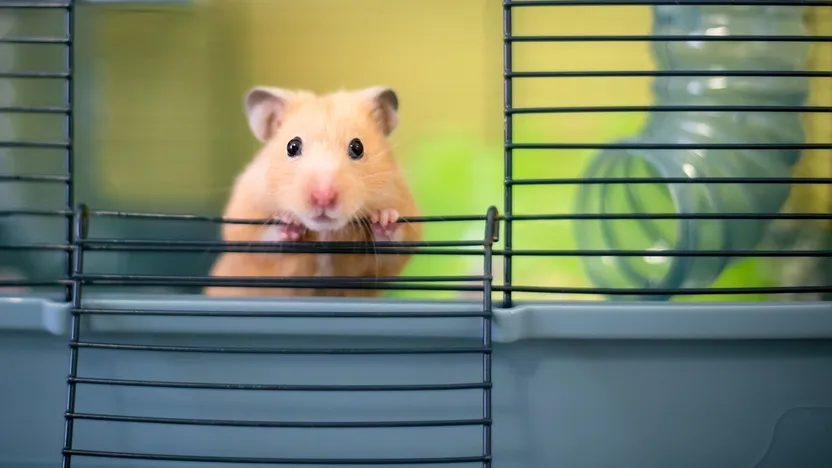
Small pet cage buying guide
'/%3E%3C/svg%3E)
Guide written on 6 February 2024 by:
Christelle, Micro-entrepreneur in the gardening sector
Important features
- Material
- Size
- Hygiene and cleaning
Best sellers in this category
3 factors for choosing the right rodent cage
1. Cage dimensions
Your small pet or rodent cage needs to be big enough to allow your pet the space to tire themselves out in order to stay in shape. When it comes to picking a size, a bit of common sense should be enough to help you make the right choice. If you've got the space at home, go for the biggest cage available. Remember: these creatures will spend hours roaming in the wild so do your best to recreate their natural habitat.
Specially designed cages
Manufacturers usually categorise pet cages by the animal they are designed for. For example:
hamster cages;
gerbil cages;
rat cages;
guinea pig cages;
chinchilla cages;
multiple hamster cages, and so on.
Of course, if you intend to home an entire clan of hamsters, you'll need a bigger cage. That sabear in mind that a cage can never be too big.
2. Cage shape
Some rodents love to climb to the top of their cages and hang from the bars while others prefer to spend most of their time on the ground. You will need to find the right shape of cage for your new pet, whether this means a tall cage or a wider, shorter cage.
It's worth noting that most tall cages will come with at least one extra storey which will add more space for your rodent to explore – a bit like a mezzanine in a small flat! As the base of the cage will probably be used for nesting, the rest of the cage can be used to fit a wheel or a little house. When it comes to picking the right cage shape, it's important to read up on your pet's habits to ensure their day-to-day needs are taken care of.
3. Cage material
Wooden small pet cages
Wooden cages are budget-friendly and provide a bit of rustic charm. The major downside of this material, however, is that it is very hard to clean. Wood will absorb any liquids and will cling onto odours. It is therefore best suited for outdoor use (for a rabbit hutch, for example).
Glass or plexiglass small pet cages
While they may be nice to look at, glass or plexiglass cages do not provide adequate ventilation for rodents. This means your pet will be breathing in ammonia from their own urine which can lead to respiratory issues over time. What's more, these cages produce a kind of greenhouse effect: whenever the temperature rises, your glass cage will turn into a furnace and your pet will suffer the consequences! Small animals are very sensitive to temperature changes so these cages should be avoided at all costs.
Metal bar small pet cages
This is generally the most popular option. These cages tend to feature a plastic base with metal bars for the roof and sides. They may be on feet, wheels or simply placed on the floor. The advantage of these cages is that they are easy to dismantle for easy cleaning on a regular basis.
Plastic cages are also ideal for ventilation as the metal bars allow free air circulation. The bars are also handy for hanging cage accessories like water bottles or hanging bowls. However, if the bars of the cage are not coated they will rust fairly quickly. It is therefore best to opt for painted bars.
Another important factor to consider is the spacing of the bars. Are they close enough together? Is there any risk of your pet squeezing through the bars? If so, don't be tempted to double up on portion sizes...! You can simply add wire mesh specially designed for rodent cages which should sort out the problem. Just be sure that you don't block off the cage doors.
Rodent food bowls
Hygiene and comfort
Accessing the cage
It's important to be able to easily access the inside of your pet cage to ensure you can pick up your pet if required and hang any cage accessories.
With this in mind, it's best to go for a cage with wide doors so you can reach in with ease.
Cage cleaning
It is important to pick a cage that is easy to clean so you're not put off the task! Remember: a clean cage is essential for a healthy pet.
Some models come with a handy pull-out drawer design that allows you to get rid of dirty bedding and clean the bottom of cage with ease. Bear in mind that the bigger the cage, the heavier the drawer and the trickier it'll be to handle. You will therefore need to think of the easiest spot to clean the cage in your home. Finally, remember that having even a small pet is a big responsibility. Like all other animals, rodents require a lot of attention, care and a healthy, balanced diet so be sure to do your research!
Bedding
Best sellers in this category
You may be also interested in these guides
Guide written by:
Christelle, Micro-entrepreneur in the gardening sector
From a background in waste transportation, I became a farmer specialising in organic gardening. A graduate of Horticultural Production, I tried for several years as a young farmer to settle in the beautiful region of Oxfordshire. After many disappointments, I finally started a small-business in home services, specifically in gardening, assisted by my loving, dear husband. Passionate about nature and wild edible plants, I am very attentive to ecological solutions and respectful of our environment in all aspects of my daily life. From the vegetable garden to the flower beds, from seed to harvest, I have all kinds of advice up my sleeve. Do not hesitate to ask me your questions.
'/%3E%3C/svg%3E)