A concrete mixer is useful for making concrete or mortar on site. Whether thermal or electric, it facilitates the mixing of concrete, thus reducing the laboriousness of the work for the DIY enthusiast or mason.
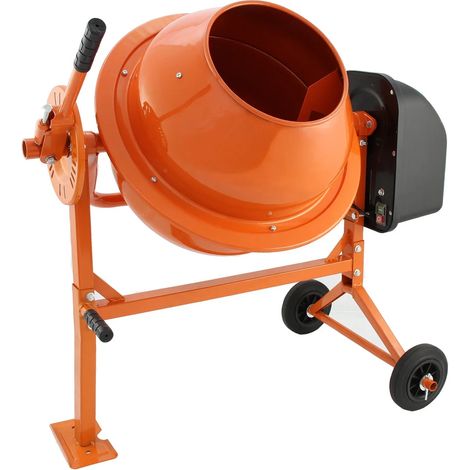
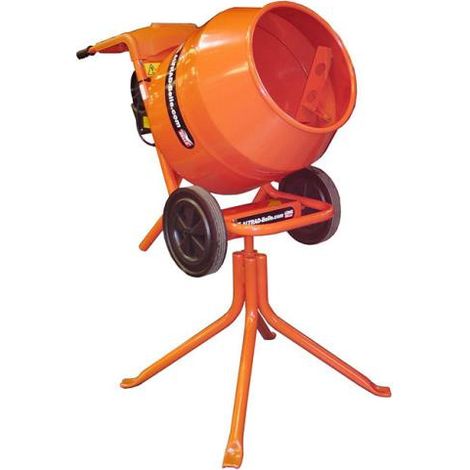
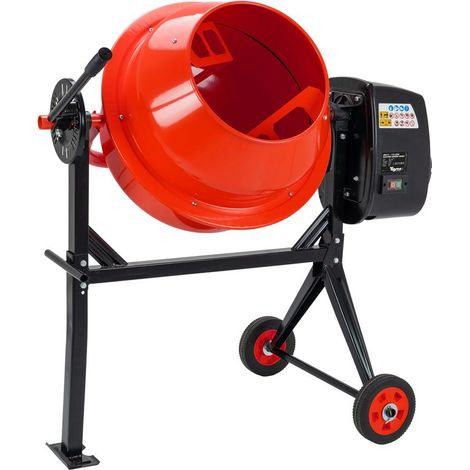
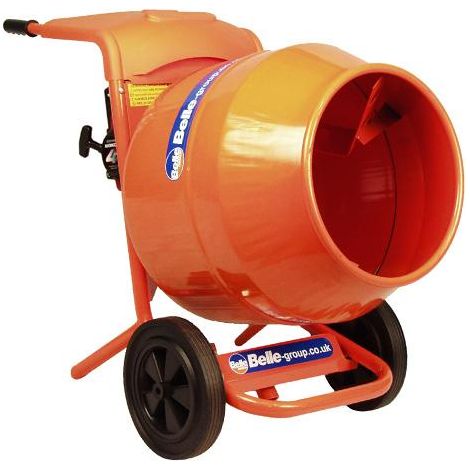
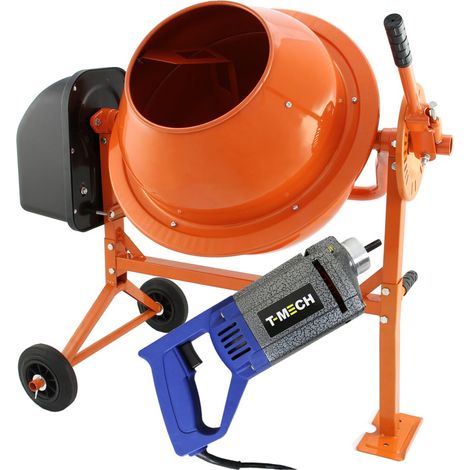
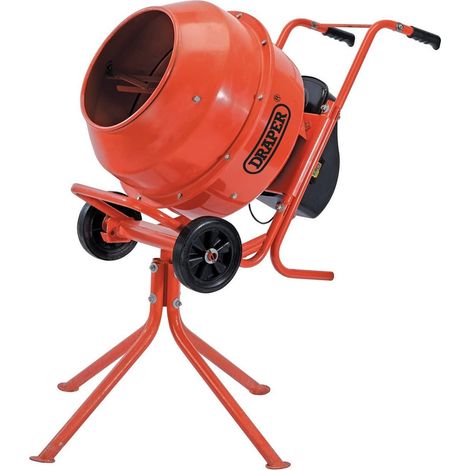
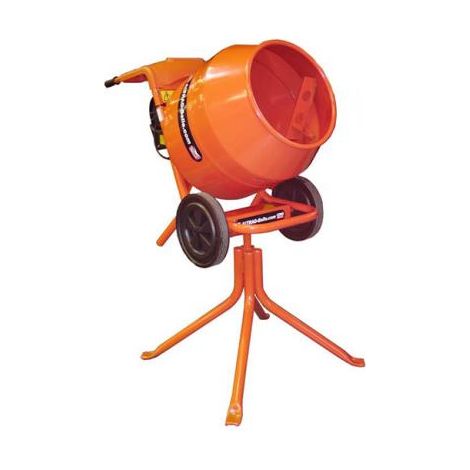
A concrete mixer consists of various components:
- a mixing drum in which the aggregates (cement, sand, water, and gravel) are mixed;
- an electric or thermal engine to rotate the drum;
- a wheel with stop notches for tilting the drum;
- a rigid frame;
- wheels for easy movement.
Some information about thermal models:
- they are appreciated for their affordable price;
- they require no maintenance;
- models with a power less than 1,500 W operate under 220 V (single phase) versus 380 V (three-phase) for the more powerful ones;
- they start easily regardless of the outside temperature;
- mini versions (65 l drum) can be used indoors.
Thermal concrete mixers also have some characteristics to be aware of:
- they are appreciated for their autonomy;
- they operate on gasoline;
- the power of their engine ranges from 1 to 7 HP;
- they are intended for large construction sites;
- they are equipped with a large capacity drum;
- they are mounted on wheels to be towable on the road.
Some rules should be observed when using this type of equipment.
- The mixing capacity corresponds to 80% of the drum volume. Therefore, a 100 l drum allows for producing 80 l of concrete per batch.
- The homogeneity of the mix is not optimal if the drum is filled to the brim.
- The number of bags of cement per batch depends on the chosen dosage. Generally, half a bag (35 kg bag) of cement per batch is needed for a mixing capacity of 110 l, compared to 1 bag for a mixing volume of 140 l to 180 l.
The choice of a concrete mixer thus depends on the size of the construction site, the availability of electricity, and the work area (on a floor, in a basement, etc.).
'/%3E%3C/svg%3E)
'/%3E%3C/svg%3E)