To properly feed a horse, it is essential to know its needs based on its metabolism and activities. The owner must also consider the horse's living conditions. Thus, a horse living in a stall will not be fed in the same way as one living in the wild.
Basically, the horse is an herbivore. It is therefore supposed to spend most of its time grazing. However:
- it needs a balanced diet to meet the needs of its body related to its size, age, and activity;
- its daily ration must cover the necessary intake for maintaining its body and its work;
- it is essential to provide a sufficient feeding bulk to ensure the proper functioning of its intestinal transit. Furthermore, the intake of essential fibers for its digestive tract is mainly provided by grass, hay, or straw.
Unlike bovines, the horse is not a ruminant. Its digestive system is therefore more fragile. Moreover, its body does not allow it to vomit. Consequently, it is important to ration its diet well to avoid gastric problems. Professionals generally recommend preparing 4 to 5 meals per day in a reasonable quantity at each intake.
The horse is distinguished by its dynamism, its size, and its preference for large spaces and natural environments. Thus, to meet its energy needs, it must notably feed:
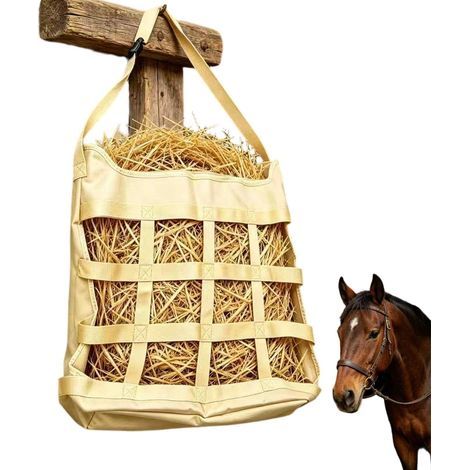
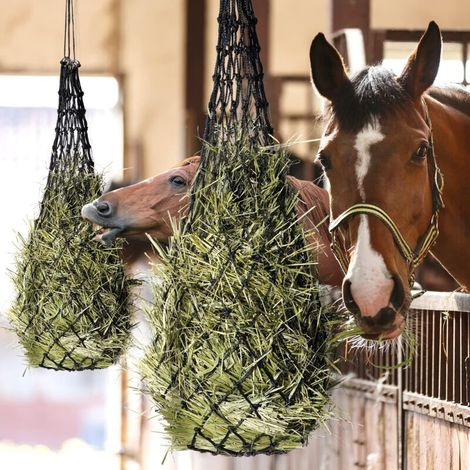
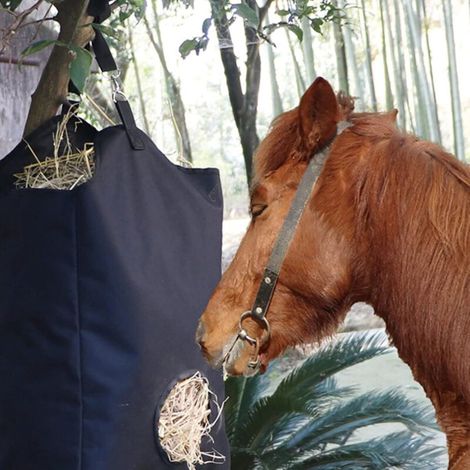
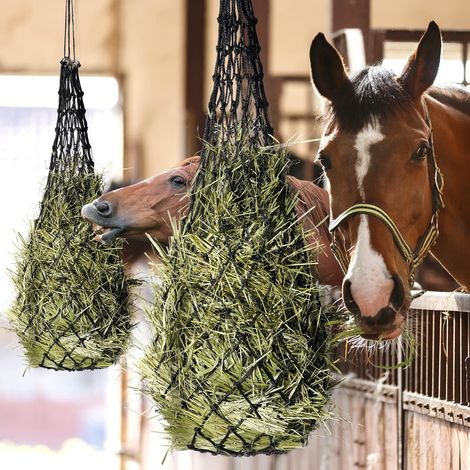
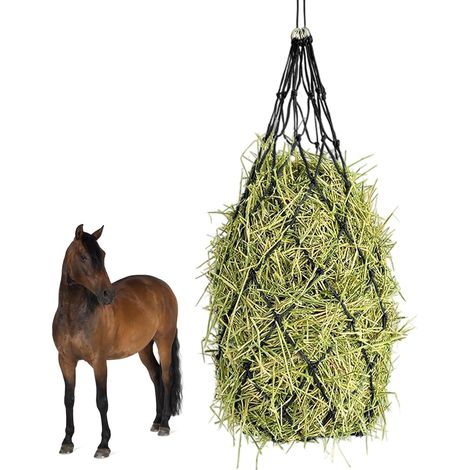
- on grass (for horses raised in the field) or forage (straw, hay, etc.);
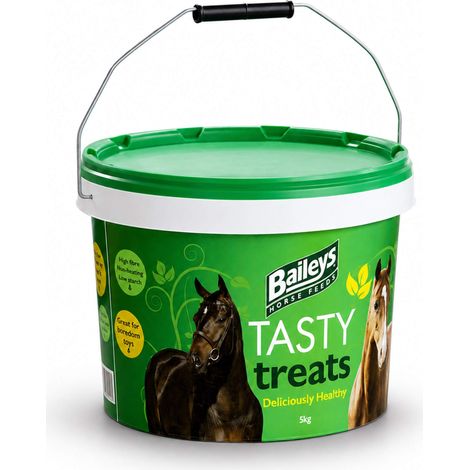
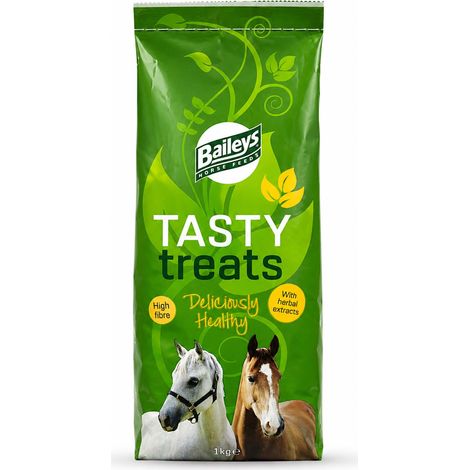
- on processed and concentrated foods (pellets, cereals in their natural forms, products containing oil cakes, cereals as well as supplements in vitamins and minerals);
- on fruits and vegetables (carrots, apples, etc.).
It is imperative to adapt the horse's diet to its specificities and lifestyle.
- The nutritional needs of a horse primarily depend on its breed, size, age, physiology, temperament, and the work done daily. It is thus necessary to consider these different criteria to determine the appropriate ration and the food required by its body. Logically, a lactating mare and a sport stallion will not have the same diet.
- Observing the horse's general condition also allows to adjust its diet gradually. By regularly checking its condition of fattening, it is possible to reassess its ration to help it achieve its optimal weight.
- It is imperative to adjust the quantity of grass offered to the horse according to the season and environment where it evolves (paddock, field, stall, etc.). The forage intake must, for example, be more regular and generous for a horse placed on artificial bedding.
The diet of a horse is dictated by its overall health and lifestyle. In case of doubt, it is better to contact a professional (veterinarian, trainers, breeders, etc.) to get practical advice and ensure the horse's well-being.









'/%3E%3C/svg%3E)