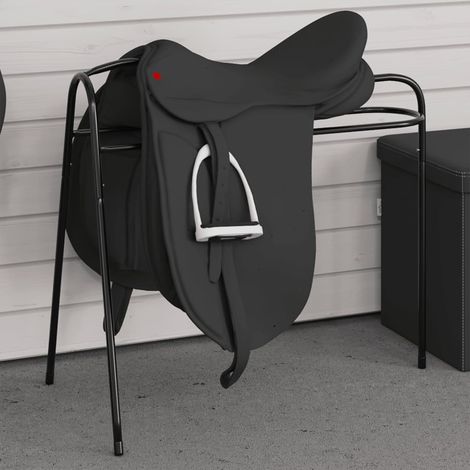
Saddles and other equipment for equines are necessary for horseback riding. Made of leather or synthetic material, they are chosen based on the size and build of the user, as well as the horse.
Different types of saddles are available depending on the activities performed.
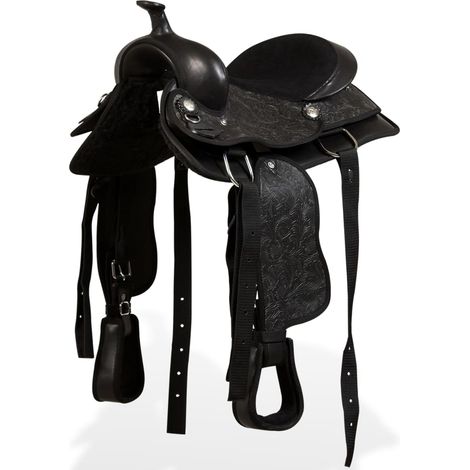
- Models designed for trekking are equipped with a wide and padded seat to prioritize the comfort of both the rider and the horse. Rings allow the rider's saddlebags to be fastened.
- Versions designed for show jumping are characterized by their semi-deep or flat seat providing the rider with good freedom of movement. Their forward-oriented flap allows the rider to shorten the stirrups without losing balance. Knee rolls located at the front and rear stabilize the legs during jumps.
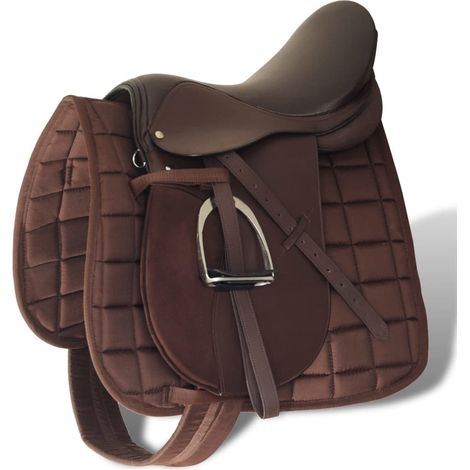
- Mixed models owe their versatility to their wide semi-deep seat optimizing comfort during rides and their forward-leaning flap practical for show jumping. They are recommended for club use.
- Pony saddles are intended for young learners on ponies.
Various parameters should be considered when choosing a saddle:
- Leather models are appreciated for their elegance and durability. They optimize the contact between the rider and the mount.
- Synthetic versions are lightweight and easy to maintain. They are suitable for young riders and women. These pieces of equipment can be used in any weather conditions due to their quick-drying properties. Their affordable price is an advantage.
- The chosen model must fit the rider's size. Thus, a 15'' accessory is suitable for an 8 to 10-year-old child, a 16''5 model for a teenager or an adult under 1.55 m, a 17''5 version for a person measuring between 1.56 m and 1.75 m, and an 18'' model is ideal for a tall rider.
- The horse’s physical characteristics are also important. A narrow-treed accessory suits an animal with a fine wither. Conversely, a wide-treed model is preferable for a horse with a flat back and a low wither.
Other equipment for horses is necessary for horseback riding:
- stirrups for the rider's feet;
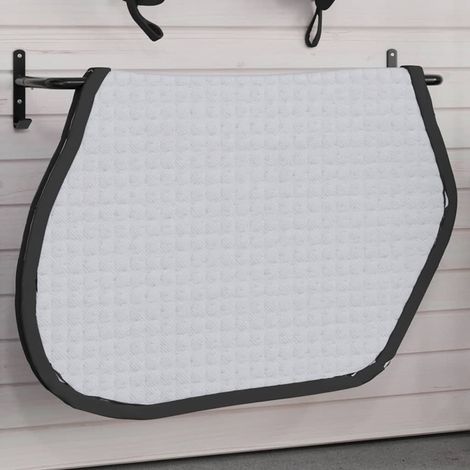
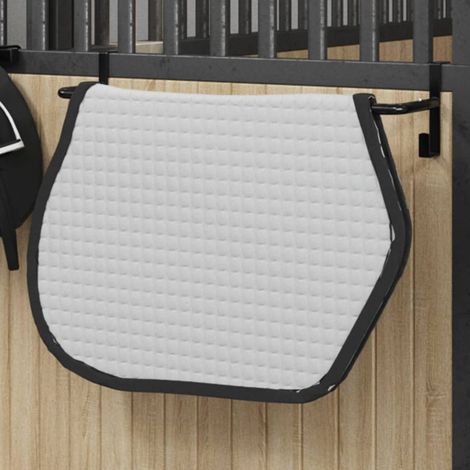
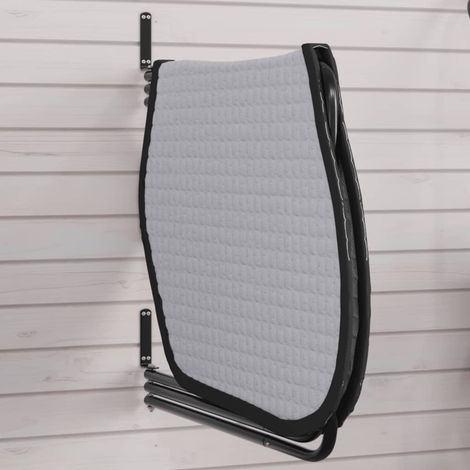
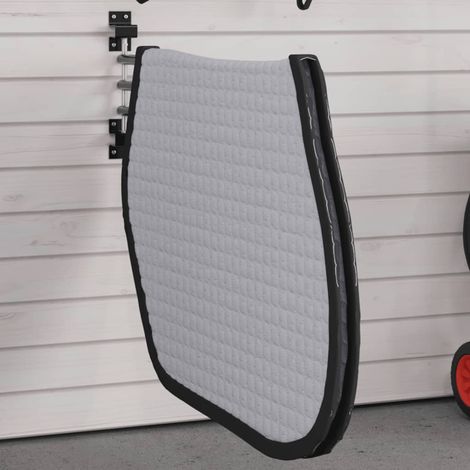
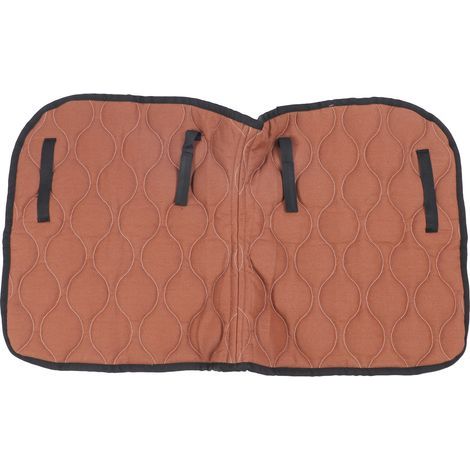
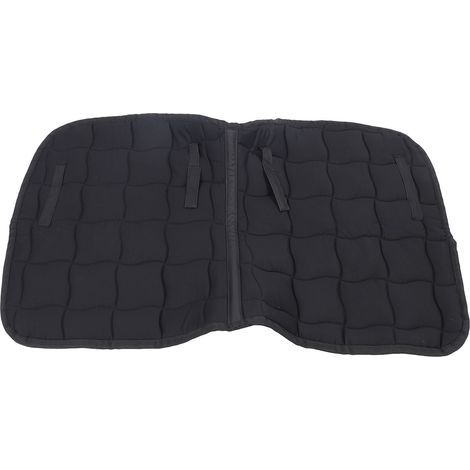
- pads suited to the chosen type of saddle (dressage or mixed);
- martingales;
- bridles;
- bits;
- tie ropes;
- reins to direct the horse.
Ultimately, the choice of saddle and horse accessories depends on the activities performed, the horse’s physical characteristics (back width and wither shape), and the rider's morphology.





'/%3E%3C/svg%3E)