The water in a swimming pool requires regular maintenance throughout the year to optimize swimmer comfort. To simplify the task, it is advisable to use special products and pool cleaners such as chlorine or PHMB.
The water in a swimming pool must be treated regularly with disinfectants, stabilizers, and purifiers to prevent the development of microorganisms and aquatic plants such as algae. For healthy water, special products and pool cleaners are used depending on the nature of the problem encountered. An analysis is carried out beforehand to choose the appropriate treatment product. This involves measuring:
- the level of disinfectant present in the water;
- the level of stabilizer;
- the pH of the water, which determines its acidity, alkalinity, or neutrality.
Water quality control is carried out with instruments such as:
- simple electronic testers or with an automated regulator;
- strips or test strips.
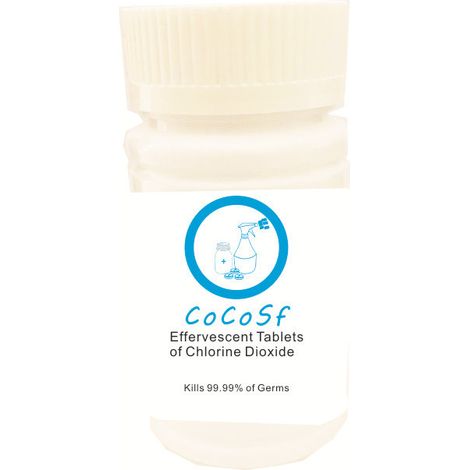
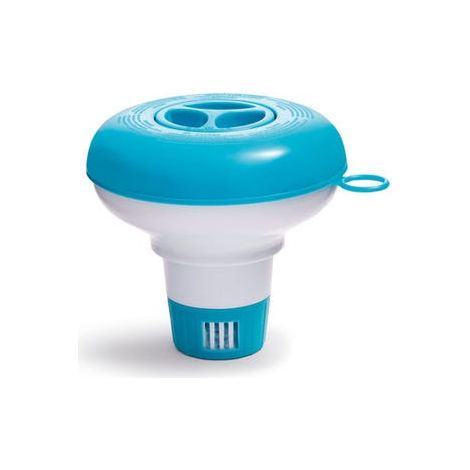
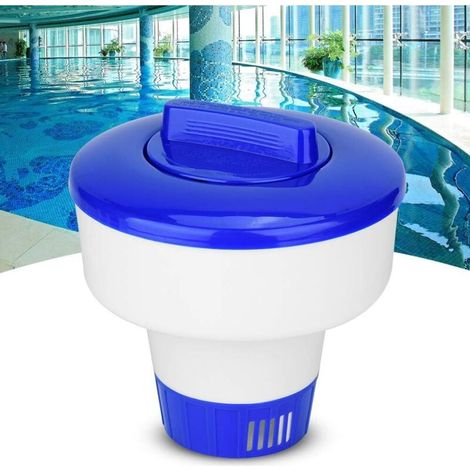
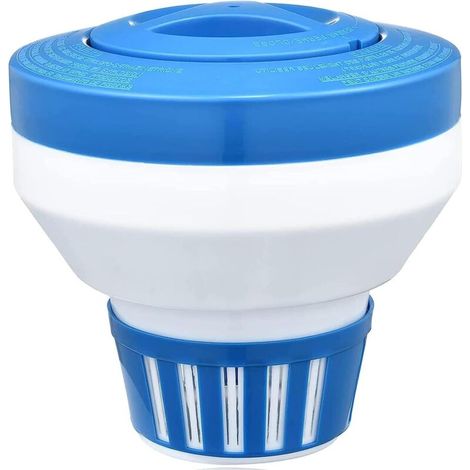
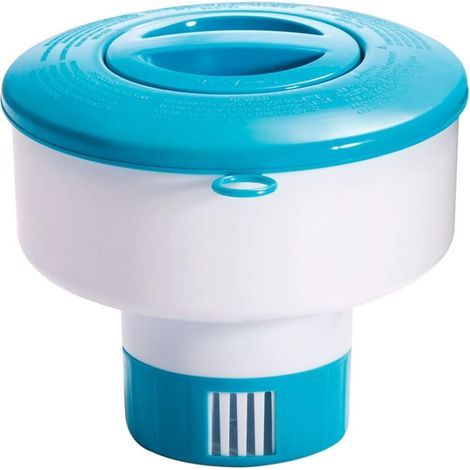
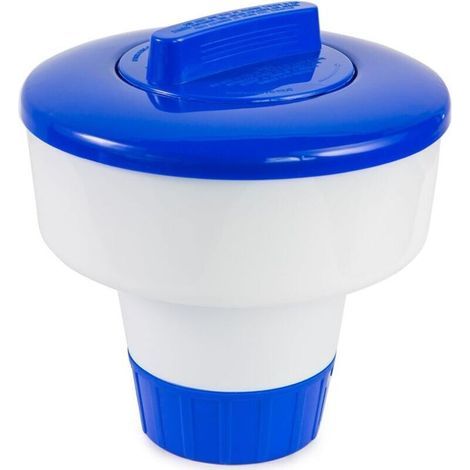
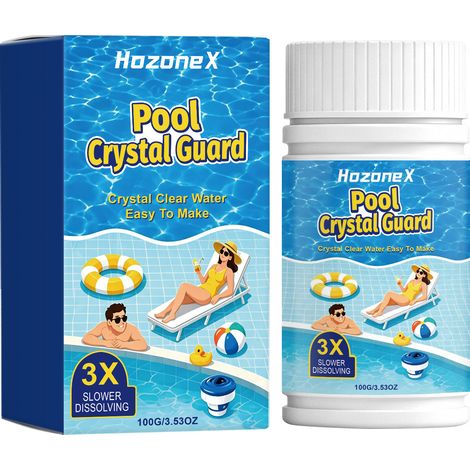
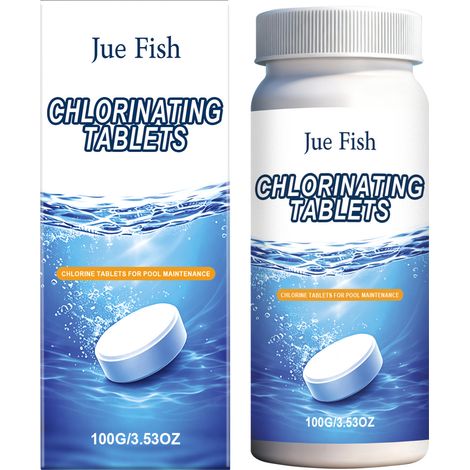
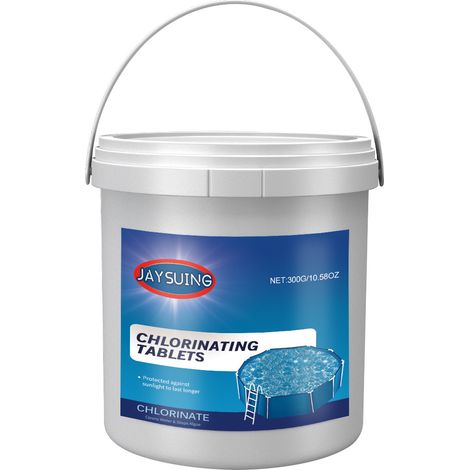
There are currently several ways to disinfect swimming pool water. The product used can come in the form of powder, liquid, or tablets. It can be chlorine, bromine, PHMB, or an ionizer. If green algae traces appear despite the use of these disinfectants, they have not been used correctly. It is possible to combat algae proliferation with special products such as:
- algaecides or algicides;
- active oxygen or hydrogen peroxide.
As for the stabilizer, it is mainly intended to keep chlorine in the water for as long as possible.
Regarding pH, it must be maintained between 6.8 and 7.4 to obtain neutral water. A special product helps to stabilize the water's pH while optimizing swimmer comfort. Additionally, treatment products are more effective. Two types of correctors help stabilize the water's pH:
- pH - if the water is alkaline;
- pH + if the water is acidic.
In conclusion, special products and pool cleaners should not be chosen randomly or used excessively. It is recommended to follow the manufacturer's instructions for optimal effectiveness.


'/%3E%3C/svg%3E)
'/%3E%3C/svg%3E)