There are different feeding methods to properly nourish your dog. The key is to adapt its diet to its size and age. Moreover, it is important to monitor the nutritional intake of each product to ensure the health and well-being of your canine companion.
In general, dog owners have the option to choose among three possibilities: industrial food, homemade food, and mixed nutrition.
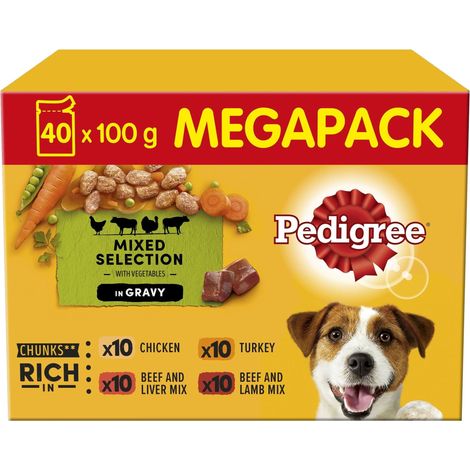
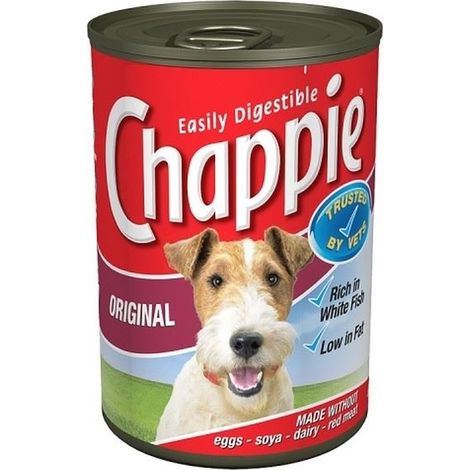
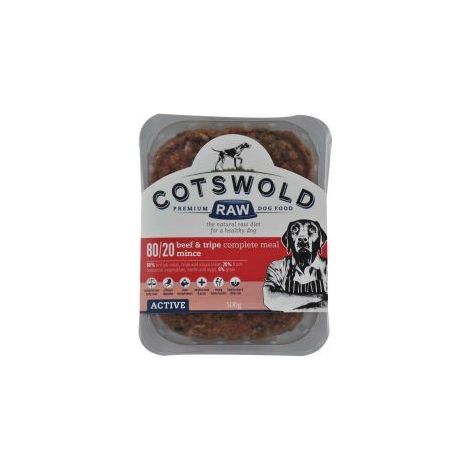
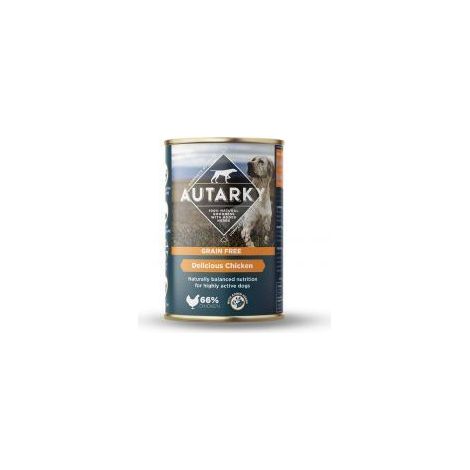
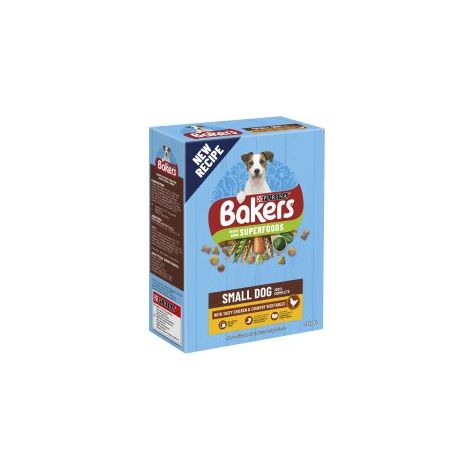
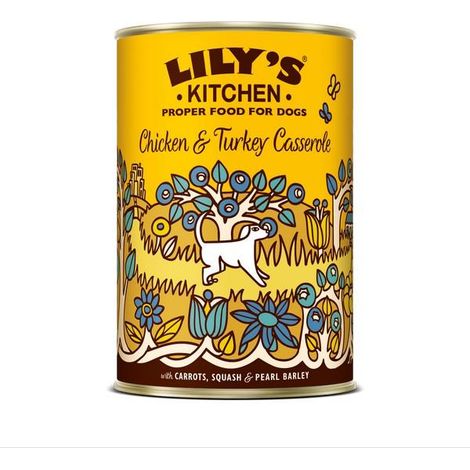
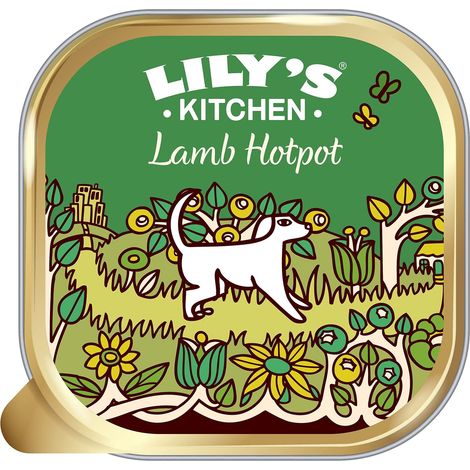
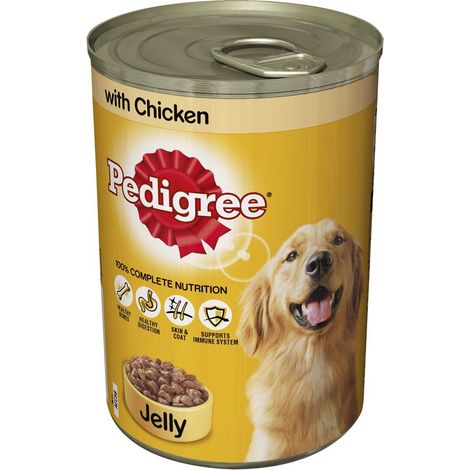
- Industrial food mainly consists of wet foods like canned or tray pâtés. Dry food such as kibbles also represents an interesting alternative. Quite common, this type of food is very practical and meets the nutritional needs of your canine companion.
- Commonly referred to as "homemade ration," homemade food requires the advice of a veterinarian to find the right quantity and quality for your dog. It is important to respect the specific diet of the dog. Indeed, this animal is neither a human nor a strict carnivore. Therefore, it is necessary to consider these parameters to find the foods that meet its needs. If properly prepared, homemade food ensures the health and well-being of the dog, both from a digestive and nutritional point of view. This diet comes in different forms: Biologically Appropriate Raw Food (Barf) or Raw feeding.
- Mixed feeding takes advantage of the main benefits of both industrial food and homemade food. In this diet, the dog can have kibbles for one meal and a homemade ration later, or vice versa. The main advantage of this type of diet is to benefit from the specific intake of each type of food. Moreover, industrial food allows the introduction of dietary supplements into your dog's diet.
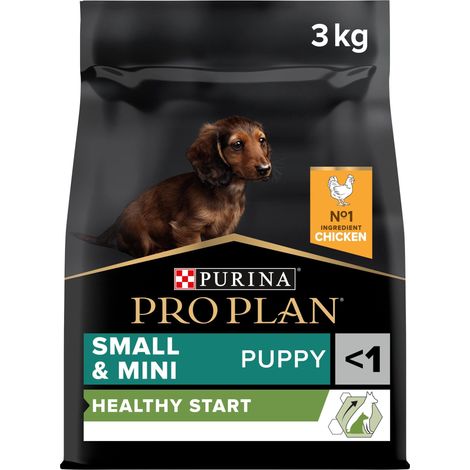
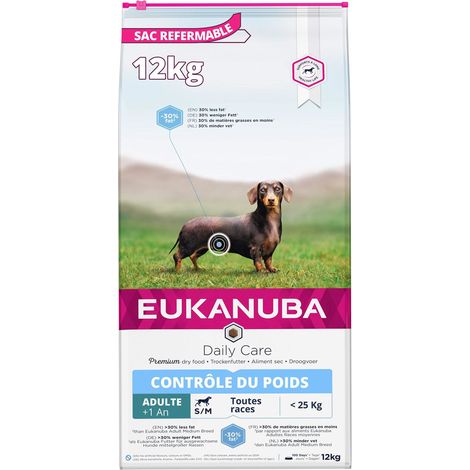
To meet the needs of the dog, kibble manufacturers tailor their products according to the age of the animal. Thus, the kibbles available on the market come in three varieties.
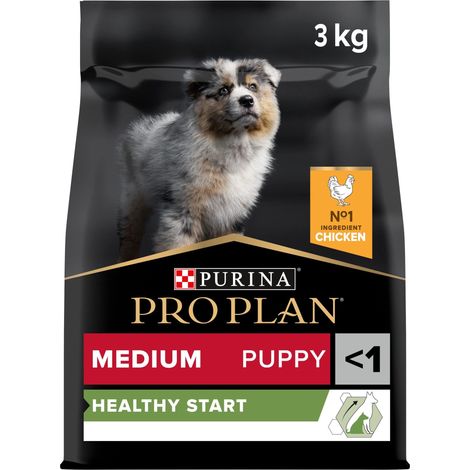
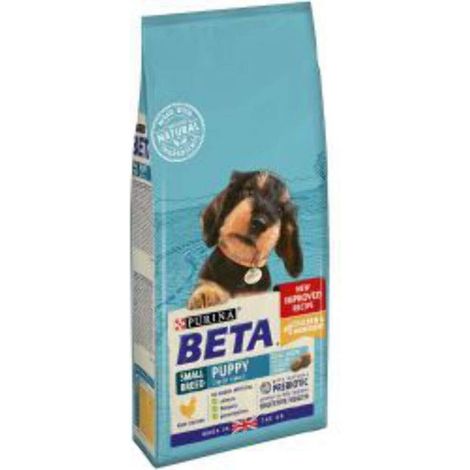
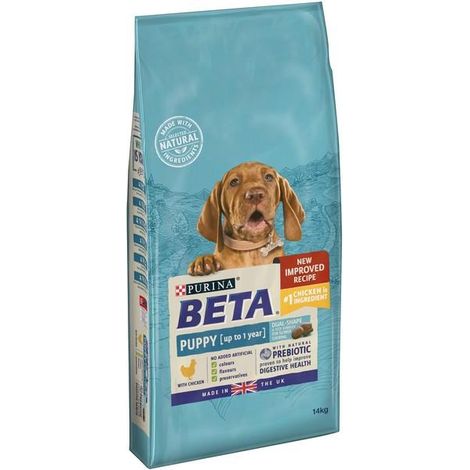
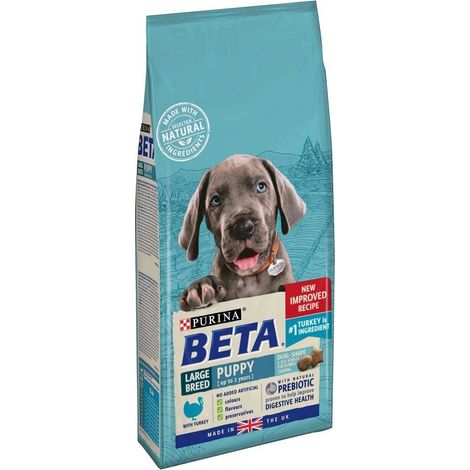
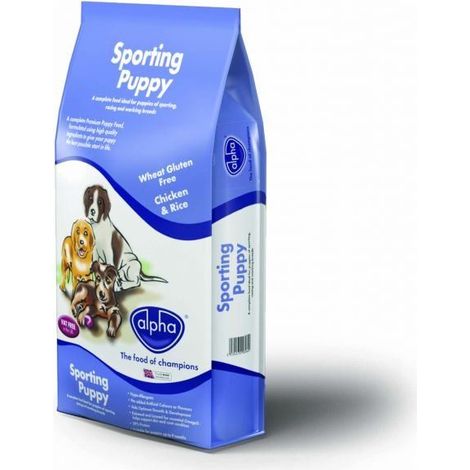
- Puppy kibbles focus on the growth of bones, cartilage, and muscles of young dogs. They also help prevent dysmorphia or growth retardation. Moreover, this type of product contains a notable supplement of calcium and minerals to meet the needs of growing puppies.
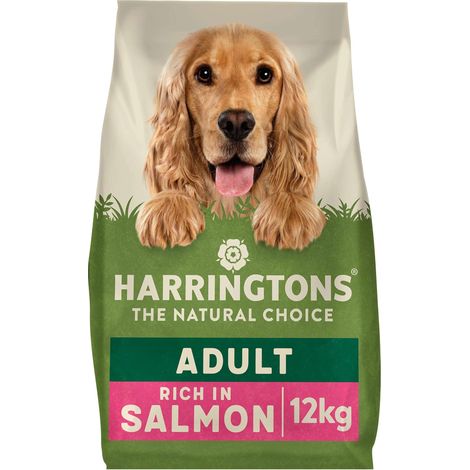
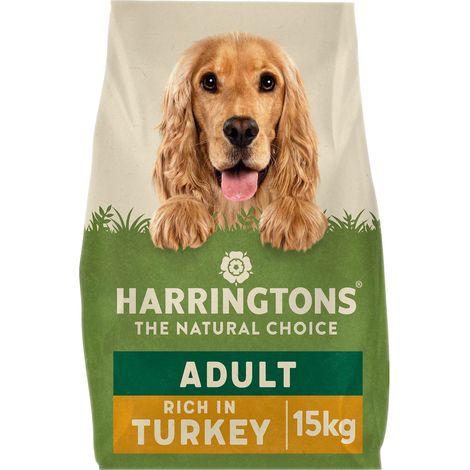
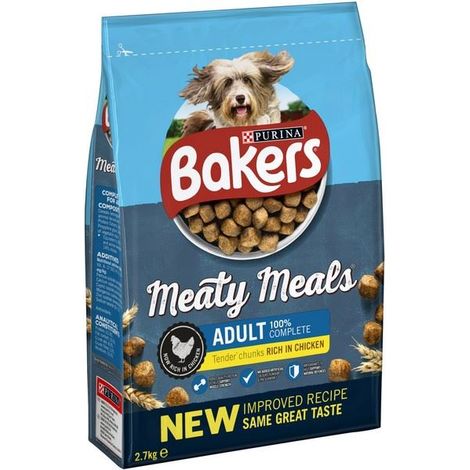
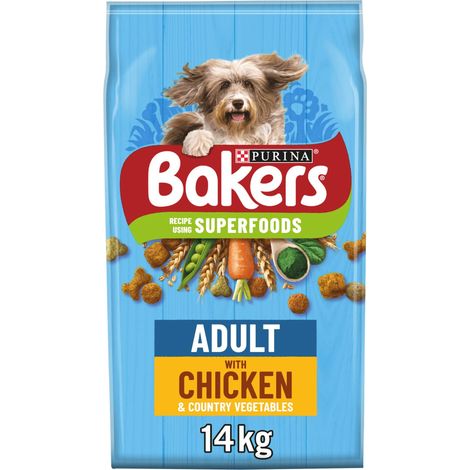
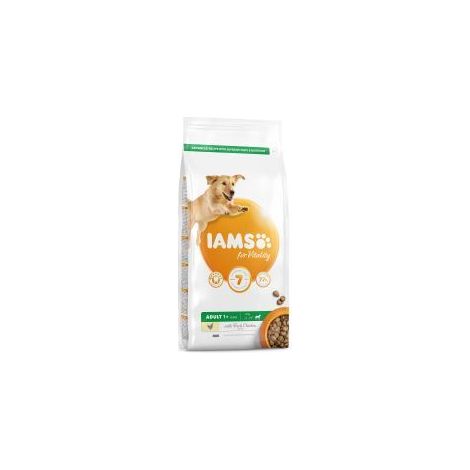
- Adult kibbles serve to maintain weight and support the metabolism of your dog. In other words, they are mainly useful to meet the nutritional needs of the animal according to its lifestyle (regular walks, couch potato dog, sports enthusiast like agility, etc.).
- Senior kibbles are specially designed to delay the onset of joint pain and keep your dog's coat shiny. Most often, they contain supplements of trace elements to limit weight gain and maintain the dynamism of your canine companion.
It is essential to consider your dog's daily activity and size to find the most suitable diet for its metabolism. Ideally, create a custom diet in collaboration with your veterinarian to determine the necessary nutrients for its development and well-being.




















![Whimzees Veggie Ear [DCse 18] - 22510 (1/2)](https://cdn.manomano.com/pim-media/images/medium/ce2bb24aca648f7ab031d1854716c7a518b808df.jpg)










'/%3E%3C/svg%3E)
'/%3E%3C/svg%3E)