The front door is useful not only for aesthetic reasons but also for securing access to the house or apartment. Whether made of wood, aluminum, PVC, or composite materials, it must resist break-in attempts and optimize the dwelling's acoustic and thermal insulation.
Front doors are manufactured from various materials, each with its advantages:
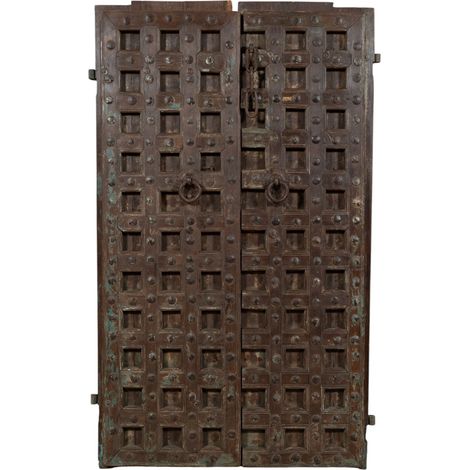
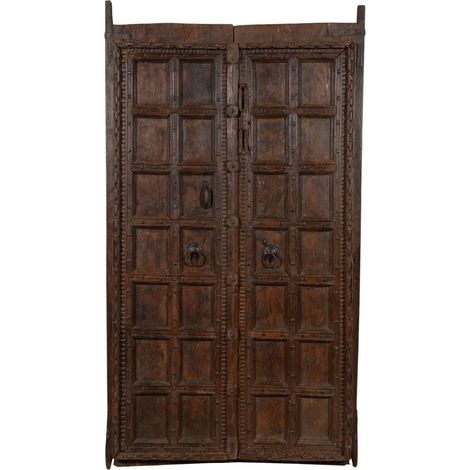
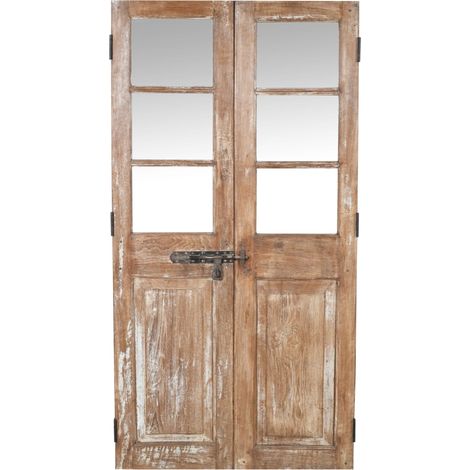
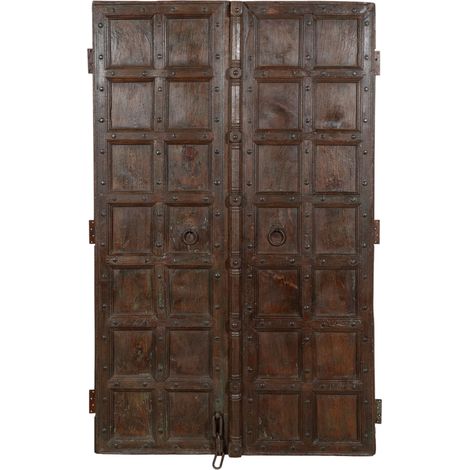
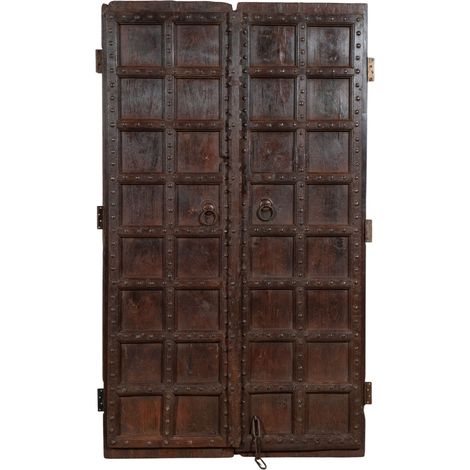
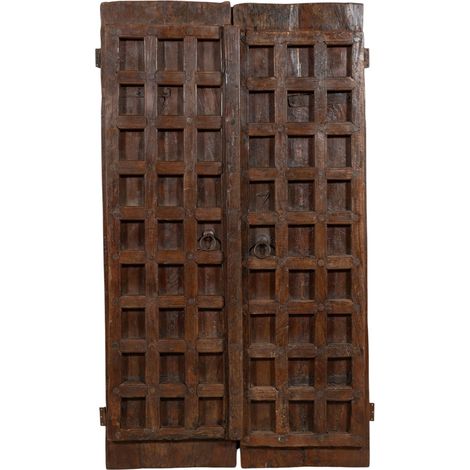
- wooden models are valued for their elegance, insulating properties, and ease of adaptation to the style of the dwelling;
- aluminum doors require no maintenance and offer optimal security;
- PVC models require no maintenance and come in various colors and designs, but must be equipped with insulating panels;
- composite material doors stand out for their high density, durability, and insulation capability.
They differ in their aesthetics:
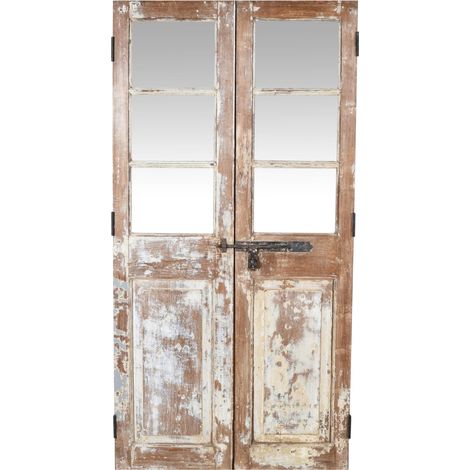
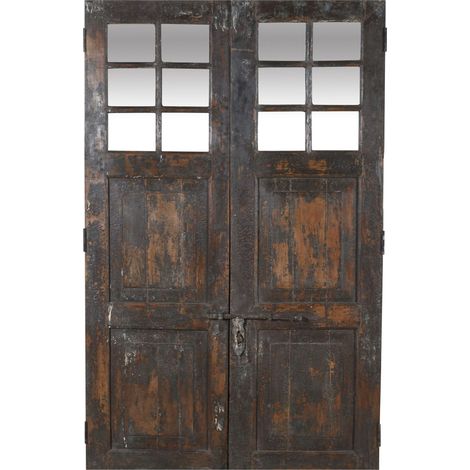
- glazed or not;
- with or without moldings;
- light or dark shades (wood);
- matte or glossy finish;
- white hue for the inside.
Front doors also differ by their level of security measured according to their resistance to a break-in attempt:
- 5 min for models classified A2P*;
- 10 min for models classified A2P**;
- 15 min for models classified A2P***.
The available models differ by their lock:
- automatic;
- lifting;
- multipoint.
These access doors are offered in different versions:
- single;
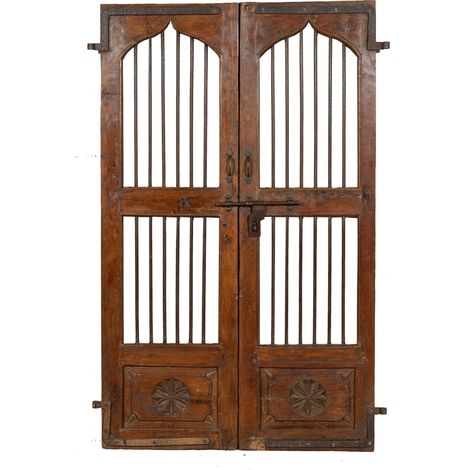
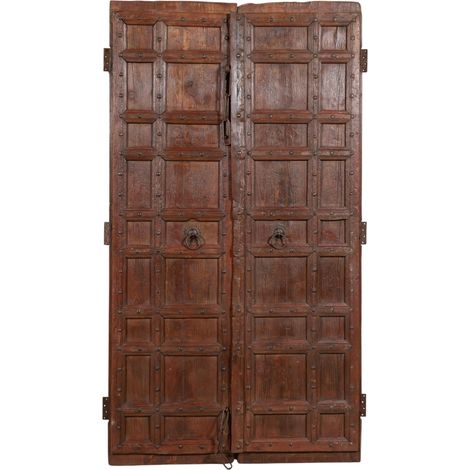
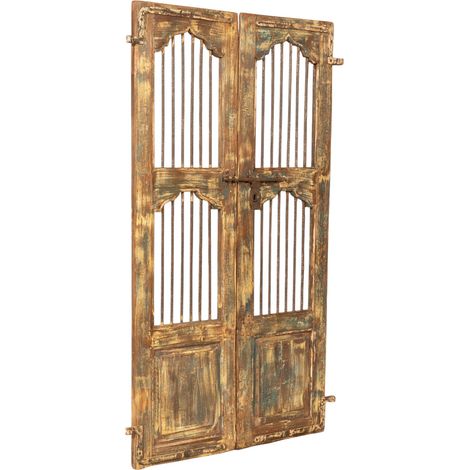
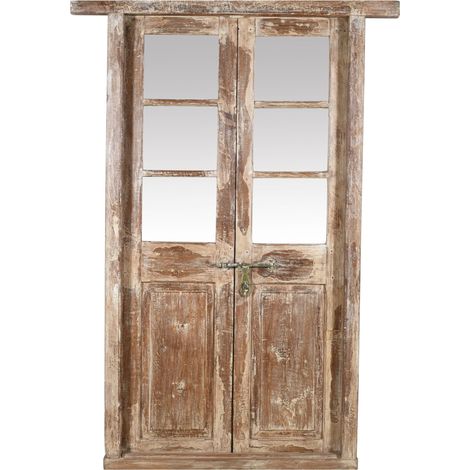
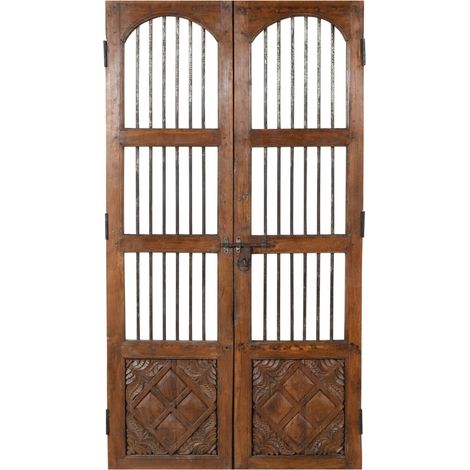
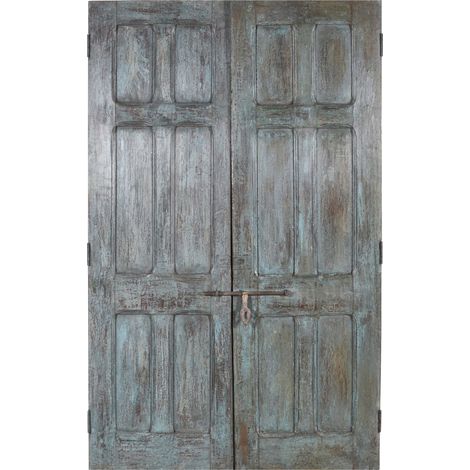
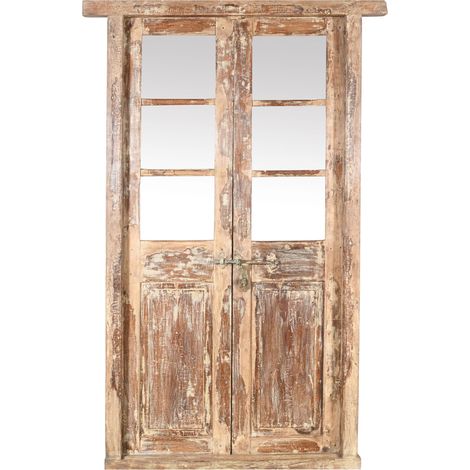
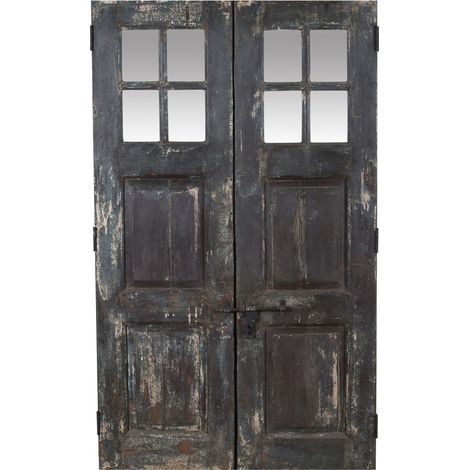
- double;
- 1/3 – 2/3.
These doors can be equipped with various accessories to optimize the occupants' security:
- a peephole to identify the person behind the door;
- a door chain guard to slightly open the door;
- a security chain.
Thus, the choice of the front door depends on a few factors, including the style of the house, as well as the desired level of security and insulation. It must comply with the NF 277 and NFS 61-937 standards to be fire resistant.

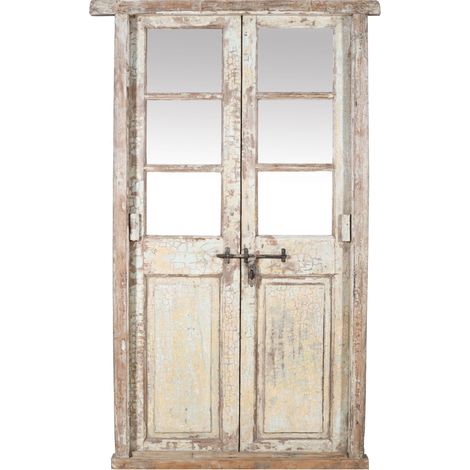
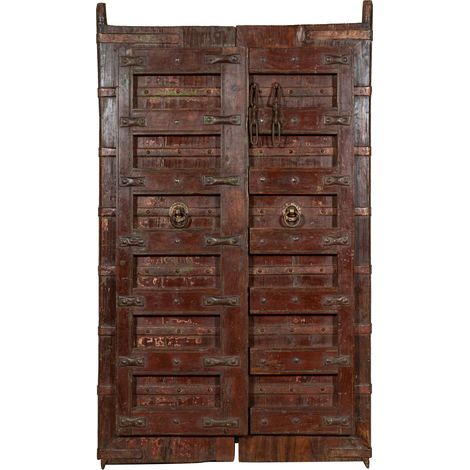
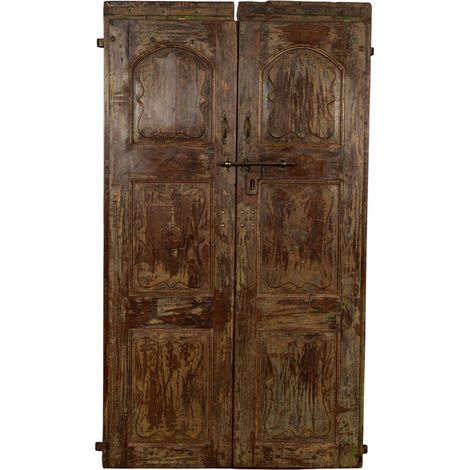
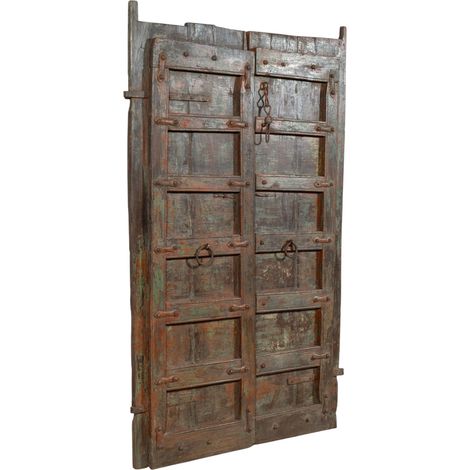
'/%3E%3C/svg%3E)
'/%3E%3C/svg%3E)