Plumbing is a field that requires the use of cutting-edge materials. Indeed, an effective water supply and drainage system must be guaranteed leak-free. To achieve this, plumbers use water-resistant and durable piping, various types of seals, and joint compound.
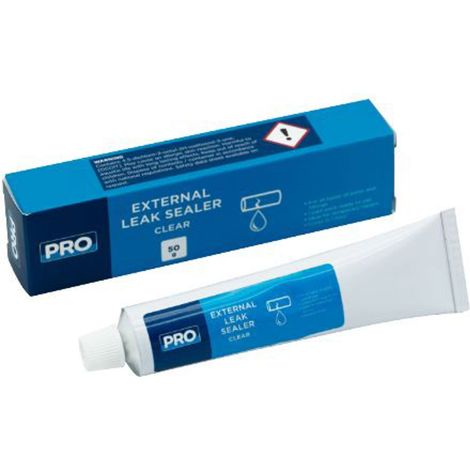
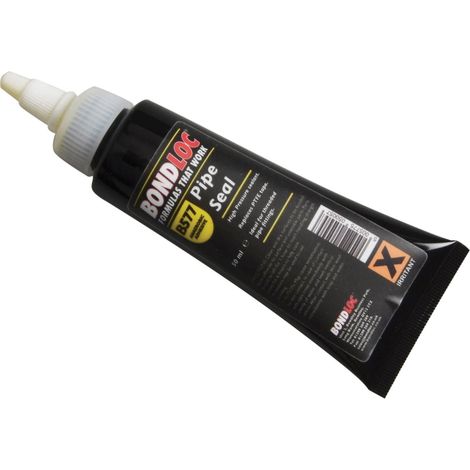
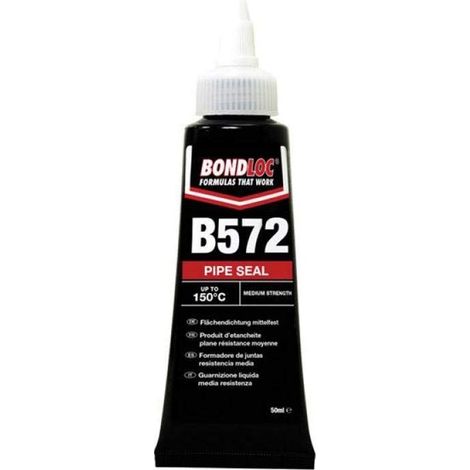
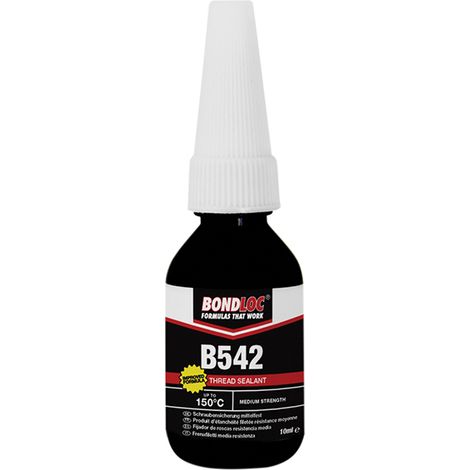
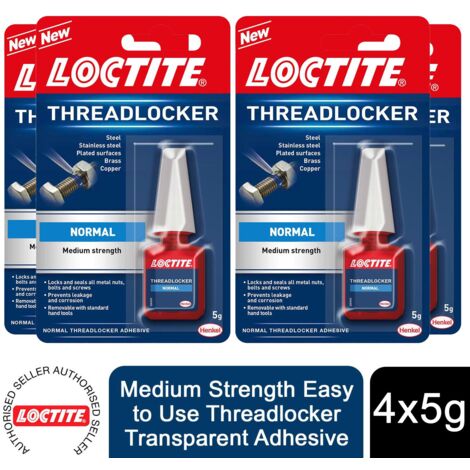
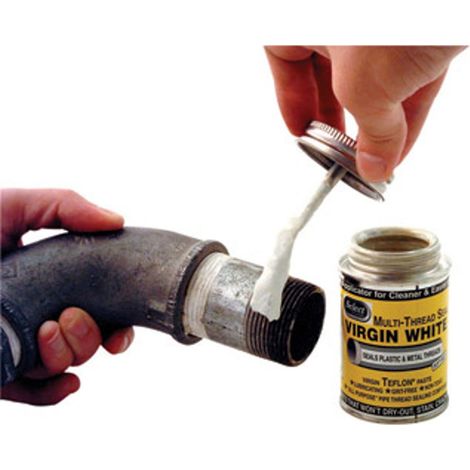
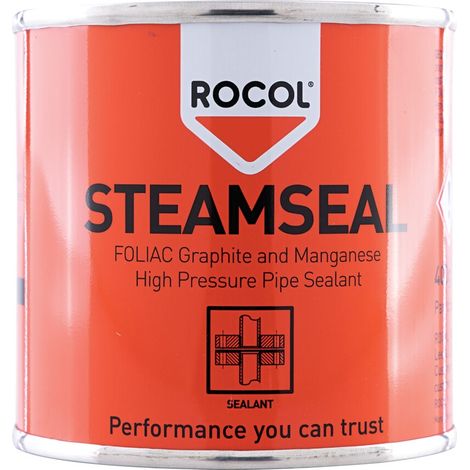
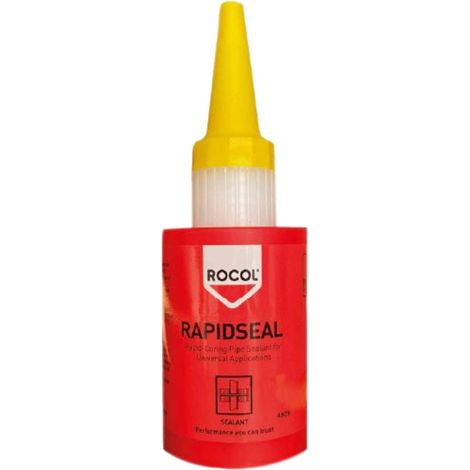
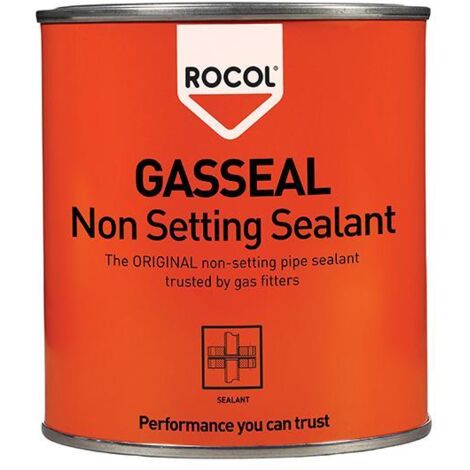
The principle of plumbing is simple: water is brought from a public source for use and then disposed of via a wastewater drainage system. This involves the use of pipes, elbows, seals... A defective plumbing system results in leaks, which are unpleasant. Thus, to ensure that no leaks are possible, the plumber uses joint compound. This paste is used to make water connections, valves, taps, and even heating circuits watertight. Made from synthetic polymer base, it allows for various applications: on threaded connections in plastic or metal, on hot or cold water pipes, or even on steam or compressed air lines. On the market, the brand GEB, for example, offers a wide range in the field. It should be noted that beyond domestic plumbing, there are pastes that can be suited to the hydrocarbon sector. Indeed, there are joint compounds resistant to oils and fuels that are used to seal hydrocarbon pipelines. These joint compounds are available in 250 g to 500 g boxes for large-scale use and in tubes for local use.
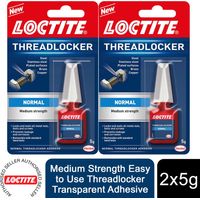
'/%3E%3C/svg%3E)
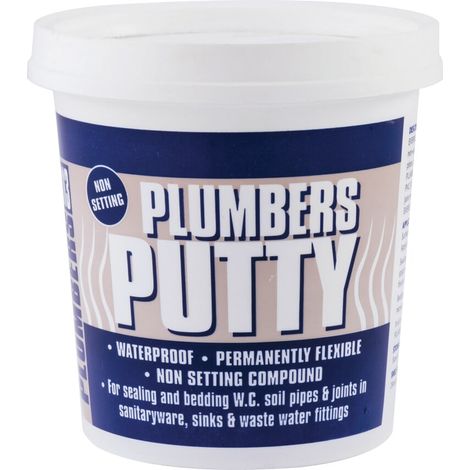

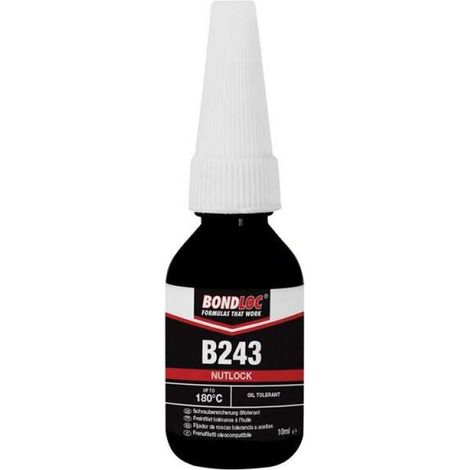
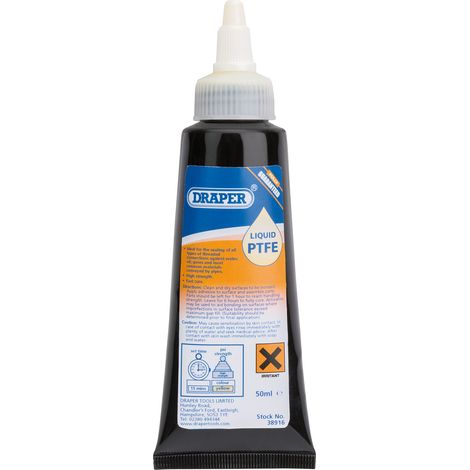


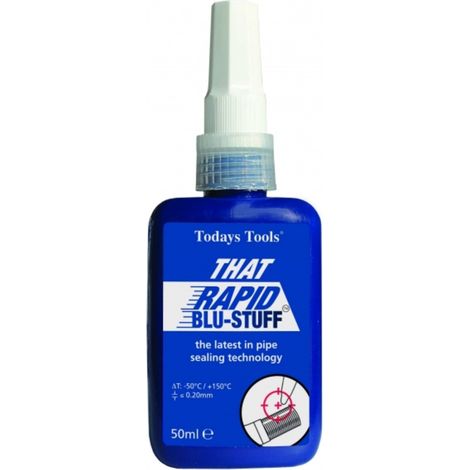
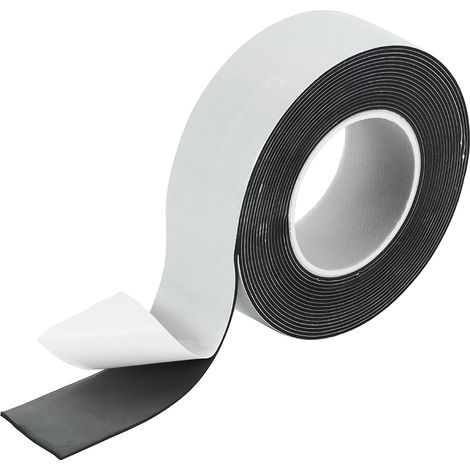

![[NEVER USED] Waterproof tape, water pipe, bucket, sewer pipe repair tape, leak-proof waterproof tape (1/4)](https://cdn.manomano.com/pim-media/images/medium/1dddc628e235c8cfe1d5af2261cf45d8c491b867.jpg)
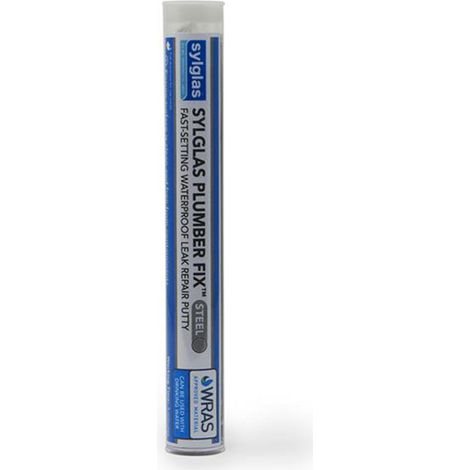




![[NEVER USED] Treadmill cover - 165x76x140 cm Waterproof and dustproof sports treadmill cover with zipper, suitable for indoor or outdoor use (1/4)](https://cdn.manomano.com/pim-media/images/medium/067f56575fa59a203f334092698ee04c36a9deac.jpg)
'/%3E%3C/svg%3E)
'/%3E%3C/svg%3E)