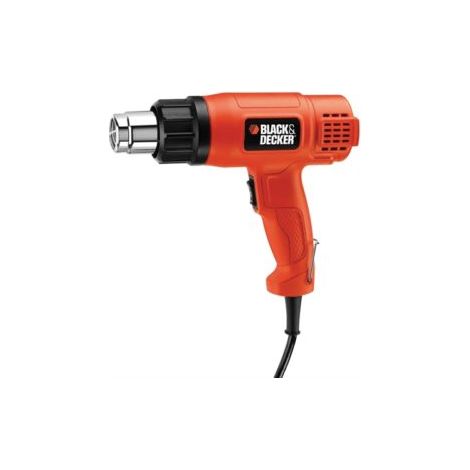
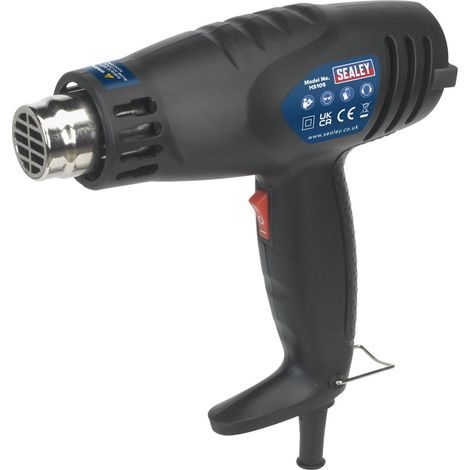
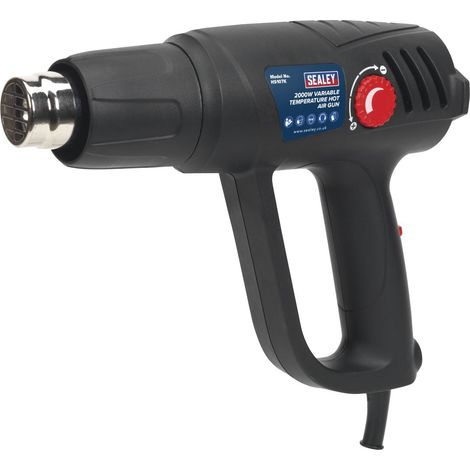
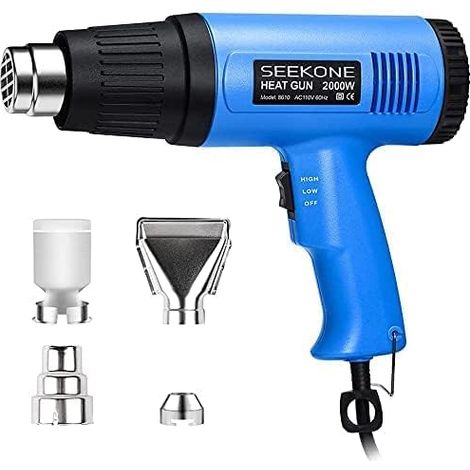
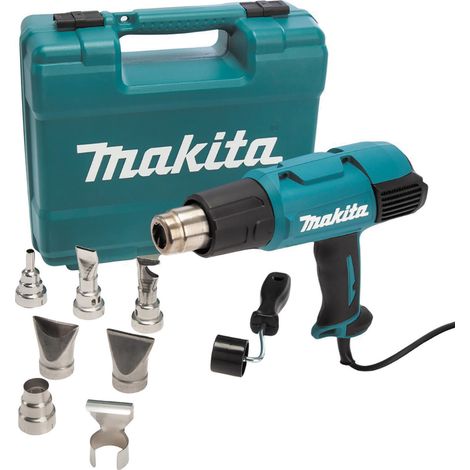
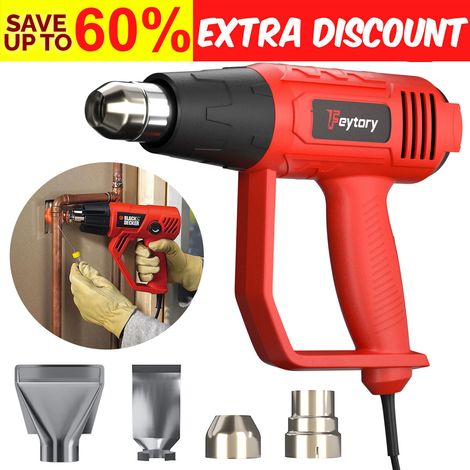
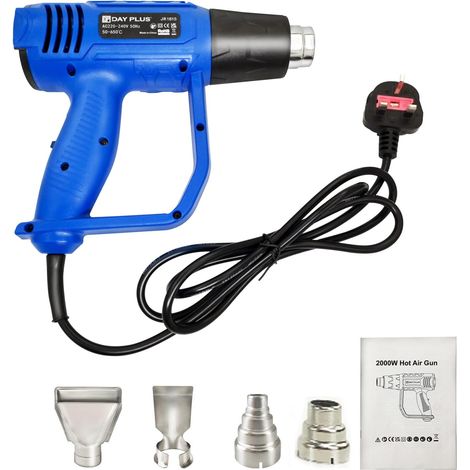
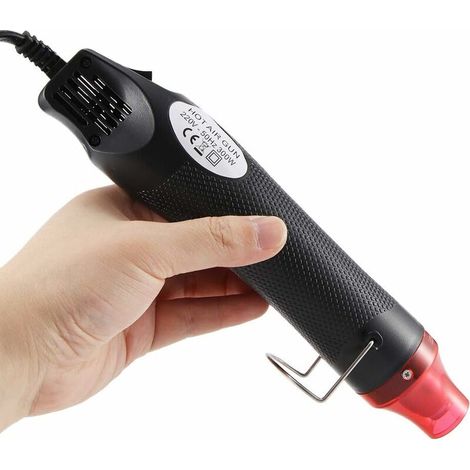
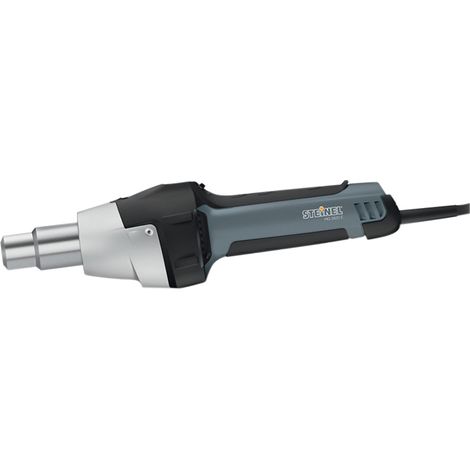
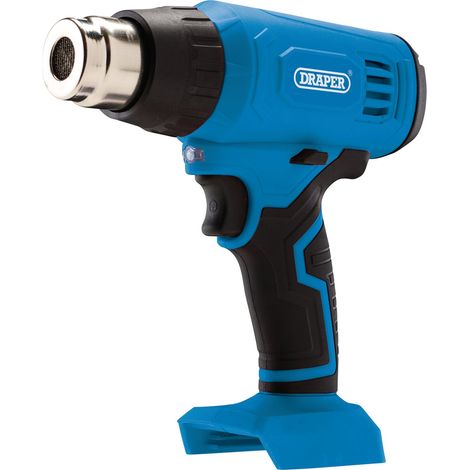
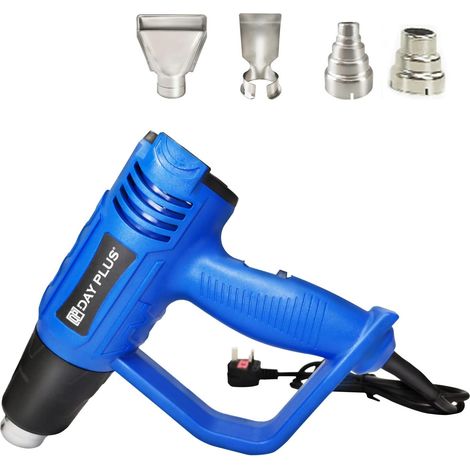
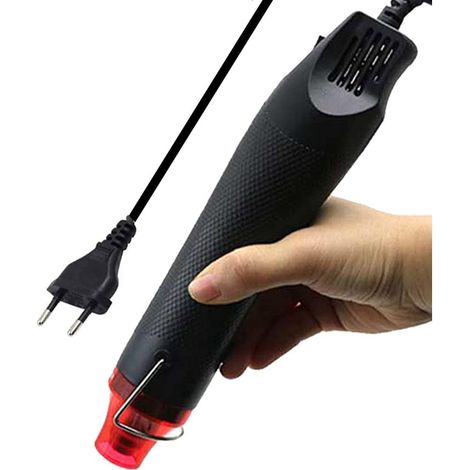
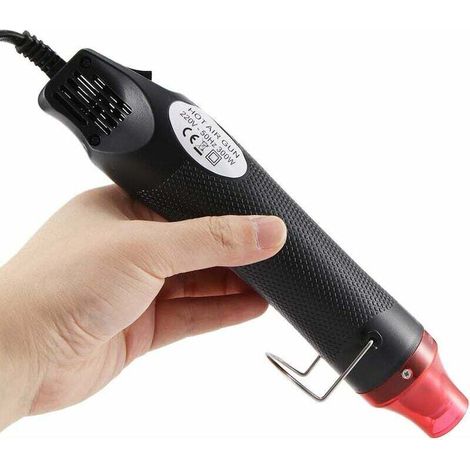
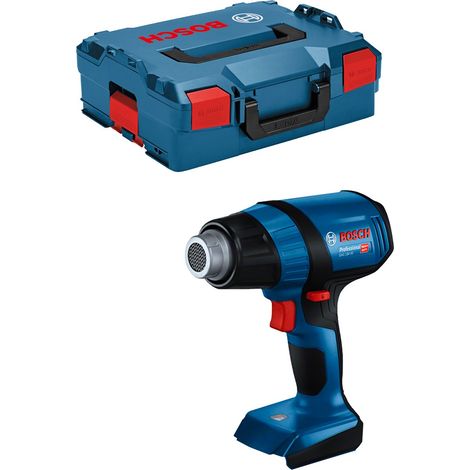
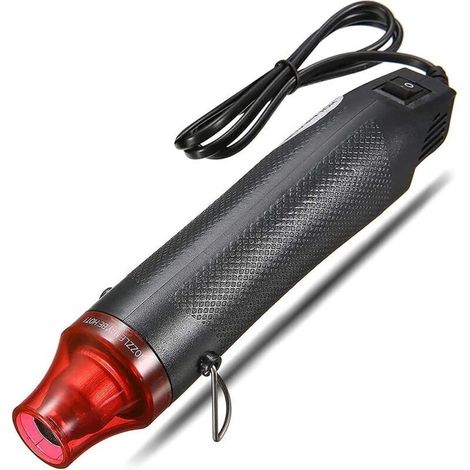
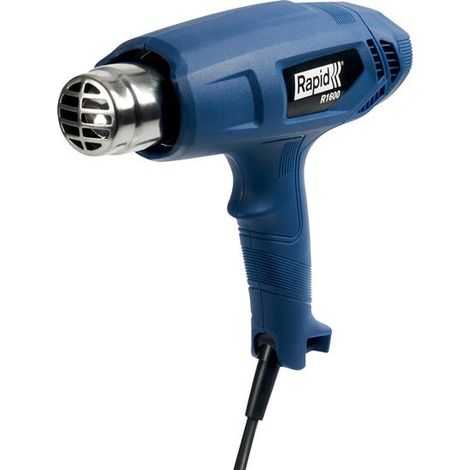
A heat gun is used to strip varnish and paint. It also allows for defrosting, soldering, and unsoldering pipes. This device is sometimes referred to as a hot air gun. Available in electric and gas versions, it can generate hot air reaching up to 600 °C.
A heat gun is designed to strip varnish or paint from various surfaces such as walls, shutters, or any other surface before sanding. Due to the temperature of the air generated, this device can also be used to:
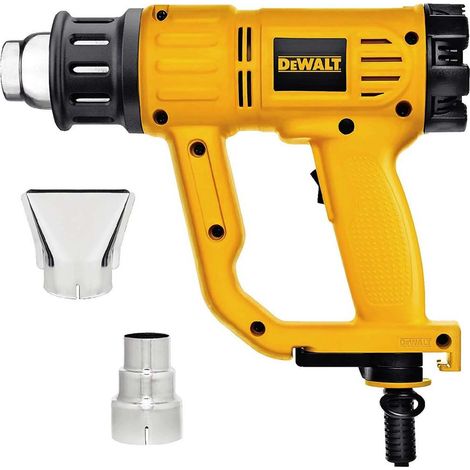
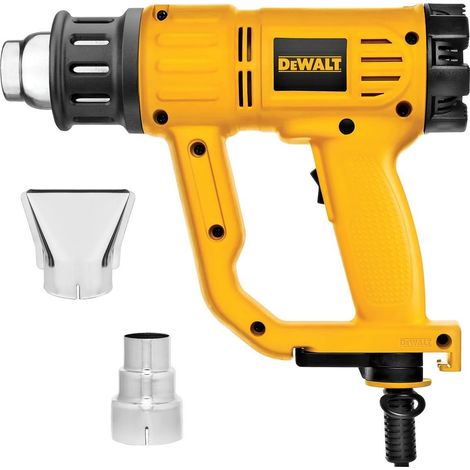
- warm up frozen pipes (using a reflective angled nozzle);
- heat pieces of wood before gluing;
- loosen seized screws;
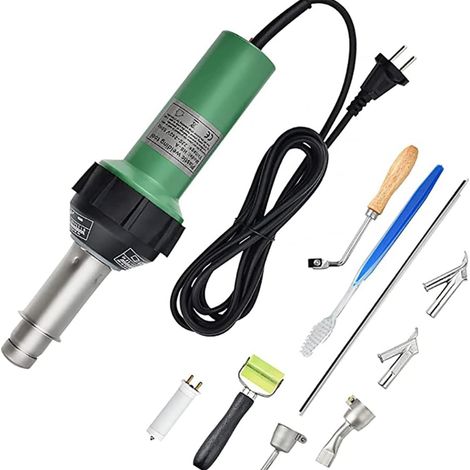
- carry out thermo-welding operations;
- dry plasters;
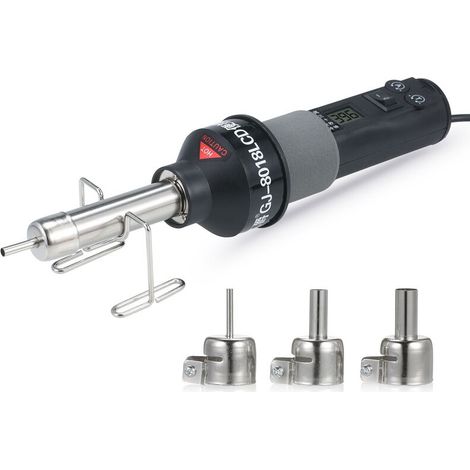
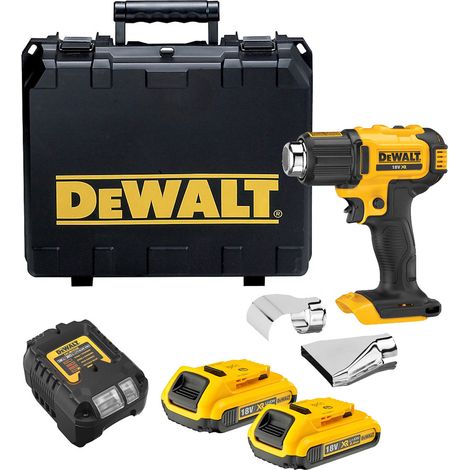
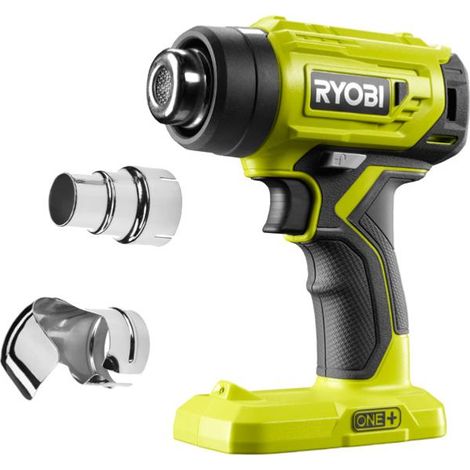
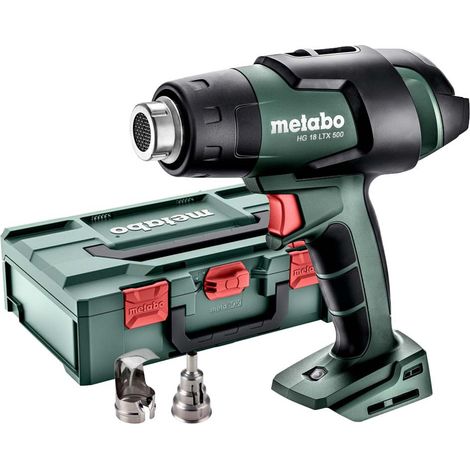
- unsolder printed circuits or parts that detach under the effect of heat (a reduction nozzle is often necessary for this kind of work);
- shape thermoplastic materials (such as tarred felt).
This device can operate on electricity or gas. Each of these technologies has its strengths and disadvantages:
- the electric version, the most common, plugs directly into an outlet, but requires an extension cord to extend its range of action;
- the gas models are independent of the mains and use a type C206 cartridge. They are cordless, and thus easy to handle but remain relatively unused due to the risks associated with gas.
The mechanical part of a heat gun is relatively simple. Therefore, when purchasing, it is better to focus on:
- its power, expressed in Watts (W), defining the maximum temperature reached by the hot air generated by the device and indicating the speed of its action on the surface to be stripped (often between 1,500 W and 2,300 W, sometimes more);
- its hot air flow rate, expressed in liters per minute (l/min), indicating the speed at which the heat produced by the device reaches the surface to be treated;
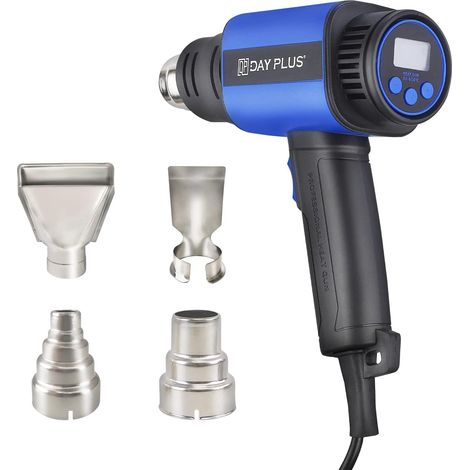
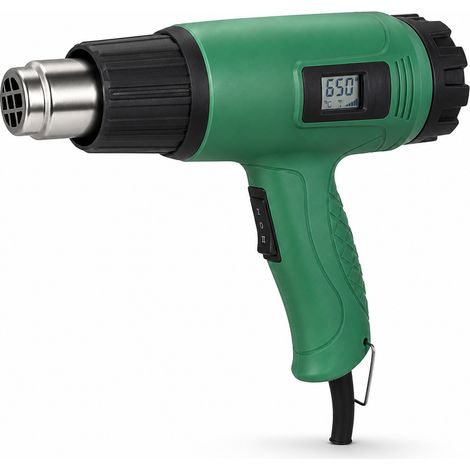
- the temperature setting, necessary in case of multiple uses of the machine (bending, welding, application to a thermoreactive material, etc.). Most often, the device has 3 temperature settings (50, 400, and 600 °C). Some models are equipped with a liquid crystal display.
When purchasing a heat gun, it is necessary to carefully observe its hot air flow rate, its power, and its temperature control system. It is also important to consider its practicality (ease of handling, ease of use, weight, ergonomics, etc.).
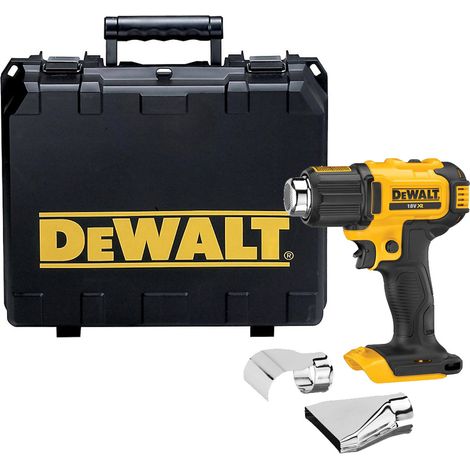
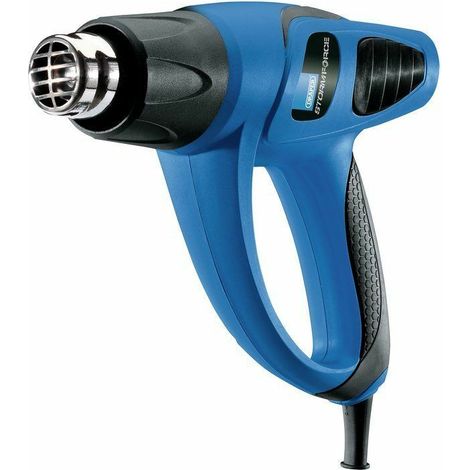
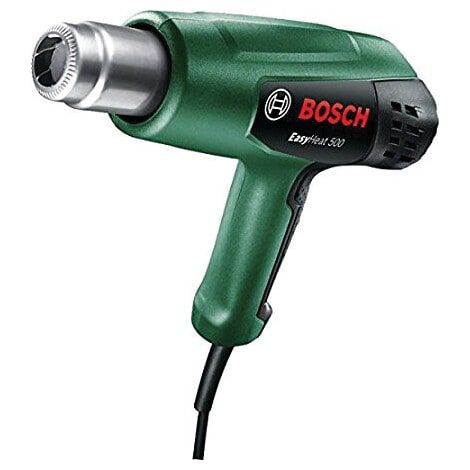
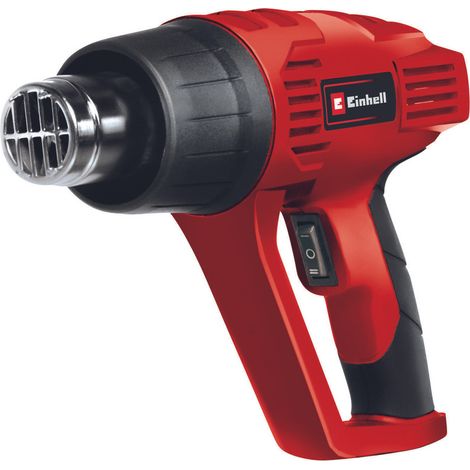
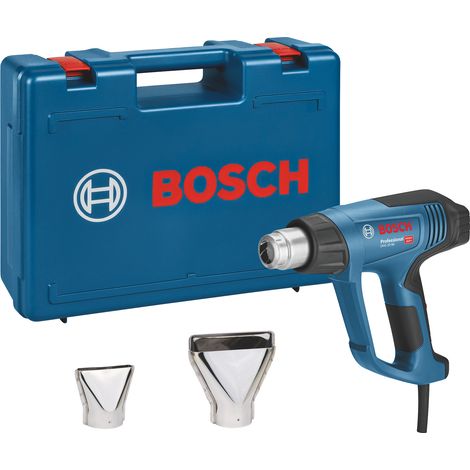
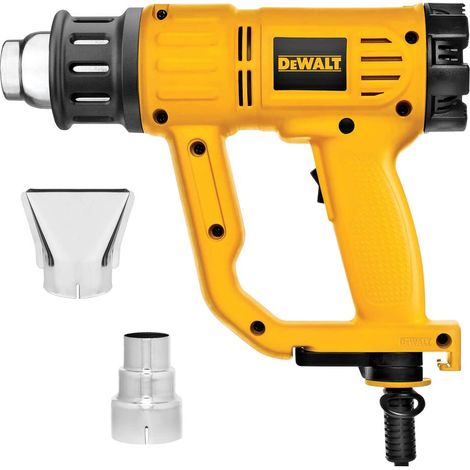
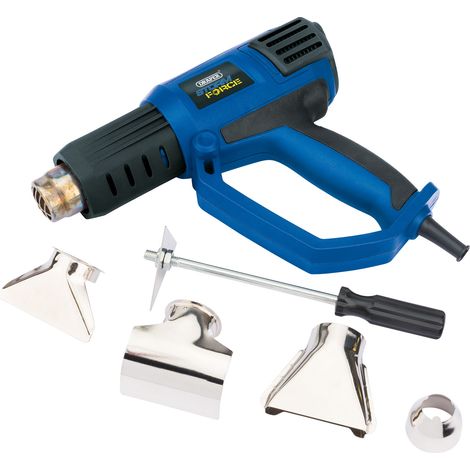
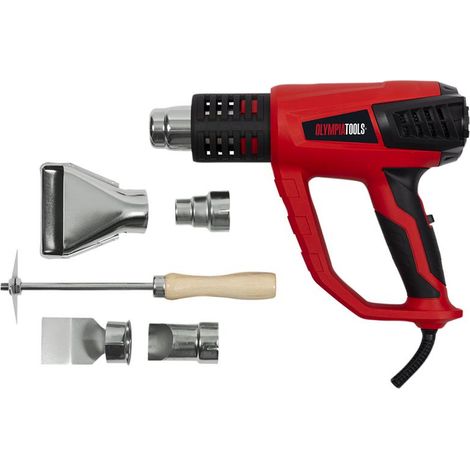
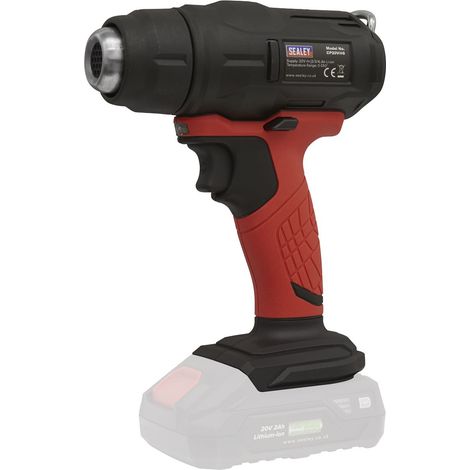
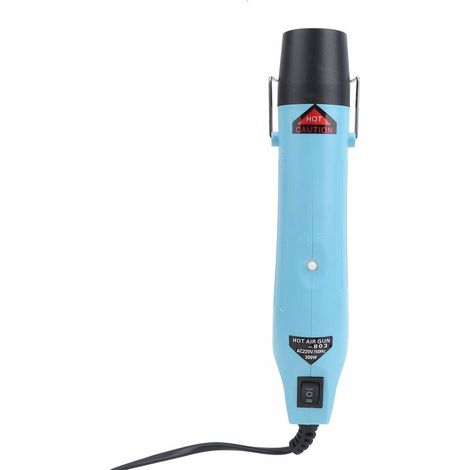
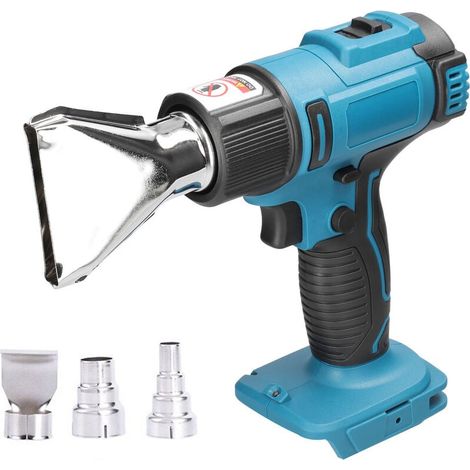
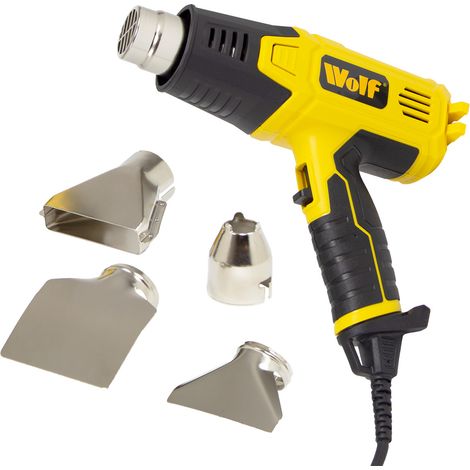
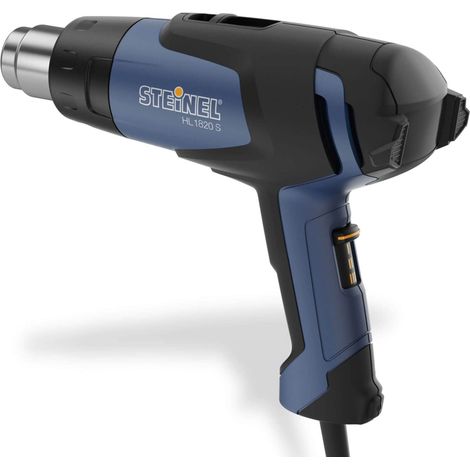
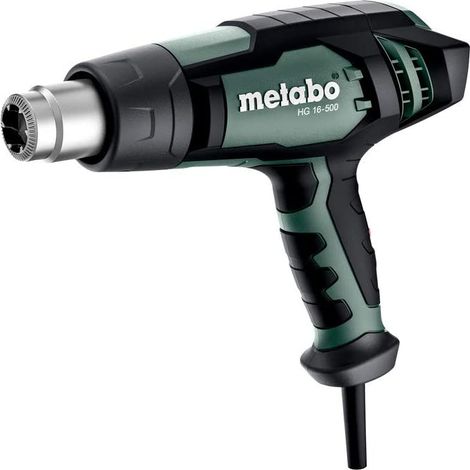
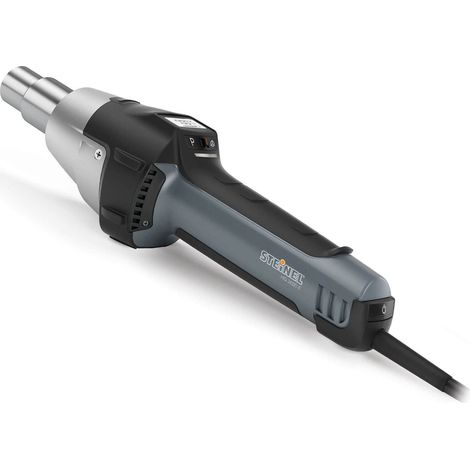
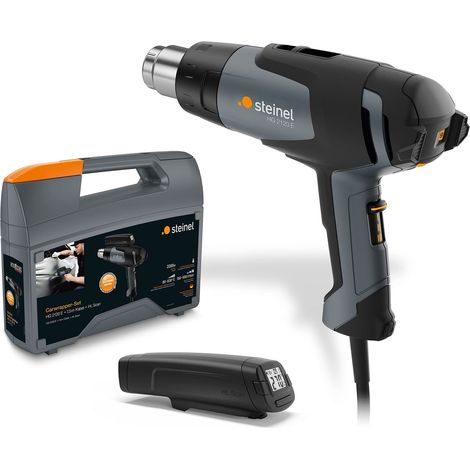
'/%3E%3C/svg%3E)
'/%3E%3C/svg%3E)