If you're looking for a trigger sprayer, a pre-pressure sprayer, a maintained pressure sprayer, or a battery-operated sprayer, you've come to the right place! Different capacities, with or without wheels, resistant to aggressive chemicals or not, we have it all!
To treat and maintain your garden, you will need to spray your plants, trees, shrubs, and lawn with water (with or without treatment products like fertilizer, weed killer, disease or pest treatments, etc.). For this, the most suitable tool is the sprayer. Here is precisely our selection of offers for sprayers from big brands at low prices (MATABI, RIBILAND, BERTHOUD,...). Amongst this vast offer, you might find it hard to make a choice. That's why we've written this little guide, which should help you make your decision.
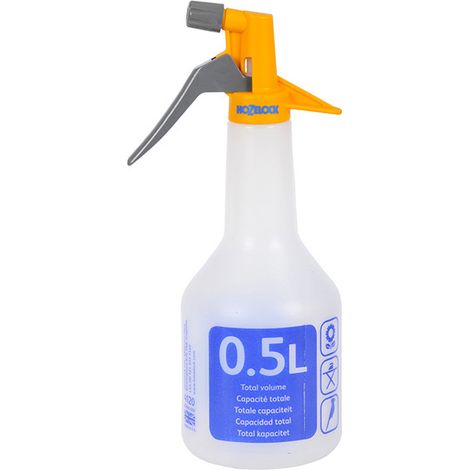
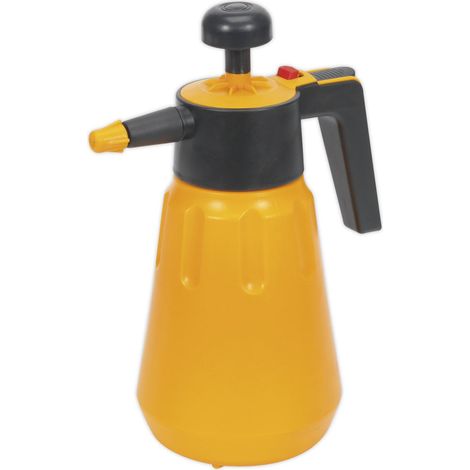
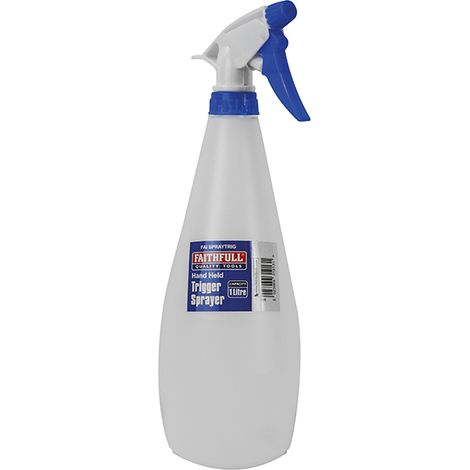
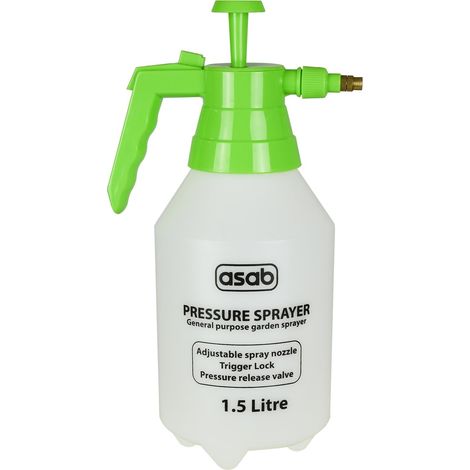
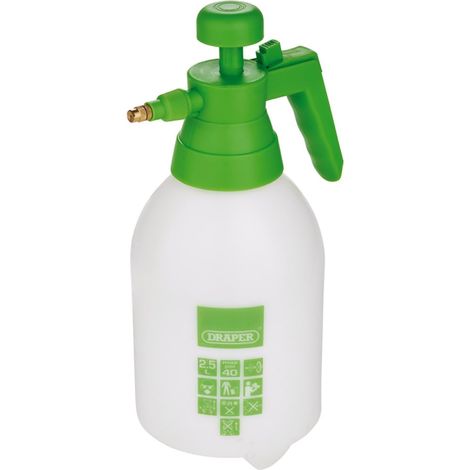
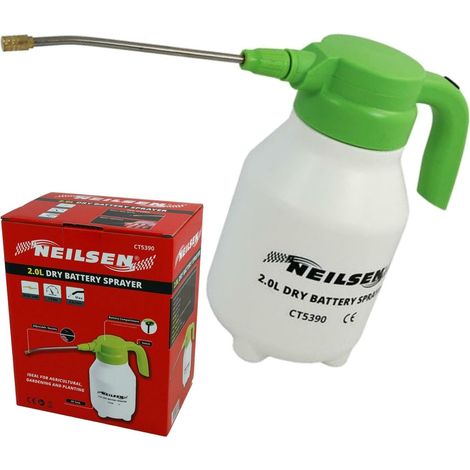
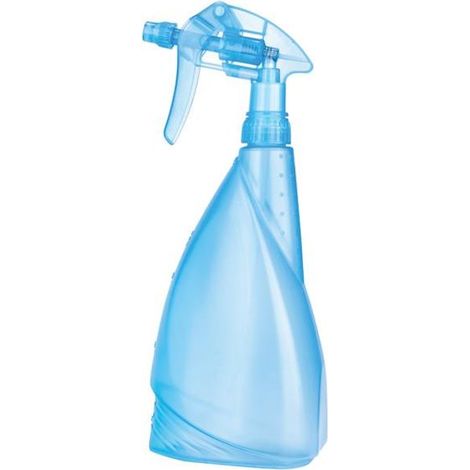
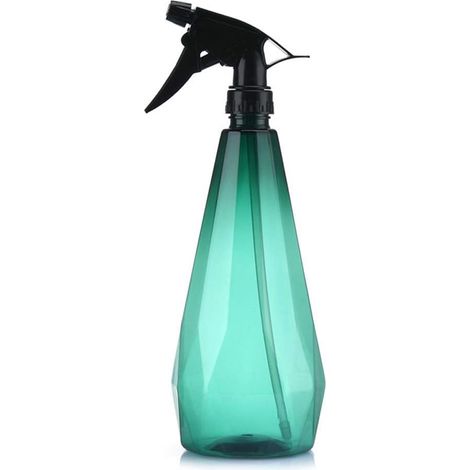
First, you should know that there are 4 main types of sprayers. Your choice might partly depend on these differences. The first type belongs to the family of trigger sprayers. Small in size, they usually have a reservoir of less than 2 liters. The pump is manually operated, and you will be able to work precisely, on small areas, whether indoors or outdoors. You could, for example, mist your orchids or spray water, fertilizer, or treatment on the foliage of your green plants.
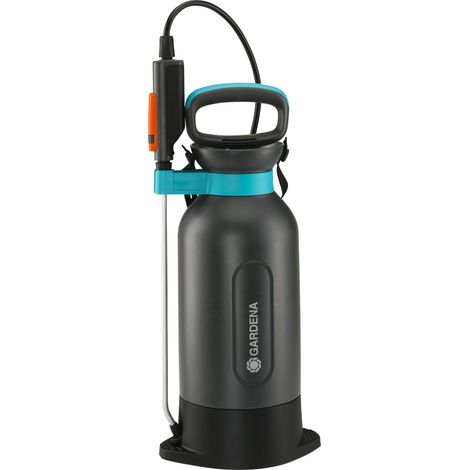
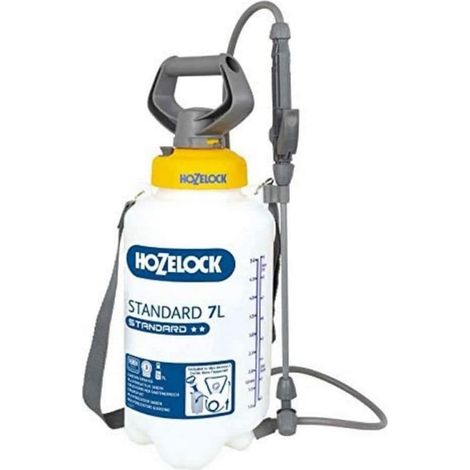
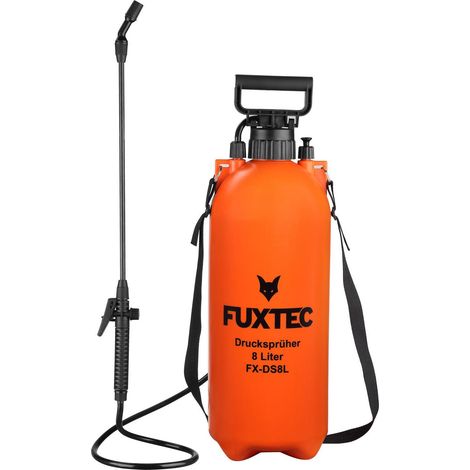
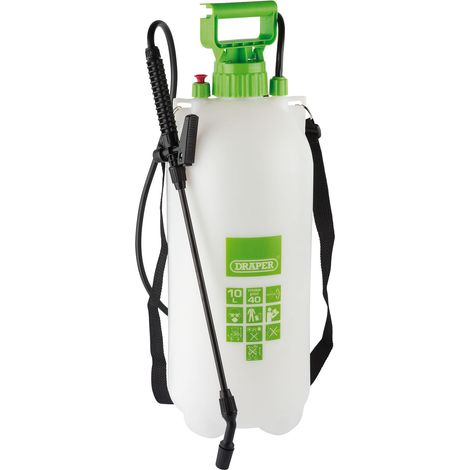
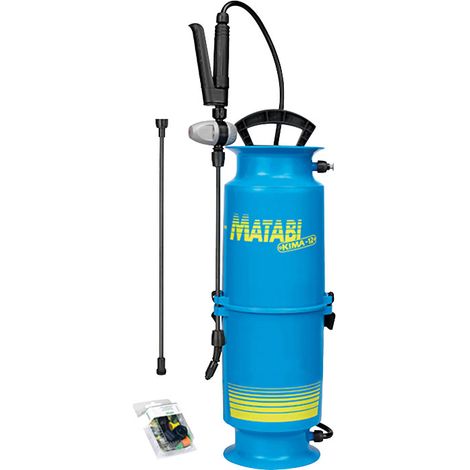
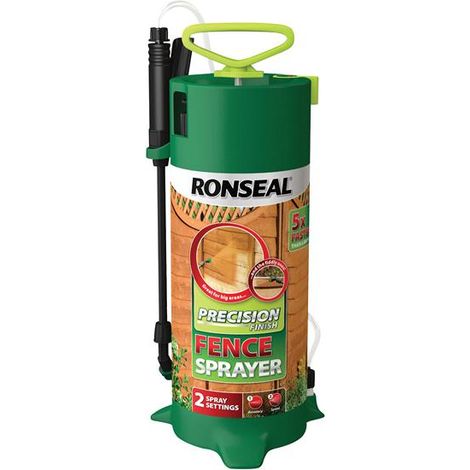
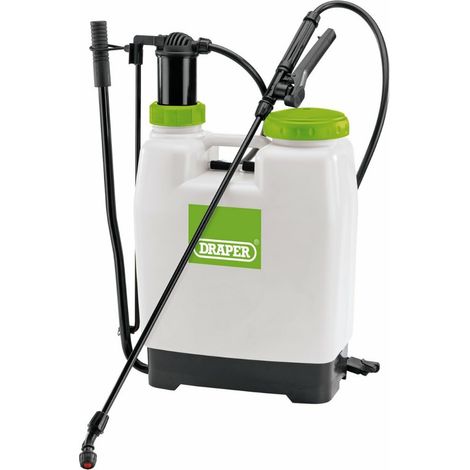
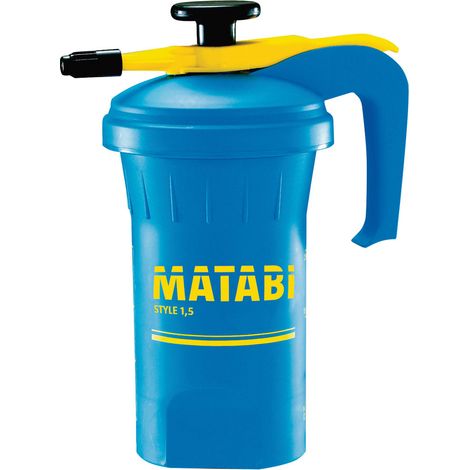
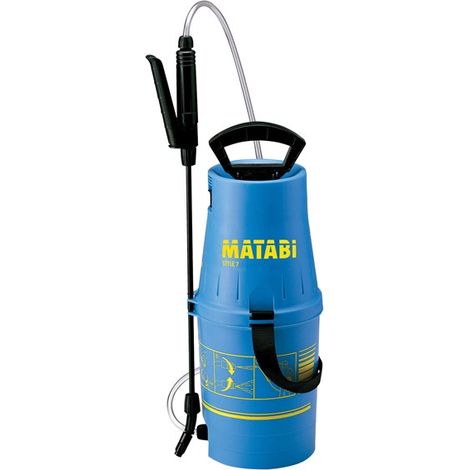
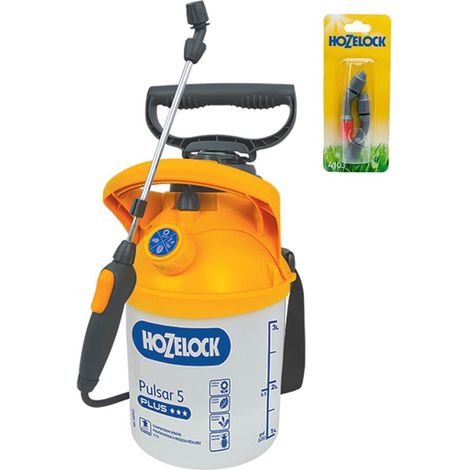
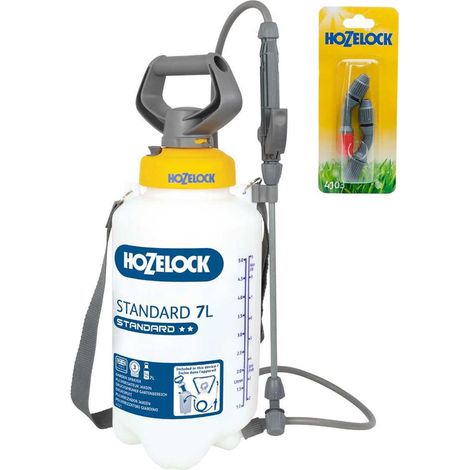
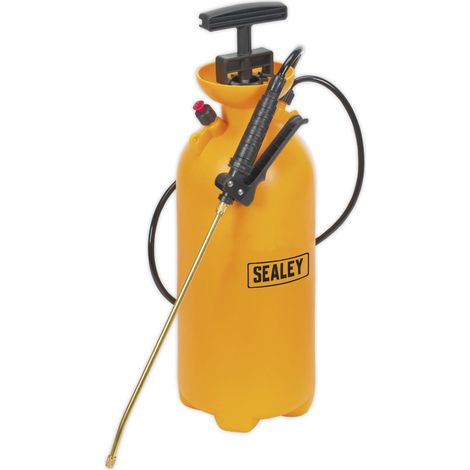
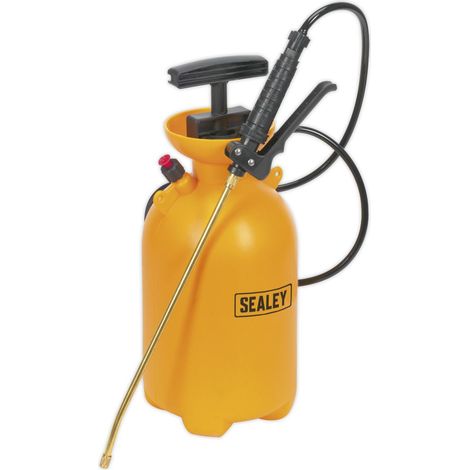
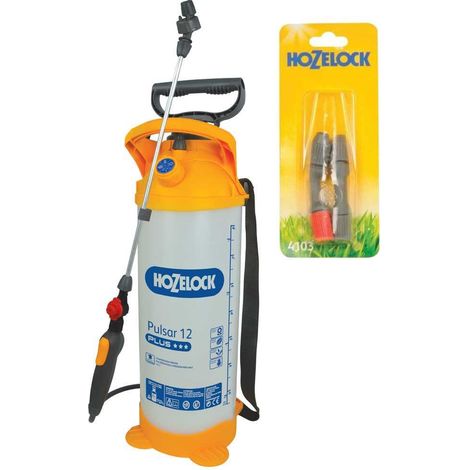
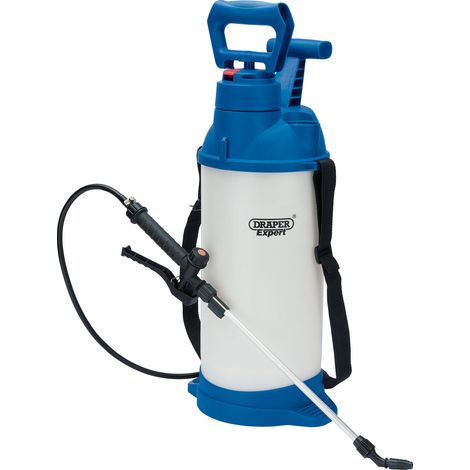
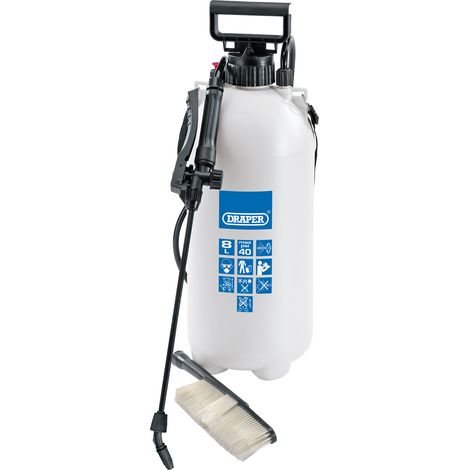
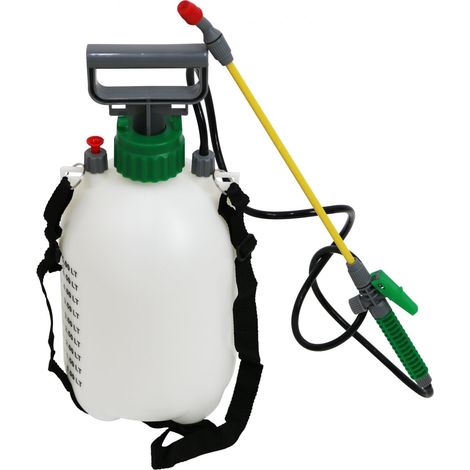
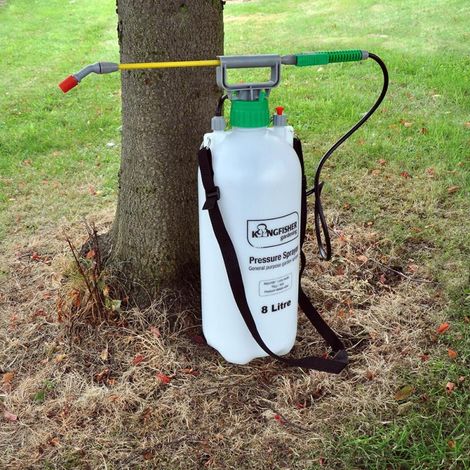
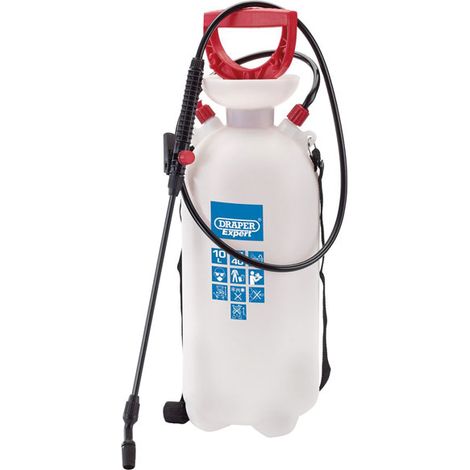
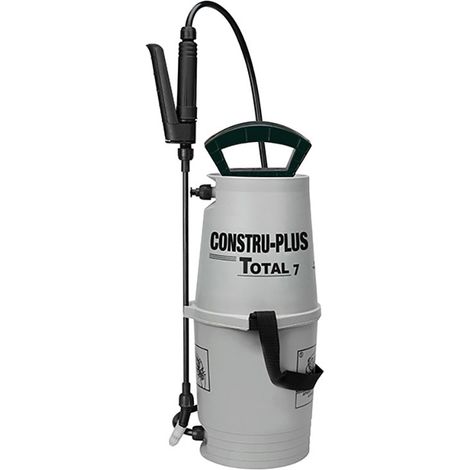
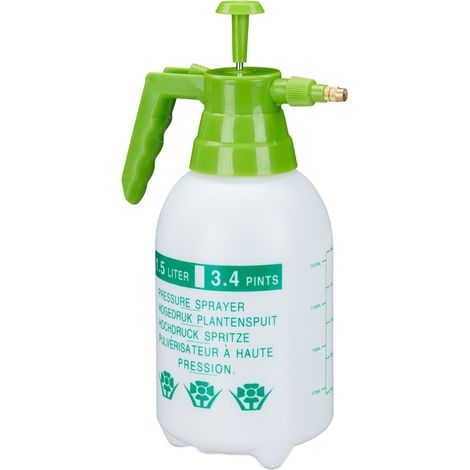
Next, there are the pre-pressure sprayers. These models, with a higher capacity than trigger models (mainly between 2 and 10 liters), are equipped with the same type of pump as these same trigger models. It is therefore necessary to pump before using it. This system will then give you a few minutes of autonomy, enough to take care of several beds/shrubs/bushes without having to pump again. They are carried either on the back or in the hand, thanks to straps (one or two).
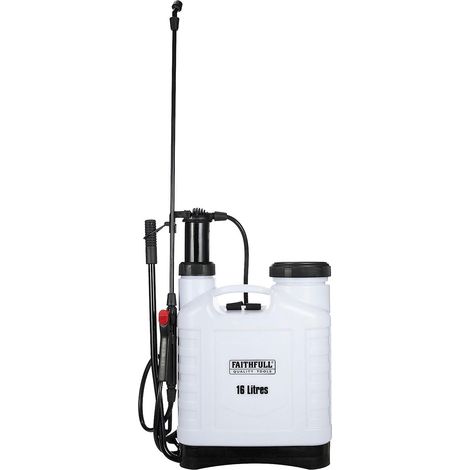
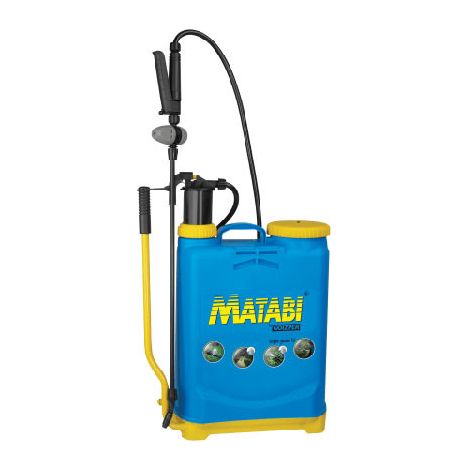
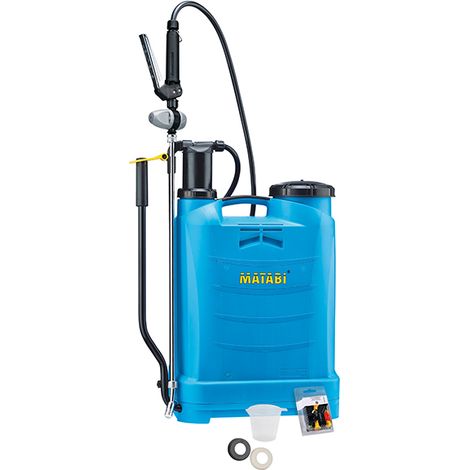
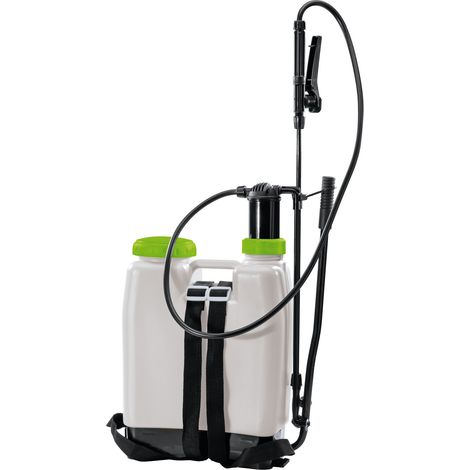
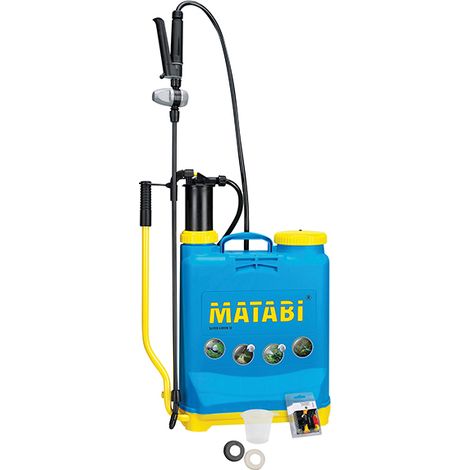
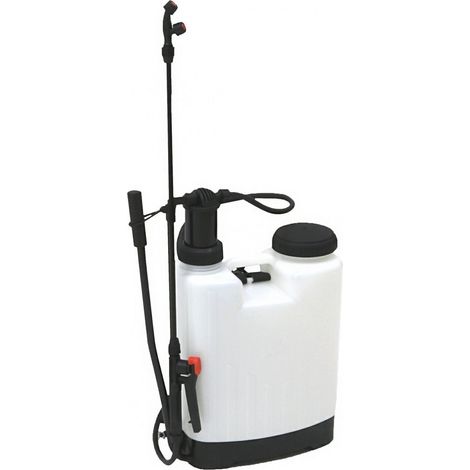
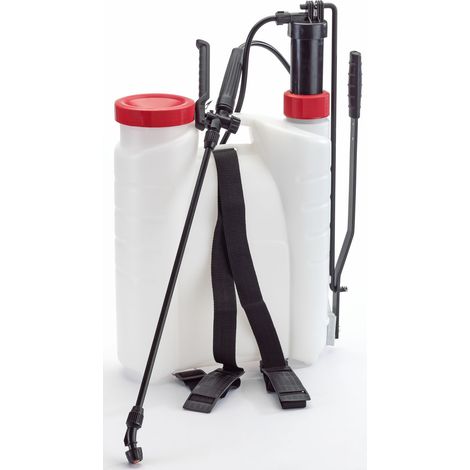
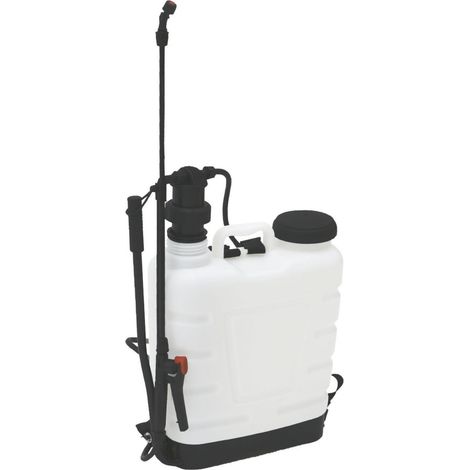
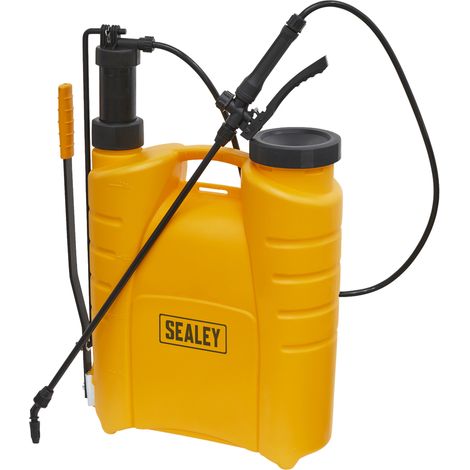
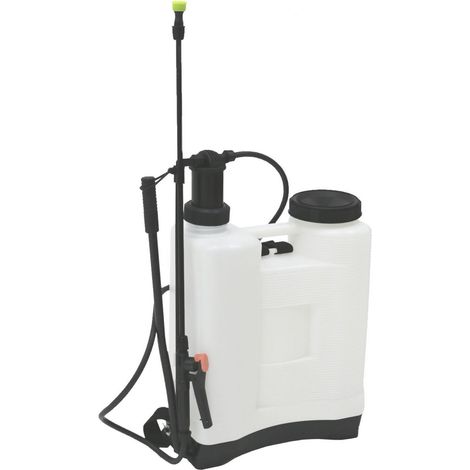
The third family is that of maintained pressure sprayers. These models have an even larger tank (from 10 to 30 liters) and are carried on the back. Unlike pre-pressure models, these models require continuous pumping, via a trigger located either on the right or left flank of the device. They offer a generally constant pressure and therefore a very precise spraying and greater ease of use. These models are suitable for large gardens and vegetable patches.
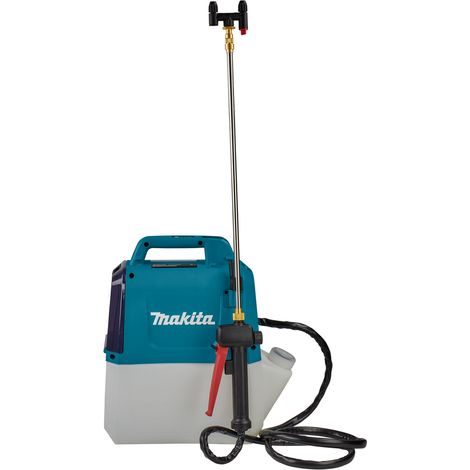
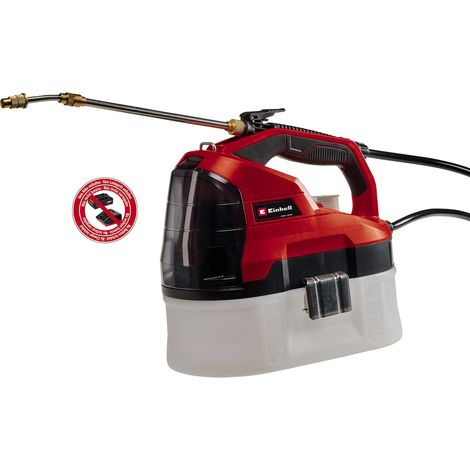
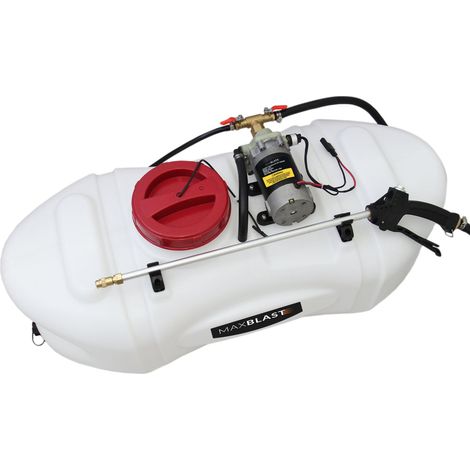
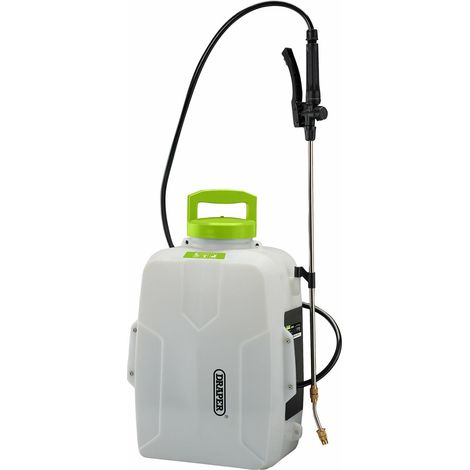
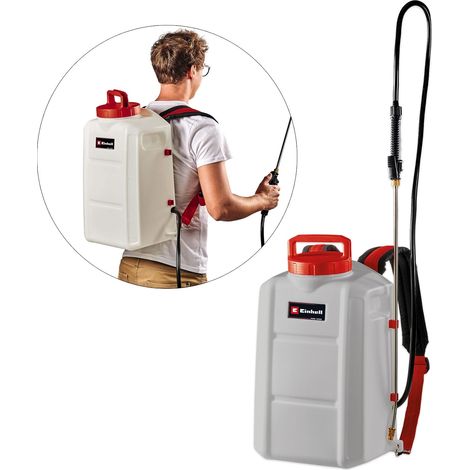
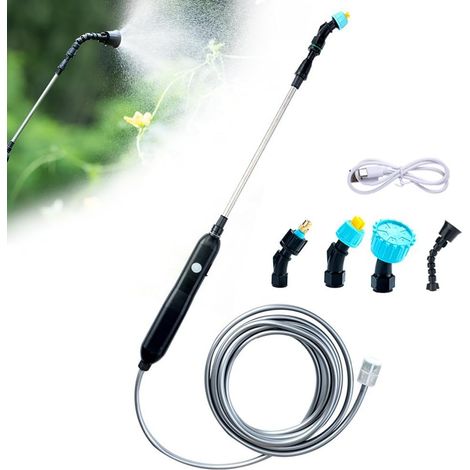
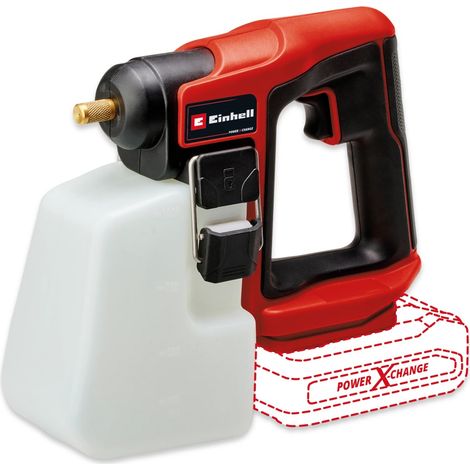
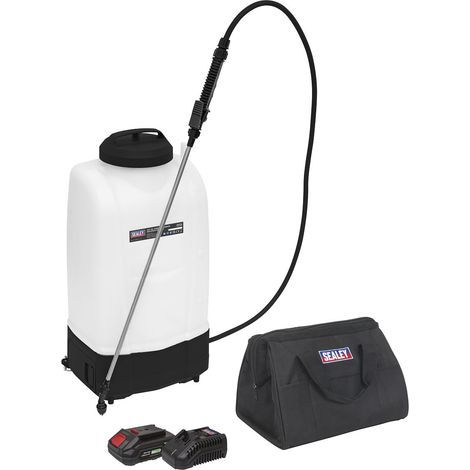
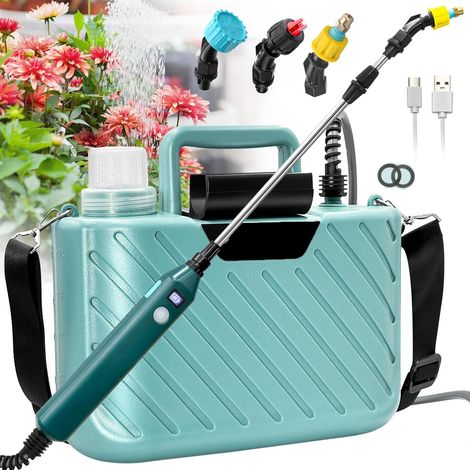
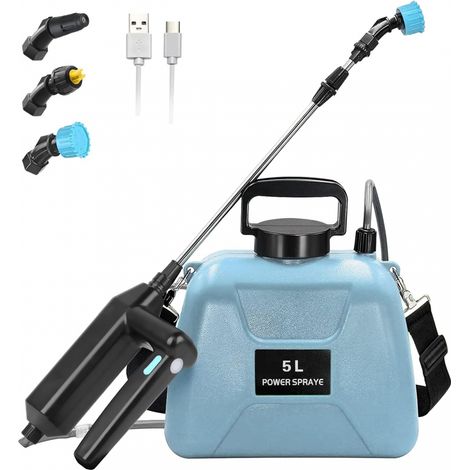
Finally, the last family is that of the battery sprayers. These models are quite recent. They replace the manual pump with a suction pump powered by a battery. Their use is simple and much less tiring than manual pumping tools.
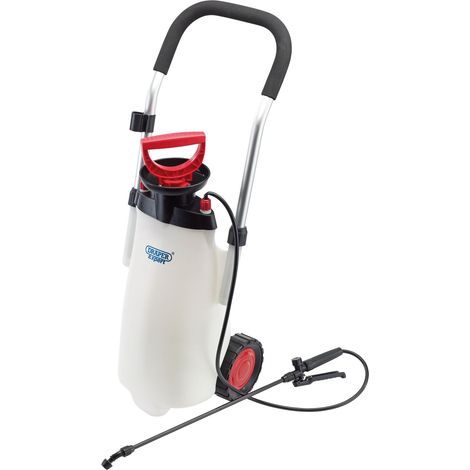
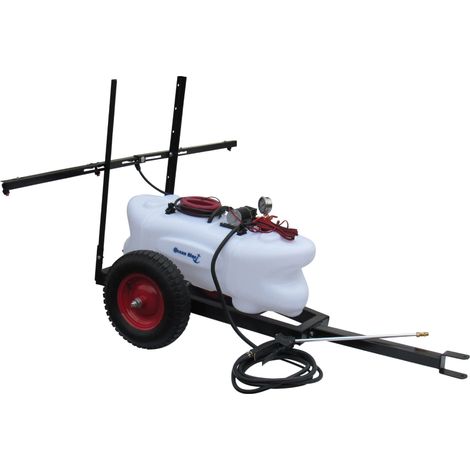
Some details will make the difference. For instance, some models are equipped with wheels to facilitate transport. Indeed, carrying 15 liters of water on your back or at arm's length can be difficult.
Of course, the capacity will be an important parameter (and will partly depend on the type of product) but you can also pay attention to parameters such as the ability to adjust the jet (adjustable nozzle) or to control the flow rate.
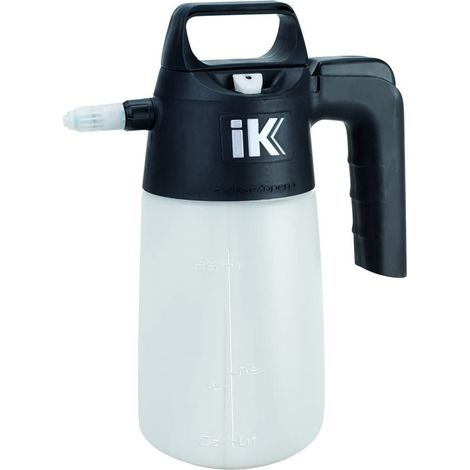
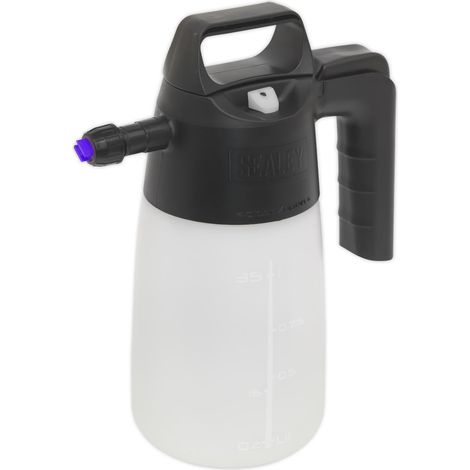
There are also sprayers with a graduation that facilitates dosing. If you need to make mixes of fertilizers or treatments, this can be useful, as is the resistance to aggressive products that some models can offer (diluted acids, oil, ...).
We hope this explanation has been helpful. We would like to remind you that it's preferable to wear protection if you're handling toxic products. To equip yourself, we have a selection of gardening clothing.




















'/%3E%3C/svg%3E)