1/3
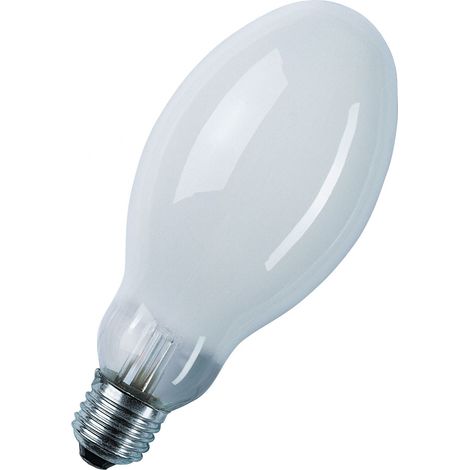
OSRAM 015774 NAV-E 100W SUPER 4Y E40 28000h Sodium lamp
Choose your model
'/%3E%3C/svg%3E)
Buying for your business?
Negotiated prices excl. VAT up to -20%
Sold by AVB Negoce
You may also like





![G9 LED light bulbs, warm white 3000 K, 5 W G9 LED light bulb, equivalent to 40 W 420 lumen halogen lamps not dimmable, set of 10 [energy class A+]](https://cdn.manomano.com/pim-media/images/medium/4774ec3061a82a3fbb6b44ca7334976c81731fa2.jpg)
G9 LED light bulbs, warm white 3000 K, 5 W G9 LED light bulb, equivalent to 40 W 420 lumen halogen lamps not dimmable, set of 10 [energy class A+]
78
Free shipping

Compare with similar items
Product information
Description
Features
- BrandOSRAM
- Light colourWarm white
- Cap fittingE40
- Power100 W
- Pcs per pack1
- OriginMade in China
- Weight80 g
- Light technologySodium
- Energy efficiency ratingG
- Max. energy efficiency ratingA
- Min. energy efficiency ratingG
- Diameter76 mm
- Lifespan28000 h
- Height18 mm
- Length183 mm
- MaterialGlass
- Colour temperature2000 K
- ManoMano ReferenceME49701953
- MMID353658257098
- Product codenave100super
- EAN4050300015774
Customer reviews
5,0
/ 2 Reviews
MManoMano Customer
Published on 27/03/2023, FranceNothing to say about the product, it works perfectly and the orange color has been respected. as for the shipping costs, they are equivalent to the price of the bulb and that is not cool...
'/%3E%3C/svg%3E)
Light bulb buying guide
Advice from our experts
 Visit the OSRAM store
Osram was founded on 17 April 1906 in Berlin. The name Osram comes from two metals that were needed to make the filaments for the incandescent bulbs of the time: Osmium and Wolfram (or tungsten). It exported its filaments for the British General Electric Company.
It started out as a subsidiary, before becoming a company in its own right when three major German companies, AEG, Auergesellschaft and Siemens, joined forces to produce their light bulbs in 1919, in order to pool their resources in post-war Germany. It was at this time that the emblematic logo, the light bulb on an orange background, was born.
In 1970, Osram created a revolution by inventing the HMI discharge lamp, a filamentless bulb. Two electrodes directly excited the rare gas atoms enclosed in the bulb. This bulb is four times more efficient with less energy loss. It was the biggest revolution in light bulbs after Edison's.
Osram quickly became a leader in light bulbs and was the first to embark on the race to save energy.
However, Osram was hit by the crisis in 2008, and was spun off from Siemens to be floated on the stock market. Today, the company is back to record sales (€5 billion) and its sales of energy-saving lamps account for 66% of its total sales.
You are here:
'/%3E%3C/svg%3E)