A modern dwelling primarily operates on electricity. For various reasons, some electrical appliances may experience malfunctions. If the source of the problem is known, it's just a matter of obtaining the component(s) to replace to restore the system to working order.
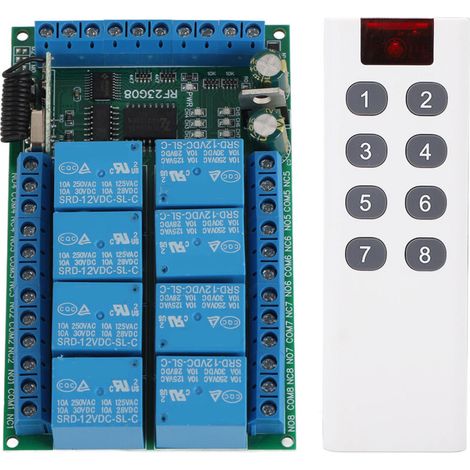
It is generally home automation and security mechanisms that cause issues in a construction. To operate an electric door, a motorized window, or any other security and surveillance device, electronic parts and accessories are necessary. DIY enthusiasts have a choice among various tools and consumables to repair an electronic system:
- switches;
- capacitors;
- connectors;
- fuses;
- thermal circuit breakers;
- cables;
- relays.
These parts contribute to the proper functioning of electrical installations. However, whether it's a replacement or maintenance, it is strongly recommended to inquire about the details of the part to be changed. Taking the case of the capacitor, an essential electronic component in the motorization of an electrical installation, checking the characteristics is crucial. For the faulty system to function again, the replacement part must match the original in terms of diameter and length, but also concerning the working temperature of the capacitor. This varies indeed from -25 °C to 70 °C.
The notion of electricity is necessary for maintaining an electrical installation. Indeed, electronic components are not assembled randomly but follow a logic of operation. If a communicator switch is malfunctioning, this piece can be replaced immediately. Nevertheless, checking the voltage, shape, dimensions, and resistance to contact is essential to restore the entire installation to working order.
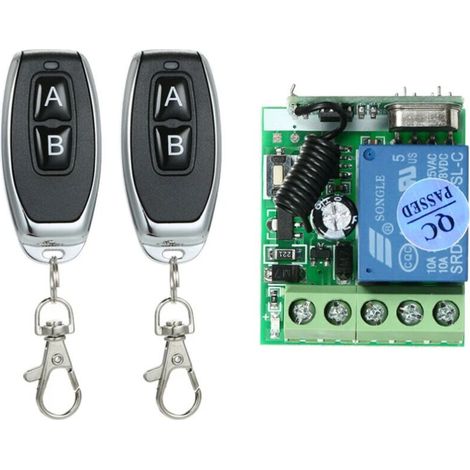
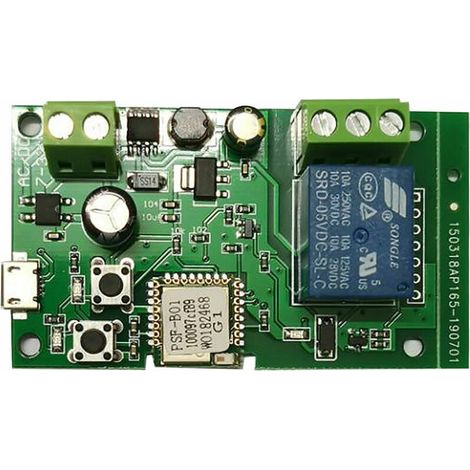
Variations in electrical voltage and contact with water also lead to minor short circuits that can damage parts of the electrical installation like fuses or relays. This type of incident often occurs on electric gates or garage doors. However, the failure of any of these elements leads to a complete or partial shutdown of the system, hence the necessity to act quickly. The relay box, for example, exists in different typologies. Among others, there are relays for printed circuit boards, high-performance relays, or electromechanical relays.

![[NEVER USED] Pair of durable, quiet, multi-directional replacement rubber suitcase wheels, luggage, replacement repair wheels (small, black, 2 pieces) (1/4)](https://cdn.manomano.com/pim-media/images/medium/0caa6d96ef9cd5990df0b665933cd65be3954489.jpg)
![[NEVER USED] 2 Pieces Fishing Chair Umbrella Holder Fixing Tools Universal Umbrella Holder 360° Fixing Clip(silver) (1/4)](https://cdn.manomano.com/pim-media/images/medium/4ce2bae831ab285e3ab73fefbfb2c13141e96aef.jpg)
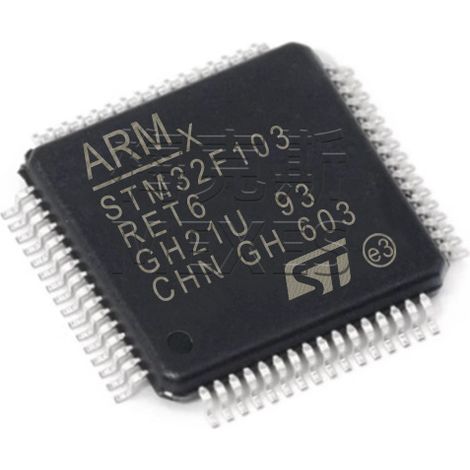
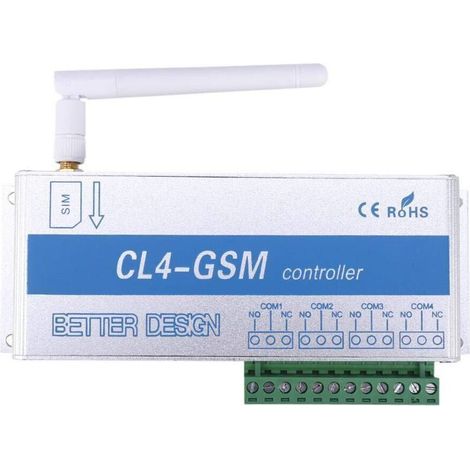
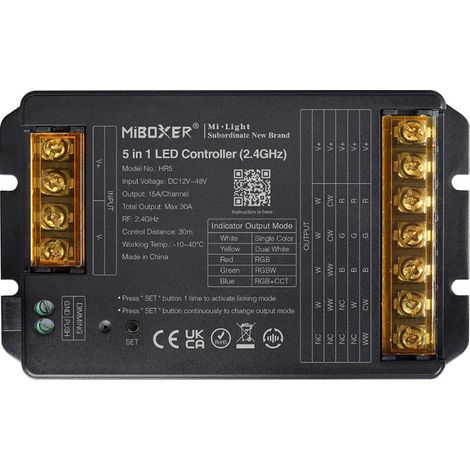
![[NEVER USED] K+CAN V4.8 Diagnostic PIN Code Reader Mileage Correction Replacement for Bora A6 A8 A4, (1/4)](https://cdn.manomano.com/pim-media/images/medium/9e22dc59b29e817ddde2cbdacd2aee86b8a31bdb.jpg)
![[NEVER USED] 45mm Suction Cup, Mini Suction Cup, 50pcs Car Body PVC Plastic Suction Cup Without Hook, Transparent Rubber Suction Cup, Strong Adhesion Suction Cup for Car Camping Sunshade Suction Cup (1/4)](https://cdn.manomano.com/pim-media/images/medium/c97b93e94d8e72bf6bc3b01485249ce82446e405.jpg)
![[NEVER USED] Cleaning kit adapter, Intex 25016 skimmer hose with adapter, 11238 (1/4)](https://cdn.manomano.com/pim-media/images/medium/71e88ae726b8af3f8494b958a3e2fca9546850ea.jpg)
![[NEVER USED] High Power Hand Crank Generator, USB Charging Emergency Dynamotor Generator for Camping Outdoor Activities,Portable Hand Crank (1/3)](https://cdn.manomano.com/pim-media/images/medium/7f1e0e80f6b9efa4319de069d5ccab69bb6f94ad.jpg)
'/%3E%3C/svg%3E)