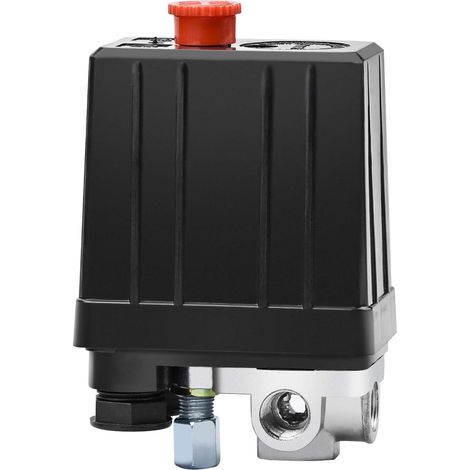
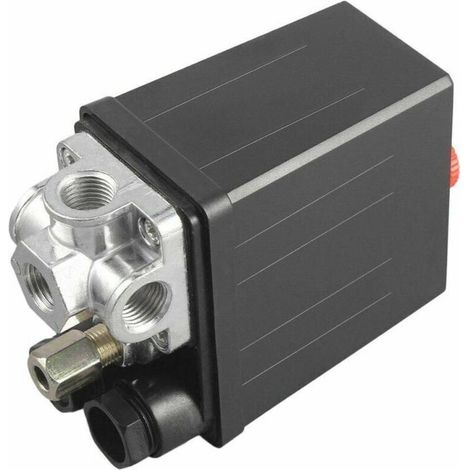
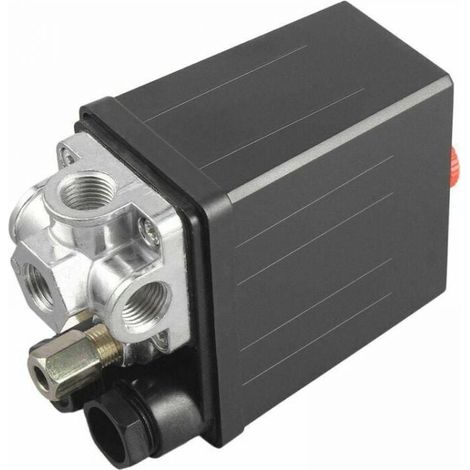
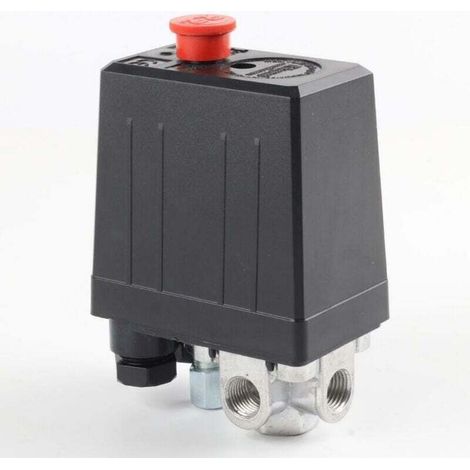
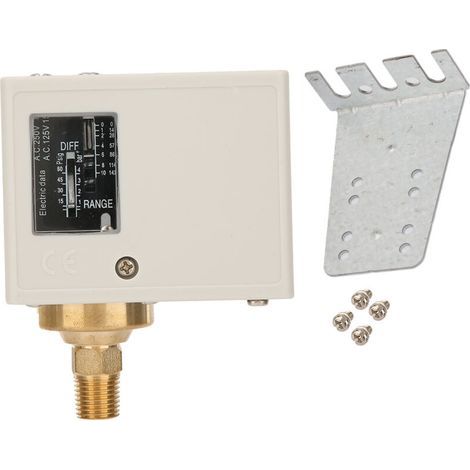
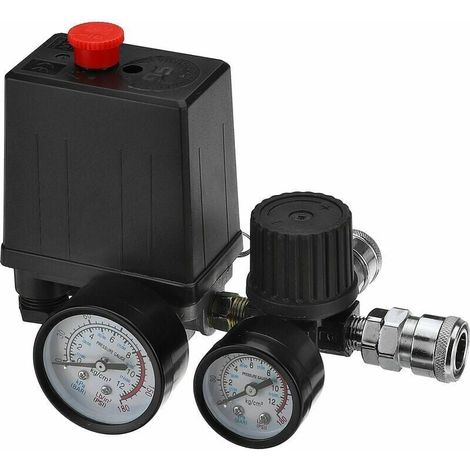
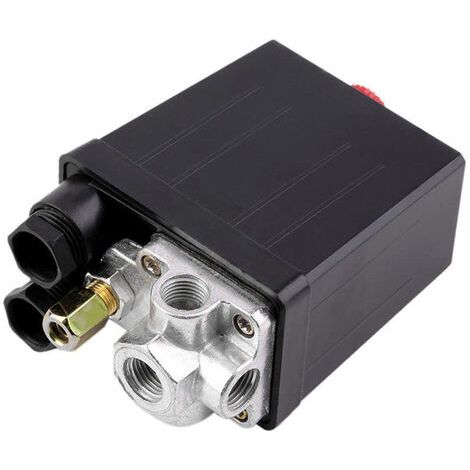
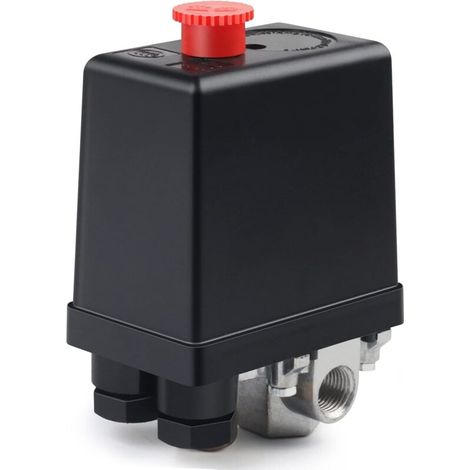
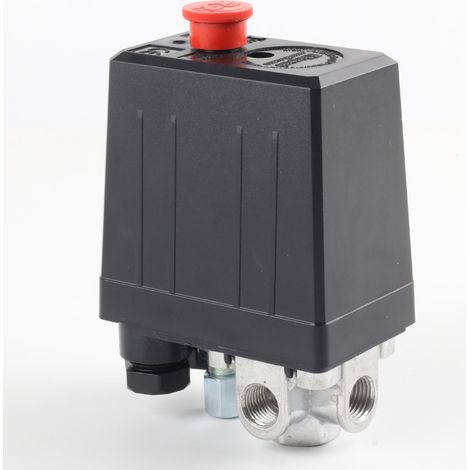
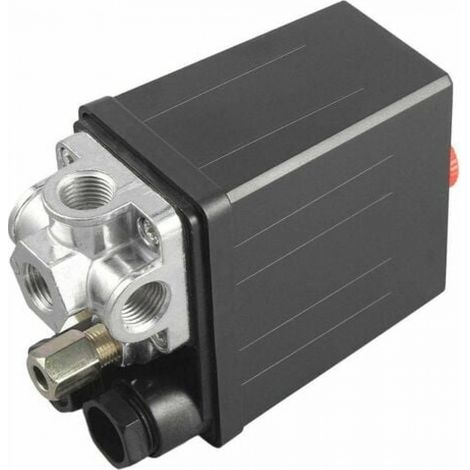
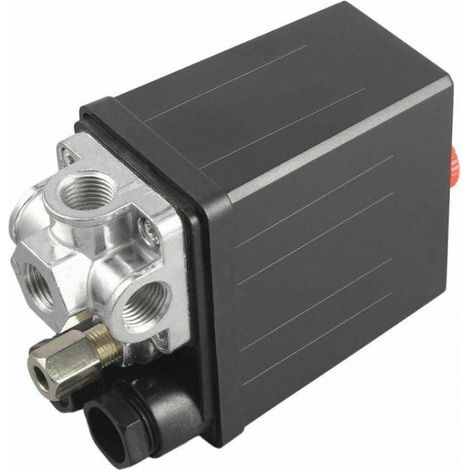
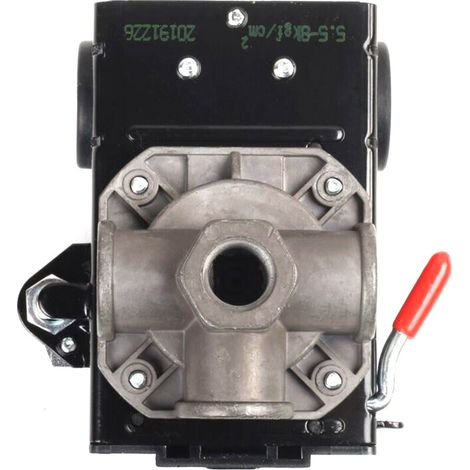
Pressure switches and compressor contactors are used for the running water supply of a building. These electromechanical devices are designed to maintain the water supply within a user-defined pressure range. If the network experiences a drop in pressure, this type of equipment automatically corrects it.
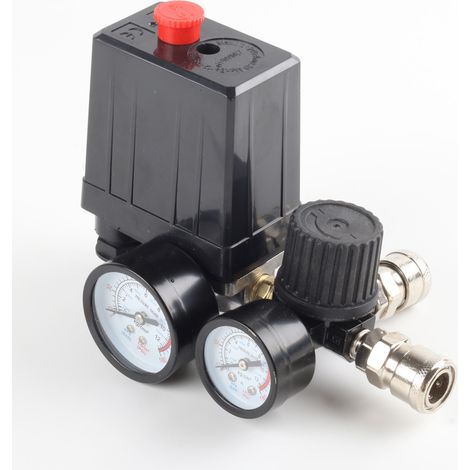
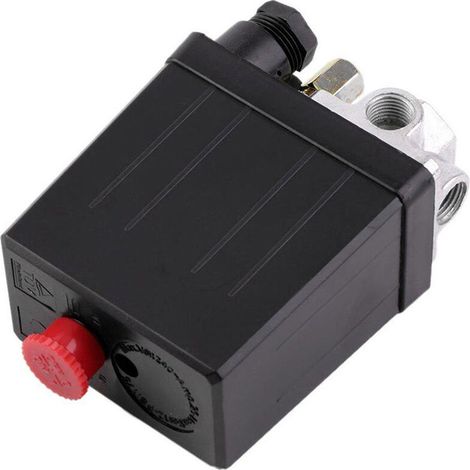
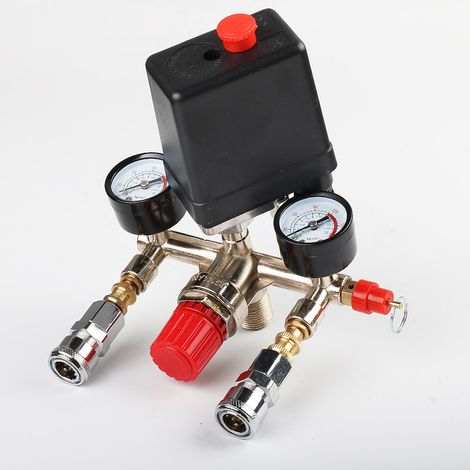
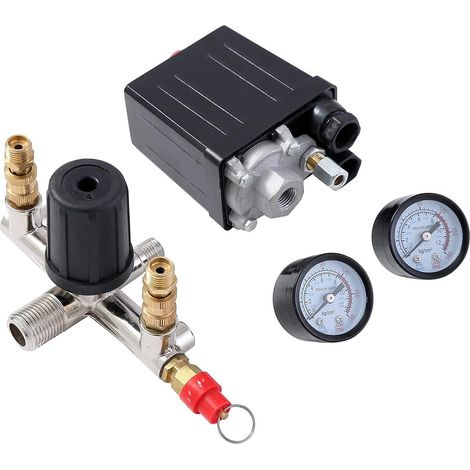
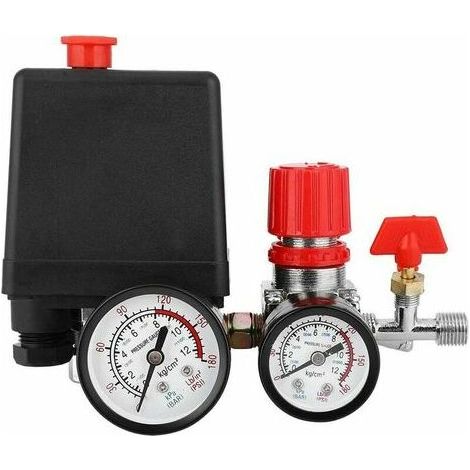
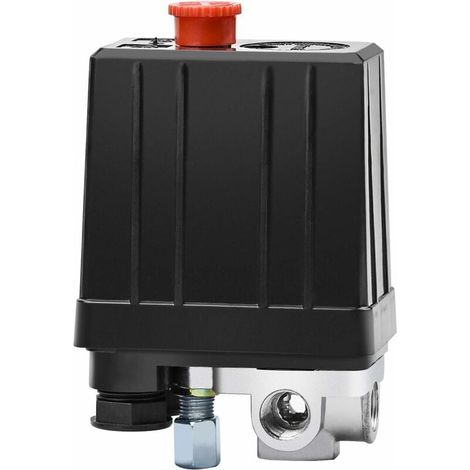
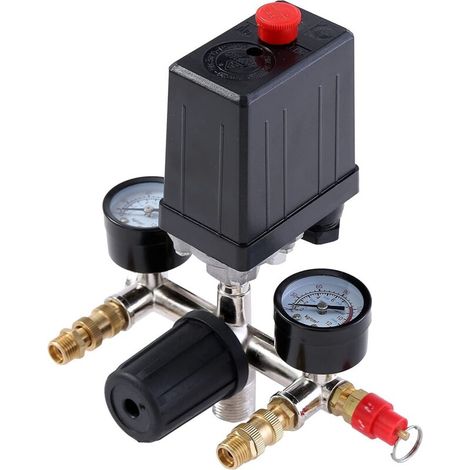
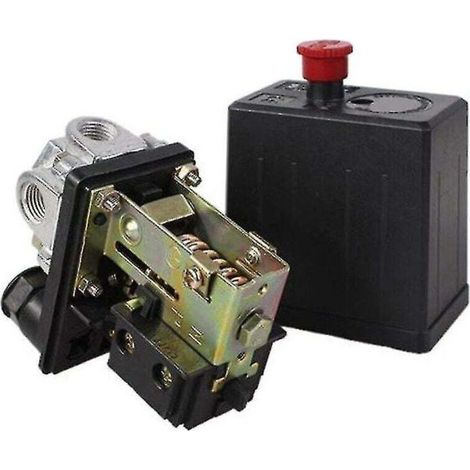
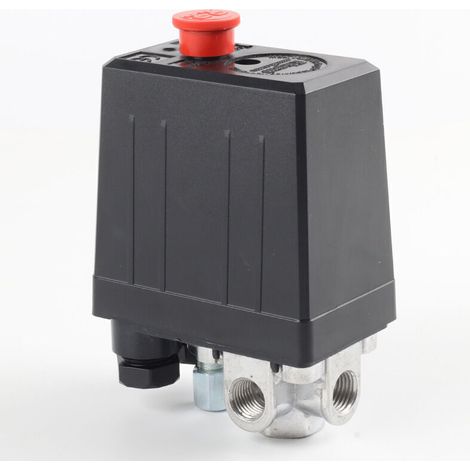
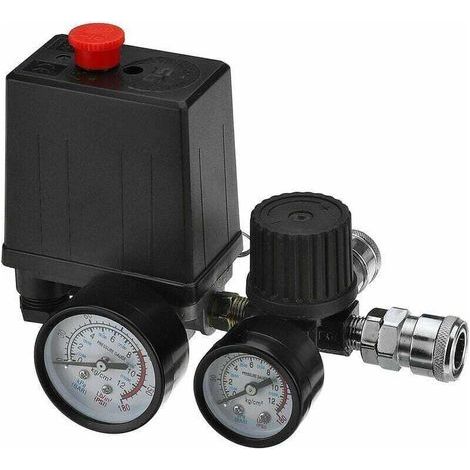
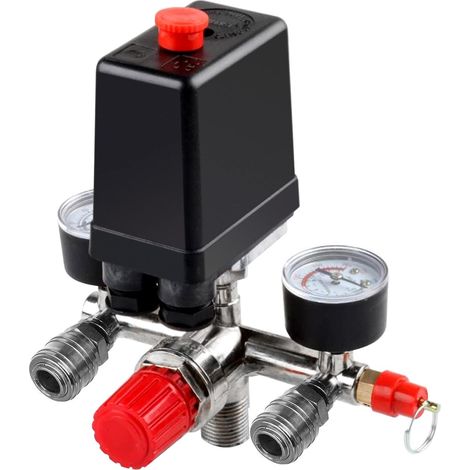
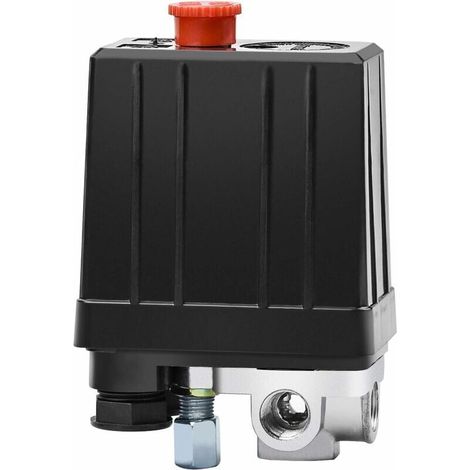
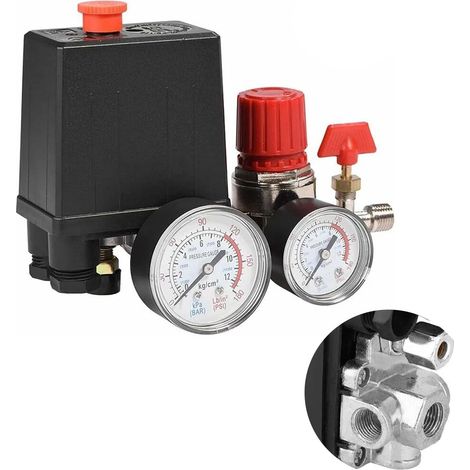
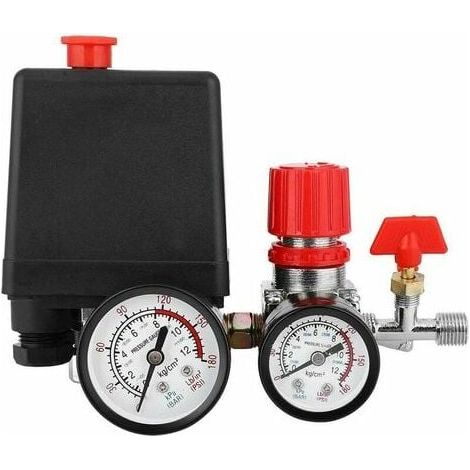
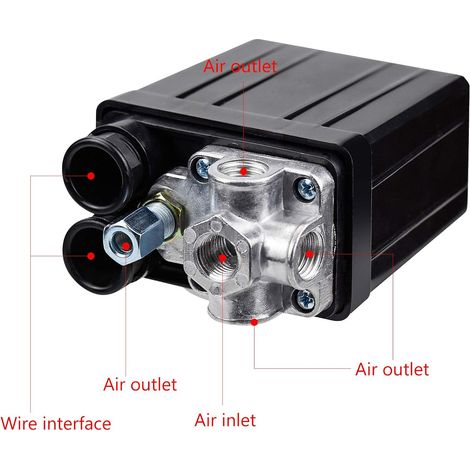
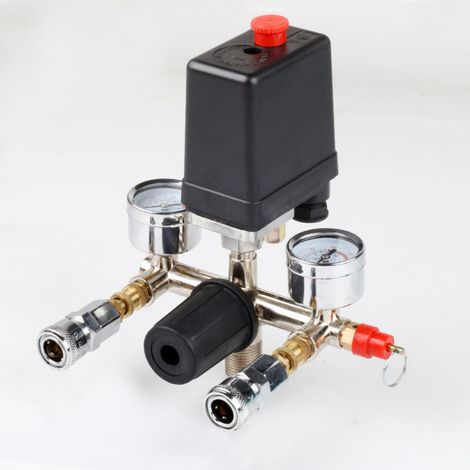
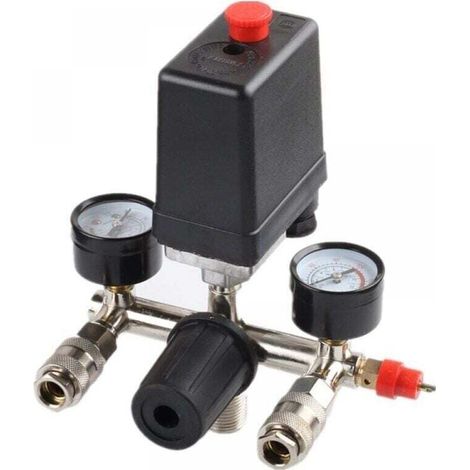
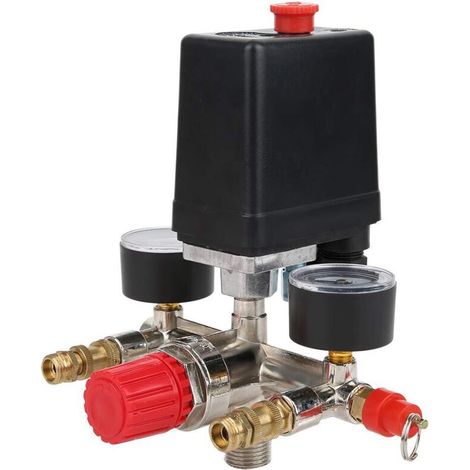
Generally, the pressure switch and the contactor are connected to the house's water supply. They consist of:
- a nylon diaphragm or a piston in contact with the plumbing water;
- a lever acting as support for the contactor's fingers (top and bottom), installed between the springs and the piston;
- two bipolar contactors;
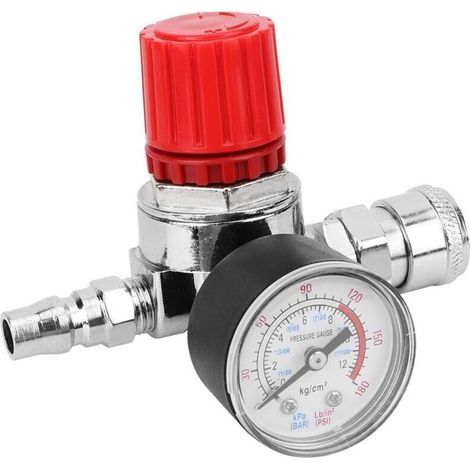
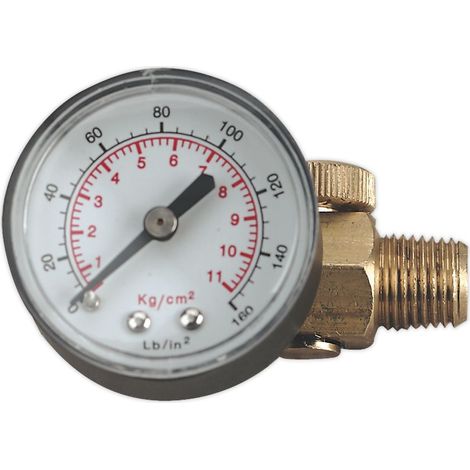
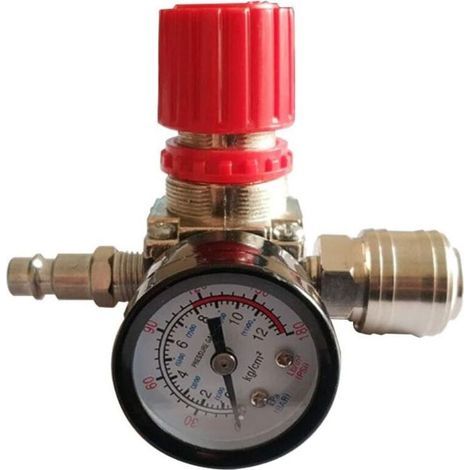
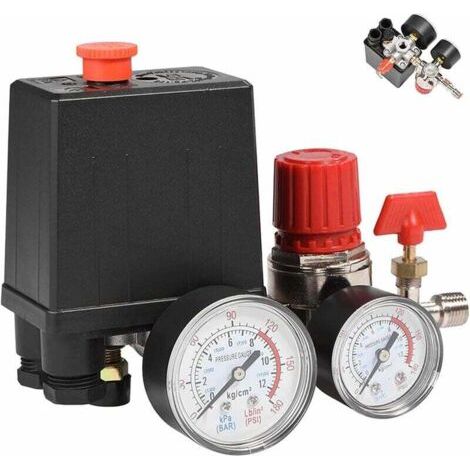
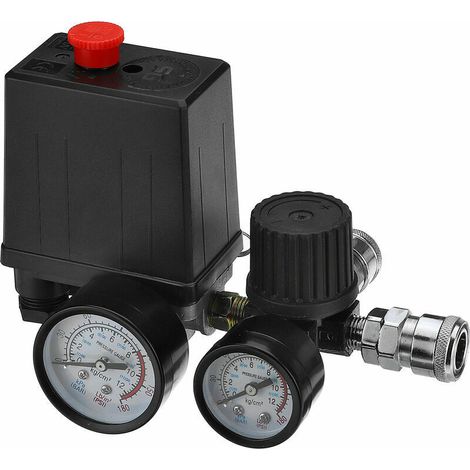
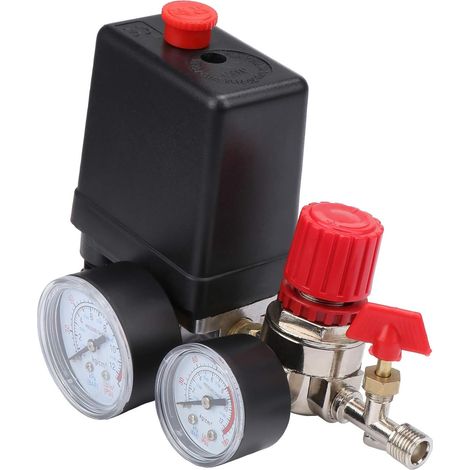
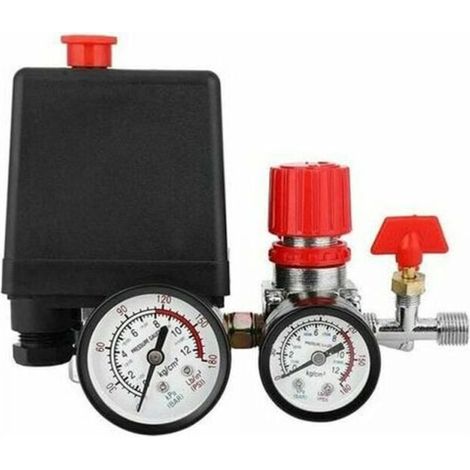
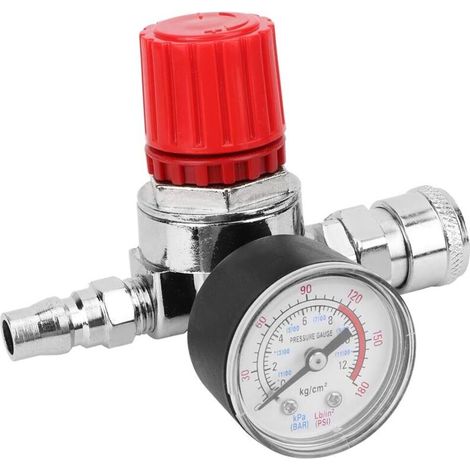
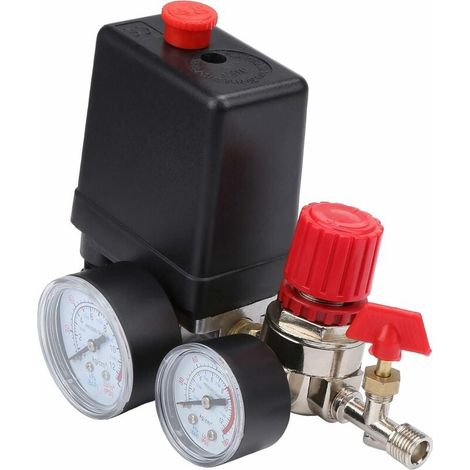
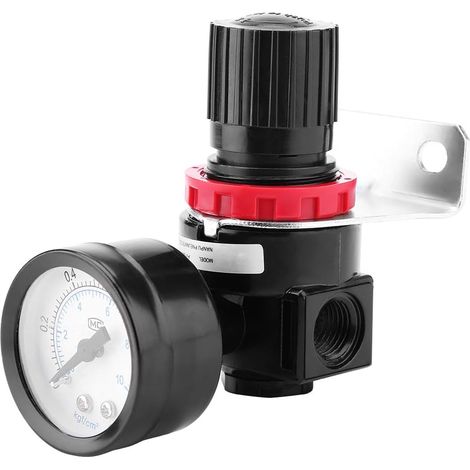
- a gauge for monitoring the pressure in the network;
- two calibrated springs with different diameters and equipped with a compression screw. The small spring determines the minimum pressure and the large spring sets the maximum pressure adjustment.
The operation of this mechanism is simple. The device stops as soon as the pressure in the system reaches its maximum level, and the pump automatically restarts at the fixed minimum pressure. This process includes five stages:
- when the pump is operating, the water pushes the membrane or the piston, and the pressure increases throughout the network;
- pushed by the piston, the lever moves (upwards), the large spring begins to compress and brings the finger (the upper one) closer to the cut-off contactor;
- once the maximum pressure is reached, the finger presses the contactor and the electrical current is cut off;
- when the pressure drops, the large spring begins to relax, brings the piston or lever downwards and moves the finger closer to the power-on;
- if the network reaches the set minimum pressure, the finger restores the current by pressing the contactor under the lever.
On the most basic compressor pressure switches:
- there are no independent adjustments to determine the minimum and maximum pressure values;
- the permissible pressure differences are set at the factory, and manufacturers indicate this tolerance threshold on the product packaging or in the user manual;
- it is better to opt for a model that offers a wide adjustment range or an effective safety system to avoid overpressure problems.
The choice of the pressure switch and contactor mainly depends on the different characteristics of the building's plumbing. It is therefore important to anticipate the variation in pressure in the circuit and to verify the compatibility of the device with the piping's thread diameter as well as the extent of the installation.
![[NEVER USED] Air Compressor Pressure Switch with 4 Outputs, Pressure Switch Control Valve, Compressor Parts, 220 V (1/4)](https://cdn.manomano.com/pim-media/images/medium/d0148db9f177d39ec8cf759575d51e05601d981d.jpg)
'/%3E%3C/svg%3E)