Originally, in plumbing, the most commonly used material was lead, hence its name. As the field evolved, this material was gradually abandoned in favor of galvanized metal alloys and then plastic materials, including polyethylene (PE). Polyethylene piping, which is increasingly in use, requires more or less specific PE fittings to be effective.
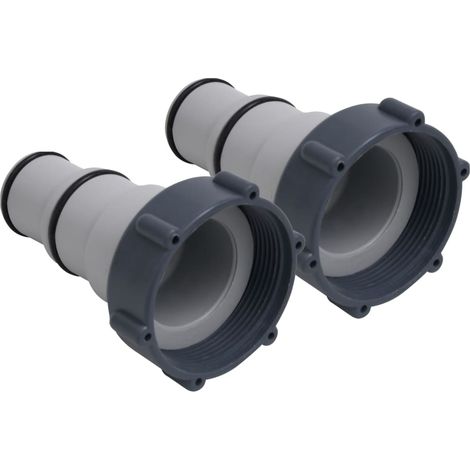
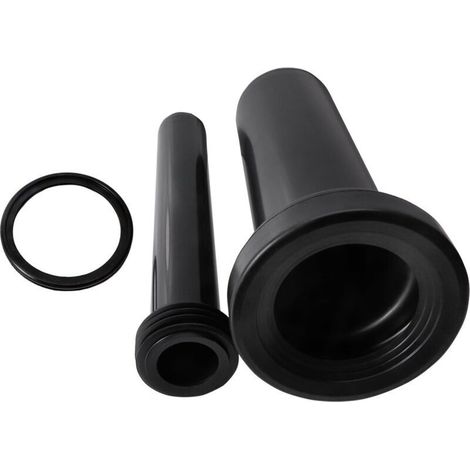
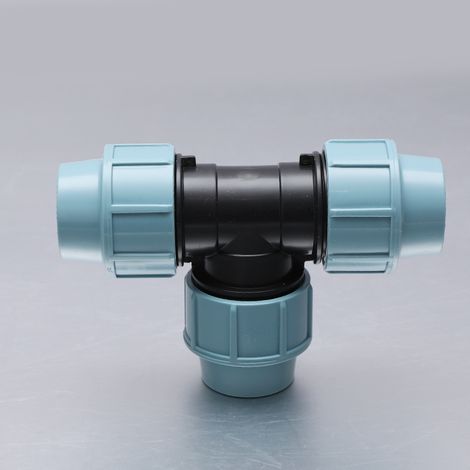
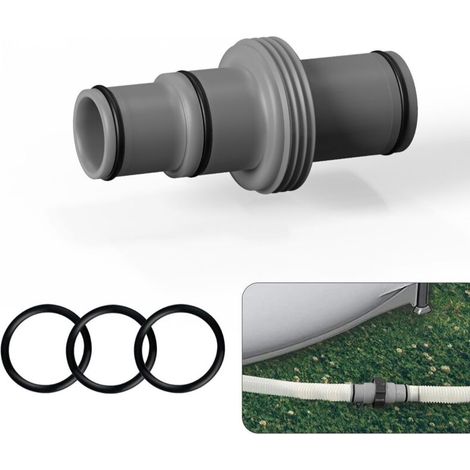
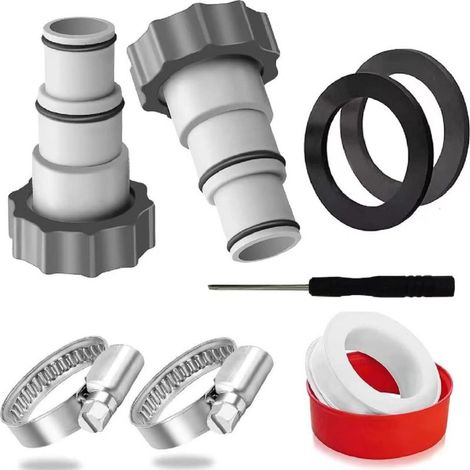
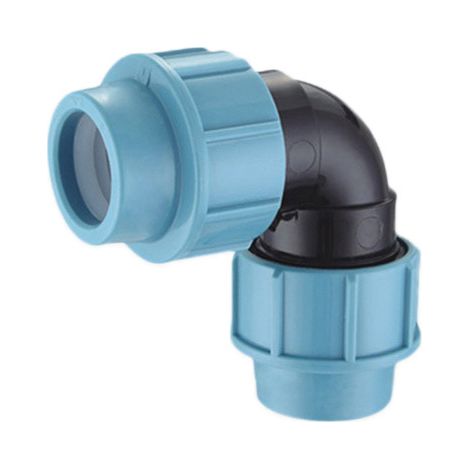
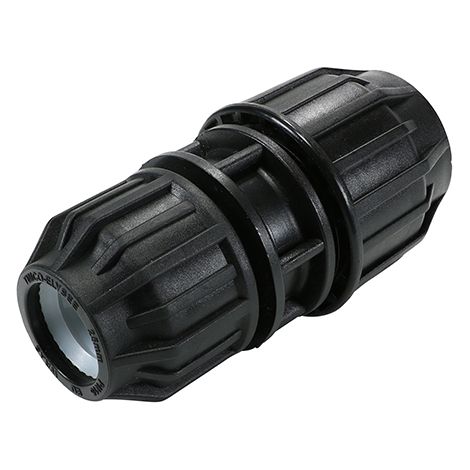
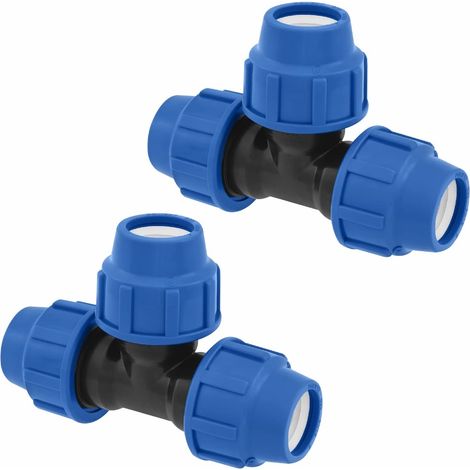
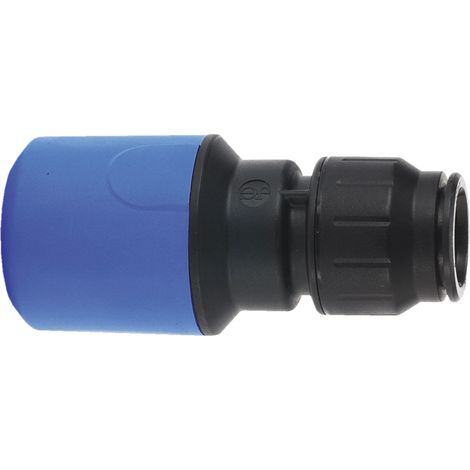
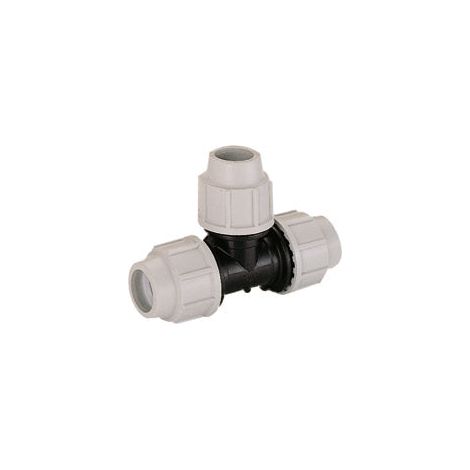
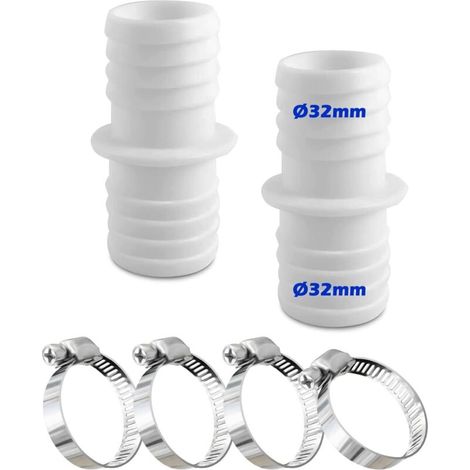
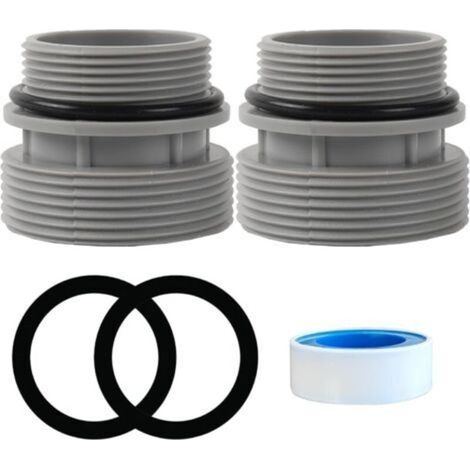
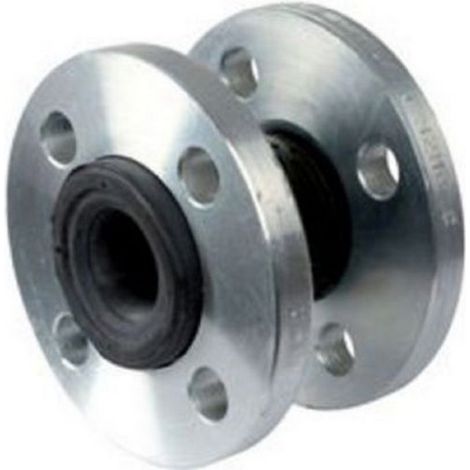
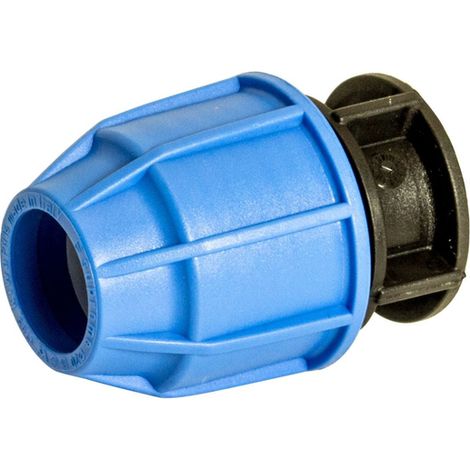
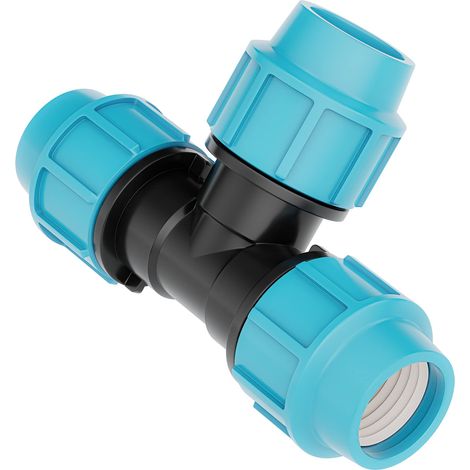
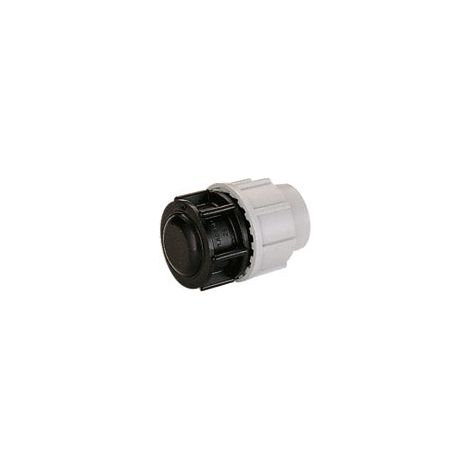
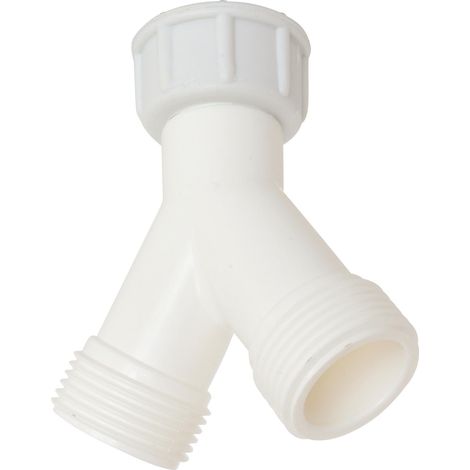
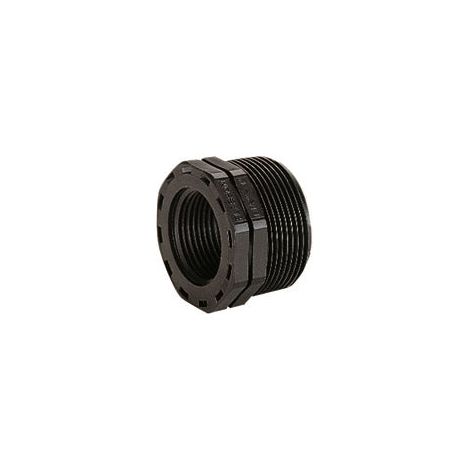
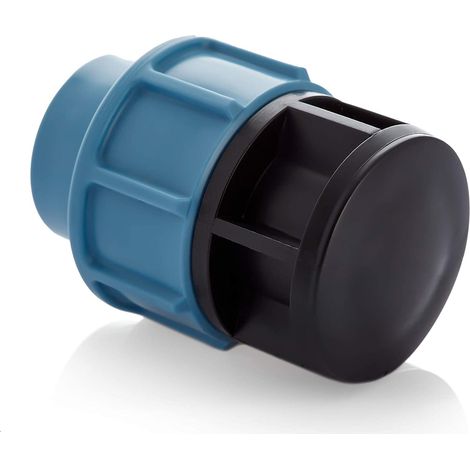
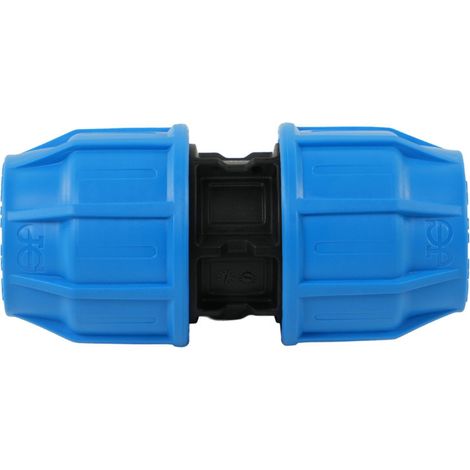
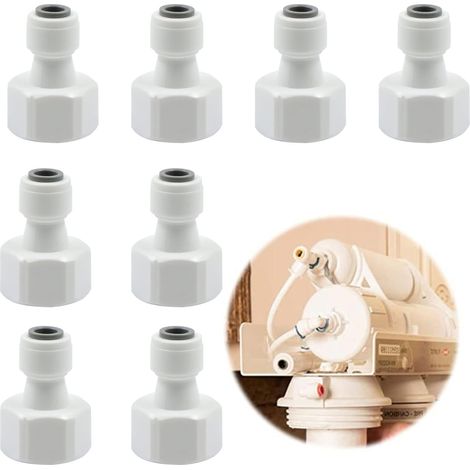
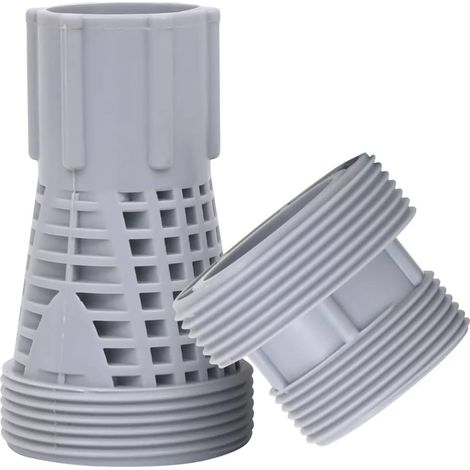
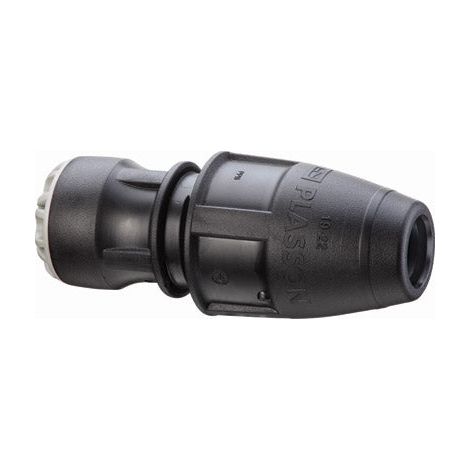
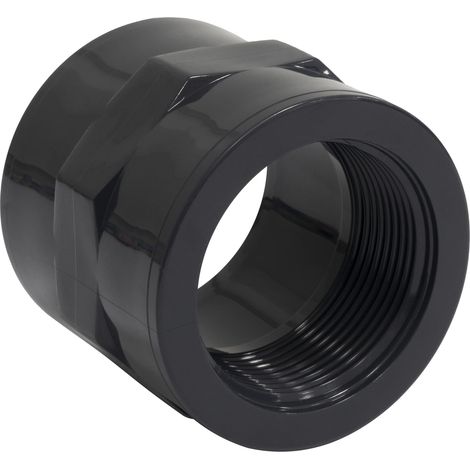
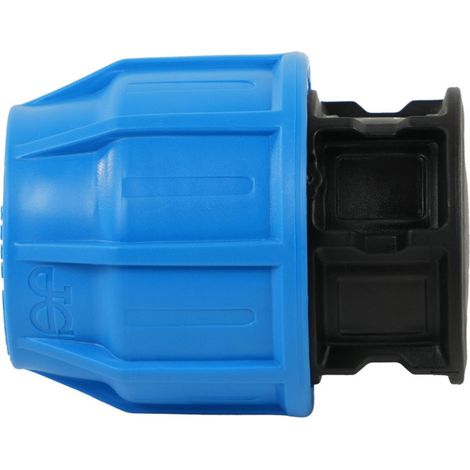
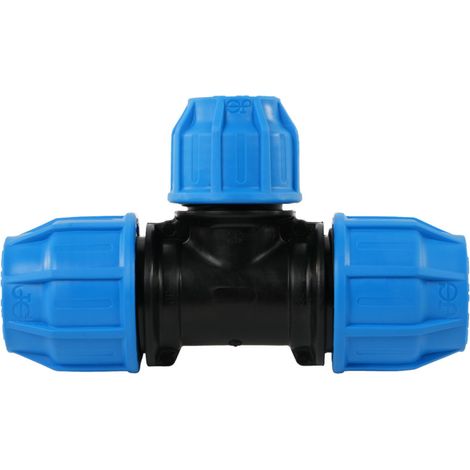
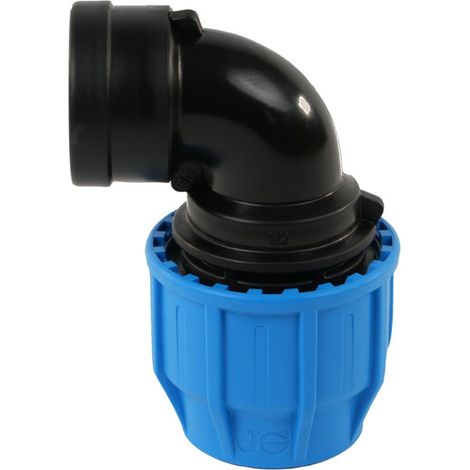
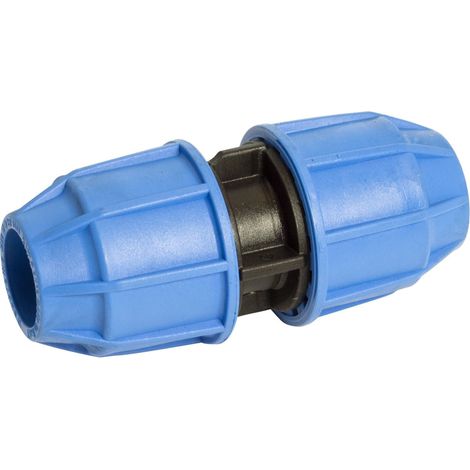
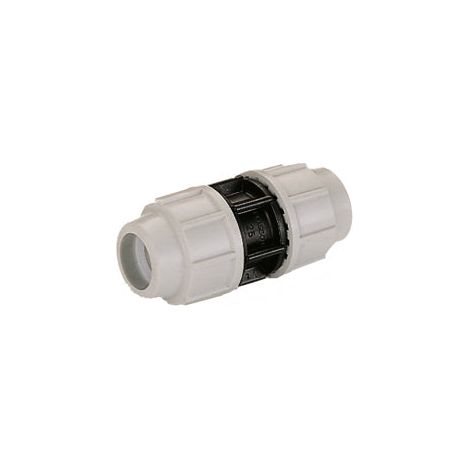
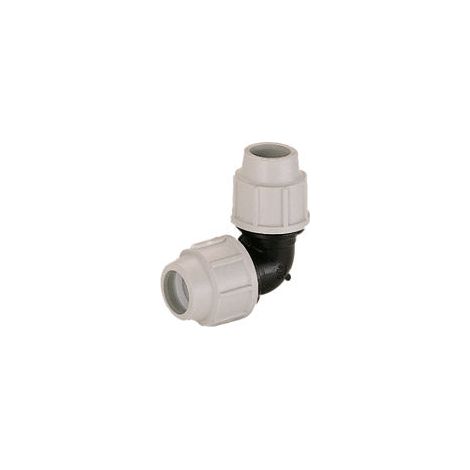
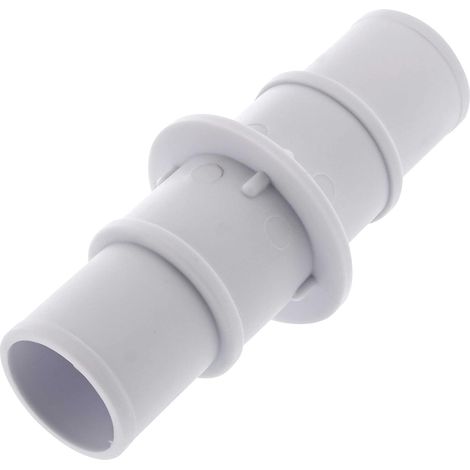
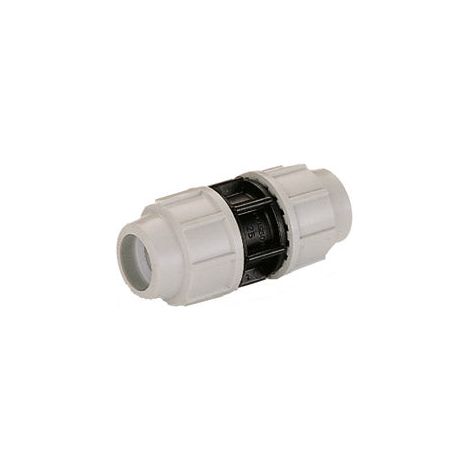
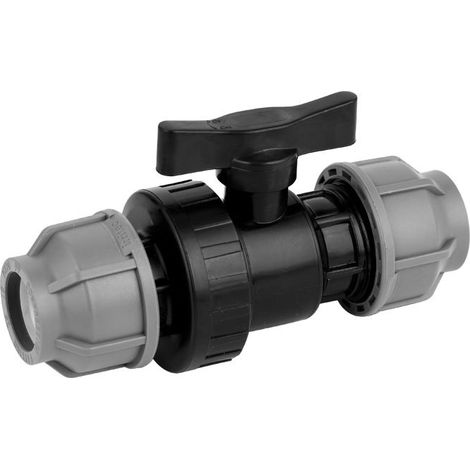
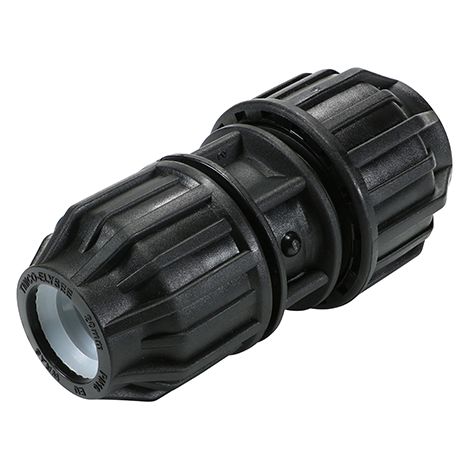
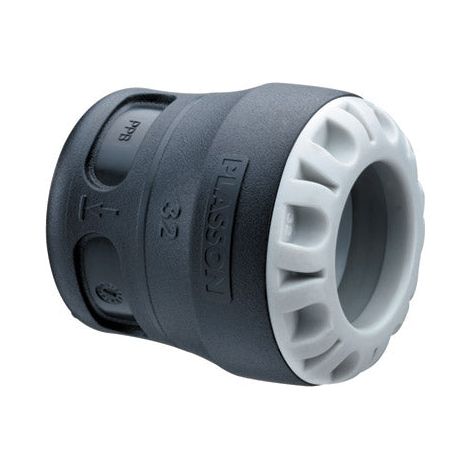
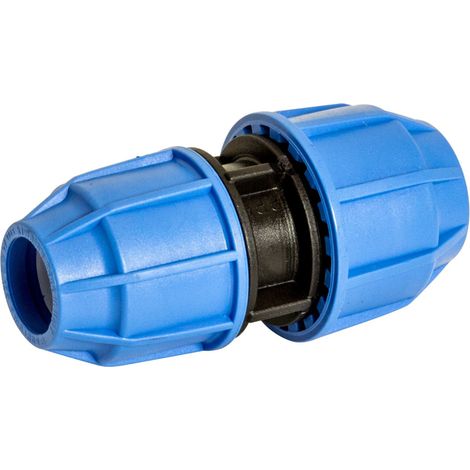
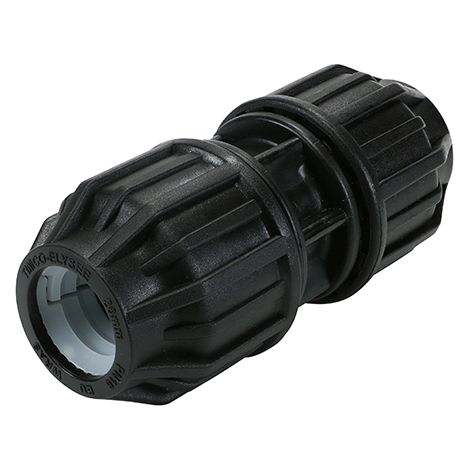
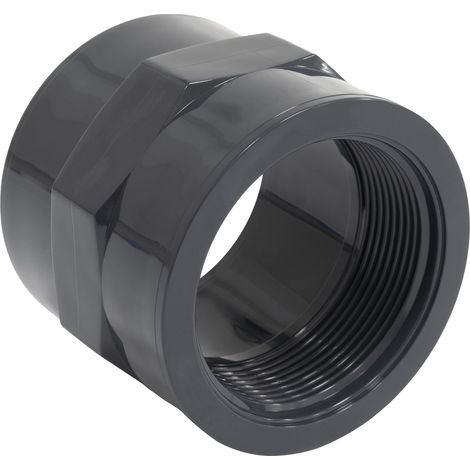
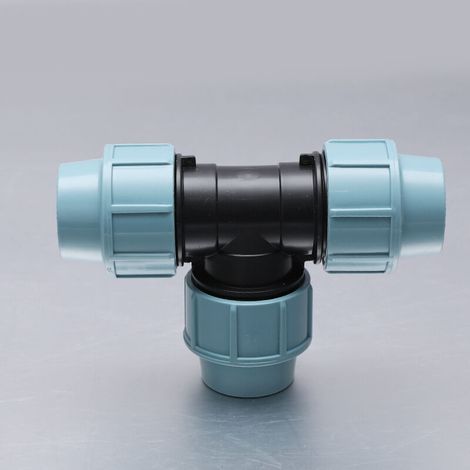
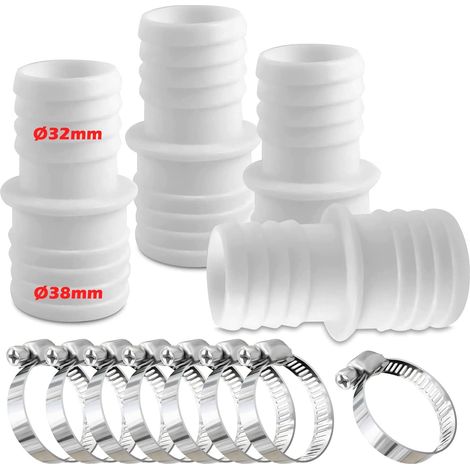
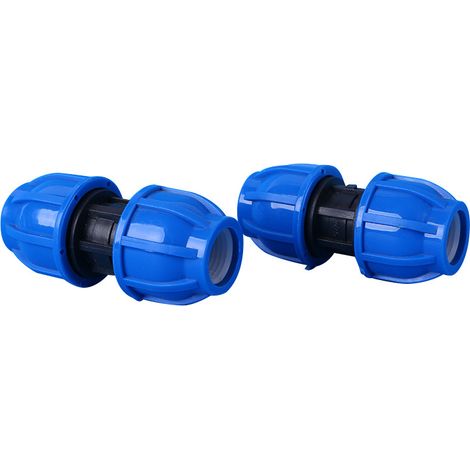
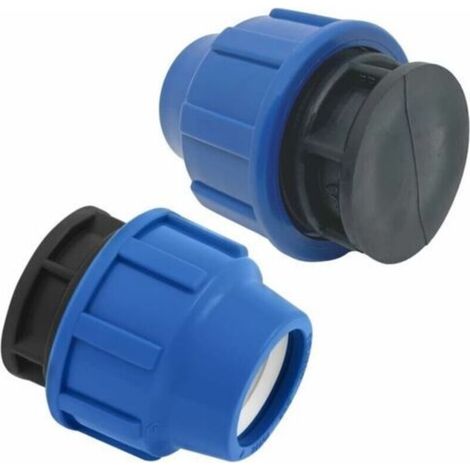
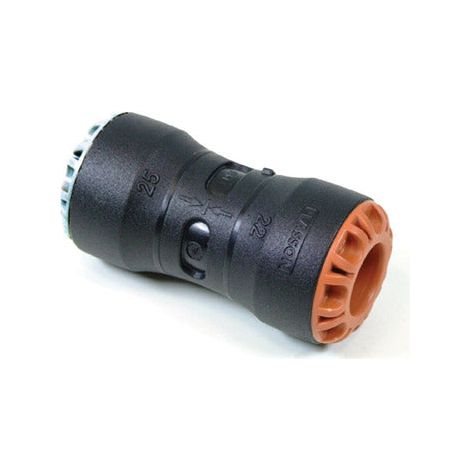
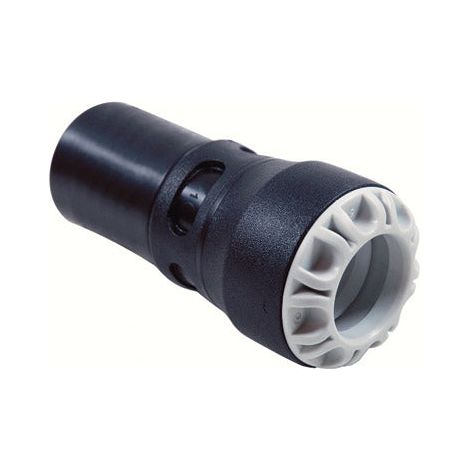
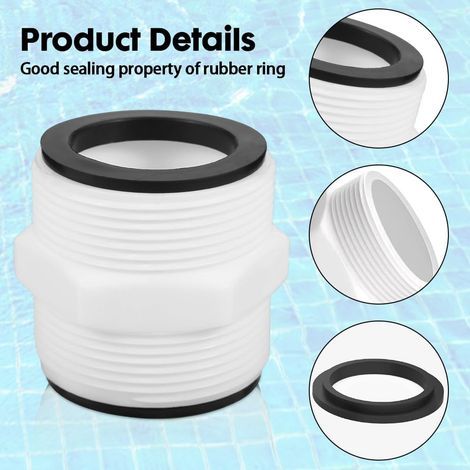
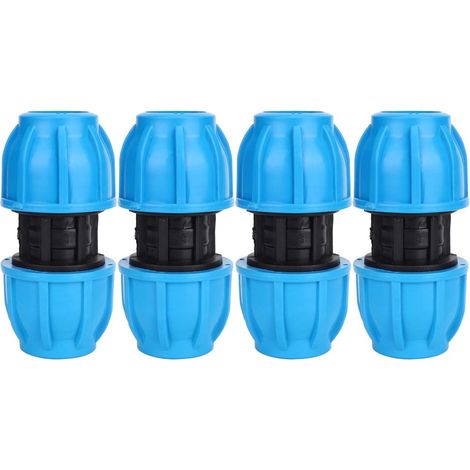
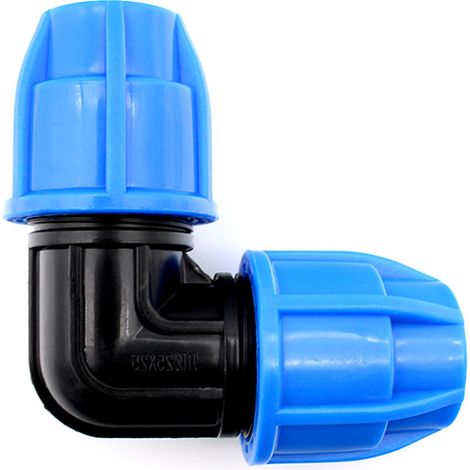
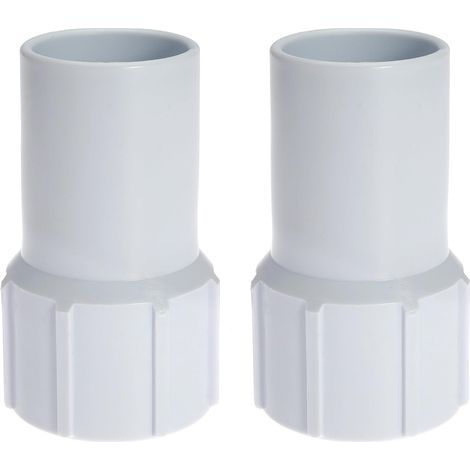
The use of polyethylene in plumbing tends to become widespread for two simple reasons: its low cost compared to metal elements and its low biodegradability, synonymous with longevity. Indeed, unlike metal pipes and tubes, which tend to oxidize and corrode, those made of polyethylene (PVC, Polypropylene, Polyester ...) are less affected by these deteriorations. Since there are many uses for plastic pipes (gardening, drinking water supply, drainage ...), several diameters are available: the diameter of a drain pipe will never be the same as that of a water supply pipe. Also, pipes are conventionally linear. For angles and curves, it is therefore recommended to use fittings. On the market, there are many fittings specifically designed for PE piping. Thus, we find extensions, T-shaped fittings, elbow fittings, reducers, etc. The materials used are generally brass for threaded fittings and plastic. In the same category of products, PE valves and PE tubes can be found.















'/%3E%3C/svg%3E)
'/%3E%3C/svg%3E)