The use of a booster pump allows for an increase in water pressure in the pipes of a building or installation. Its use improves the comfort of all residents of a house or building by addressing under-pressure issues and optimizing the performance of appliances that require a nominal inlet pressure.
Before delving into the selection criteria, it is important to identify cases that require a water booster pump.
- High water pressure optimizes the efficiency of automatic cleaners such as pool robots or lifting pumps.
- The simultaneous use of washing machines, dishwashers, and showers can create under-pressure issues. In this case, a booster pump ensures constant pressure in the pipes.
- A booster pump coupled with a surface or submersible pump can provide constant pressure water drawn from a well, river, or water collector. This water can be used in toilets or for watering plants.
Three types of booster pumps are available.
- The individual booster pump has the sole function of increasing the pressure in the pipes. It can be installed after the meter to optimize pressure in the distribution circuit of the house or associated with a surface or submersible pump.
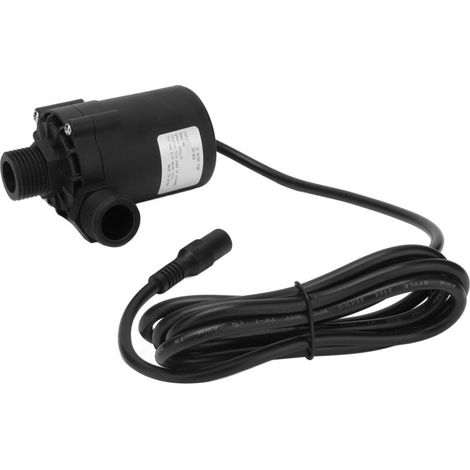
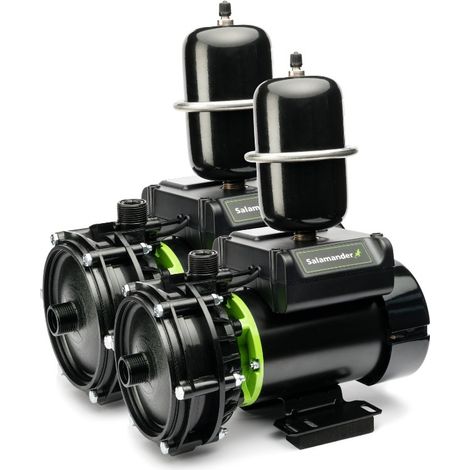
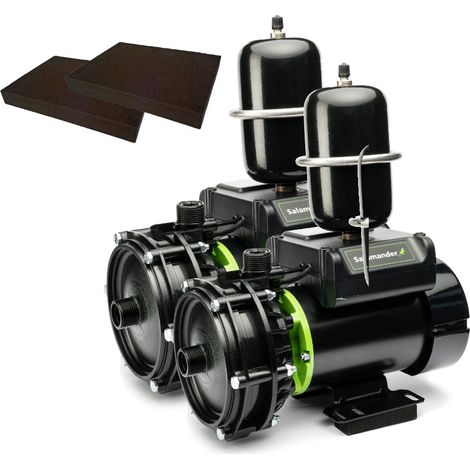
- As its name suggests, the booster pump is a booster coupled with a pump. This device operates automatically as soon as a faucet is opened.
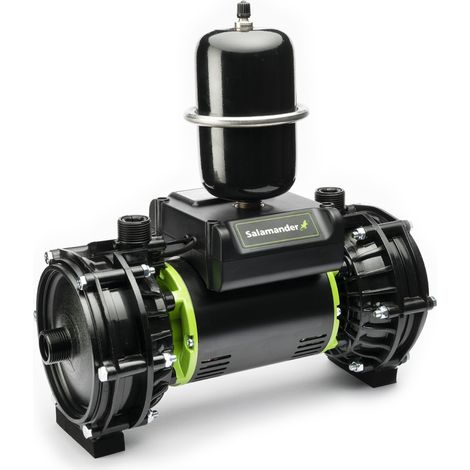
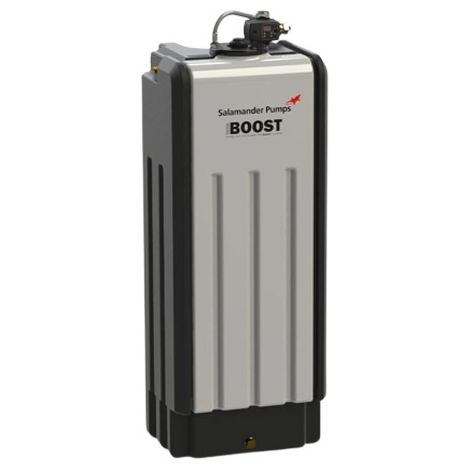
- The pressure group, also known as the hydrophore group, includes a booster pump, a bladder tank, and a surface pump. Its main advantage lies in the presence of the tank, which allows it to store water. Thus, the pressure group only starts when the water in the tank reaches a certain level, allowing energy savings.
Various parameters are to be considered in the choice of a booster pump.
- The pressure expressed in bars (B) measures the force of the water at discharge. A pressure of 2 to 3 bars is considered comfortable. Note that with a fixed flow rate, a small section pipe provides higher pressure than a large diameter one.
- The discharge height is to be considered when using a booster pump or hydrophore group. Indeed, the user must ensure that the water reaches the discharge point (sizing the mCE to the needs of the installation).
- The size of the device depends on the available space for installation.
- While a noisy booster pump can be installed without issue in a garage, a silent device is recommended for a cupboard or under the kitchen sink.
The choice of a booster pump mainly depends on its intended use and the characteristics of the location where it will be installed.

'/%3E%3C/svg%3E)
'/%3E%3C/svg%3E)