Filter by
Secateurs
500+ productsChoose a pruner with a hardened steel blade for precise and durable cutting. Also consider the size of your hands for a comfortable grip.
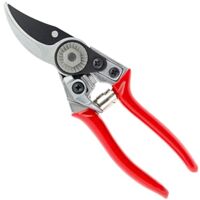
'/%3E%3C/svg%3E)
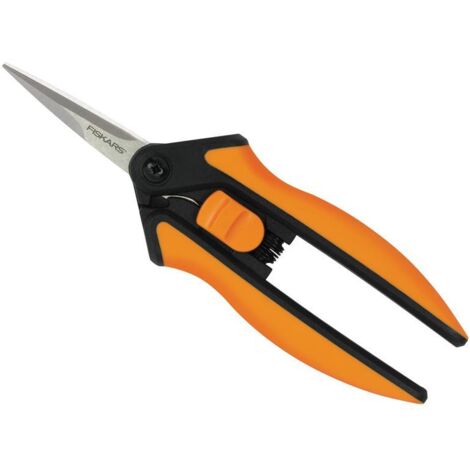
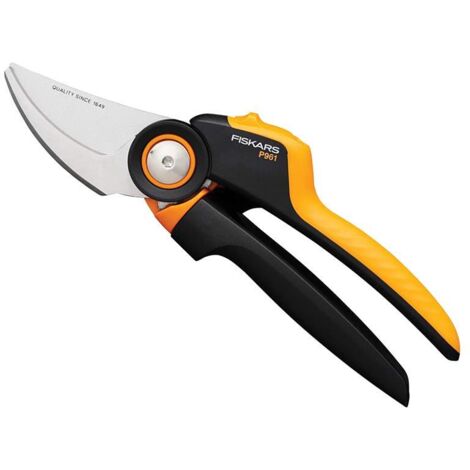

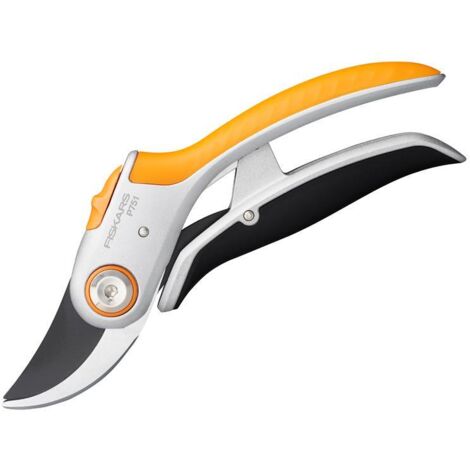
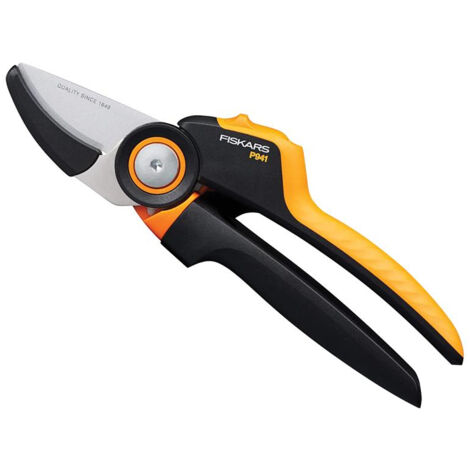
Fiskars PowerGear X-Series Bypass Pruning Shears with Rotating Handle, 22.2 cm, Stainless Steel Blades with Non-Stick Coating, Ergonomic Black and Orange Design, Ideal for Fresh Branches
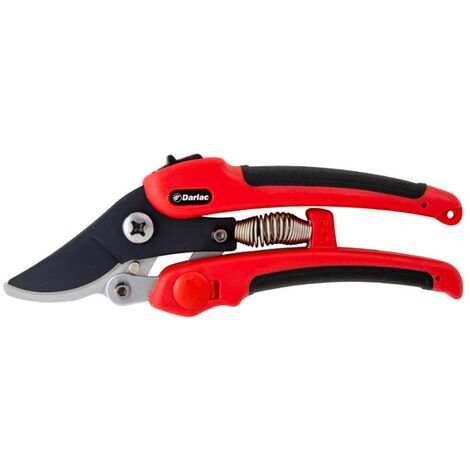


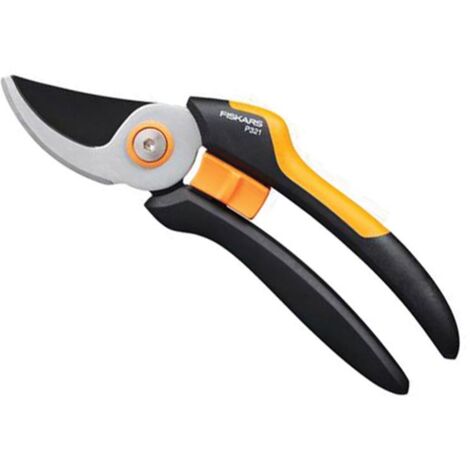
Fiskars Heavy-Duty Bypass Pruning Shears (Model P321), 8-Inch, Stainless Steel Blades with Non-Stick Coating, Ergonomic Black and Orange Handles, Ideal for Fresh Branches and Twigs
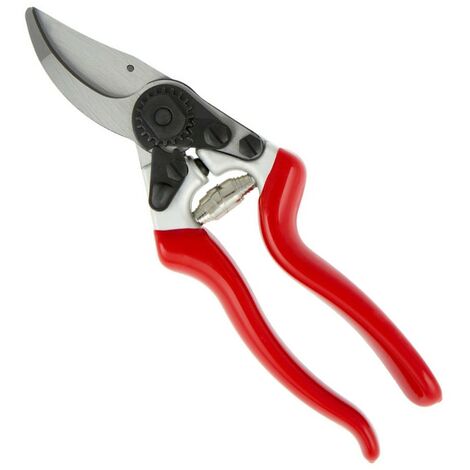

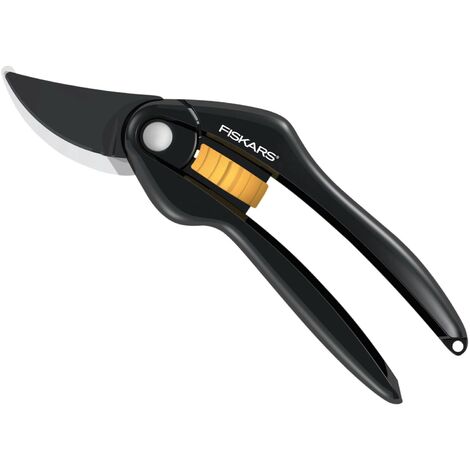
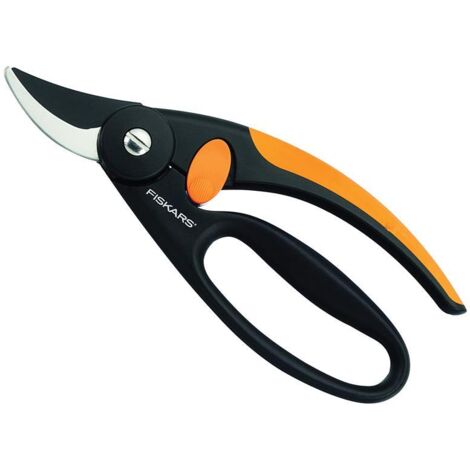
Fiskars Traditional Pruning Shears for Shrubs – Durable Garden Hand Tool (Model 1001534)
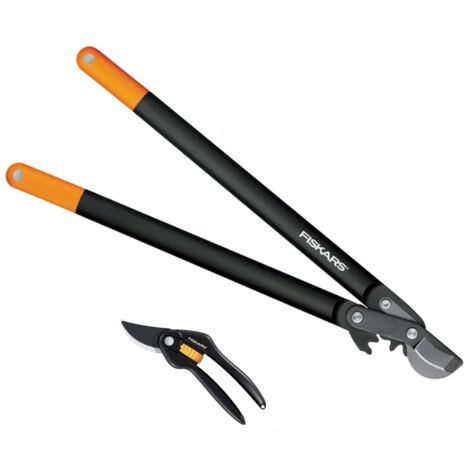
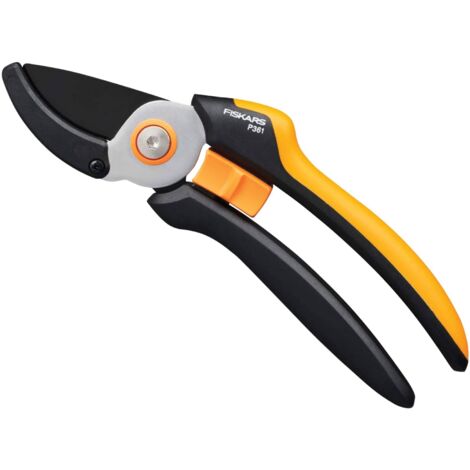
Heavy-Duty Solid Anvil Pruning Shears (P361) with 20mm Cutting Capacity and FiberComp Handle by Fiskars
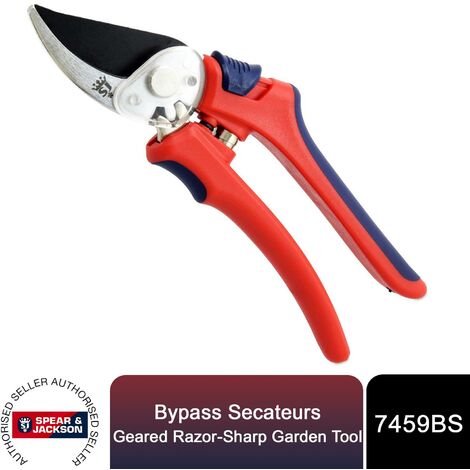
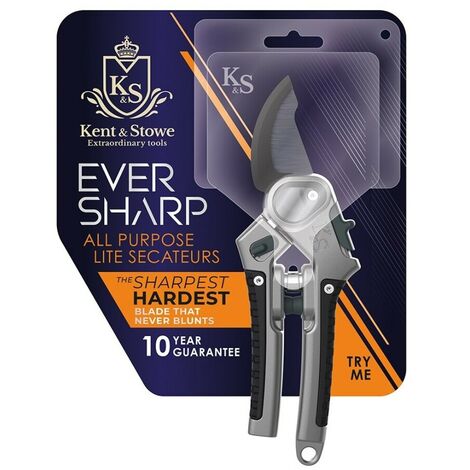
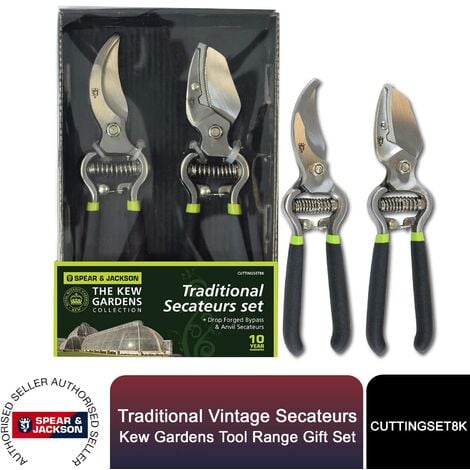
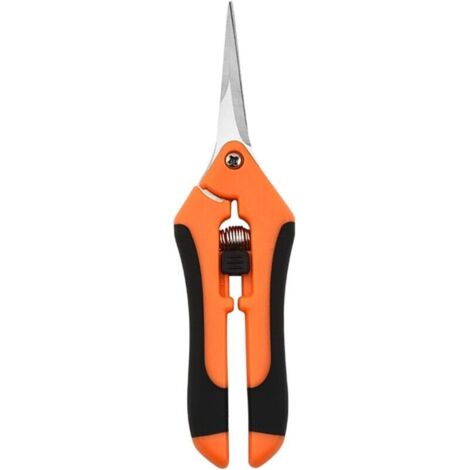
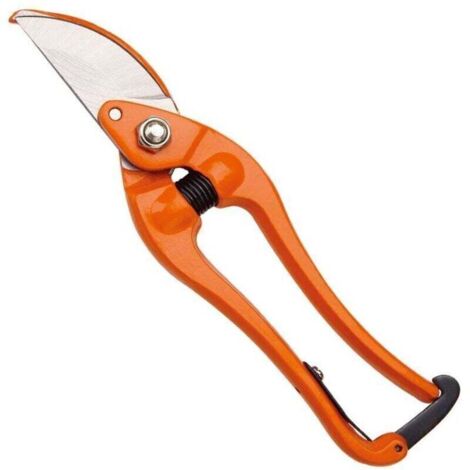
Garden Pruner, Straight-Edged Garden Pruners, Stainless Steel Garden Shears, Hand-Operated Garden Pruners, Plant Pruners, Stainless Steel Pruners, Oran Pruner
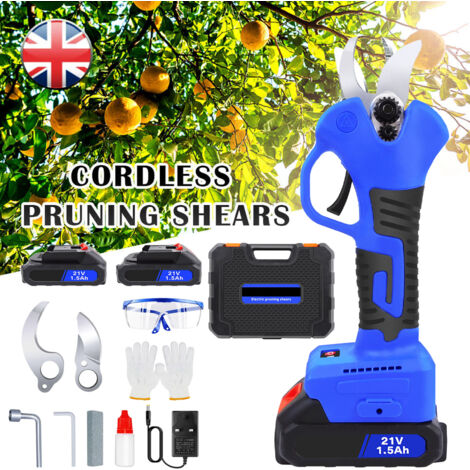
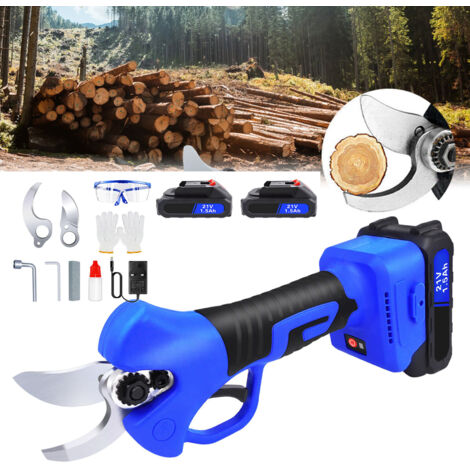
21V Cordless Garden Secateurs Electric Pruning Shears for Gardening Cutting Tool 2 Batteries
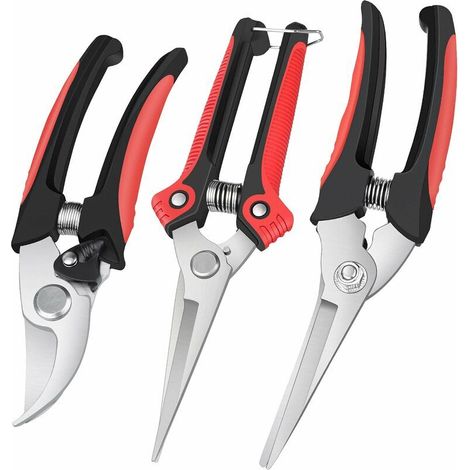

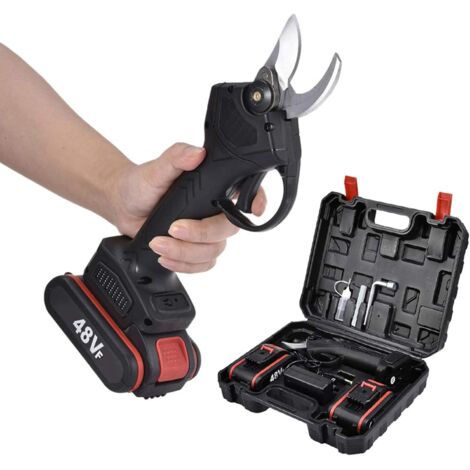

Electric Pruning Shears Garden,Portable Rechargeable Pruning Scissors Secateur Branch Cutter
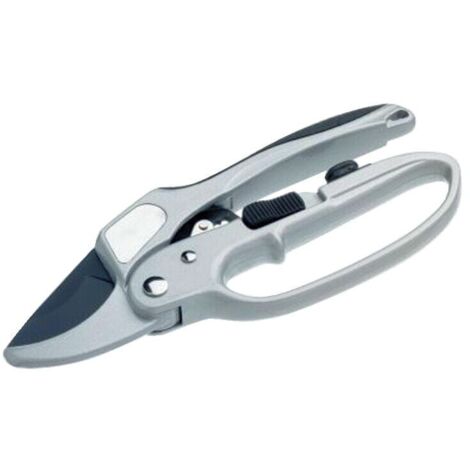

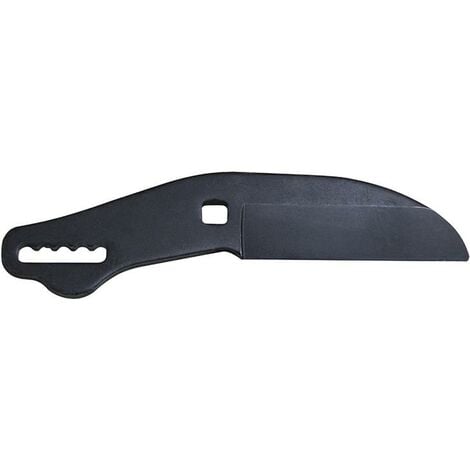

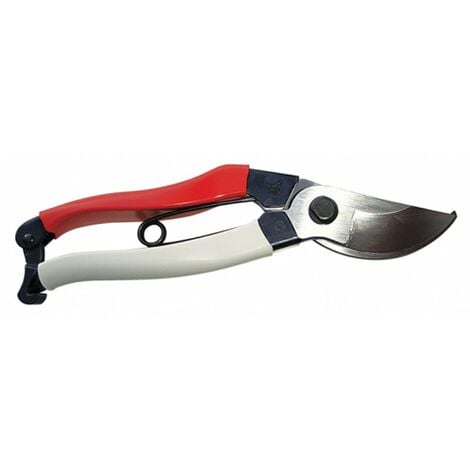

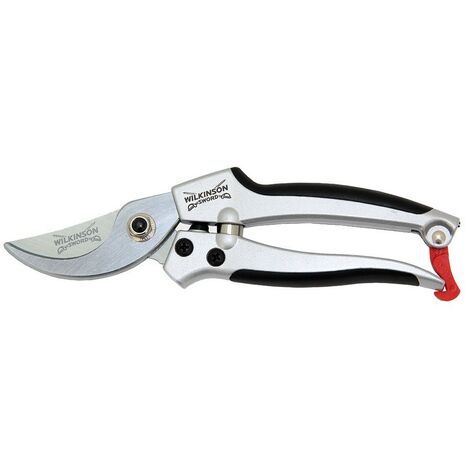

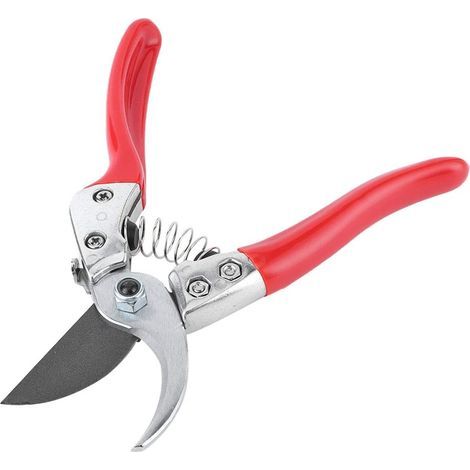

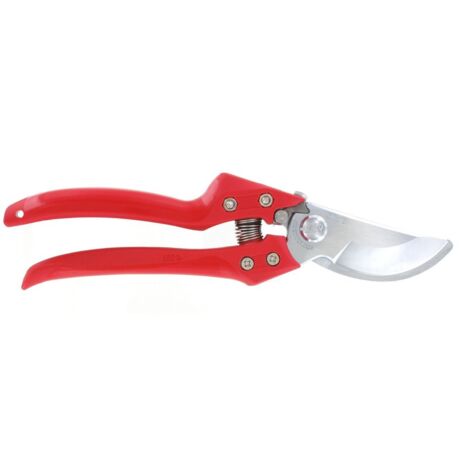

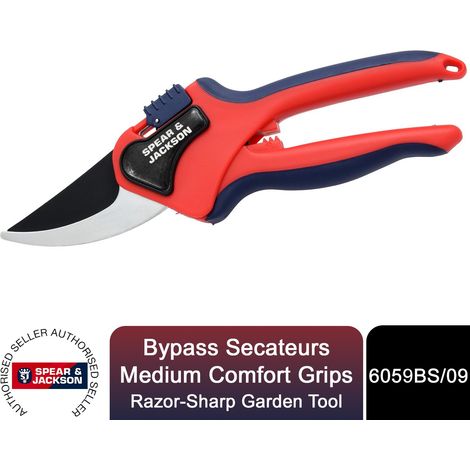
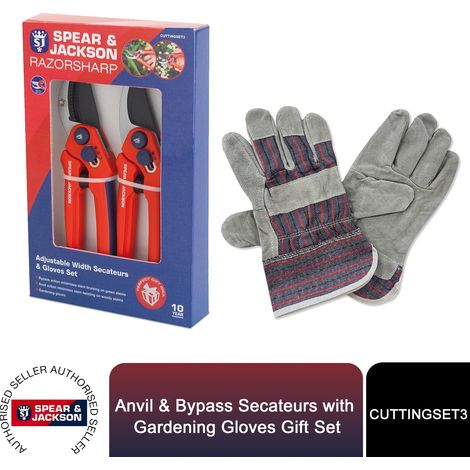
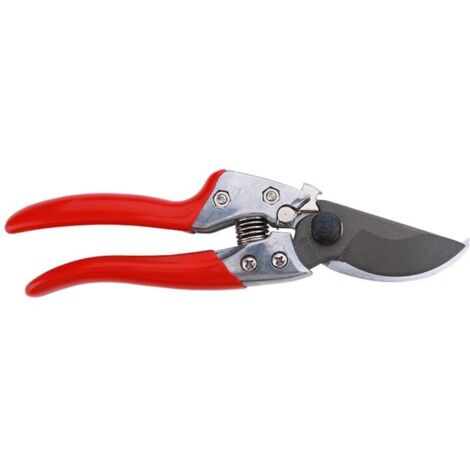
Professional 8-inch garden pruner, razor-sharp SK5 Japanese steel blade, non-slip handles with PVC coating
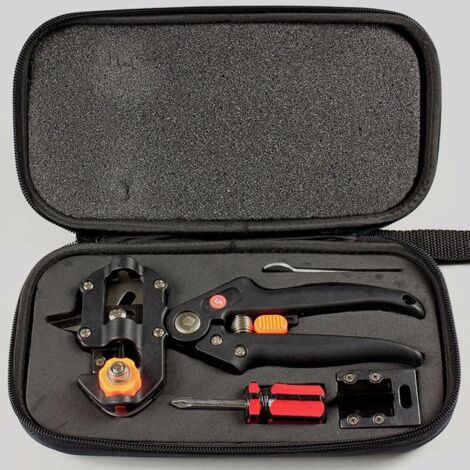

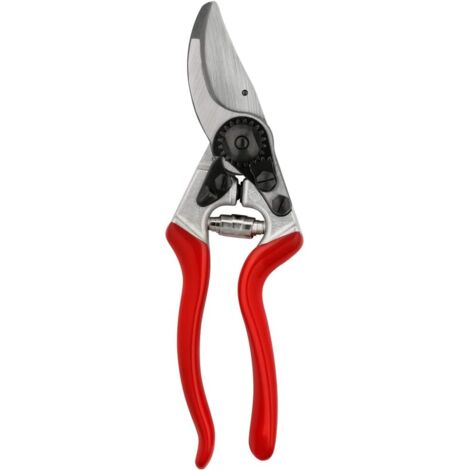

Pruning shears (length 200 mm, straight shears, shears with shock absorber) pruning shears
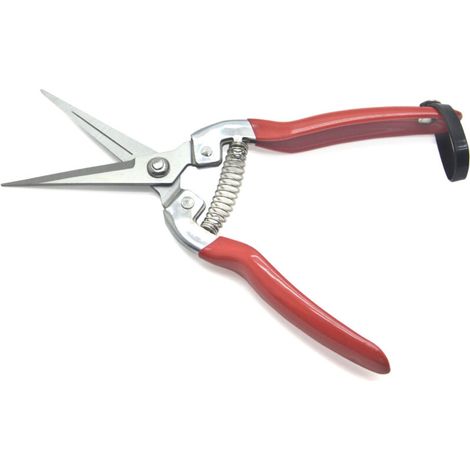
Fruit shears, fruit shears, pruning shears, grape shears, garden shears, garden tools
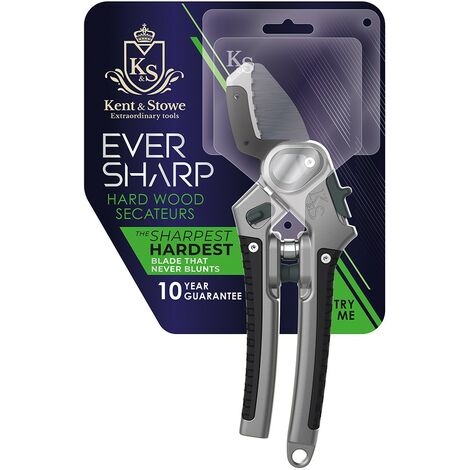
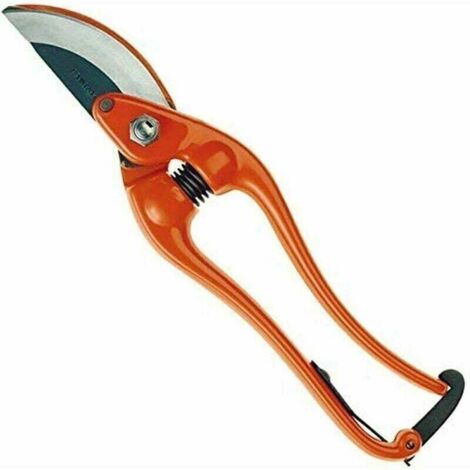
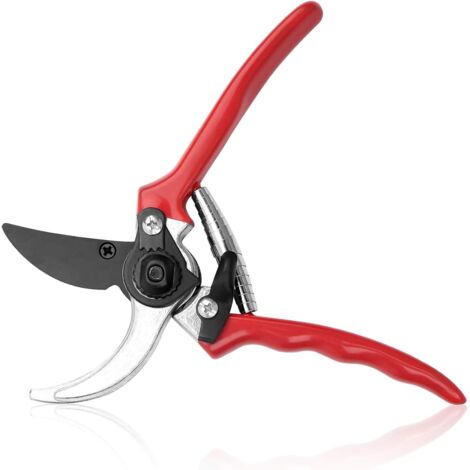

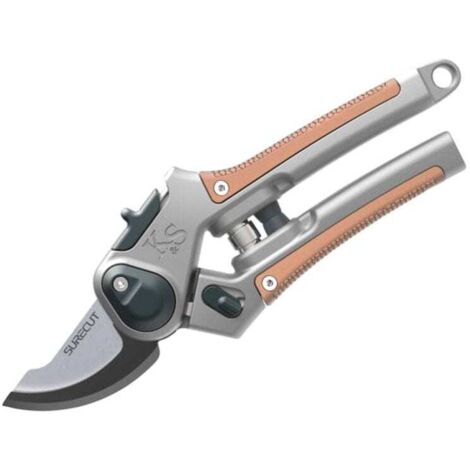
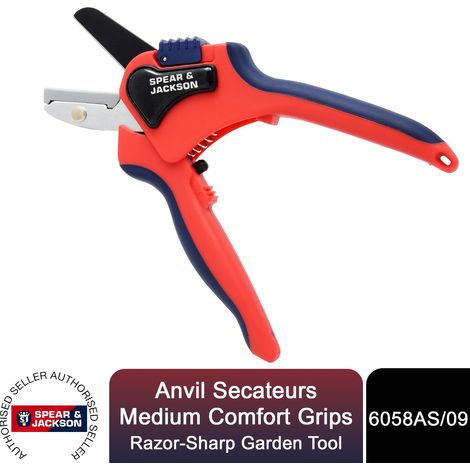
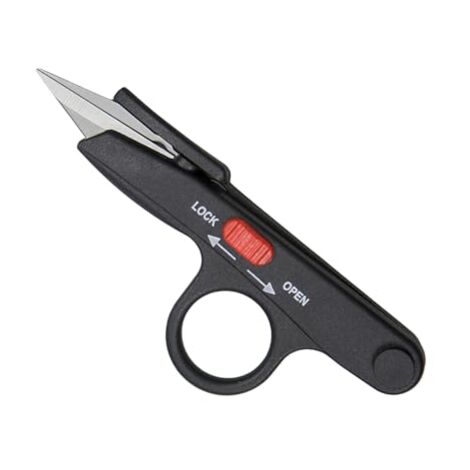
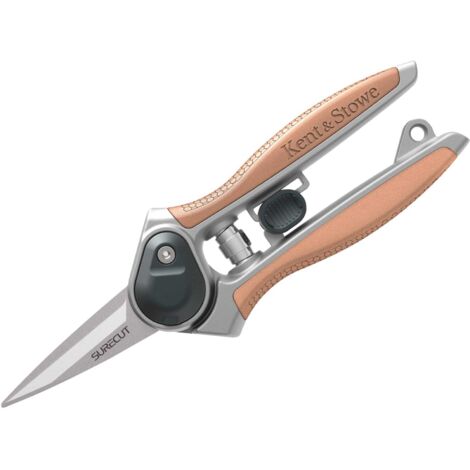
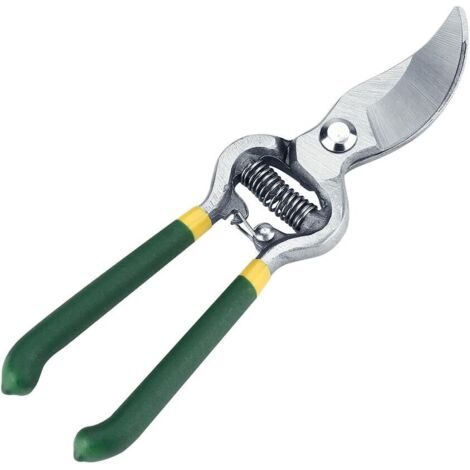
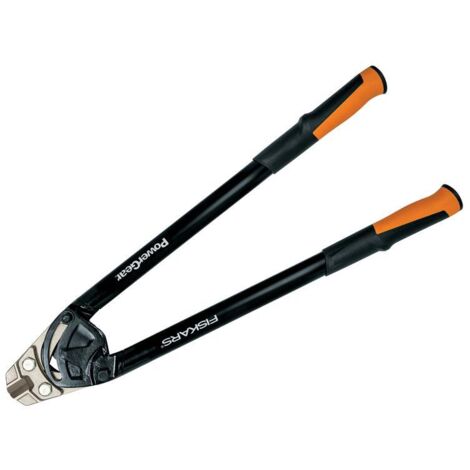
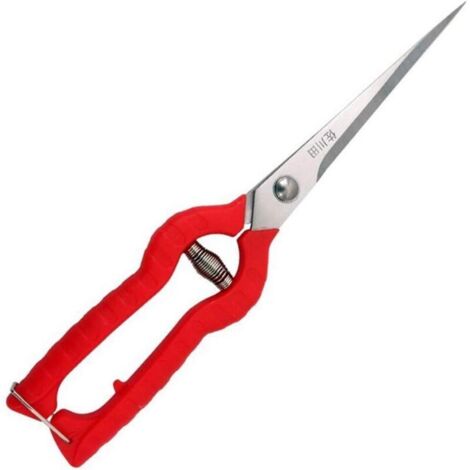
Professional pruning shears with straight stainless steel blades for flower arrangement, plant cutting, fruit harvesting (96 mm blade)
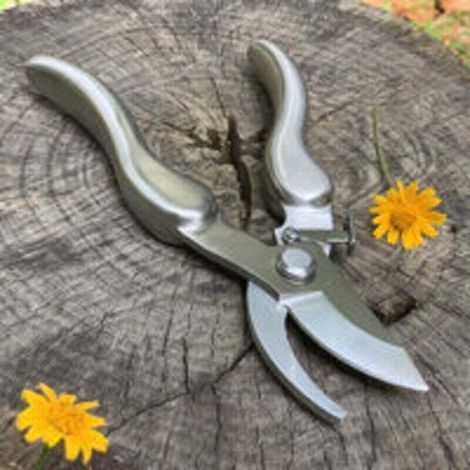
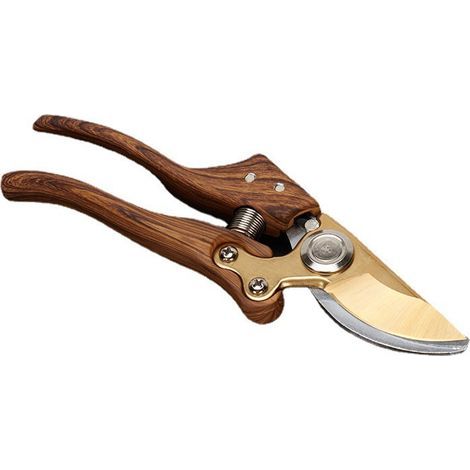
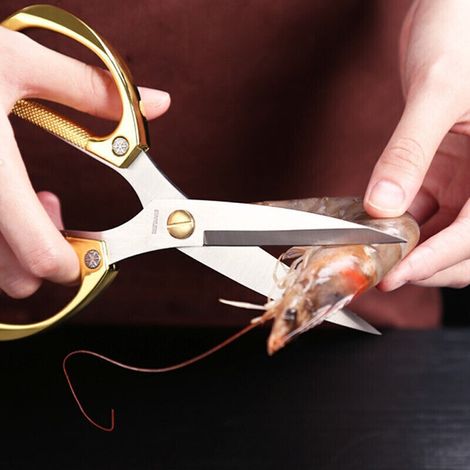
Professional Japanese stainless steel gardening scissors – 9.5 cm – for precise pruning of vines, flowers, herbs and bonsai
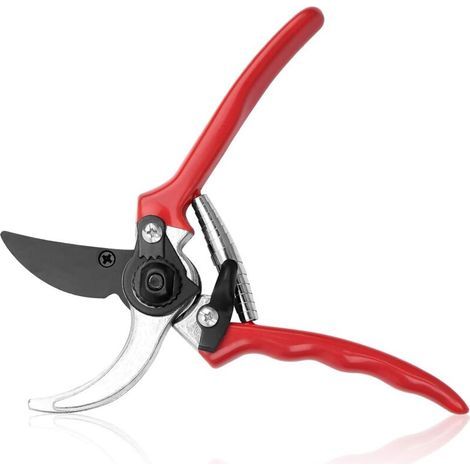
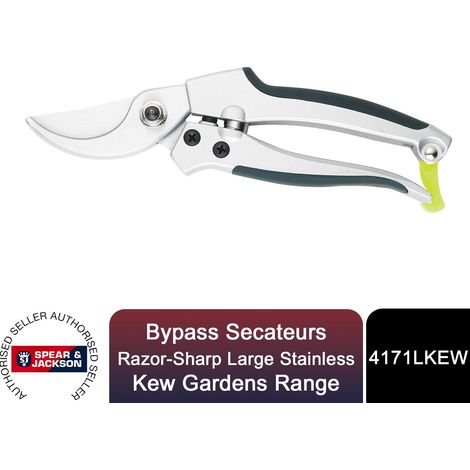
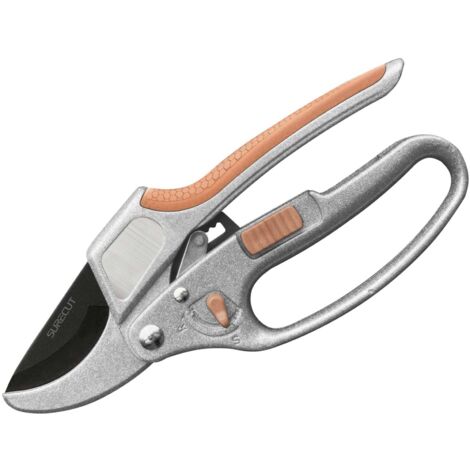
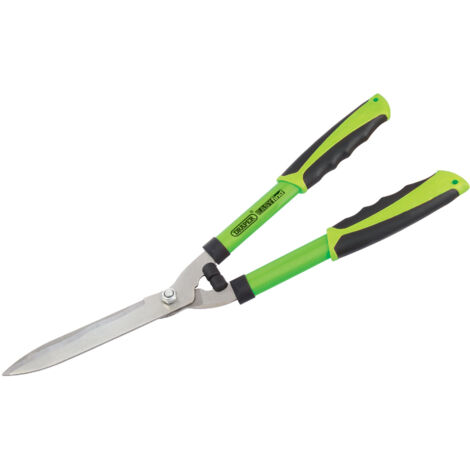

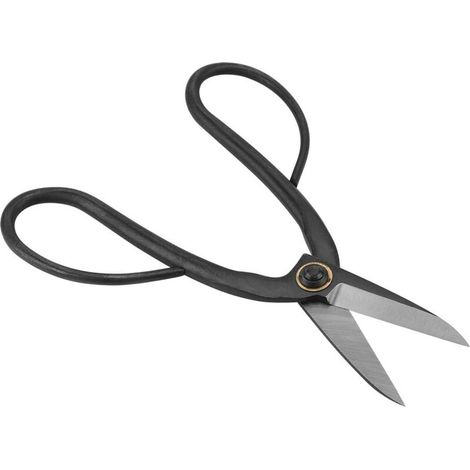
200mm Bonsai Pruning Scissors Stainless Steel Durable Scissors Bud Leaves Garden Tools Trimmer Garden Shears Plant Scissor Branch Pruner Grafting Bonsai Tools

'/%3E%3C/svg%3E)
'/%3E%3C/svg%3E)