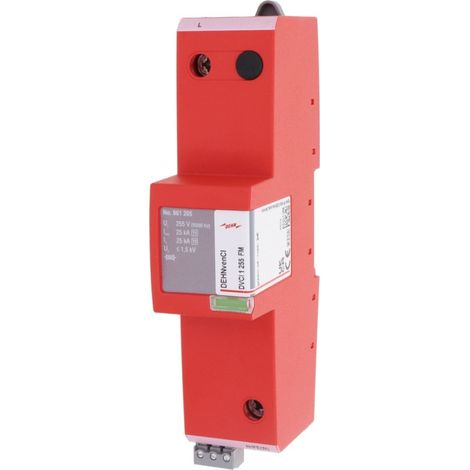
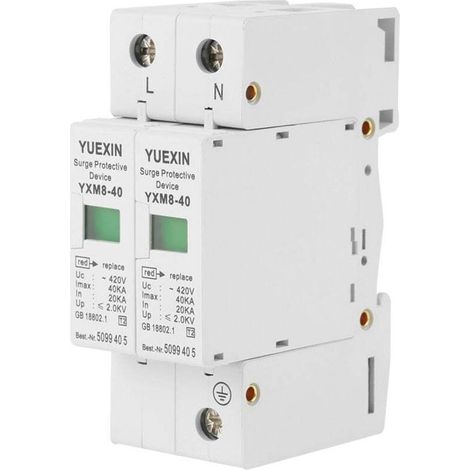
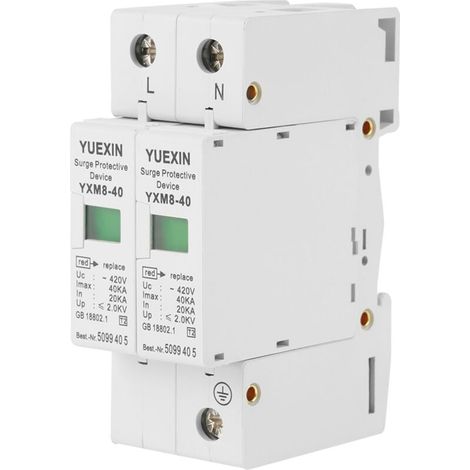
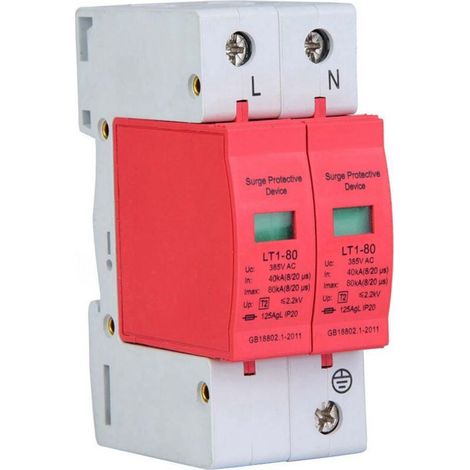
As its name suggests, a surge protector is useful for protecting electrical appliances from potential overvoltage caused by lightning during a storm. Classified as type 1, 2, or 3, this equipment helps reduce the voltage at the terminals of sensitive devices.
Three types of surge protectors can be distinguished.
- Type 1 models are effective against direct lightning strikes. They have the ability to dissipate the current generated by lightning from the ground to the distribution network. The installation of this type of device at the electrical panel level is recommended for any building equipped with a lightning rod.
- Type 2 models allow the dissipation of current generated by an indirect lightning strike that causes conducted or induced overvoltage on the electricity distribution network. They are also installed in the electrical panel.
- Type 3 models are used as a complement to type 1 or type 2 devices. They help reduce overvoltage to optimize the protection of sensitive devices. Unlike other models, they are not intended to be used alone due to their limited dissipation capacity.
Several parameters should be considered when installing a surge protector for an electrical panel.
- The installation of a type 1 model is mandatory in all departments with a high number of storms (keraunic level above 25). This is the case for Ain, Alpes de Haute-Provence, Alpes Maritimes, Haute Corse and Corse du Sud.
- The installation of a type 1 model is also mandatory if the house is equipped with a lightning rod. This obligation does not consider the keraunic level of the department where the house is located.
- The type 1 model is installed at the head of the electrical panel to preserve other equipment such as residual current devices.
- The location of the device must be well studied to obtain a connection to the ground of less than 50 cm.
- The type 2 model is also installed at the head of the electrical panel. However, if it is located more than 10 meters from the devices to be protected, it is advisable to install a type 3 model near these devices.
Other parameters should be considered when choosing the device to install.
- The minimum dissipation capacity of a type 1 model is 12.5 kA. However, the capacity of the device to be installed may be higher depending on the result of the risk analysis conducted beforehand.
- The dissipation capacity of a type 2 model depends on the level of risk (moderate, medium, or high). It ranges from 20 kA to 65 kA.
Thus, installing a surge protector for an electrical panel is essential in the stormiest departments, but the chosen equipment must be adapted to the level of risk.
'/%3E%3C/svg%3E)
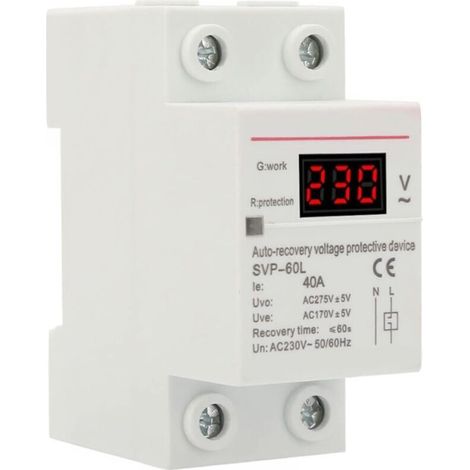


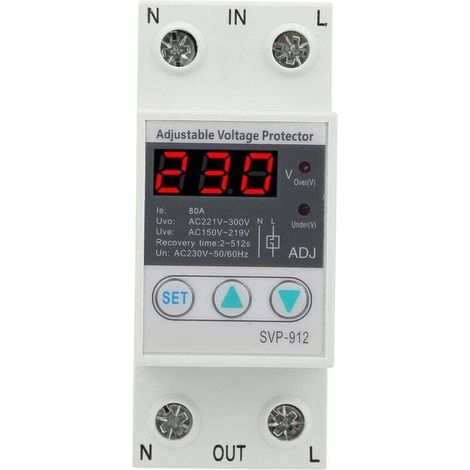
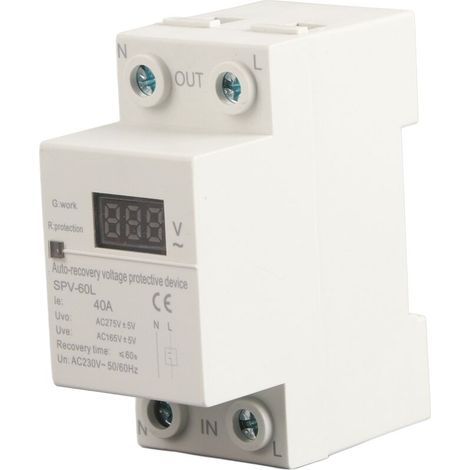
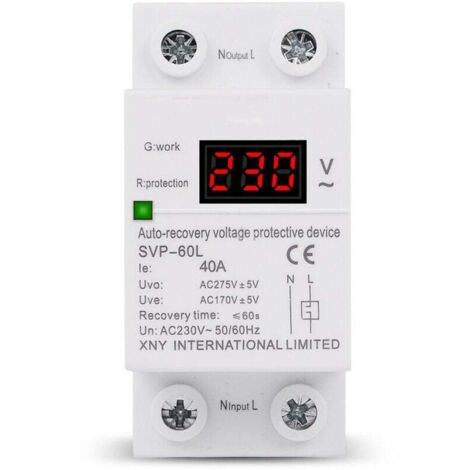
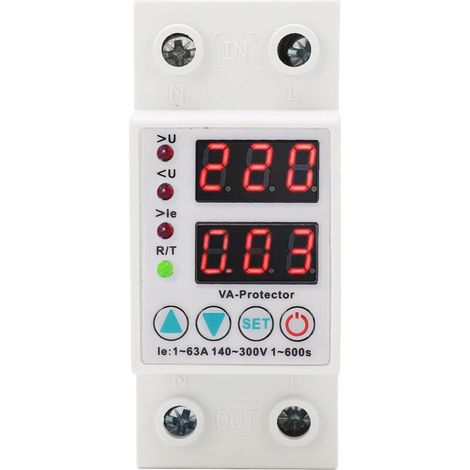



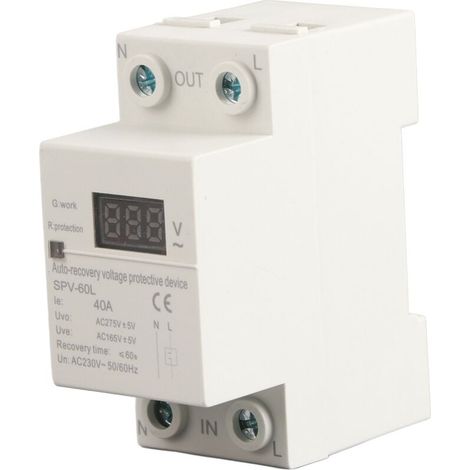
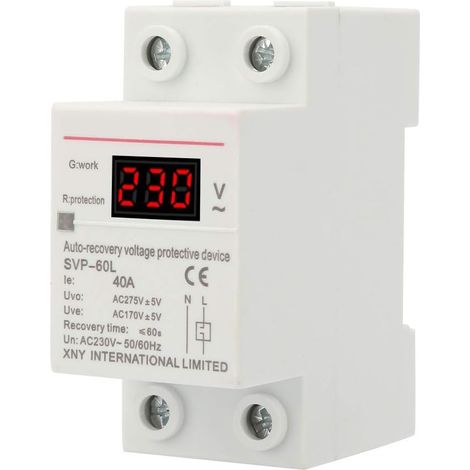
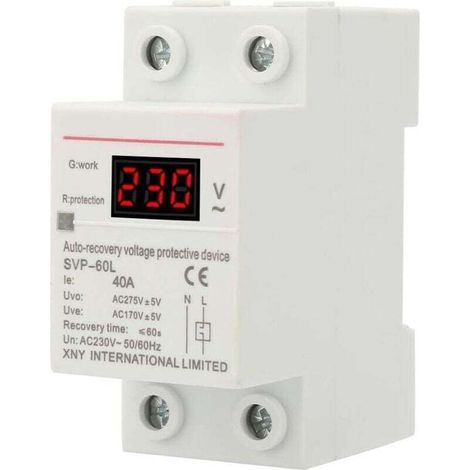
![[NEVER USED] Voltage Regulator, Automatic Recovery Overvoltage and Undervoltage Protection Device 230V 40A DIN Rail Mounting Protector (1/4)](https://cdn.manomano.com/pim-media/images/medium/e01a4705a2b4198c05fa098dcce210703cc6e323.jpg)
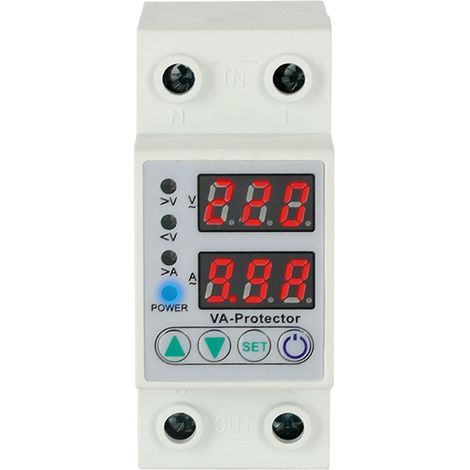



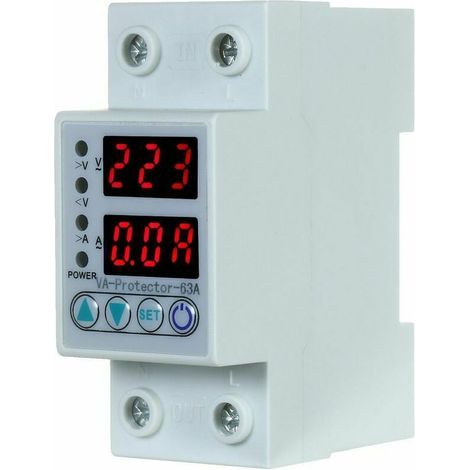

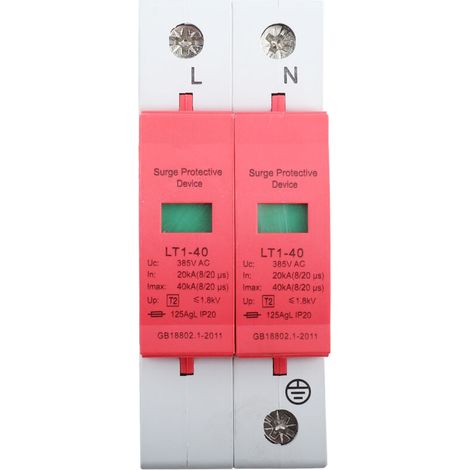
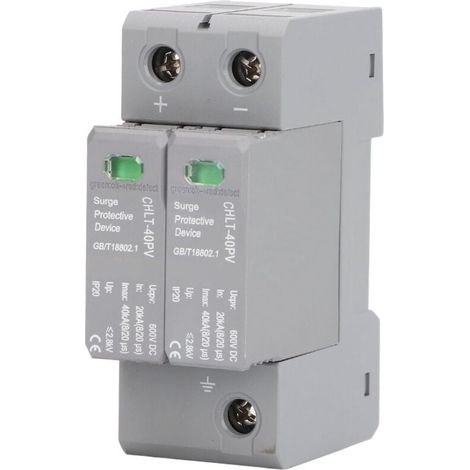
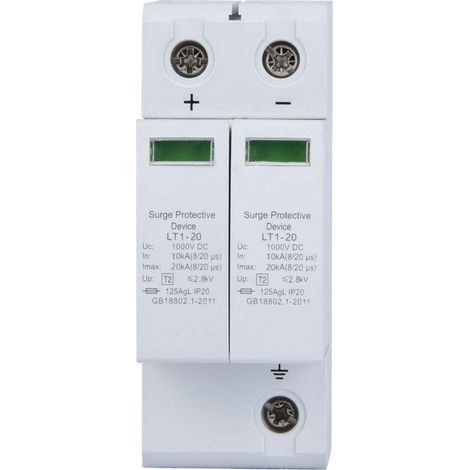
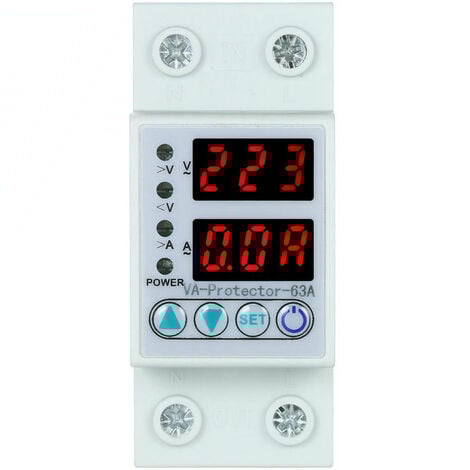
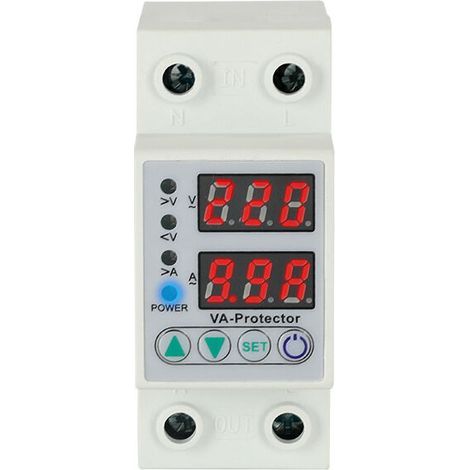
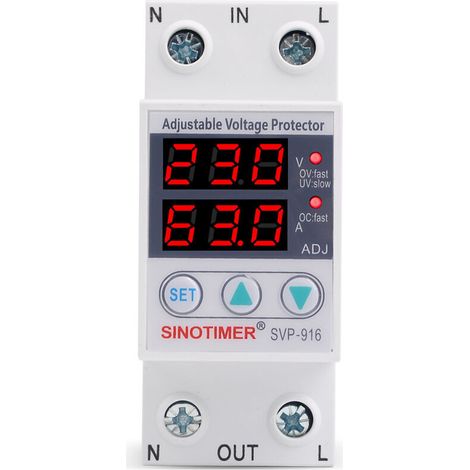
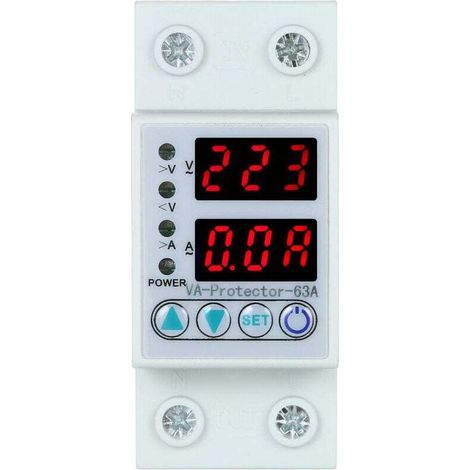
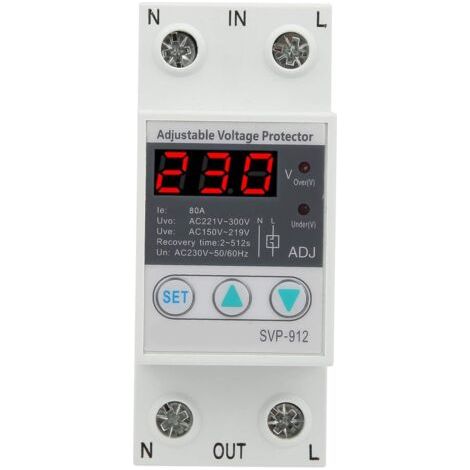
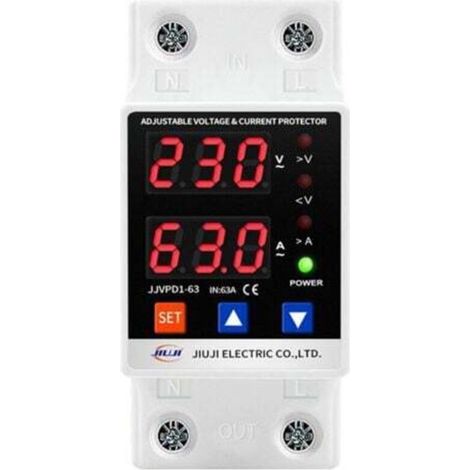
![[NEVER USED] Adjustable overvoltage and undervoltage protection on the 63A rail. Overcurrent protection relay. Home LED display. (1/3)](https://cdn.manomano.com/pim-media/images/medium/78392604da9d359ee62e213b32c719873a22ec83.jpg)
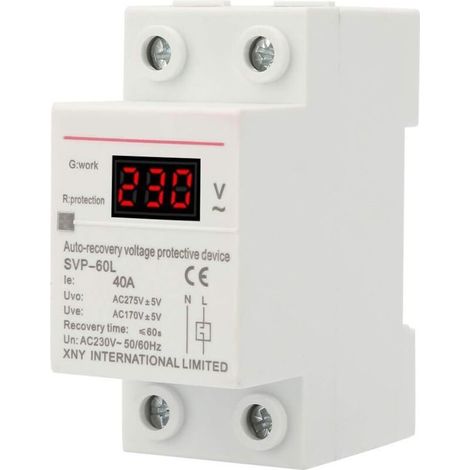
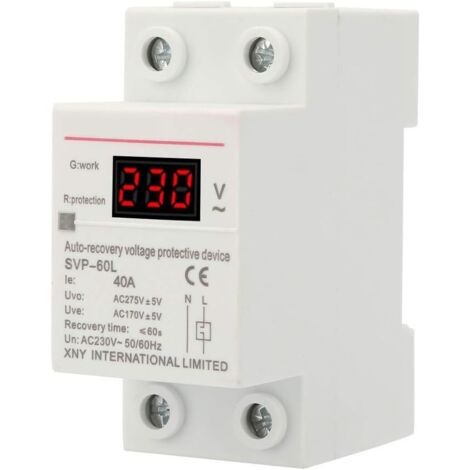
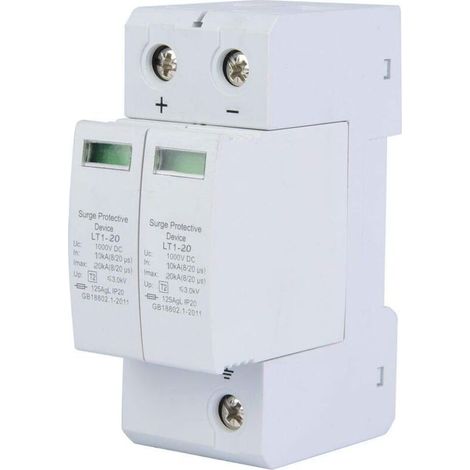
![[NEVER USED] Adjustable Over/Under Voltage Protector, AC220V 40A 2P DIN Rail Surge Protector Recovery (1/4)](https://cdn.manomano.com/pim-media/images/medium/d0c84c46926b75677a224fbc32785163e5012bac.jpg)
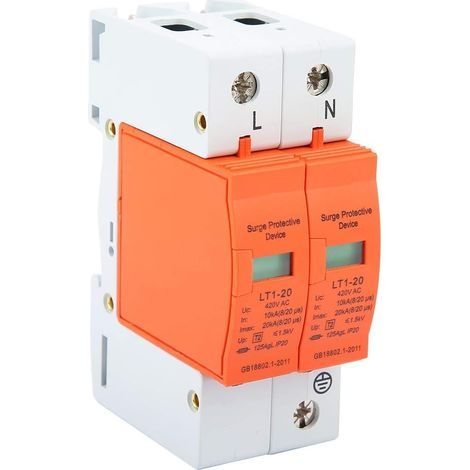
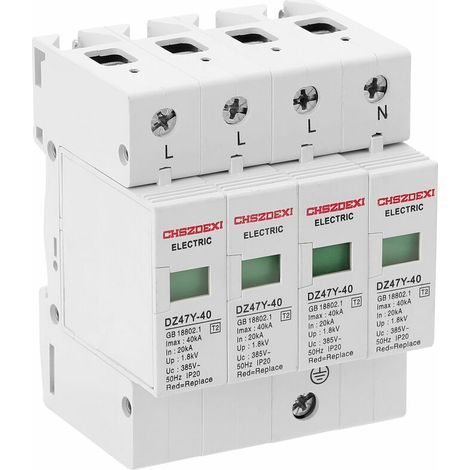
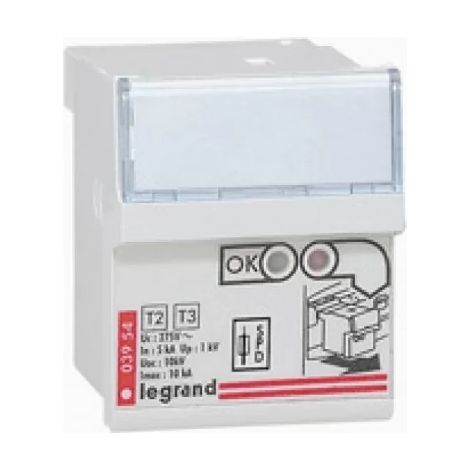
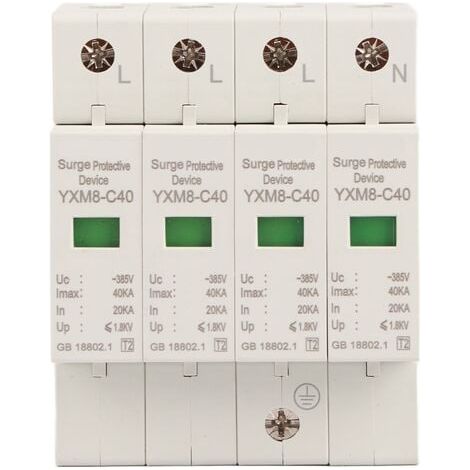
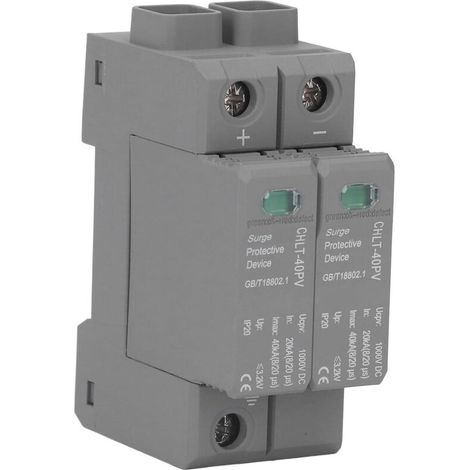
![[NEVER USED] Surge protector for 4-pole electrical panel – 40kA surge protection – 385V voltage – 35mm DIN rail mounting – IP20 – DZ47Y-40KA (1/4)](https://cdn.manomano.com/pim-media/images/medium/cdc5ffe0ffce3bbab19b44c72258f0bfa5c2b3a3.jpg)
'/%3E%3C/svg%3E)