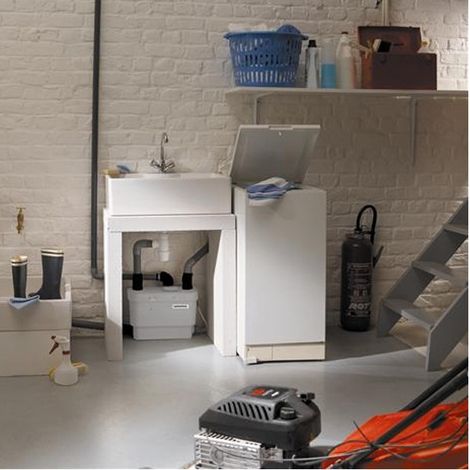
A lifting station is useful when it is not possible to drain wastewater by the simple effect of gravity. This device can be used to optimize the evacuation of raw or lightly loaded water in autonomous or collective sanitation.
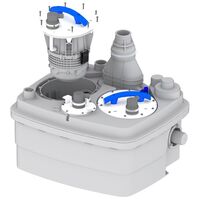
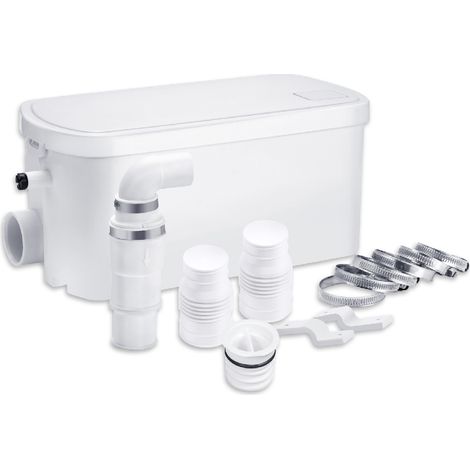
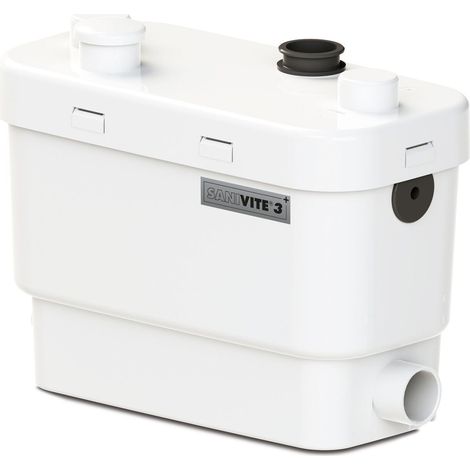
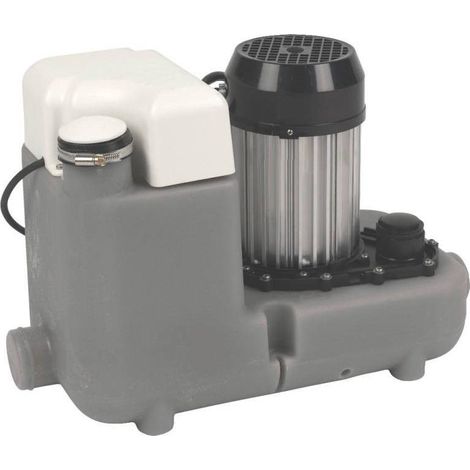
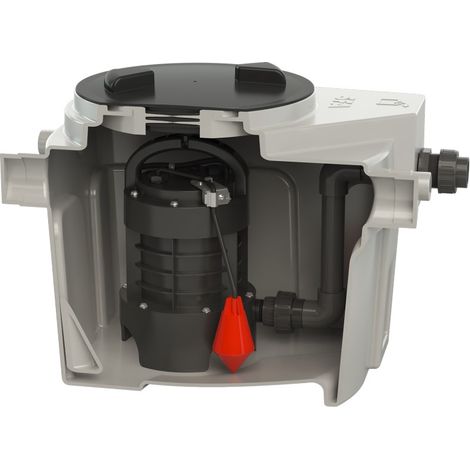
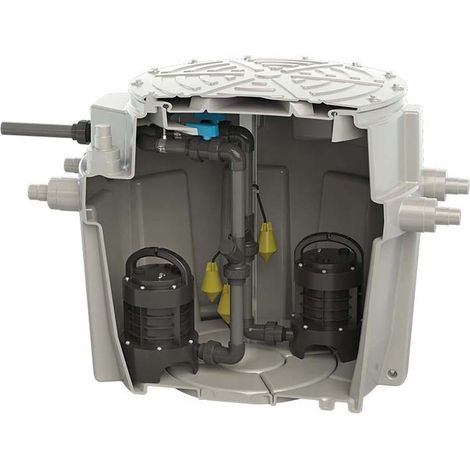
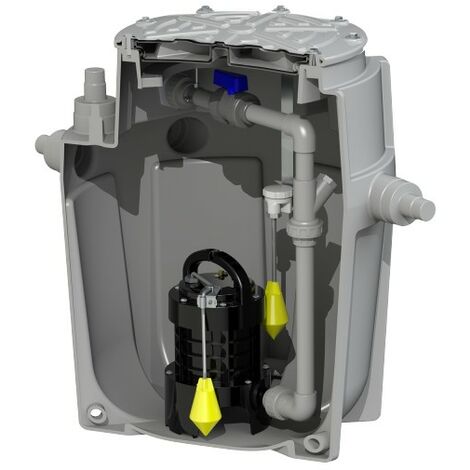
A wastewater lifting station includes various elements.
- A tank, also called a storage tank, holds the wastewater. The basic calculation for determining its capacity is 100 l for a home with 5 rooms. Then, 25 l must be added per additional room.
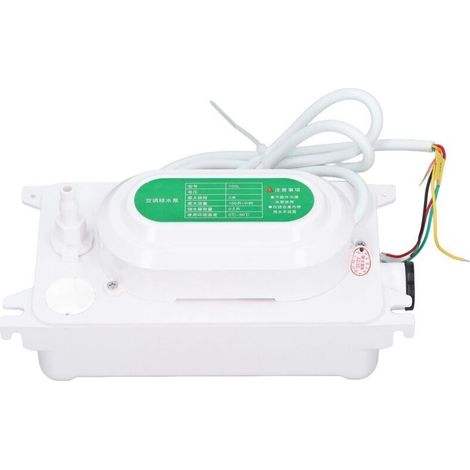
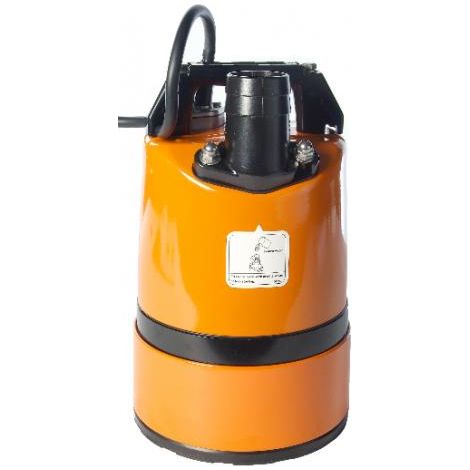
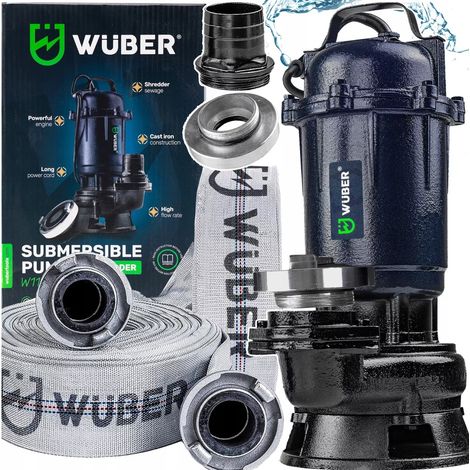
- One or more submersible pumps discharge the wastewater when its volume reaches a certain level.
- A regulation and control system optimizes the operation of the station. Indeed, the pumps should not run dry to avoid premature wear. Furthermore, frequent starts increase energy consumption.
Lifting pumps differ in their flow rates.
- The flow rate is indicated by manufacturers in liters per minute (l/min) or cubic meters per hour (m³/h).
- The flow rate depends on the total manometric head (HMT) expressed in meters of water column (mCE). Thus, the outlet height reduces the pump's flow rate. If the HMT is exceeded, the water will not reach the outlet.
- The flow rate indicated on the pump body corresponds to an HMT of 0 m.
Some tips ensure the proper functioning of a lifting station.
- A non-return valve must be installed at the pump's outlet pipe to avoid loss of prime.
- The tank or storage tank must be ventilated to exhaust the gas released by the wastewater.
- It is recommended to install an audible (siren) or visual (beacon) alarm to warn of a level defect in the tank or a pump malfunction.
- It is advisable to regularly clean the station to remove materials remaining at the bottom of the tank that could impair the proper functioning of the sensor.
The choice of a lifting station depends on the size of the residence. Only regular maintenance can prevent breakdowns.
'/%3E%3C/svg%3E)




![[NEVER USED] Bilge Pumps, 12V 1100 GPH Automatic Bilge Pump Submersible Marine Automatic Bilge Pump Quiet Liquid Pump for Boats, Ponds, Pools (1/5)](https://cdn.manomano.com/pim-media/images/medium/5579e8404cb084054656336fb2422cc90ae82b5e.jpg)

'/%3E%3C/svg%3E)