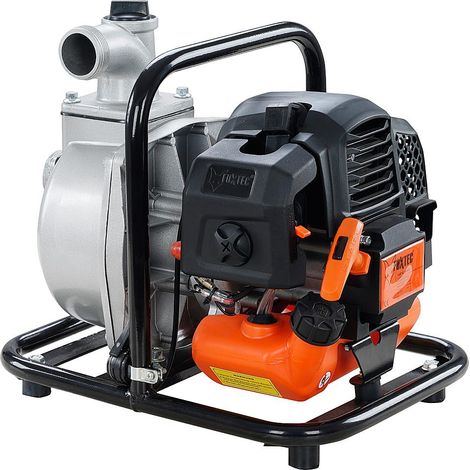
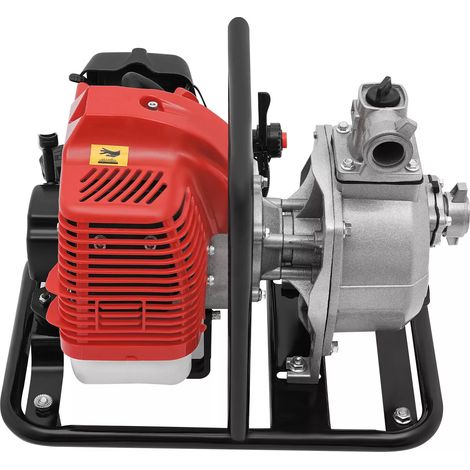
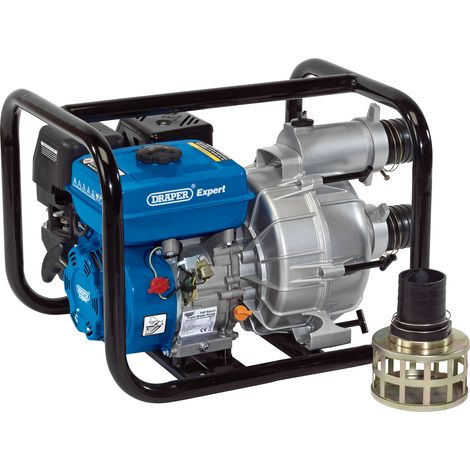
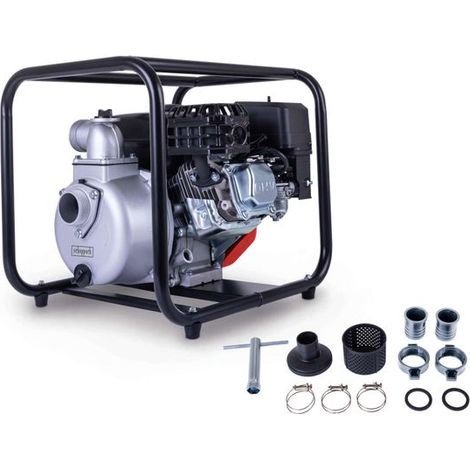
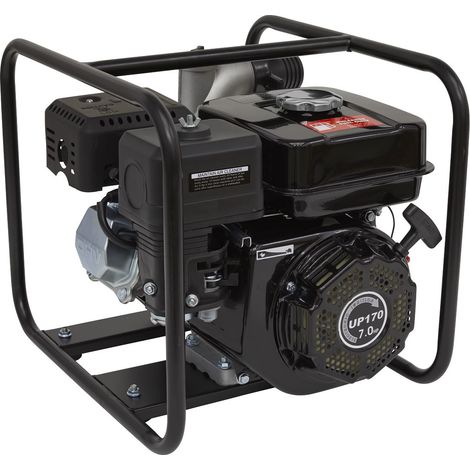
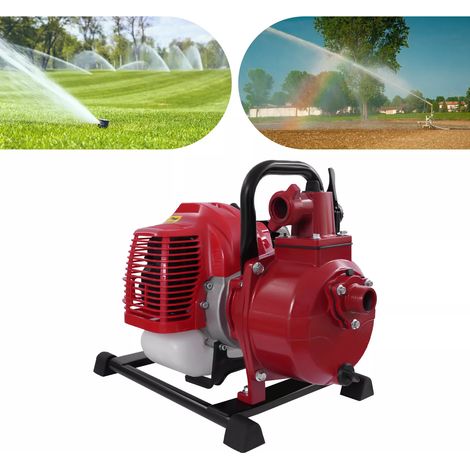
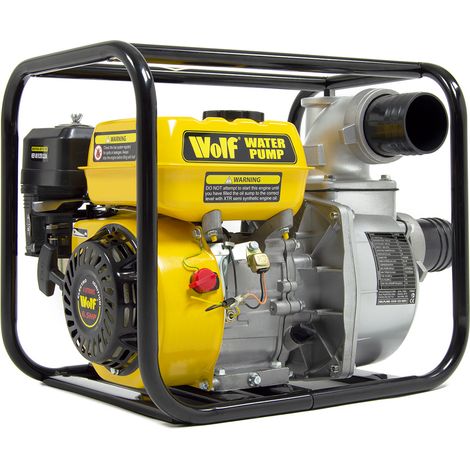
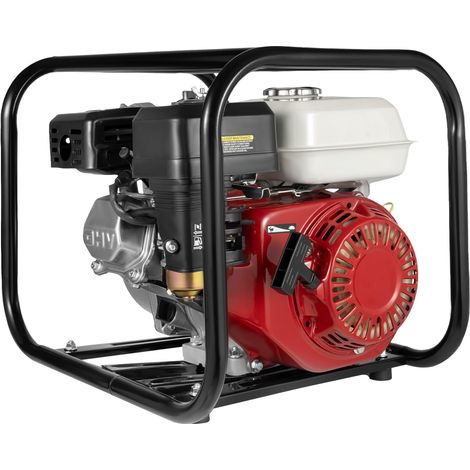
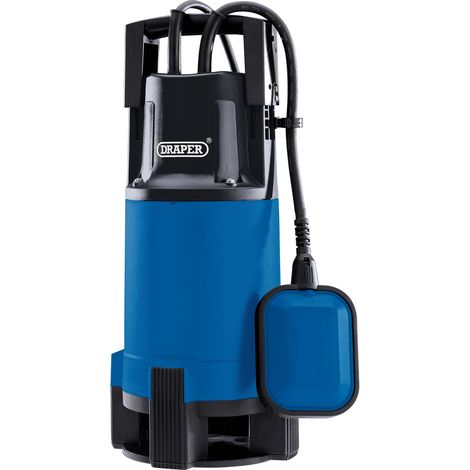
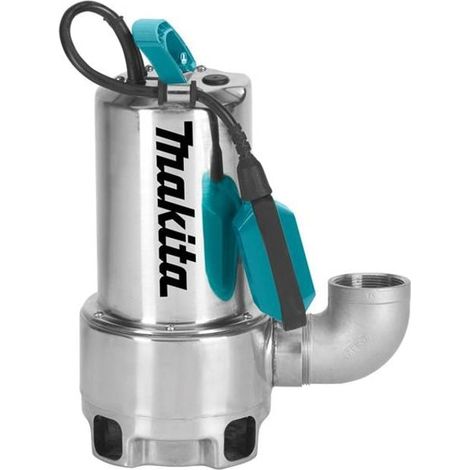
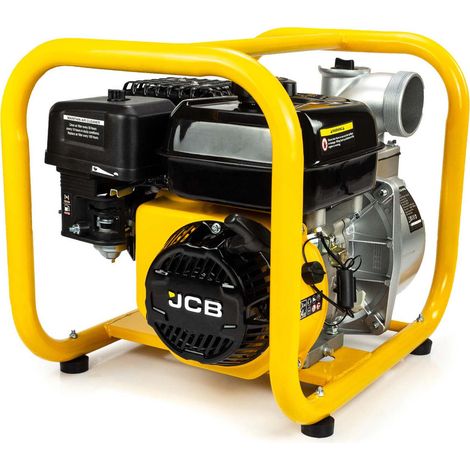
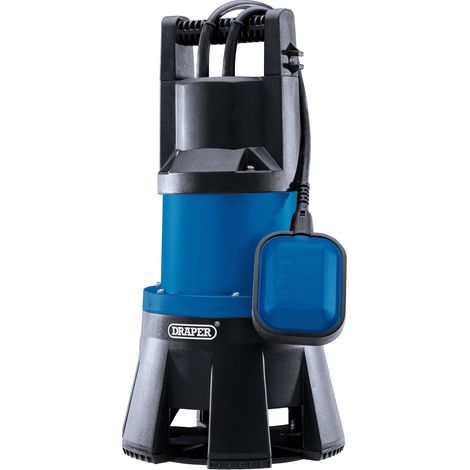
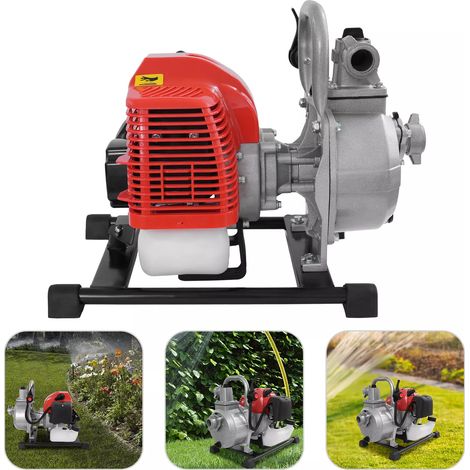
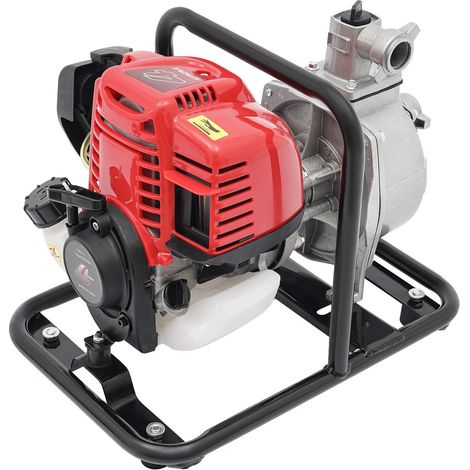
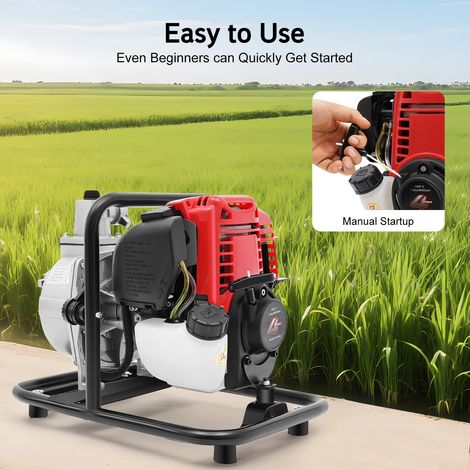
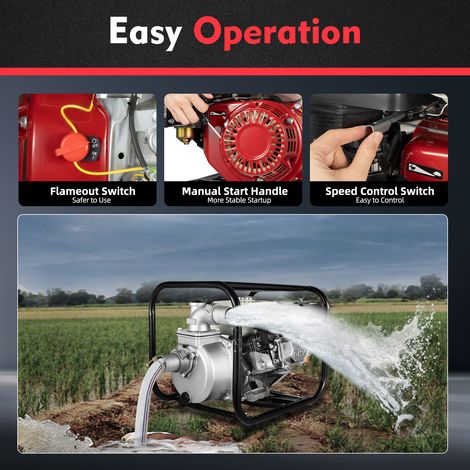
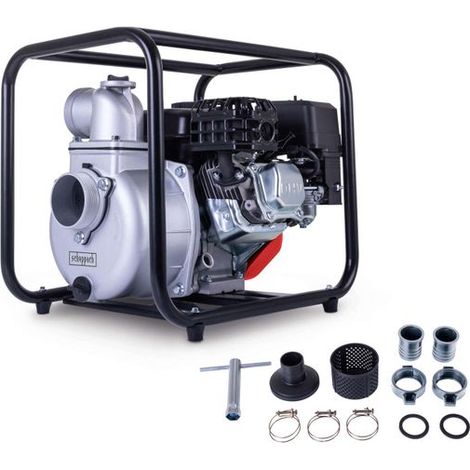
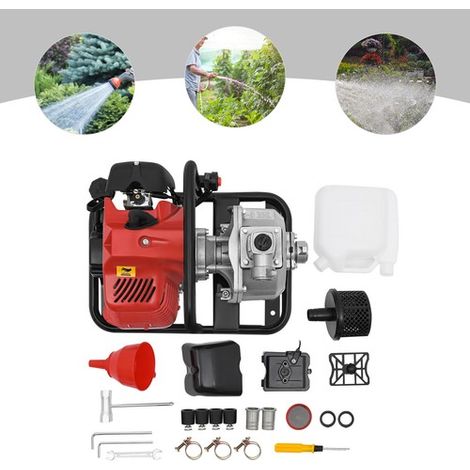
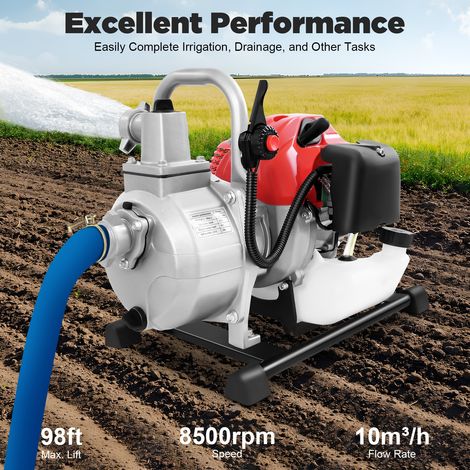
To get water for free from a well, a river, or a rainwater collection tank, you can equip yourself with a thermal pump, also known as a motor pump. We have a wide range of gasoline water pumps, at the best market prices, from all brands and for all needs (varying criteria: flow, pressure, discharge...).
In times of crisis, every form of savings is welcome. As for the water bill, one way to reduce expenses, without having to stop watering your garden or filling your pool, is to find a free source. Perhaps you have a well or a river on your property! Or maybe you've planned to drill to reach a source beneath your land? In any case, we advise you to get a motor pump, which will allow you to supply yourself with water without having to pay for it. A small investment that will be very quickly recouped!
Here is a selection of the best thermal pumps (GARDENA, ITC POWER, GUINARD,…) at the most competitive online prices for you. Our policy is to find and offer the best deals so they can be accessible to the greatest number of people. To adhere as closely as possible to demand, we have a very broad catalog, with products of very variable characteristics. Therefore, we have written this little guide that will introduce you to the various important criteria to consider.
First off, one of the main factors to consider is the maximum flow rate the pump offers (in liters per hour). Considering that a water outlet (like a faucet, sprinkler, toilet,…) consumes on average 1000 liters per hour, you need to choose a pump model that can at least accommodate the number of outlets you intend to supply.
The second important factor to consider is the pressure delivered by the pump (expressed in bars). Knowing that the pressure indicated is the pressure at the pump's exit, you need to take into account that it will be reduced depending on the elements composing your circuit. For example, the number of meters of water column (the height between the pump and the water outlet) is crucial. For a hose with a 19mm diameter, the pressure loss is estimated at 10% of this value. This percentage varies depending on the diameter: at 25mm, the pressure loss drops to 5% of the height. Other elements like non-return valves can also affect the pressure.
Thirdly, you should pay attention to the discharge height of the pump. This height represents the pump's capacity to push the water upwards. If you know there's a difference in elevation between the water source and the outlet point, make sure that the pump has sufficient discharge capacity.
Lastly, other factors will influence your choice. Firstly, is the pump self-priming or not? If it is, it sucks the water itself when starting up, which makes ignition easier. Secondly, does the model have wheels? Or does it have a transport handle? Since motor pumps are heavier than electric models, it will be more pleasant to use them if their movement is facilitated. Thirdly, will the suction height (the height between the water source and the motor pump) be sufficient to draw water from a well?
All these factors will help you, we hope, to find the model that perfectly fits your situation. If you are setting up a system to collect rainwater, you can check out our tanks specifically designed for this.





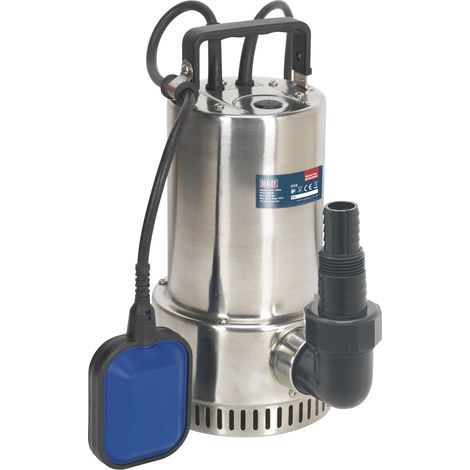
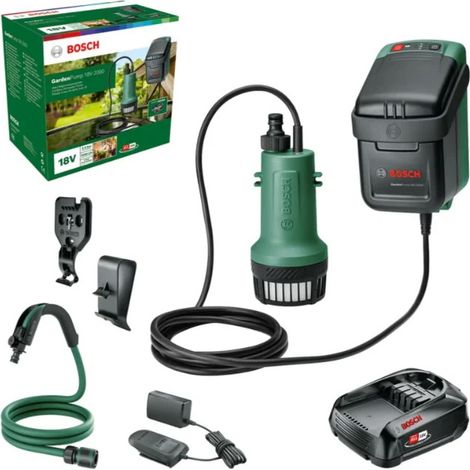

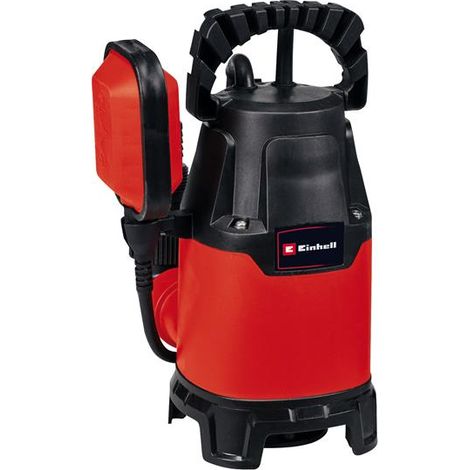

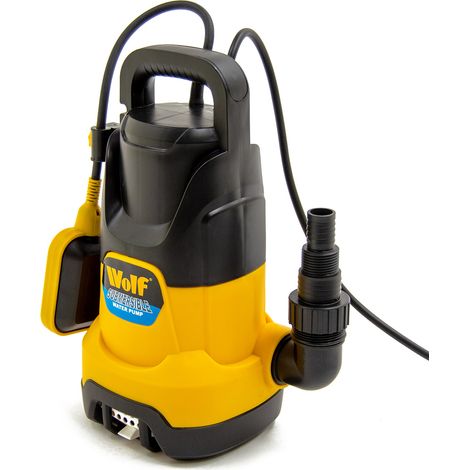








'/%3E%3C/svg%3E)
'/%3E%3C/svg%3E)