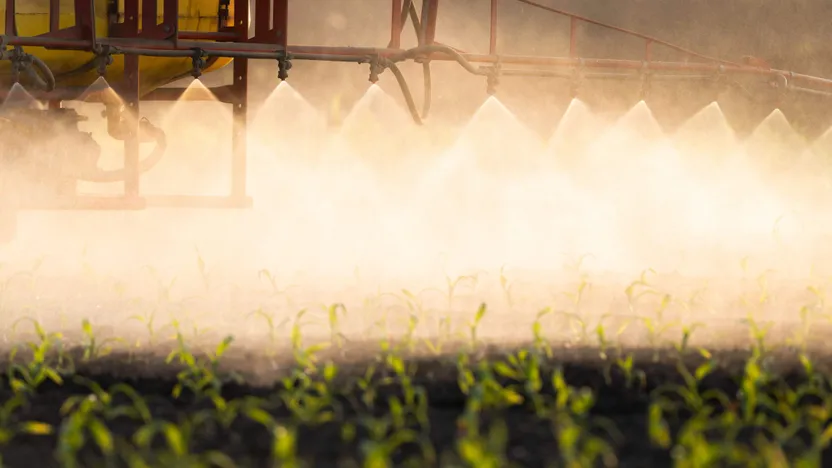
What are the impacts of chemical fertilisers and pesticides?
'/%3E%3C/svg%3E)
Guide written on 6 February 2024 by:
Sebastian, Self-taught DIY-er, Exeter
Best sellers in this category
The blame game...
In light of the statistics laid out in this article, alongside the environmental risks and consequences of these products, it's easy to come to the conclusion that we need stricter regulations on pesticide and fertiliser usage as well as more studies on the potential health impacts.
It goes without saying that the fault does not lie directly with farmers who rely on chemicals to produce the food that feeds the world. In addition to being the most at risk of pesticide exposure, farmers are stuck in an economic system that depends on intensive pesticide use. Farmers are given little to no support to adopt environmentally sustainable practices and face significant financial losses if crops fail. With that in mind, the entire food and farming system requires a complete overhaul if we are to create a sustainable system to feed future generations.
How much pesticide is used in the UK?
It is estimated that 2 million tonnes of pesticides are currently being used annually around the globe. The world's biggest pesticide user is China, followed by the United States and Brazil. In Europe, France has the highest rate of pesticide use in tonnes while the UK is ranked at 25th globally.
Pesticide use is claimed to have been halved in the UK since 1990. However, according to the Pesticide Action Network UK (PAN UK) these claims refer only to the total weight of pesticides used for agriculture across Great Britain excluding data for Northern Ireland, as well as pesticides used in the amenities sector and in urban areas. Most significantly, this claim does not take into account the potency of the pesticides used. Pesticides have increased in toxicity at such a dramatic rate since 1990 that weight is no longer a relevant parameter by which to judge pesticide usage bearing in mind that much less product is required. As such, according to PAN UK, public exposure to pesticides has actually increased significantly over the same time period factoring in relative toxicity.
Best sellers in this category
What are fertilisers and pesticides?
Fertiliser
Fertilisers are designed to provide crops with all the chemical elements they require for nutrition to promote growth and productivity. They can be used to provide macrominerals or trace minerals. Fertiliser can be split into two groups:
Chemical or mineral fertilisers: these fertilisers incorporate high concentrations of nutrients into the growing medium and can come in liquid, powder or granule form.
Natural or organic fertilisers: these fertilisers are made from animal and/or plant-based materials (e.g. manure, bone meal, plant slurries, etc).
The NPK formula indicates the nutrients provided by a fertiliser and stands for:
Nitrogen (N) which has a direct impact on plant growth;
Phosphorus (P) which is associated with root health, disease resistance and development;
Potassium (K) which improves disease resistance and is a key element for bulb development.
Pesticides
The term pesticide refers to any chemical product used for agricultural and non-agricultural purposes to protect plants against harmful organisms – animal, plant or bacteria – in order to improve yield or to keep a particular area free of plants and/or pests.
By definition, pesticides cover two categories of products:
biocides or disinfectants;
plant protection products.
Biocides or disinfectants
According to European legislation, a biocide is a chemical substance or microorganism intended to "destroy, deter, render harmless, or exert a controlling effect on any organism deemed harmful." Biocidal products can be split into a few different groups including:
disinfectants (surface disinfecting, personal hygiene, etc.);
protection products (to protect construction materials, preservatives, etc.);
pest protection (insecticides, repellents, etc.);
other biocidal products (antifouling products, etc.).
Plant protection products
Plant protect products are chemical or biological products used in agriculture, sylviculture, horticulture, gardens and recreational areas for both cultivated and non-cultivated areas to:
protect plants by destroying, deterring or controlling the growth of harmful organisms;
modify or regulate plant growth (excluding nutrients);
ensure preservation of crops;
destroy plants or undesirable parts of plants;
prevent, limit or destroy weed growth.
Plant protection products include things like herbicides, fungicides, bactericides, insecticides as well as bird or wildlife repellents (e.g. snakes, or moles), germination inhibitors, algaecides, wound sealers, postharvest treatments and adjuvants to improve pesticide performance or reduce phytotoxicity.
What is the difference between pesticides and plant protection products?
The term 'pesticide' is often used interchangeably with 'plant protection product' (or PPP). However, as outlined above, pesticide is a broader term that also incorporates biocidal products. Furthermore, according to the European Commission:
an active substance is "any chemical, plant extract, pheromone or micro-organism (including viruses), that has action against 'pests' or on plants, parts of plants or plant products";
the term ‘preparations’ refers to "mixtures or solutions composed of two or more substances intended for use as a plant protection product or as an adjuvant."
Roundup is a weed killer which was originally produced by the agrochemical company Monsanto in 1974. A non-selective, broad-spectrum herbicide, the main active ingredient of Roundup is glyphosate. This product is easy to use and effective making it the most used weed killer in the world. Commonly used in gardens across the country, glyphosate-based products are also widely used by farmers in wheat, rapeseed and corn fields, as well as in orchards, vineyards, and so on. While glyphosate will no longer be approved for use in the EU by 22 December 2022, it is approved until at least December 2025 in the UK under post-Brexit government policy. That said, over 96 UK councils have chosen to take things into their own hands with some implementing bans on glyphosate-based weed killers and others planning to phase out use over the coming years. On a global scale, 700,000 tons of glyphosate are sold each year in over 750 products.
What are the impacts of glyphosate?
It is difficult to evaluate the health risks of glyphosate exposure or consumption of foodstuffs containing residues of glyphosate. However, it is the topic of serious debate. The World Health Organisation (WHO) deems glyphosate as a probable carcinogen while The European Food Safety Authority has assessed glyphosate as unlikely to pose a carcinogenic hazard to humans.
Glyphosate is suspected of being an endocrine disruptor capable of impairing fertility. It is also thought to trigger biodiversity loss. Furthermore, the use of glyphosate can result in herbicide resistance in plants meaning that the product no longer works as expected on certain weeds. Additionally, the adjuvants used in products like Roundup can be just as toxic as the glyphosate itself. Despite awareness of the dangers, products like Roundup continue to be sold in the UK.
A report carried out by the Soil Association and NAP, entitled 'The Cocktail Effect' showed that "around a quarter of all food, and over a third of fruit and vegetables, consumed in the UK contain a cocktail of pesticide, with some items containing traces of up to 14 different pesticides."
What are the environmental impacts of pesticides?
As pesticides easily contaminate the air, soil and water through run-off, they impact ecosystems directly and indirectly and are believed to have a major impact on biodiversity. There are a number of suspected consequences of pesticide use. It is claimed that pesticides:
disrupt natural nitrogen-fixing communications between crops and soil bacteria;
reduce plant diversity in fields;
impact organisms directly or indirectly;
reduce wildlife food supplies (weeds, seeds and insects) and threaten dependent species;
have reproductive effects on species;
can lead to physical malformations;
increase cancer risks.
The impacts of pesticides on plants
A number of UK plants are under serious threat. According to the State of the World's Plants and Fungi report from Royal Botanic Gardens (RBG) Kew, an estimated 39.4% of UK plants are now threatened with extinction. A study by Pesticide Action Network Europe into the affect of intensive pesticide use on wildlife populations and species diversity suggests that pesticide use brings about biodiversity loss in a couple of important ways. It states that:
"Large-scale use of sulfonylurea herbicides, and presumably also sulfonamides and imidazolinones, poses a risk to non-target plants, algae, and ecosystems."
"Triazine herbicides may present a risk to non-target and aquatic plants."
The wildlife impact of pesticides
Pesticides can have a direct impact on wildlife when ingested as a food source, as well as an indirect impact via polluted habitats. Many of the active substances in pesticides are known to be highly damaging to wildlife.
Neonicotinoids used in plant protection products have a devastating impact on pollinators like bees causing effects including disorientation, paralysis and death.
Atrazine can alter reproductive characteristics of amphibians.
In addition to harming the insect populations upon which they rely, birds are thought to be negatively impacted by neonicotinoids which can cause reproductive issues and even physical malformations.
Organophosphates and carbamates, which are often found on lawns, have been linked to cancer risks and bird mortality has been recorded after exposure to organophosphorus insecticides.
The mixture of pesticides found in water act as endocrine disruptors in aquatic species with atrazine and diazinon thought to cause damage to reproductive systems.
What are the health impacts of pesticides?
Handlers of plant protection products are exposed to two types of risks: acute pesticide toxicity and chronic pesticide toxicity.
Acute toxicity
Minor pesticide poisoning can cause redness of the skin, vomiting or nausea. Major pesticide poisoning can result in respiratory, digestive or neurotoxic effects, and can even lead to death.
Chronic toxicity
Repeated minor or transient contamination can have an accumulative effect in the body and can have serious effects including:
cancer (brain cancer, soft tissue sarcomas, non-Hodgkin's lymphoma, Hodgkin's disease, leukemia, and so on);
reproductive issues (impaired fertility, sperm production and mobility, etc.);
endocrine disorders (hormonal imbalances, breast or prostate cancer, endometriosis, etc.);
impaired immunity (lower antibody levels and delayed hypersensitivity);
neurodegenerative diseases (behavioural or psychological issues, motor difficulties);
chronic disease such as liver disease, respiratory issues like asthma and neurological conditions like Parkinson's disease.
-
There is a large body of evidence on the relation between exposure to pesticides and elevated rate of chronic diseases.
Who is most at risk from pesticide exposure?
No matter the type of exposure, the substances present in pesticides make their way into the body by dermal exposure, inhalation or ingestion. Those working in the agricultural industry are particularly at risk of dermal exposure or inhalation, while the more likely means of exposure for the general population is ingestion.
Pesticide exposure can occur through the manufacturing process or through pesticide use. But it is also possible to be exposed to pesticides in the air or water, as well as via residues in food or contaminated surfaces. Those most at risk of exposure are pesticide users including farmers and council workers charged with taking care of roadsides, community spaces, sports and leisure grounds and railway land. A range of other professions pose a risk including pest control professionals, public hygiene workers and anyone who handles wood treatments.
The general public is also at risk of exposure in these cases; for example, if areas treated with pesticides are surrounded by houses, the soil and air will be contaminated. Furthermore, we have to consider domestic pesticide use (to treat plants around the garden, wood, etc.) and ingestion of pesticide residue in food and drinks.
Ingestion of pesticide residues is often considered to be the main source of exposure for the general public.
Pesticide residue in foodstuffs
To demonstrate the issue of pesticide residues in food, let's look at a French study. In France, the DGCCRF (Directorate General for Competition Policy, Consumer Affairs and Fraud Control) monitors pesticide residues in non-organic foods (e.g. fruits, vegetables, cereals, herbal teas and baby food) on an annual basis. In order to give a clearer picture to consumers, a ministry-approved NGO called 'Générations Futures' released a report setting out data from this monitoring scheme covering the years 2012 to 2017. For the study, the organisation used only large samples and crops analysed for at least five years out of six for over 13,000 samples, including 18 fruits and 32 vegetables. The results? An average of 71.9% of fruit samples contained pesticide residues with 2.9% found to exceed the maximum residue levels (MRL). Furthermore, 41.3% of vegetable samples were found to contain pesticide residues with 3.4% found to exceed MRLs.
What is the health and environmental impact of fertiliser?
Chemical fertilisers are primarily used in agriculture to improve crop yield by providing the elements required for nutrition and growth.
Nitrogen leaching
Excess nitrogen in the soil is considered to pose a serious threat to the environment as nitrate is extremely soluble, non-degradable and not well retained in soil. Excess nitrate can be leached from the root zone of plants into deeper soil layers where it can then travel to ground water and other fresh water sources.
What is the environmental impact of chemical fertilisers?
While nitrogen-based fertilisers are effective at improving yield, they also run the risk of polluting surface and groundwater. It is estimated that 66% of excess nitrogen can be traced back to the agricultural industry with 10 million people exposed to excess nitrogen in water worldwide. Equally, it's important to point out that the water cycle means that chemical substances found in fertilisers will find their way into rivers, seas, oceans, forests and so on.
Any elements that are not consumed by plants pose a risk to the surrounding ecosystem from earth worms to micro-organisms like bacteria and fungi in the soil. As the levels of organic material in soil are depleted, the soil becomes less fertile meaning we become more dependent on fertilisers to grow crops.
The ozone layer is also impacted by nitrogen-based fertilisers. The processes of denitrification and ammonia volatilisation generate greenhouse gases which are thought to be approximately 150 times more active than carbon dioxide. Intensive use of fertiliser paired with poor drainage and overwatering can also contribute to soil salination which, in turn, leads to land degradation and desertification. To give an idea of the scale of the issue, it is thought that approximately 7 million hectares of land in India are salt-affected.
High levels of phosphate and nitrates can cause eutrophication which is the name given to the phenomenon whereby too much nutrient is found in a water body.
Health impacts of fertilisers
Before intensive chemical fertiliser use began in the 1950s, the nitrate content of water was limited to about 1 mg per litre. Today, the concentration easily reaches 50 mg/l which is the limit for potable water set by the World Health Organisation (WHO).
Nitrates in tap water
Nitrates are naturally present in water, but excess levels can also occur as a result of human action. Nitrates are converted into nitrites in the in the human body which can present a health risk. Excessive nitrite levels in the blood can alter the properties of haemoglobin by preventing the red blood cells from carrying oxygen correctly. Pregnant women and newborns are most at risk of this health risk known as methemoglobinemia. Methemoglobinemia is particularly dangerous in babies and can sometimes lead to severe cyanosis whereby the skin turns bluish in tone due to lack of oxygen. It's worth noting that it is thought that 80% of exposure results from food ingestion and just 20% via water.
What is UK government doing about pesticide use?
25 Year Environmental plan
While countries across Europe are in the process of cutting pesticide use as part of the European Commission's aims to slash use of chemical pesticides by 50% by the year 2030, the UK does not currently have measurable targets in place for the immediate future. The UK has recognised the need to "minimise the impacts of pesticide use in farming" as part of its 25 Year Environmental Plan. Back in December 2020, the UK launched a consultation of a revised draft of its UK National Action Plan for the Sustainable Use of Pesticides (NAP). It describes the NAP as a "five-year plan aiming to minimise the risks and impacts of pesticides to human health and the environment, while ensuring pests and pesticide resistance are managed effectively." The plan aims to focus on five key goals to:
Ensure continued robust regulation to protect our health and environment
Support the development and uptake of Integrated Pest Management (IPM)
Ensure those that use pesticides do so safely and sustainably
Support in the reduction of the risks associated with pesticides by setting clear targets by the end of 2022 and improving metrics and indicators.
Ensure that we work effectively with others to deliver the NAP goals
As it stands, the final version of the NAP is yet to be published.
Reactions to the NAP
Pesticide Action Network UK
Pesticide Action Network (PAN UK) is a UK-based charity focused on tackling the issues caused by pesticides and promoting safe and sustainable alternatives. In reaction to the draft revision of the National Action Plan, PAN UK have called for the following measures to be included in the final draft:
Increased support for farmers and other pesticide users to reduce their use and adopt nature-based alternatives.
Integrated Pest Management (IPM).
Better monitoring of pesticide use and the associated impacts on human health and the environment.
Targets, metrics and indicators needed to drive a reduction in both pesticide use and pesticide-related harms.
Measures to ensure that pesticides users can access the independent advice, research and training they need to reduce their use and adopt non- chemical alternatives.
Improved enforcement, compliance and inspections aimed at ensuring that pesticide users are sticking to the rules.
A phase out and ultimate ban of non-agricultural pesticides which are used in urban areas, on sports pitches and around infrastructure such as roads and train tracks.
The Wildlife Trust
The Wildlife Trusts are a federation of 46 independent wildlife conservation charities spanning the whole of the UK. It, too, has released its own hopes for the revised NAP:
Set an ambitious quantitative UK target for the reduction in the impacts of pesticides on the environment by 2030.
Set out a strategy to phase out pesticide use in public areas, particularly green spaces, pavements and around hospitals and schools.
Drive forward Integrated Pest Management.
State that no simplification of regulation will occur that compromises environmental protection by failing to protect wildlife and insects from harmful chemicals.
Over 70% of the total land area in the UK is used for agricultural purposes, three quarters of which is estimated to be at risk of some form of pesticide pollution.
More information on sustainable living
For more information on sustainable living, check out the following articles.
Sources:
DGCCRF; PAN UK; PAN UK; generationsfutures.fr, generationsfutures.fr; Parliamentary Office of Science and Technology; Soil Association
You may be also interested in these guides
Guide written by:
Sebastian, Self-taught DIY-er, Exeter
Redo a roof with wooden beams? Check. Advise everybody in the DIY shop? Check. Redo bathroom plumbing? Check. If it doesn't work, try again! I'll do my best to advise you in your projects.
'/%3E%3C/svg%3E)