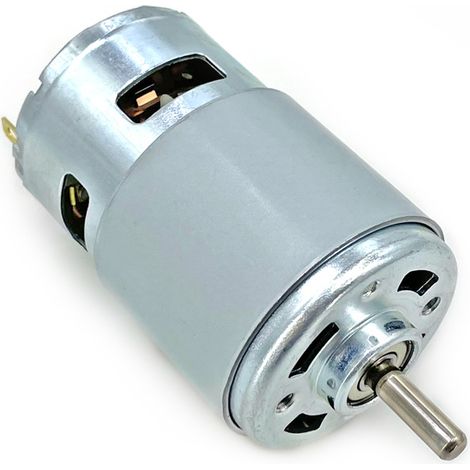
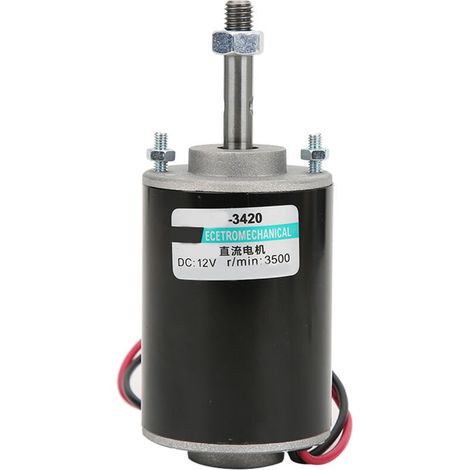
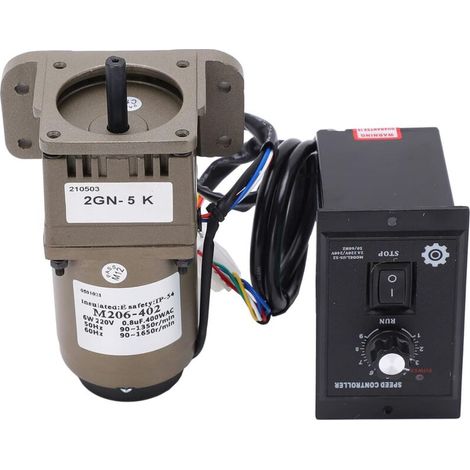
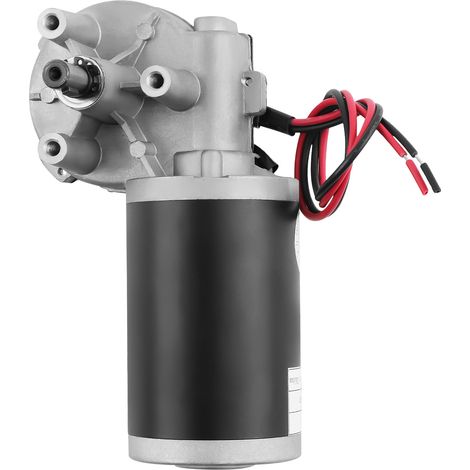
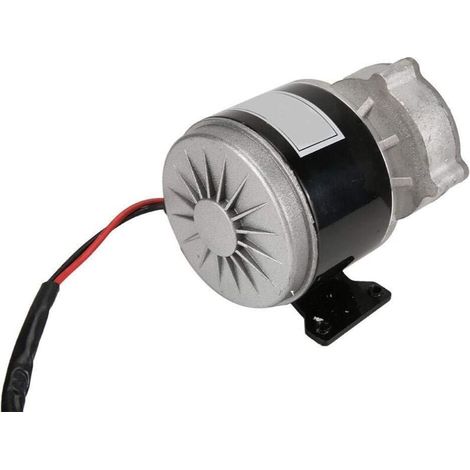
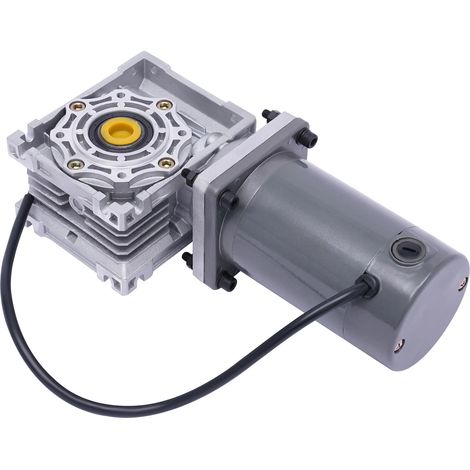
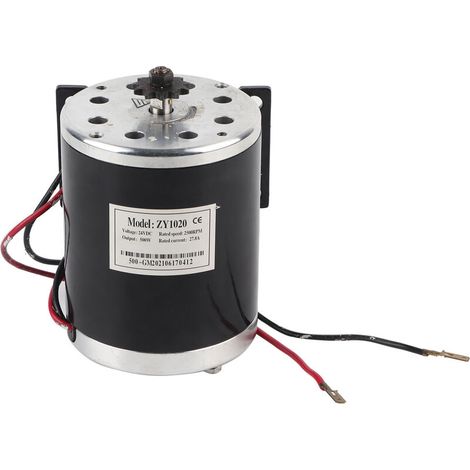
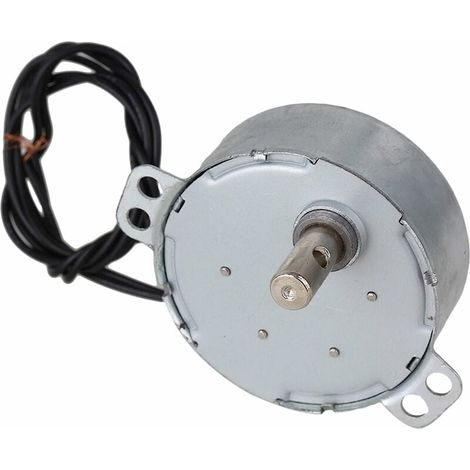
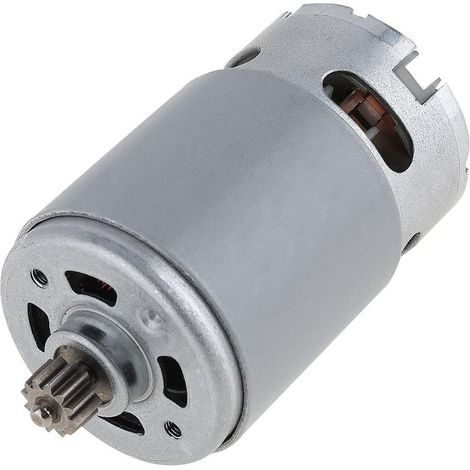
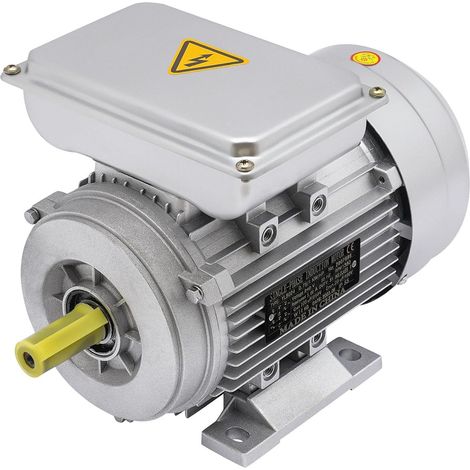
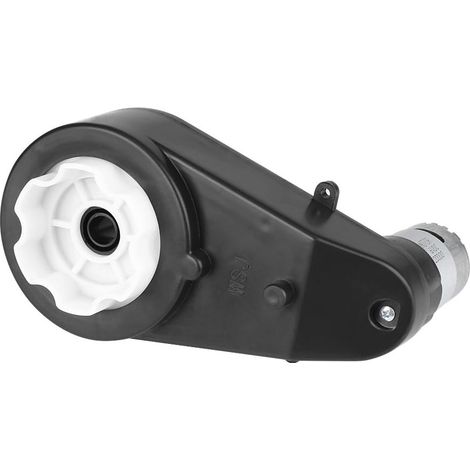
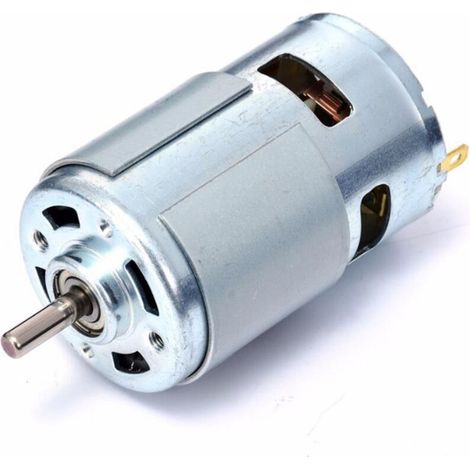
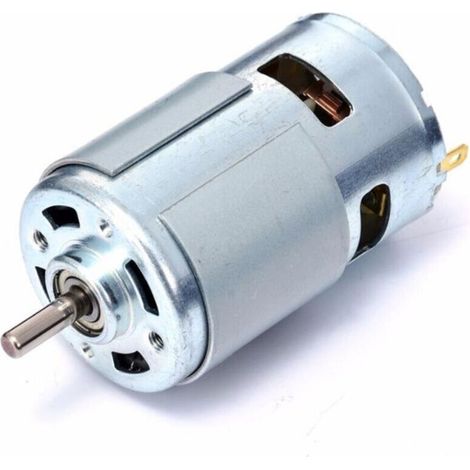
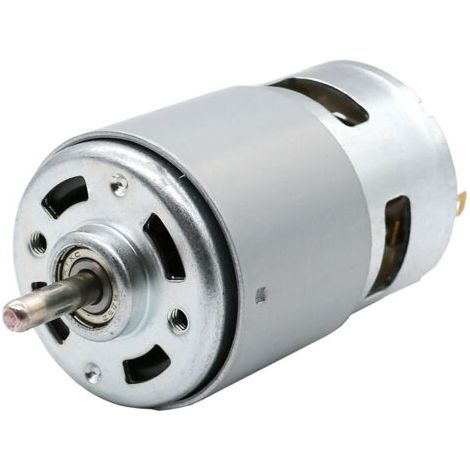
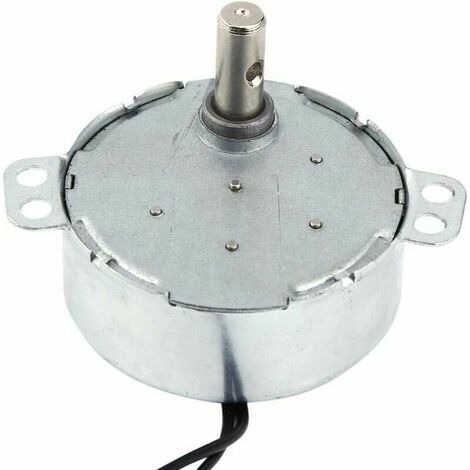
Some machines, such as lathes, wood saws, or concrete mixers, are equipped with an electric motor. It is possible to replace their original motor with a new one when it is no longer efficient to ensure the device's operation.
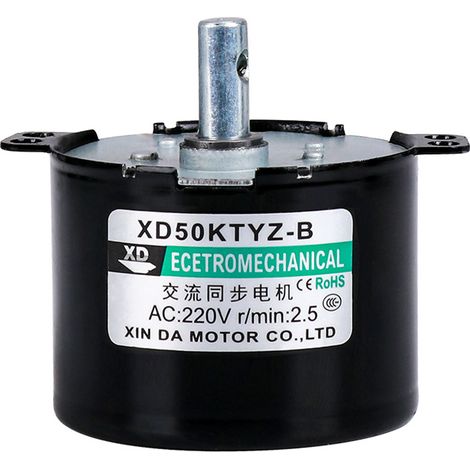
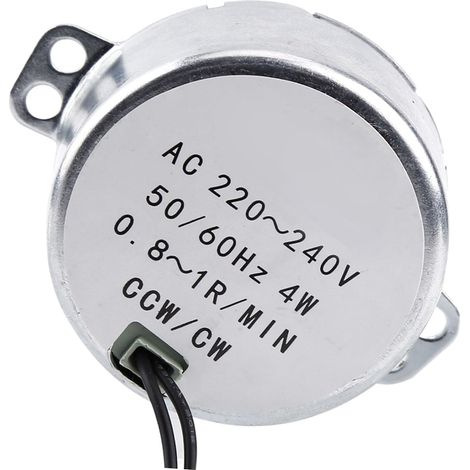
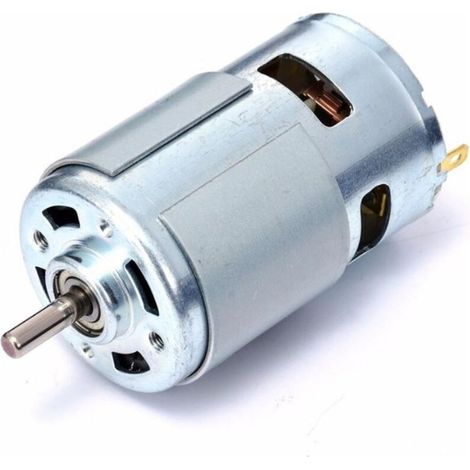
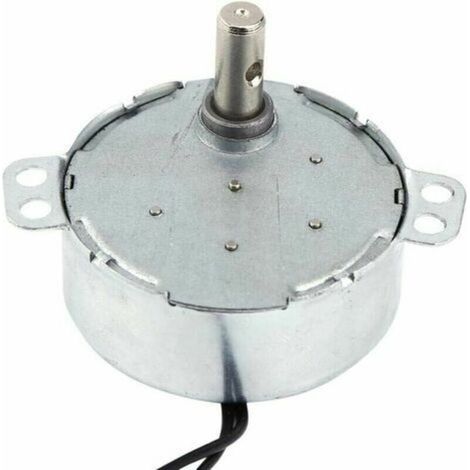
Electric motors have characteristics that are important to know.
- They are appreciated for their quiet operation.
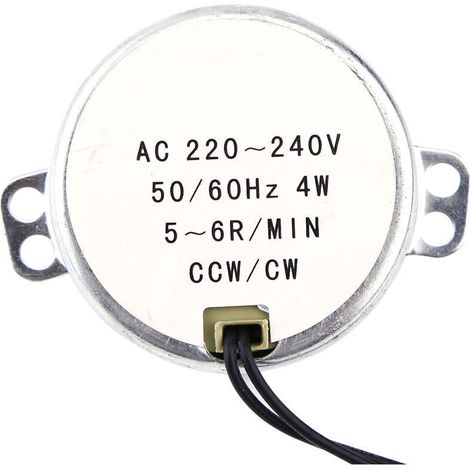
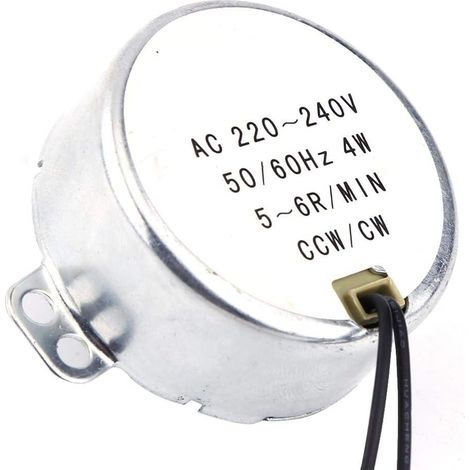
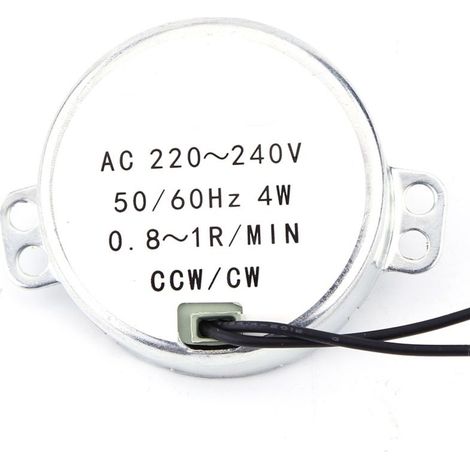
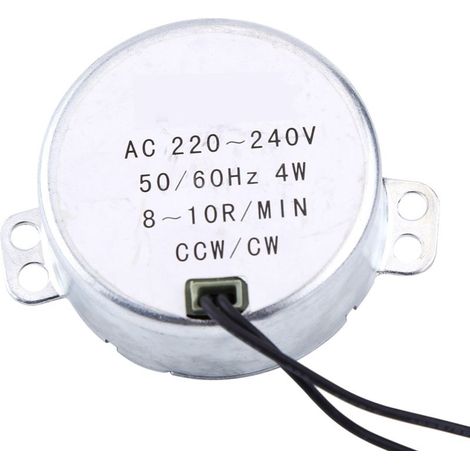
- Some models are called single-phase and operate under 220 V, while others are three-phase (380 V).
- Their power is expressed in horsepower (HP) or in watts (W). For reference, 1 HP is about 736 W.
- It is possible to reverse the direction of rotation in reversible models.
- This type of equipment is characterized by its rotation speed. Some models rotate at 1,400 rpm while others have a speed of up to 2,800 rpm.
- The cooling system consists of a fan with radial blades protected by a metal or plastic hood.
The chosen electric motor must be suited to the device on which it will be mounted:
- an electric log saw requires a power of 2,000 to 3,000 W;
- a polishing or grinding wheel can be equipped with equipment of a minimum power of 250 W;
- lathes require a motor of 500 W to 5,000 W, depending on the materials worked (wood or metal).
Electric motors are distinguished by their IP protection class with two digits.
The first digit is related to the protection of the equipment against solid bodies:
- index 0 means no protection;
- 1 indicates that the equipment is protected against solid bodies less than 50 mm in diameter;
- 2 against objects smaller than Ø12 mm;
- 3 against materials smaller than Ø2.5 mm;
- 4 against solids smaller than Ø1 mm;
- 5 for total protection except against fine dust and 6 for submersible sealing.
The second digit refers to the protection against water projections:
- 0 means no protection;
- 1 against falling water drops vertically;
- 2 against drops falling at a 15° angle;
- 3 against rain with an angle of less than 60°;
- 4 against water splashes coming from all directions;
- 5 against water sprayed from a nozzle in all directions;
- 6 against powerful jets or seawater;
- 7 against immersion at a depth of up to 1 m;
- 8 against immersion under pressure for a specified duration.
The choice of the electric motor largely depends on its future use. However, a version with high power is preferable to ensure its longevity.



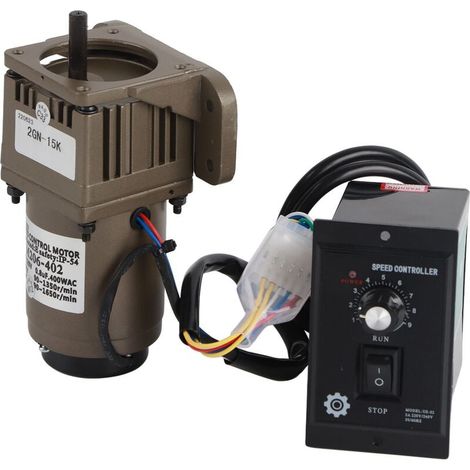
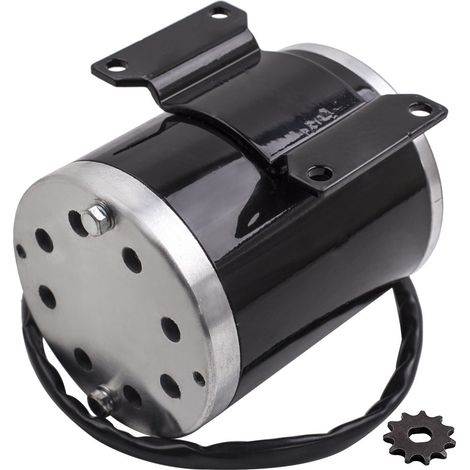

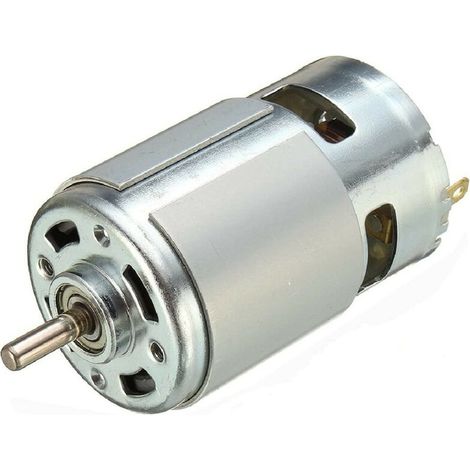
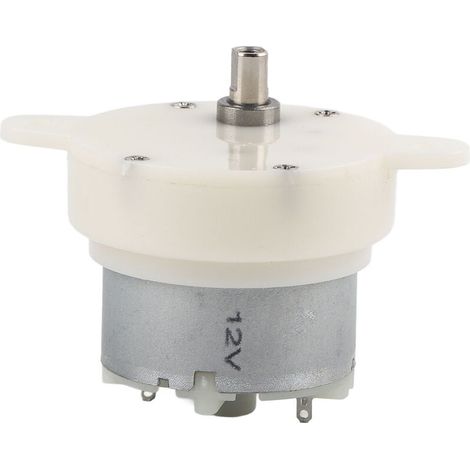












'/%3E%3C/svg%3E)