The pneumatic nailer and stapler are designed for a variety of uses such as carrying out indoor or outdoor work and operate thanks to a compressed air compressor. This tool is useful in woodworking, carpentry, insulation trades, etc. Here is an overview of the information to know before any purchase.
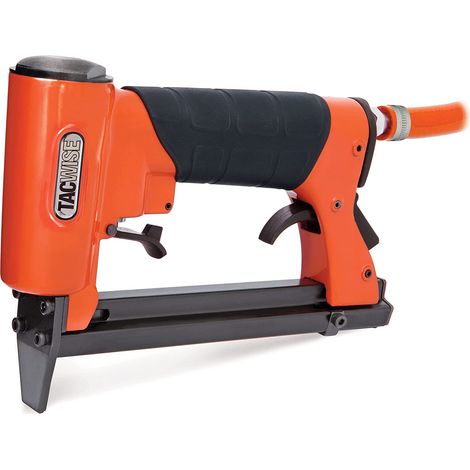
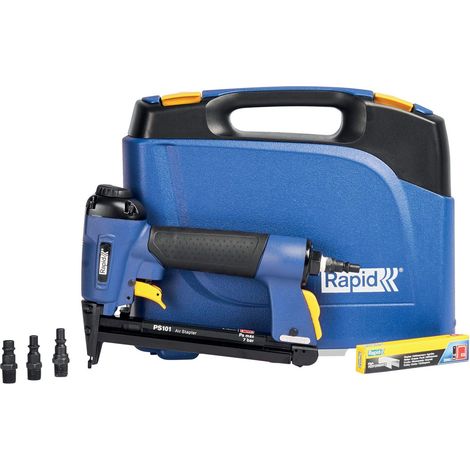
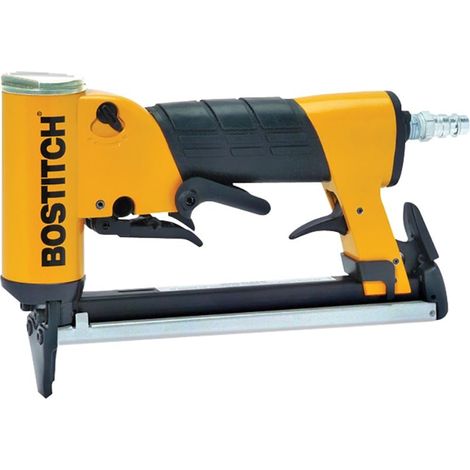
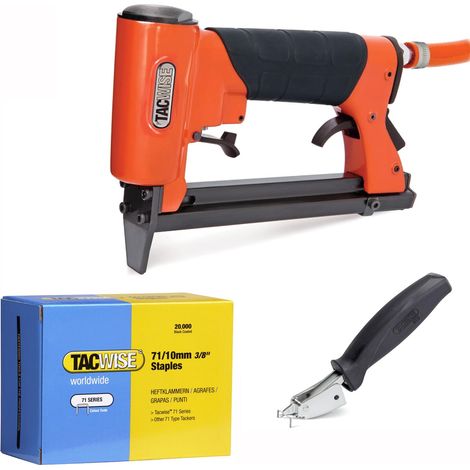
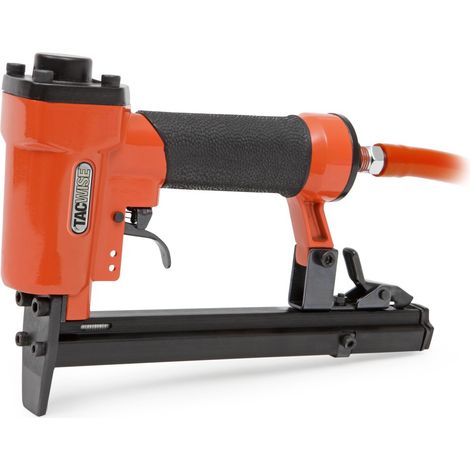
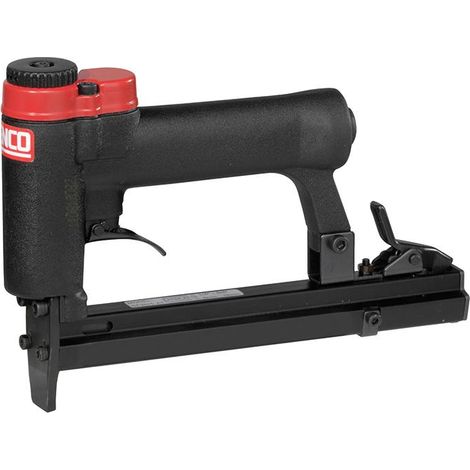
The pneumatic stapler has several advantages. It is indeed lightweight, robust, practical, and handy. This powerful device operates with an independent compressor, which avoids pressure losses during intensive uses such as the driving of staples in series. Due to its speed of execution, it is indicated for professional use.
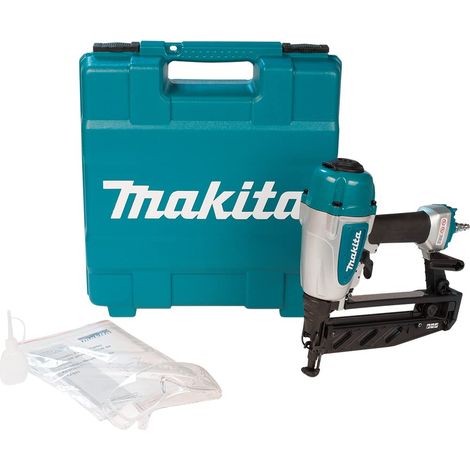
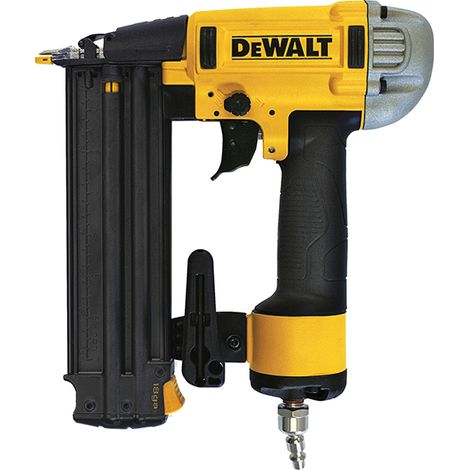
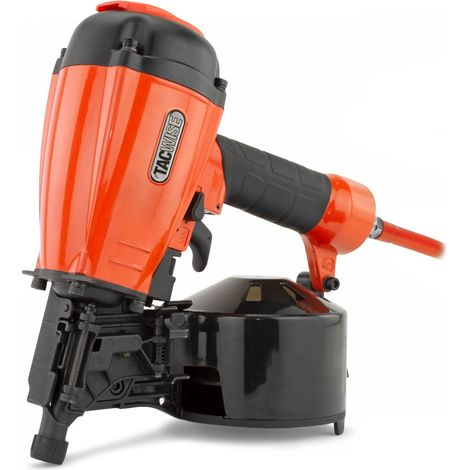
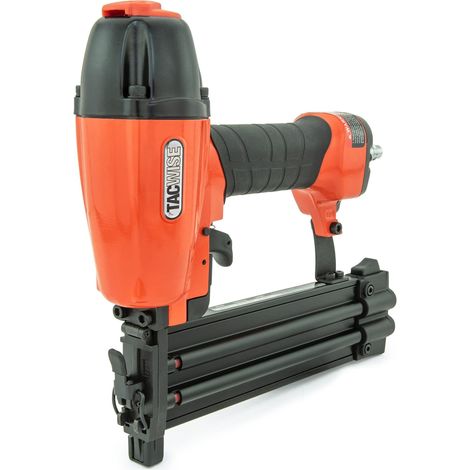
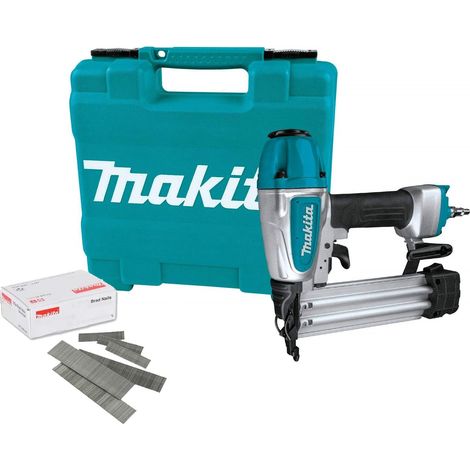
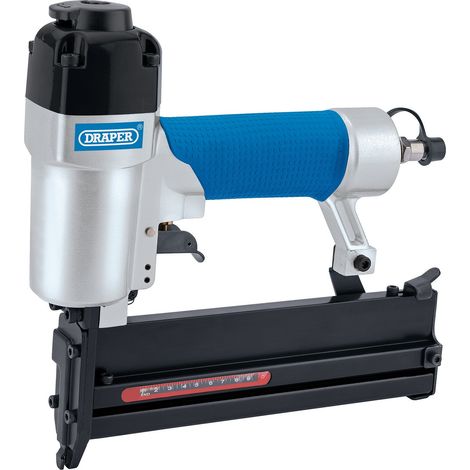
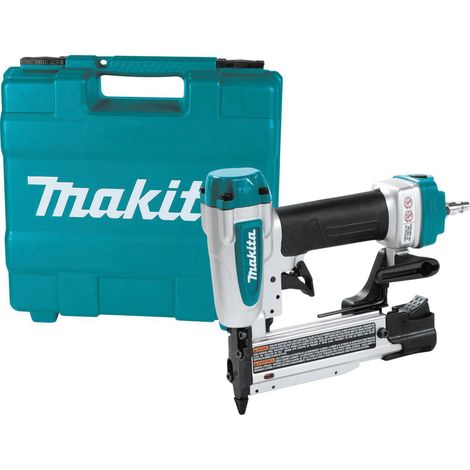
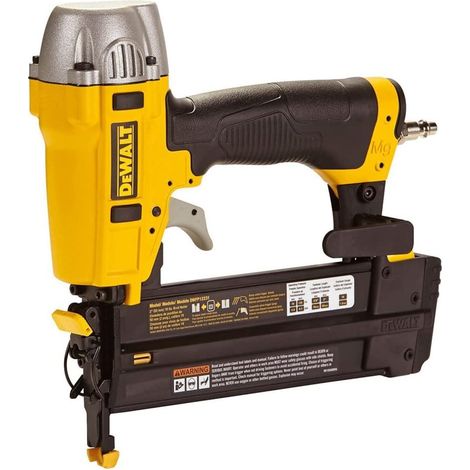
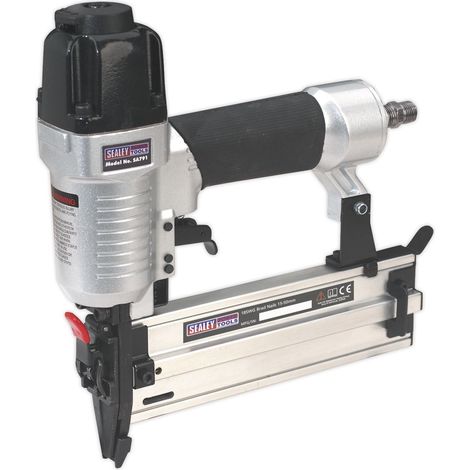
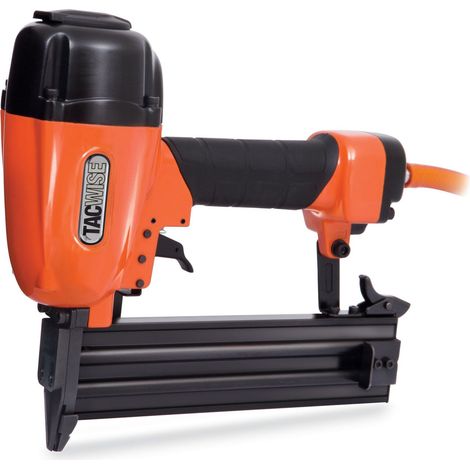
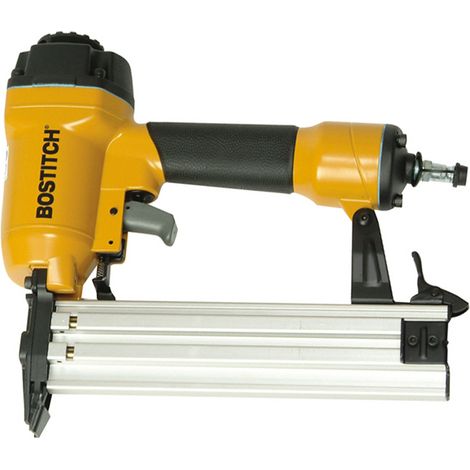
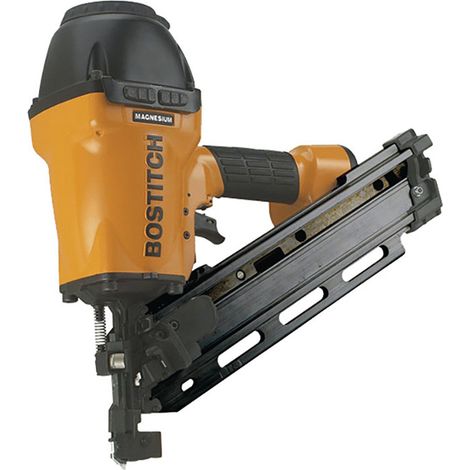
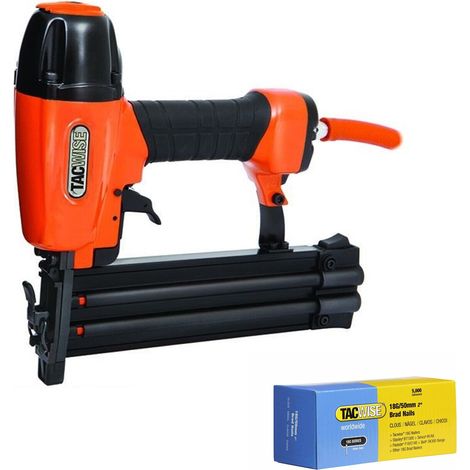
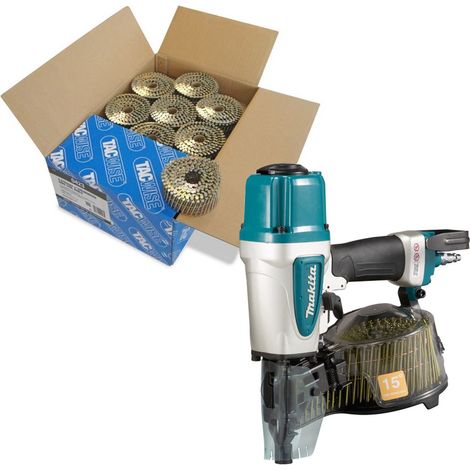
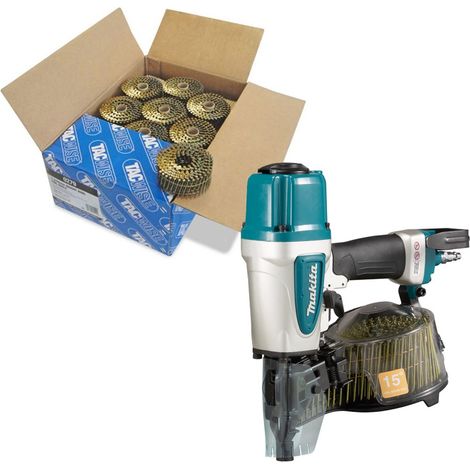
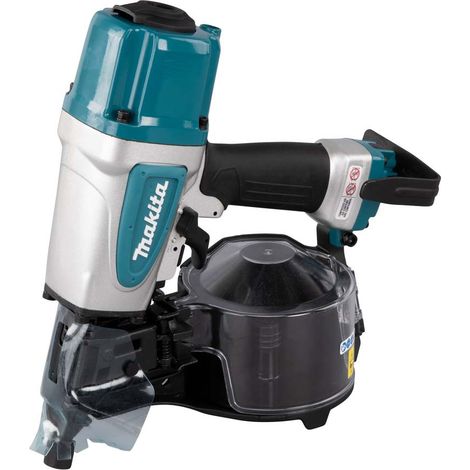
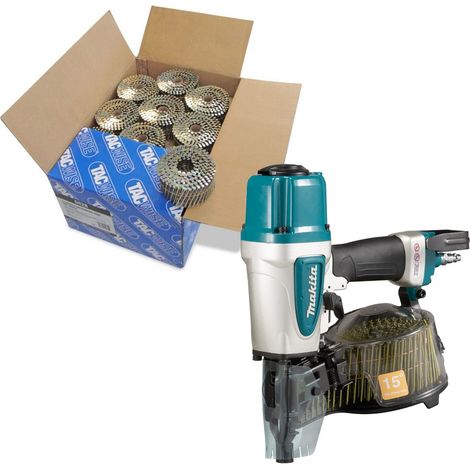
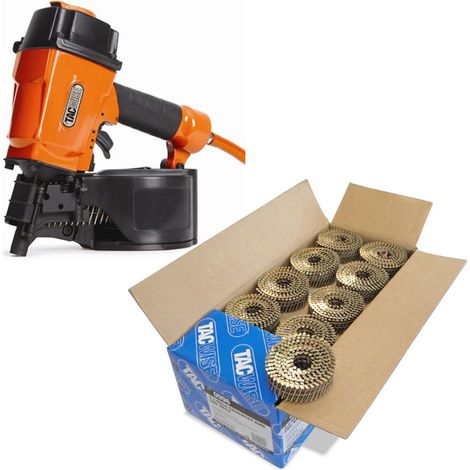
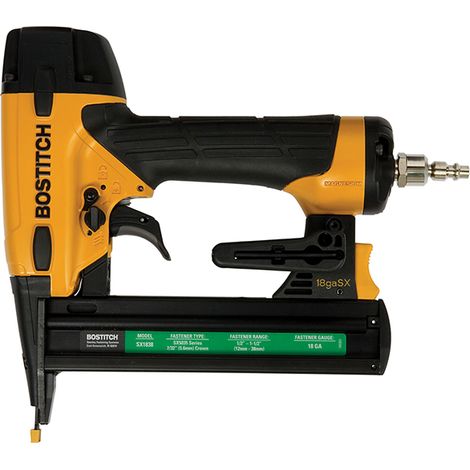
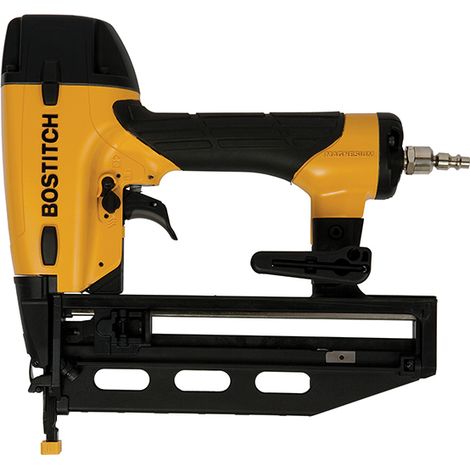
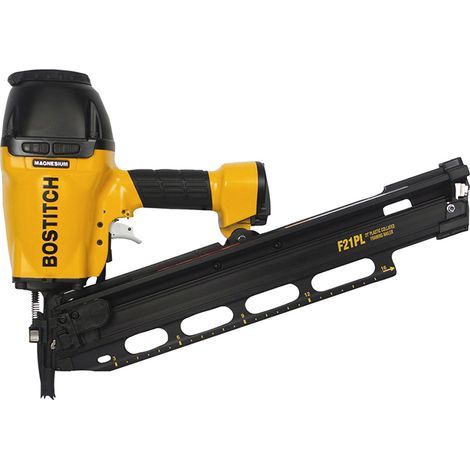
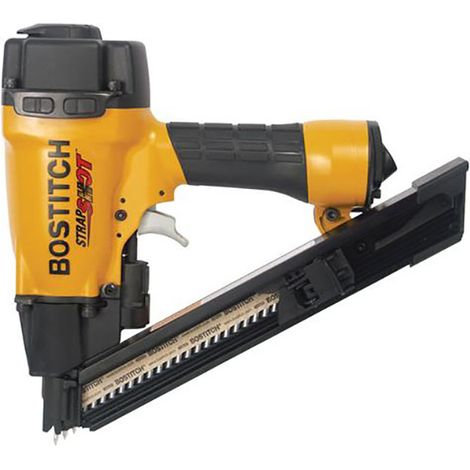
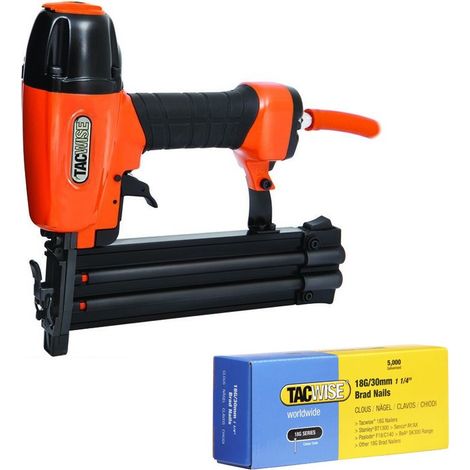
The pneumatic nailer, also known as an air compressor nailer, is suitable for the following types of work:
- heavy carpentry: installation of parquet flooring or siding;
- carpentry and timber framing: lathing and boarding.
Operating at low pressure, this tool is capable of driving nails up to 100 mm long for the most efficient models. It is also equipped with various safety features. Each model presents its own characteristics such as:
- the accepted gauge: round head or flat head;
- the driving depth: this criterion depends on the density of the material and the gauge of the nail;
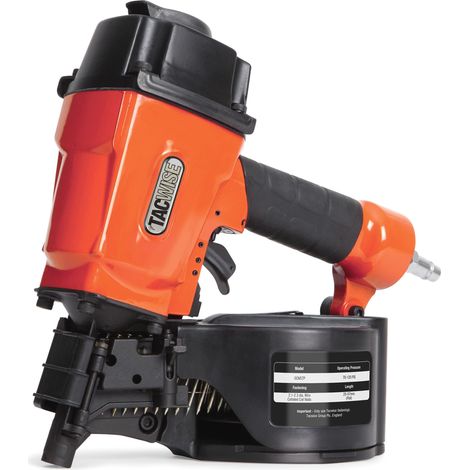
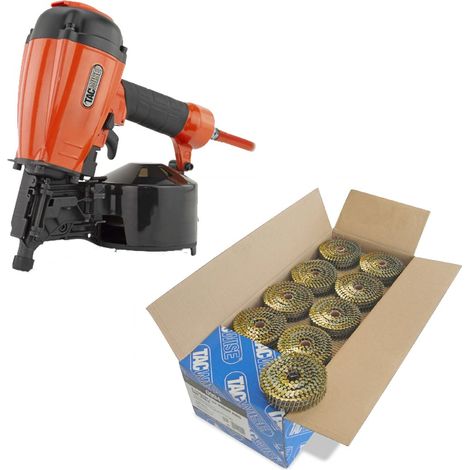
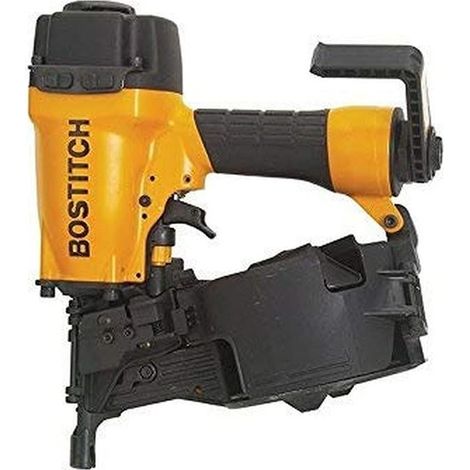
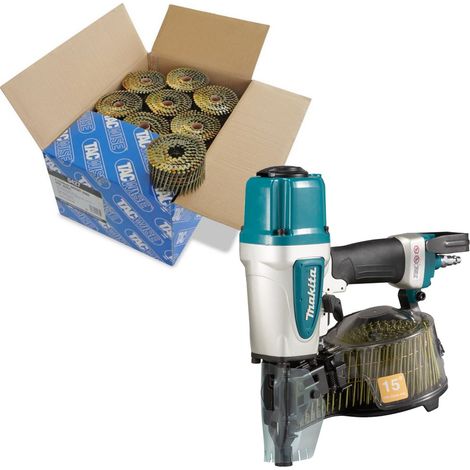
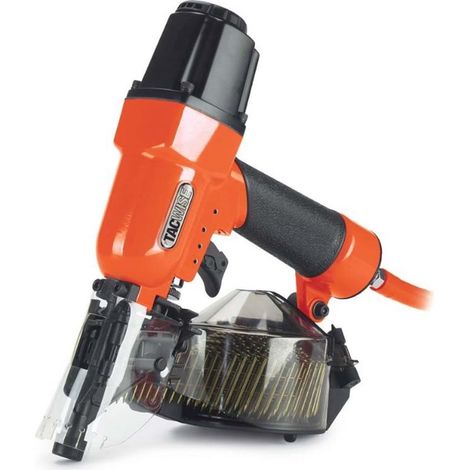
- the magazine: the accepted reload can be in coil (between 200 and 300 nails) or in strip (100 nails);
- the nailing mode: continuous (burst mode) or sequential (precision nailing);
- the adjustable air exhaust system: allowing to direct the air flow during nailing;
- the dual trigger: this option reduces the risk of accidents in case of mishandling;
- the trigger lock: preventing accidents in case of non-use;
- the long, thin, and adjustable nozzle: to reach hard-to-access places.
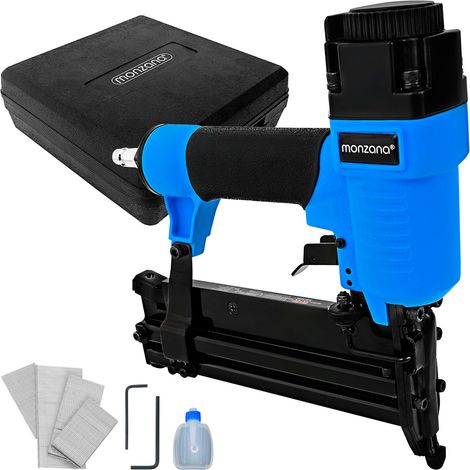
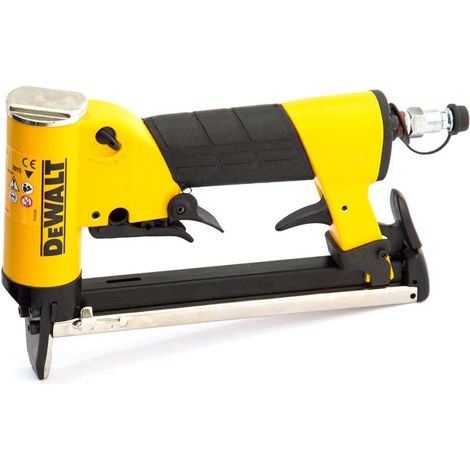
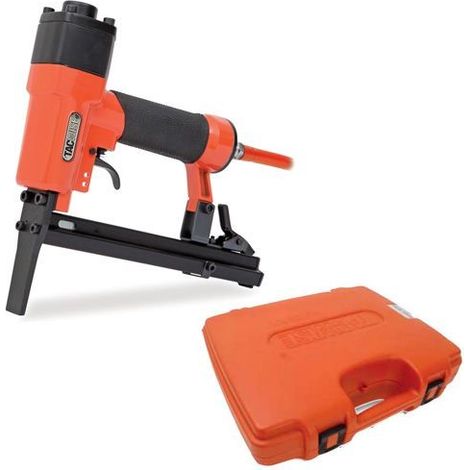
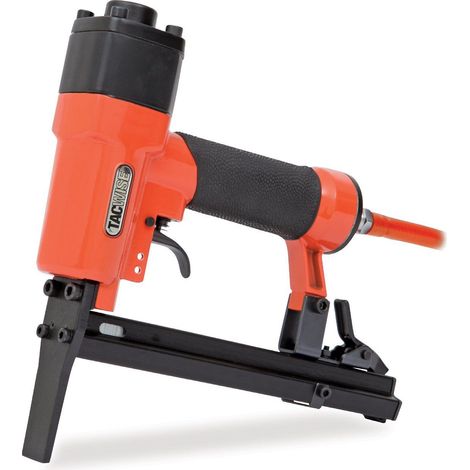
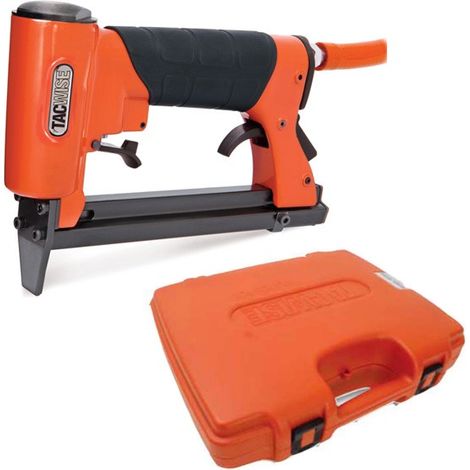
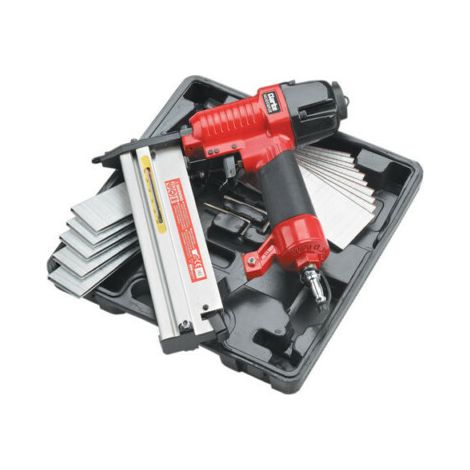
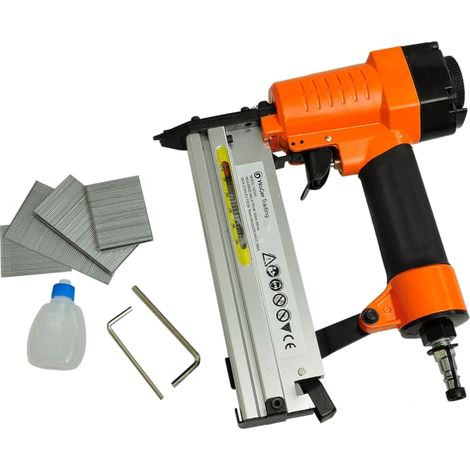
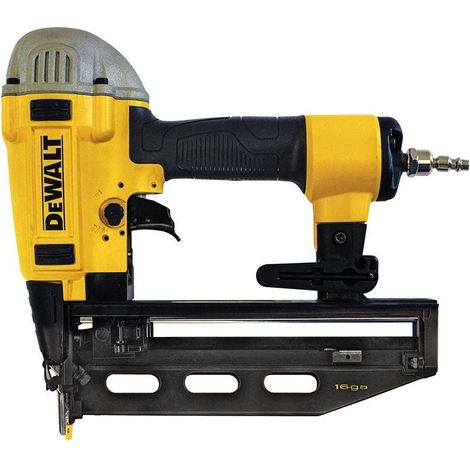
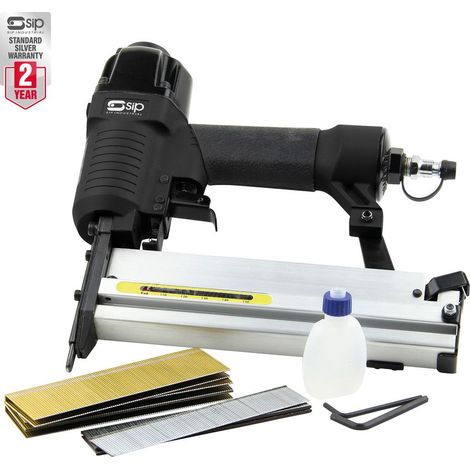
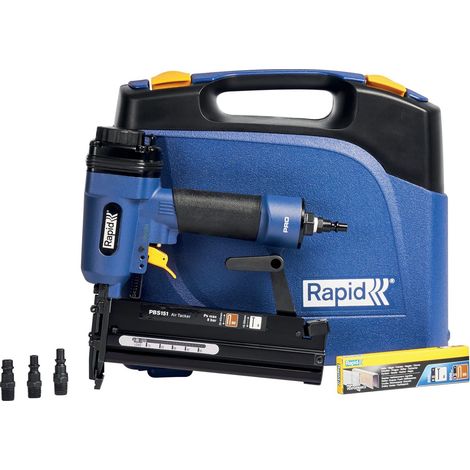
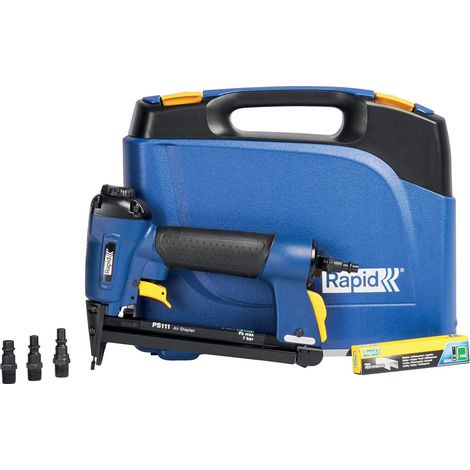
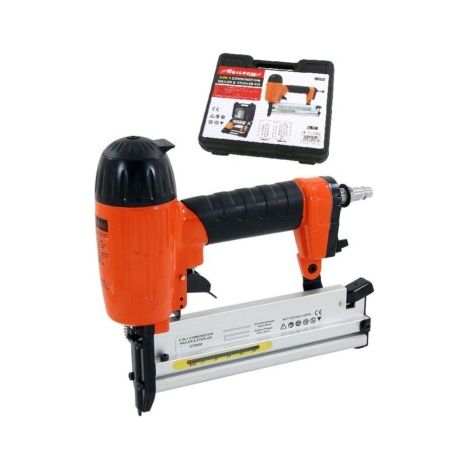
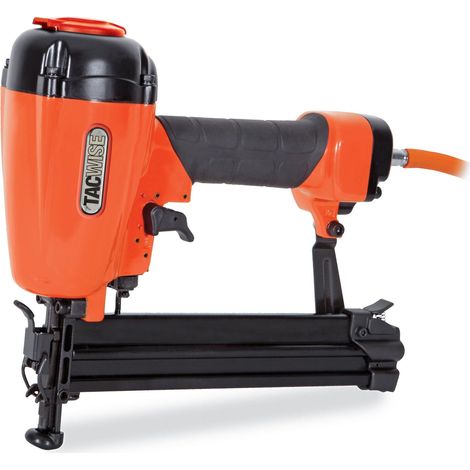
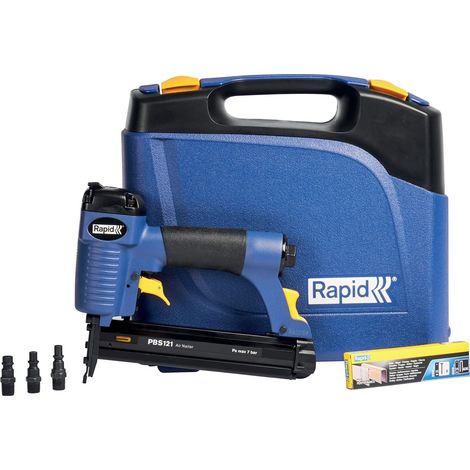
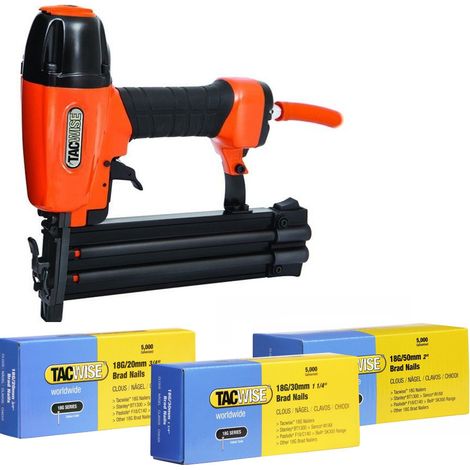
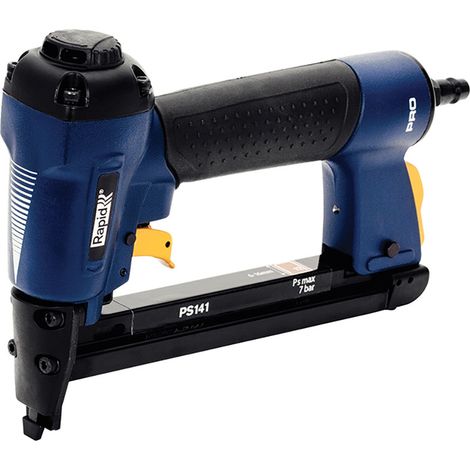
Generally used for insulation and cabinet-making work, the pneumatic staple nailer provides two types of fastening:
- nails;
- staples.
The maximum nail length for round head is 50 mm, versus 40 mm for staples. The use of a pneumatic nailer is recommended for works exceeding this size. Moreover, the magazine’s capacity is generally 100 units. The working pressure ranges from 4 to 8 bars.
For combining precision and comfort, a lightweight pneumatic tool is recommended in case of prolonged use. The sound pressure and vibration level are also criteria to consider. Finally, the wearing of hearing protection is advised.














'/%3E%3C/svg%3E)
'/%3E%3C/svg%3E)