A laboratory power supply is an electrical device designed to deliver electric current to power a passive source. The use of this type of power supply is essential in various types of laboratories: technological workshops, industrial laboratories, and research laboratories. These devices are intended for researchers, professionals and industrialists, as well as technicians for the conduct of their work.
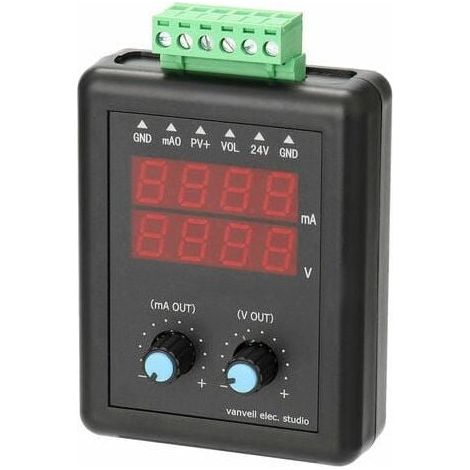
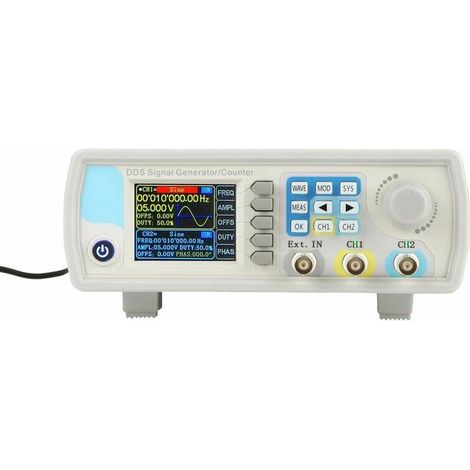
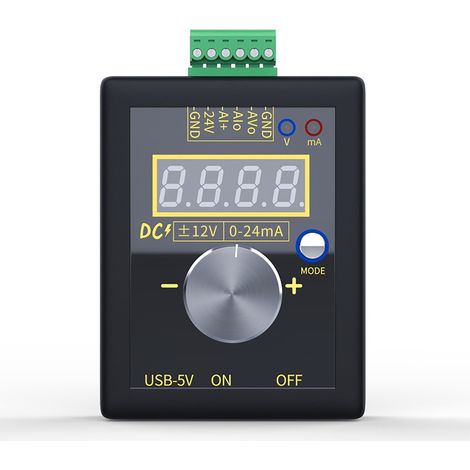
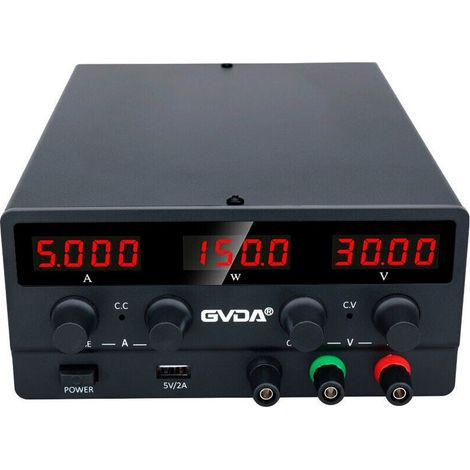
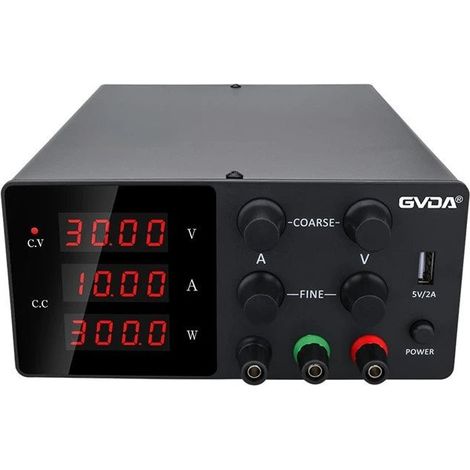
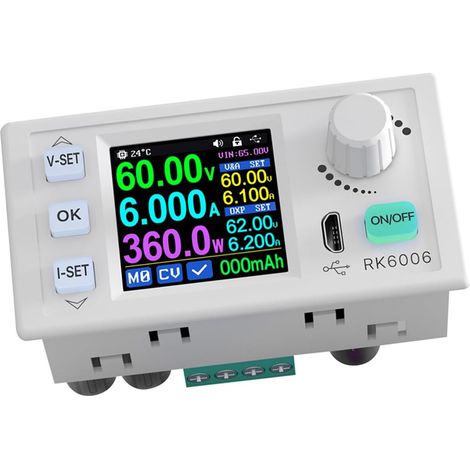
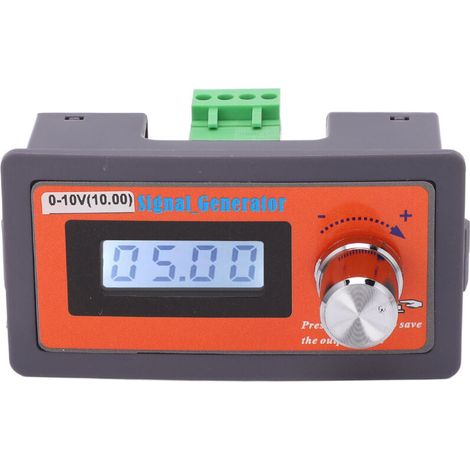
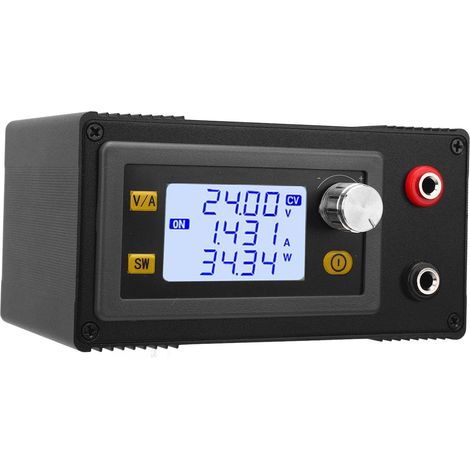
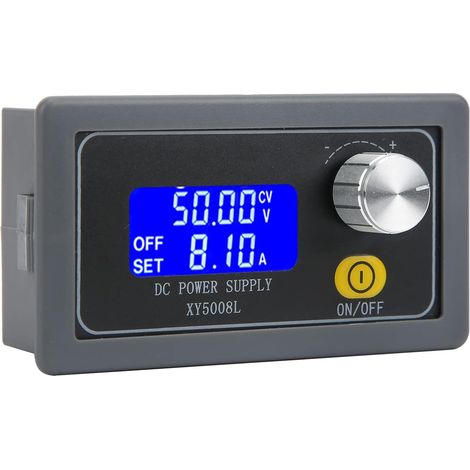
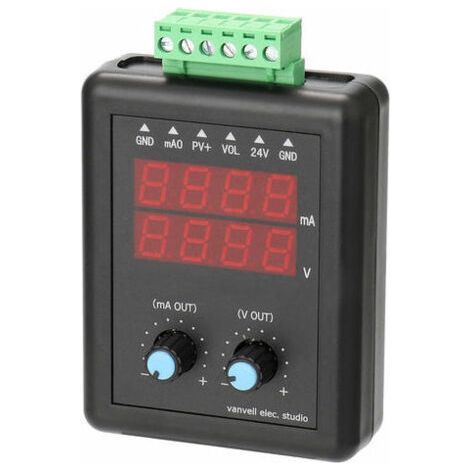
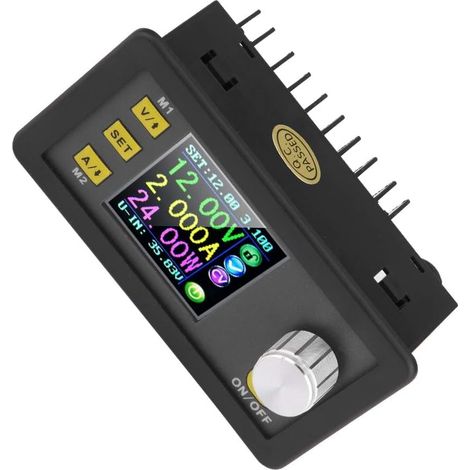
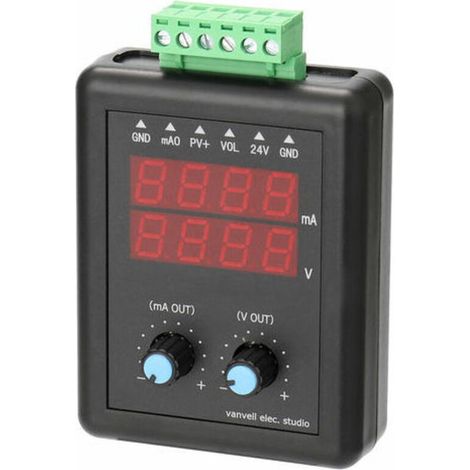
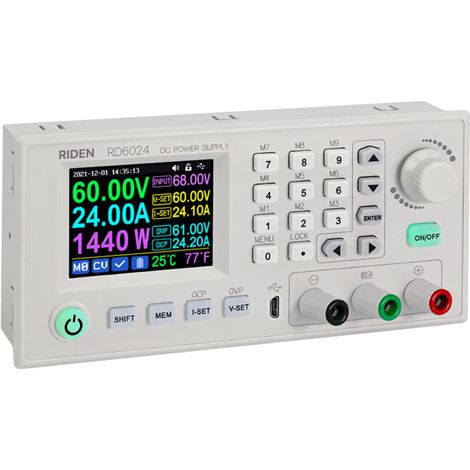
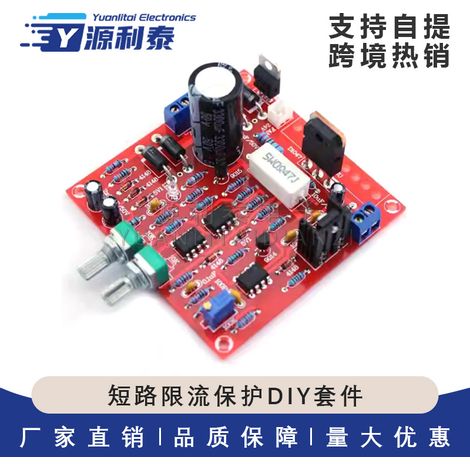
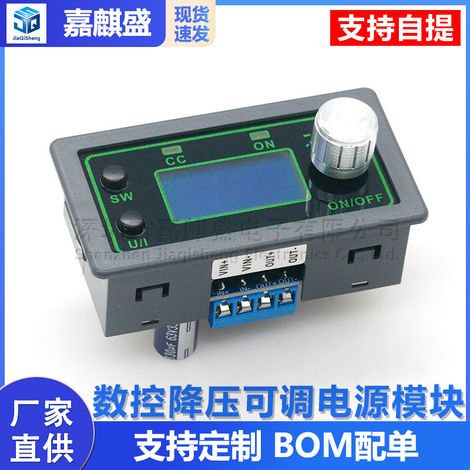
A laboratory power supply generally resembles a large, cubic or parallelepiped box, equipped with several control buttons and one or two displays. These allow for continuous information on the operating status of the device. Besides its role as a current provider, the device is also designed to ensure the stabilization of voltage and electrical intensity. There are several models of laboratory power supplies available for researchers and professionals. The numerous existing models differ in their external appearance (shape of the case, color, dimensions, etc.) and also in their intrinsic characteristics: output voltage and intensity, type of displays, safety device, supply voltage, and other specific features. These characteristics determine the performance and intended use of the device. They are also the basic criteria to consider when acquiring a laboratory power supply to meet one’s needs. Many brands are available to offer reliable and high-performance equipment, such as the standard power supply block or the switching power supply, for example.















'/%3E%3C/svg%3E)