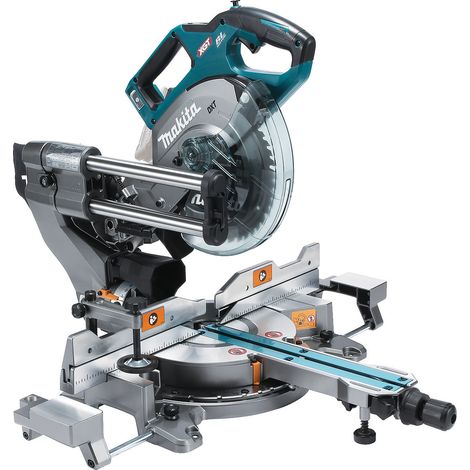
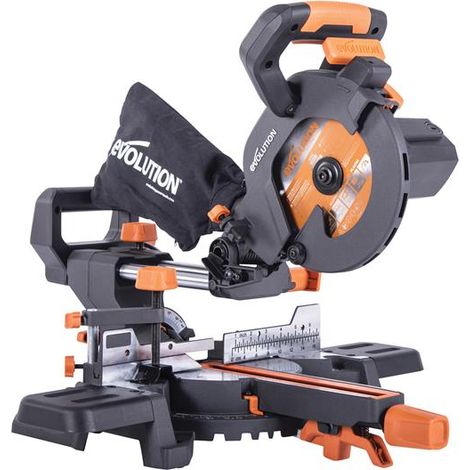
Mitre saws are used to make cuts at a variety of angles (0 to 180°) in small to medium-sized workpieces. Also available as manual saws, your choice of mitre saw mainly depends on cutting height and whether or not you need to make cross cuts. If you're looking to make deep cuts in lumber, choose a radial arm saw. Mitre saws, on the other hand, are great for cutting timber battens, skirting boards, panelling or wooden floorboards. Hand mitre saws, electric mitre saws and radial arm saws, can all be used to make cuts at angles or 45° or 90°.
There are two basic ways to cut mitres manually.
- The easiest method involves slotting a backsaw into a mitre box. These saws feature fine teeth for precision cutting. The mitre box can be made of plastic, wood or metal and features a U-shaped profile. Grooves are featured on the upper edges of the box to guide the blade to angles of 45° or 90°.
- The second system consists of a thin blade suspended in a frame that allows the saw to move back and forth. This portable frame is fixed to a metal angle guide designed to set the cutting angle. Hand mitres saws can be used to cut at 15°, 30°, 36°, 45° or 90°. Some models feature clamps so that they can be fixed to a workbench.
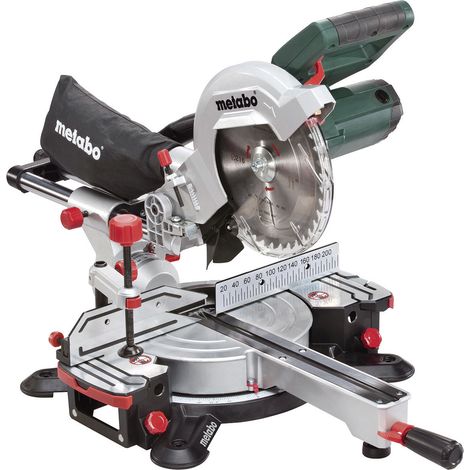
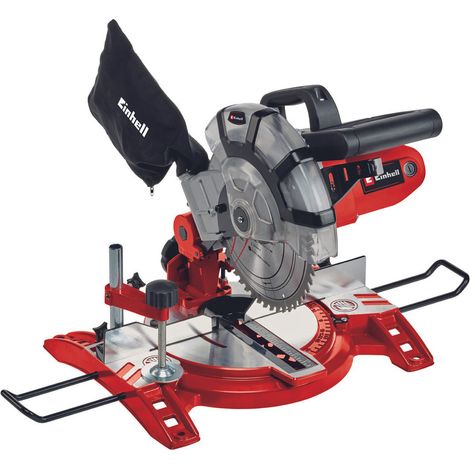
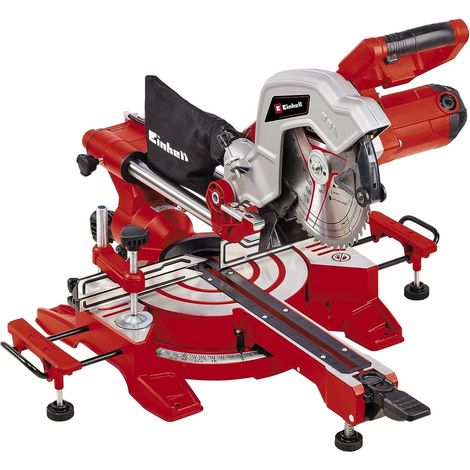
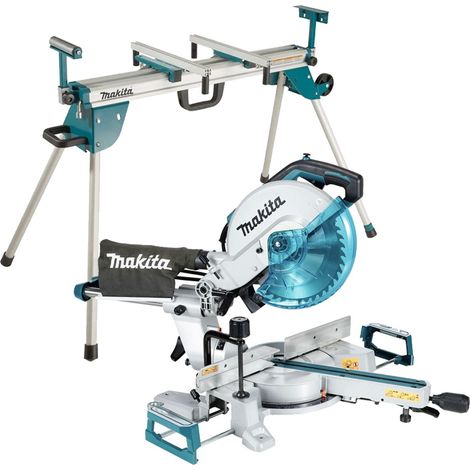
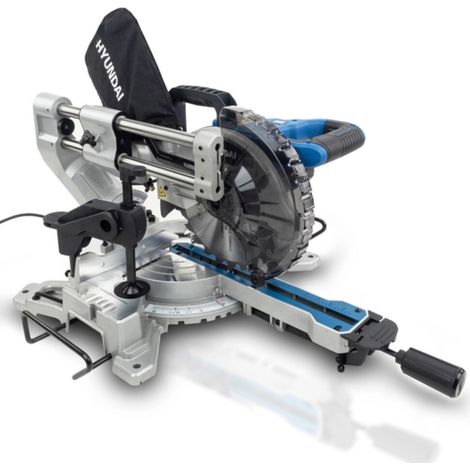
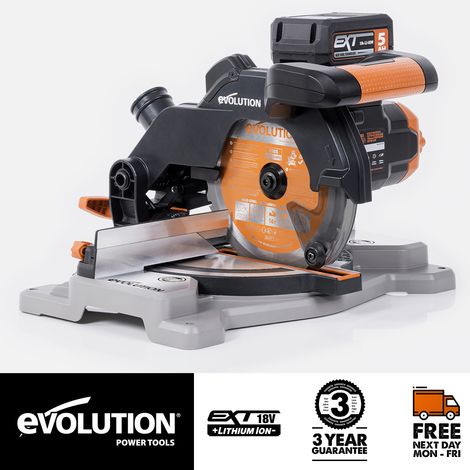
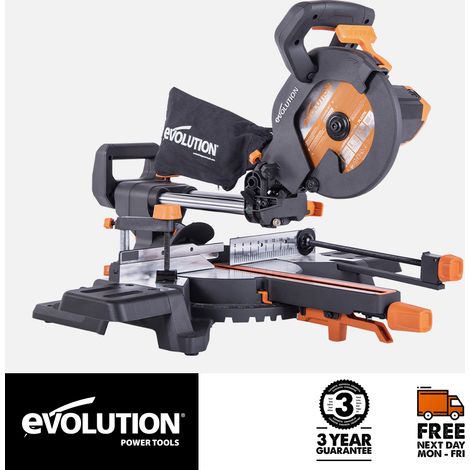
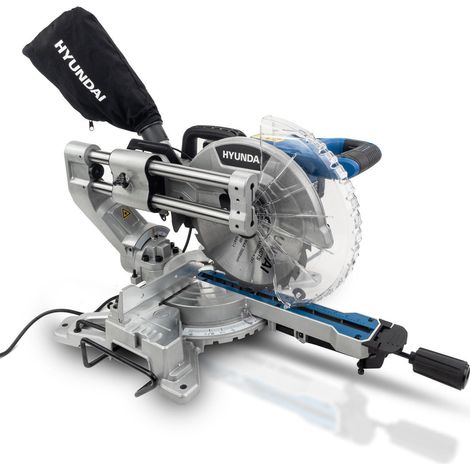
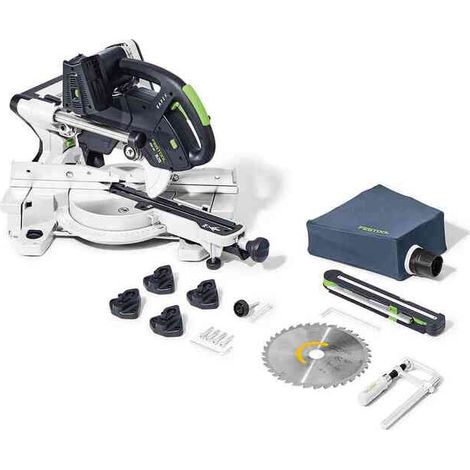
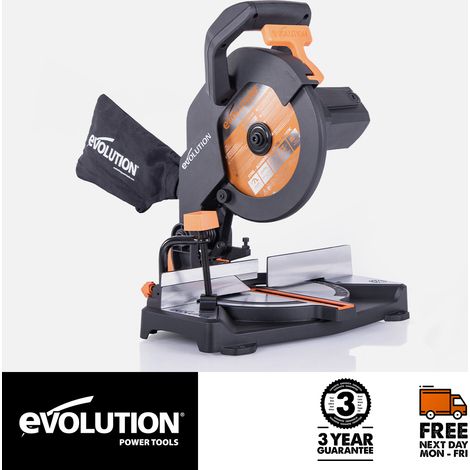
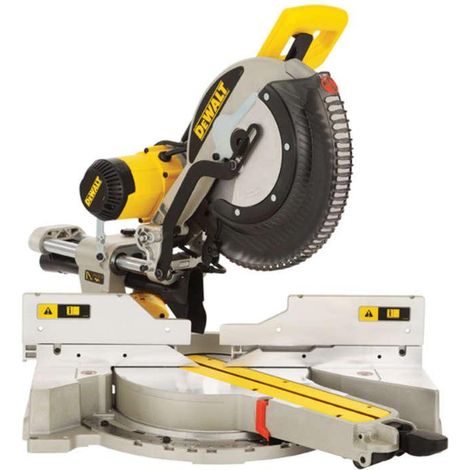
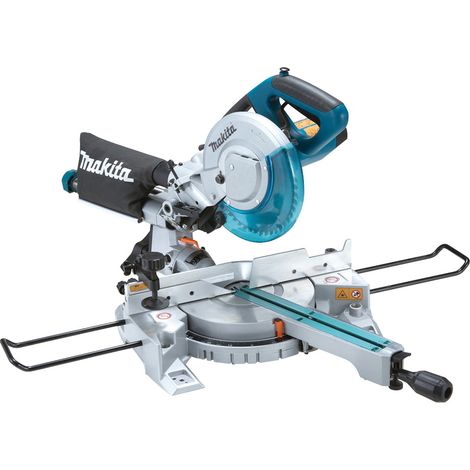
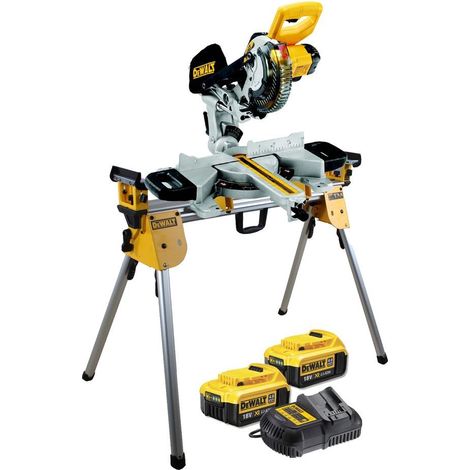
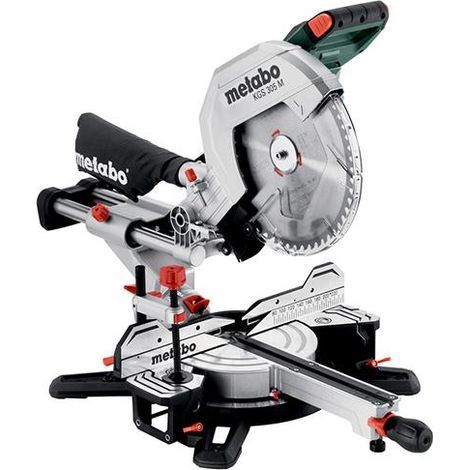
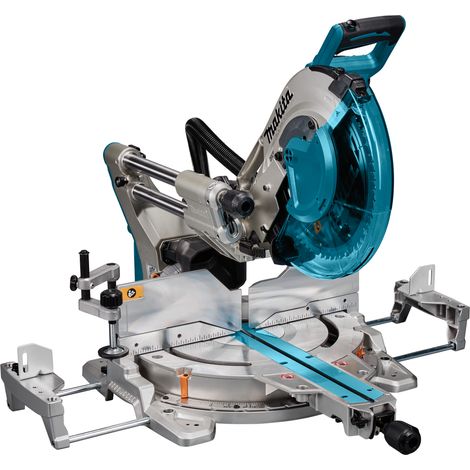
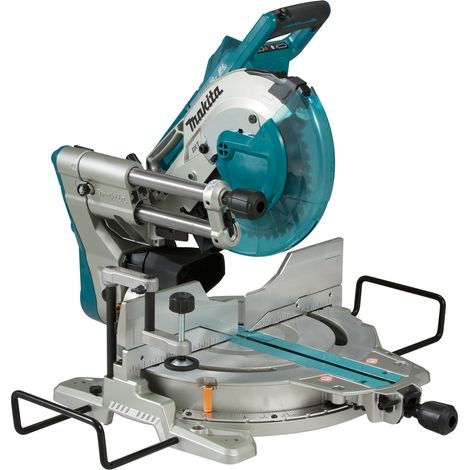
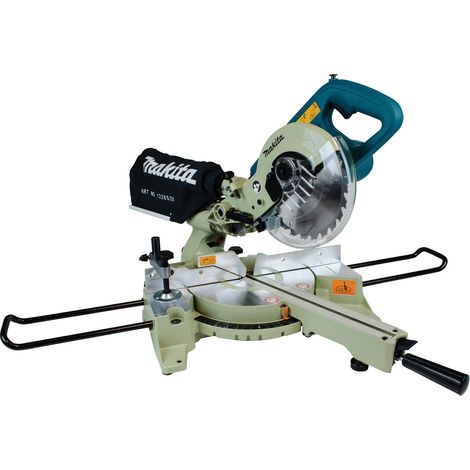
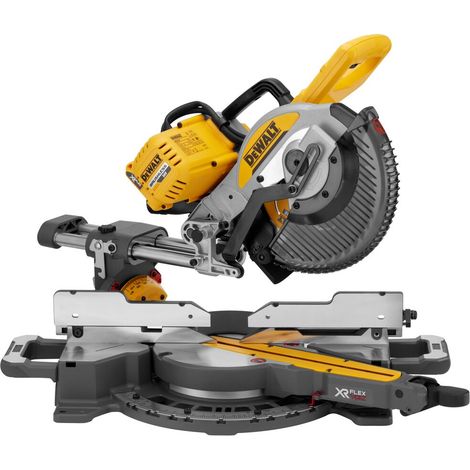
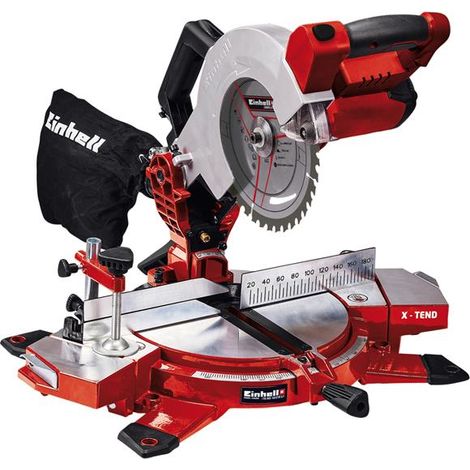
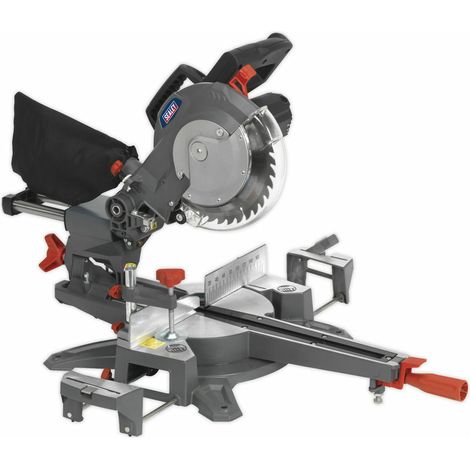
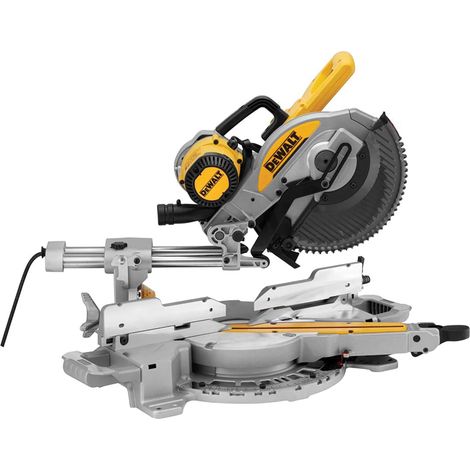
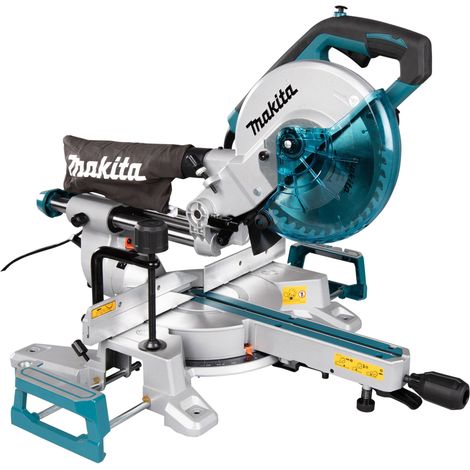
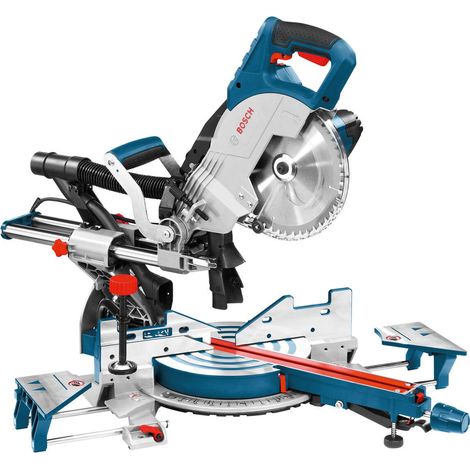
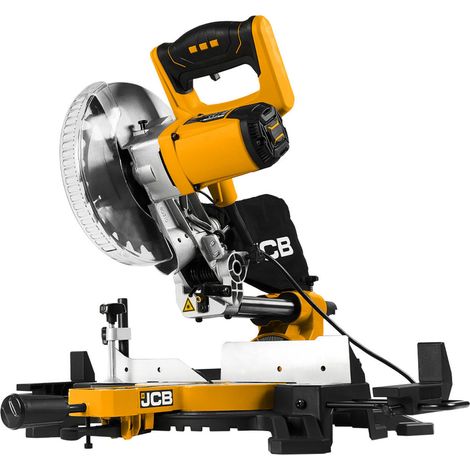
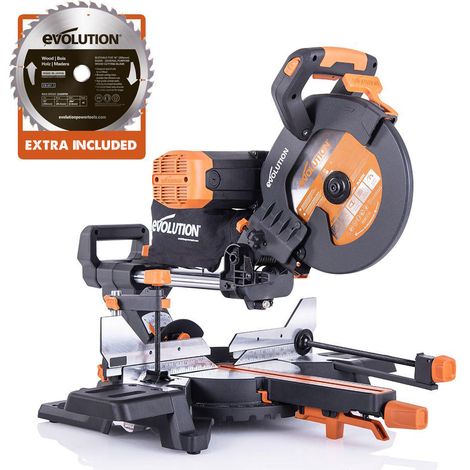
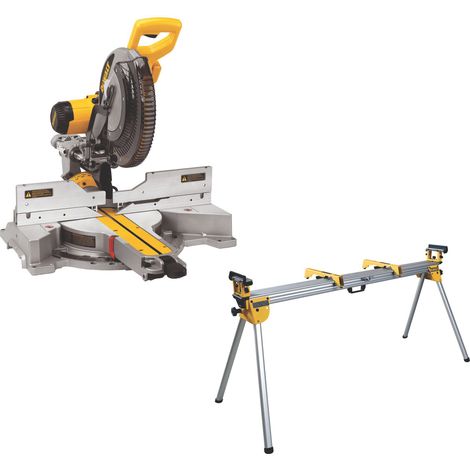
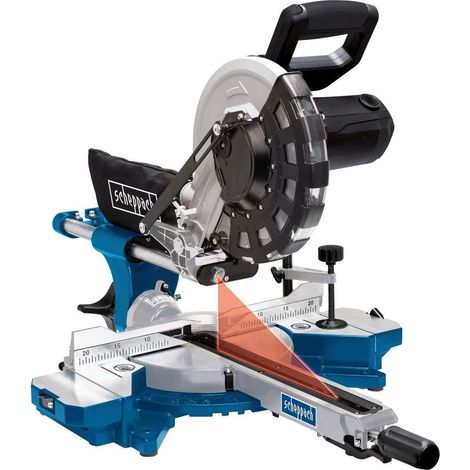
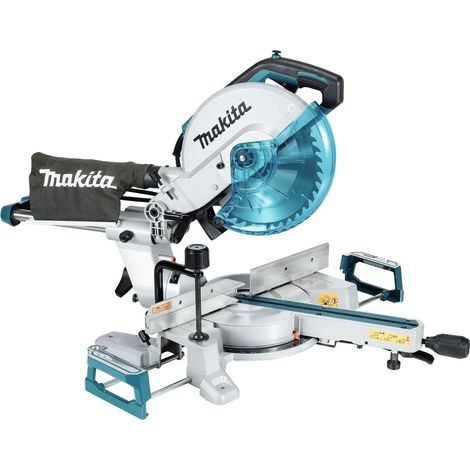
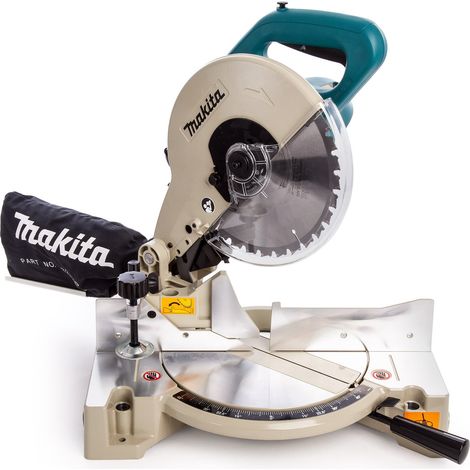
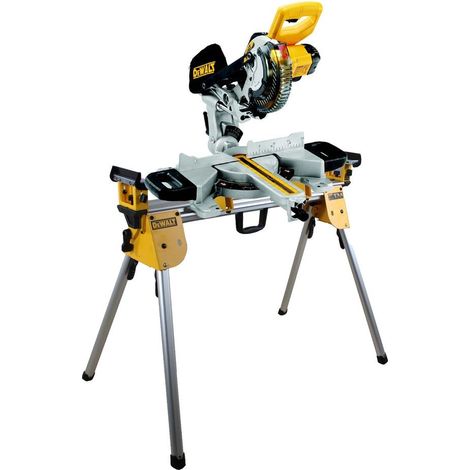
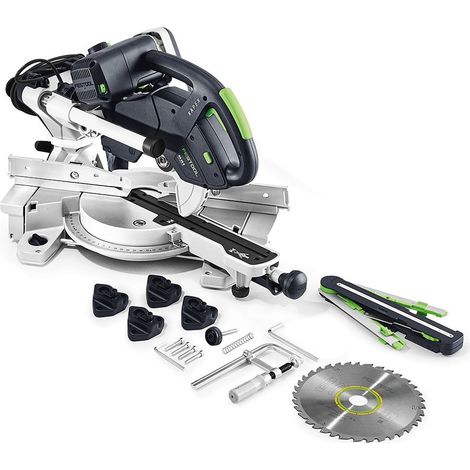
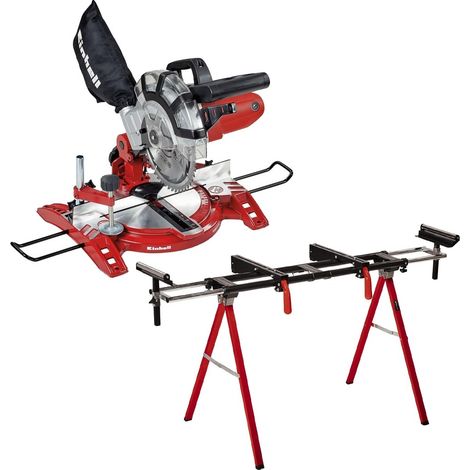
Electrical mitre saws feature a few other characteristics to get to grips with:
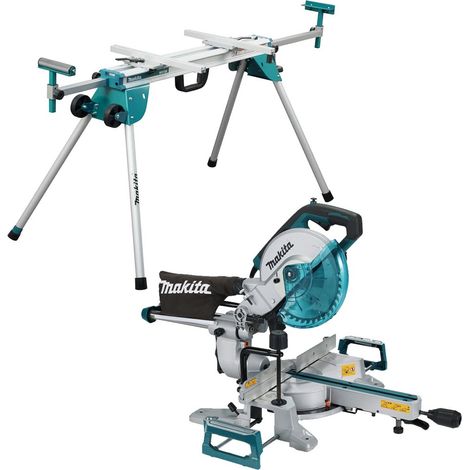
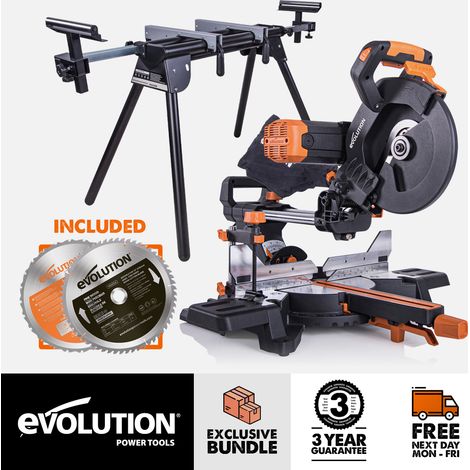
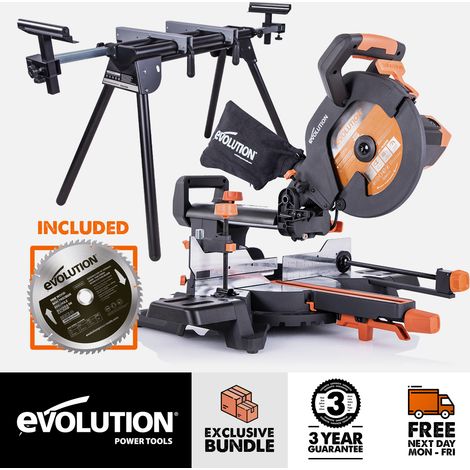
- these tools should generally be mounted on a dedicated table or stand;
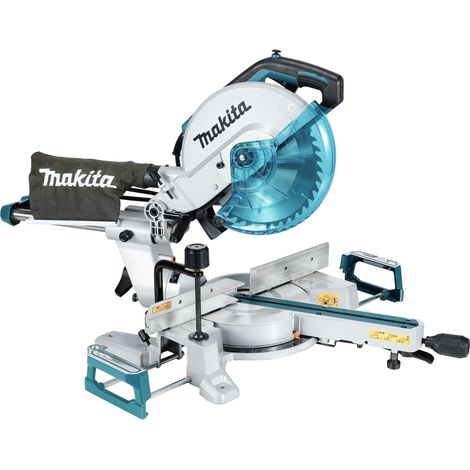
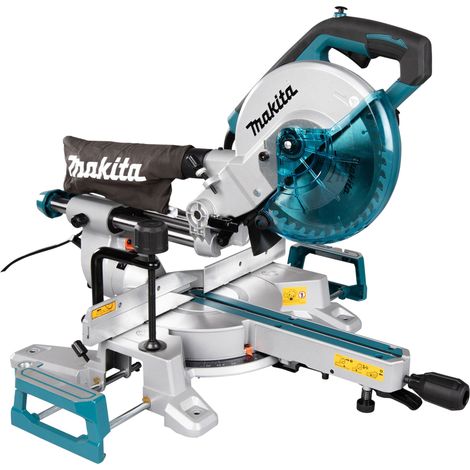
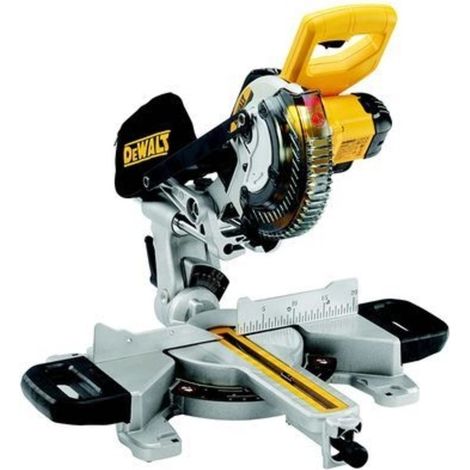
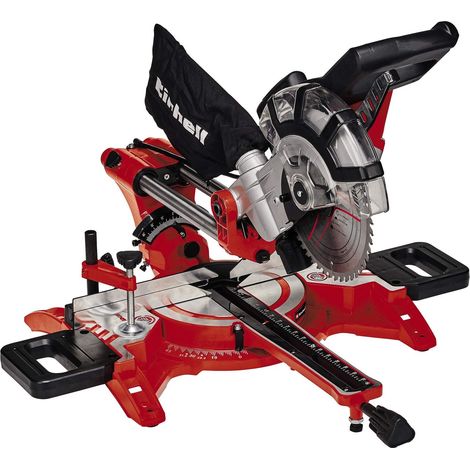
- the blade and motor are mounted on a moving handle;
- a separate mitre scale is used to set the cutting angle from 0° to 180°;
- motor power can range from 1400 W to 2000 W;
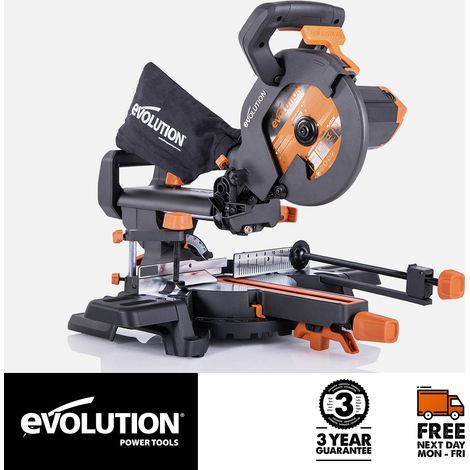
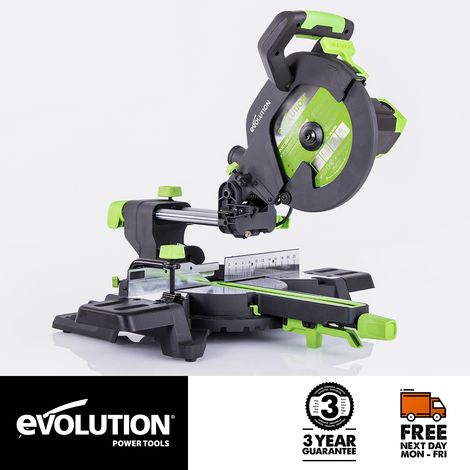
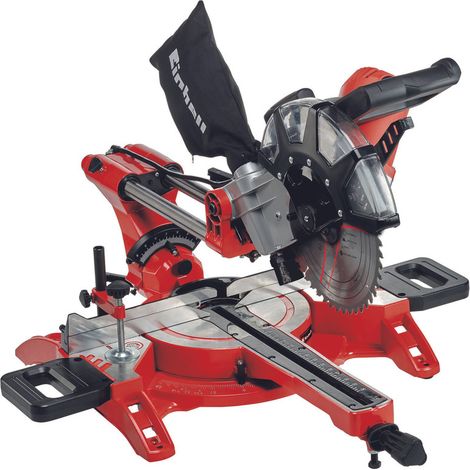
- radial arm saws are equipped with a carriage used to move the saw around a table.
The following criteria should be considered when choosing a power saw:
- the number of teeth – ranges from 40 to 60 and depends on the material to be cut;
- the presence of adjustable stops to make workpieces easier to position;
- cutting height;
- maximum cutting width – ranges from 140 mm for a basic saw to 320 mm for a radial saw.
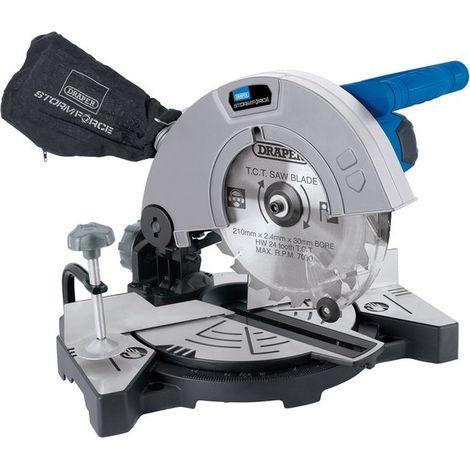
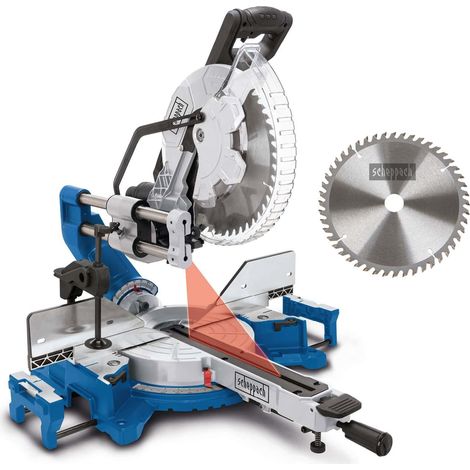
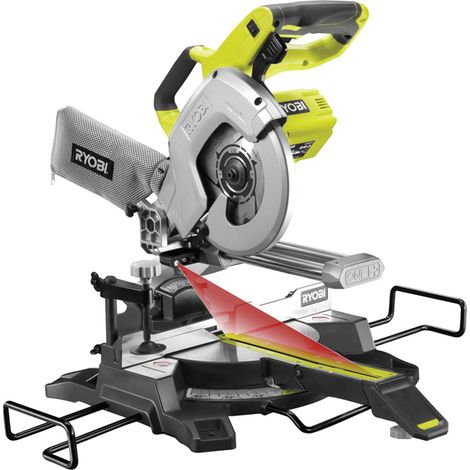
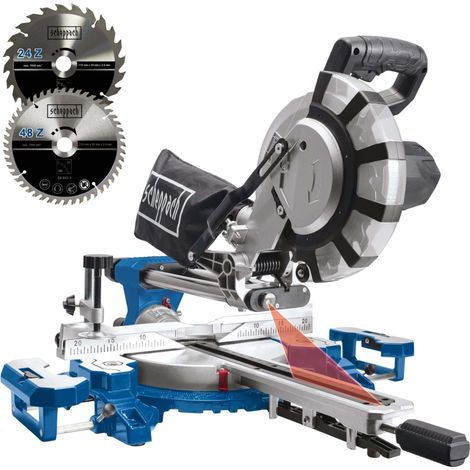
In short, your choice of mitre saw depends on how you plan to use it (occasionally or professionally) and the size and materials of the workpieces you want to cut. A range of additional accessories, including laser cutting guides, dust ports and extension arms, can be used to enhance user comfort.
You may be interested in these guides















'/%3E%3C/svg%3E)
'/%3E%3C/svg%3E)