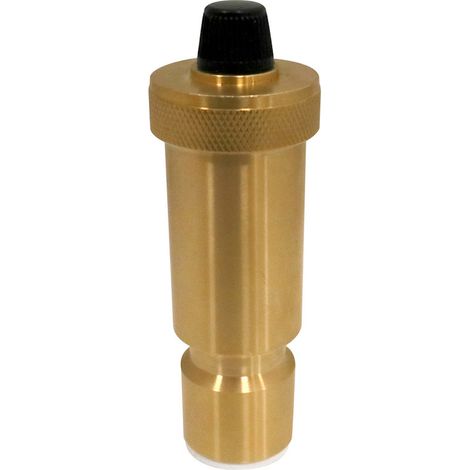
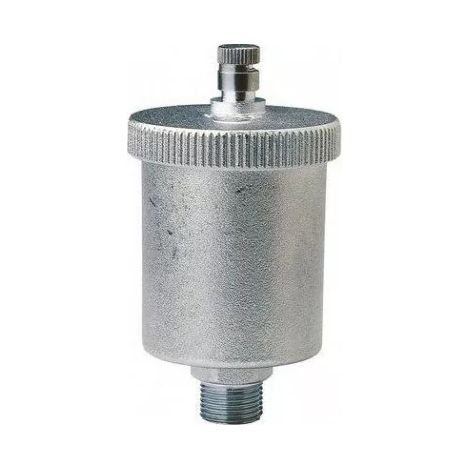
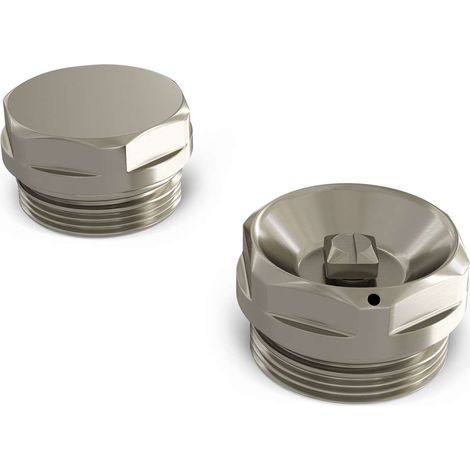
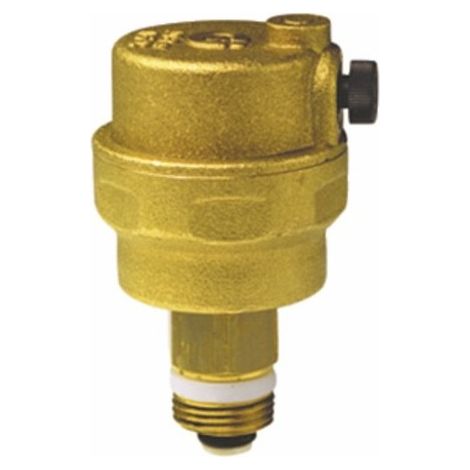
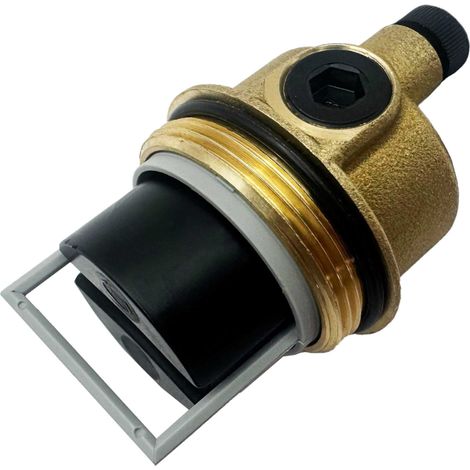
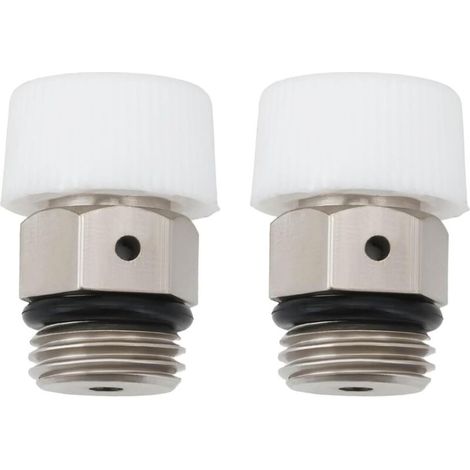
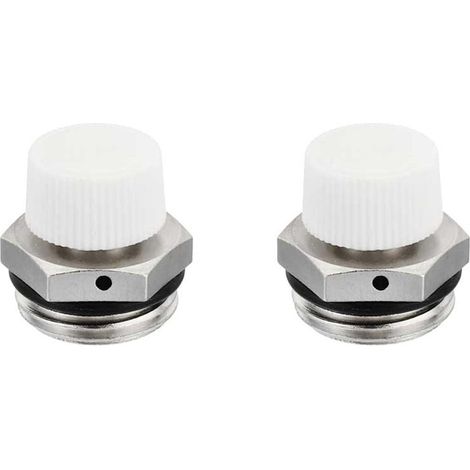
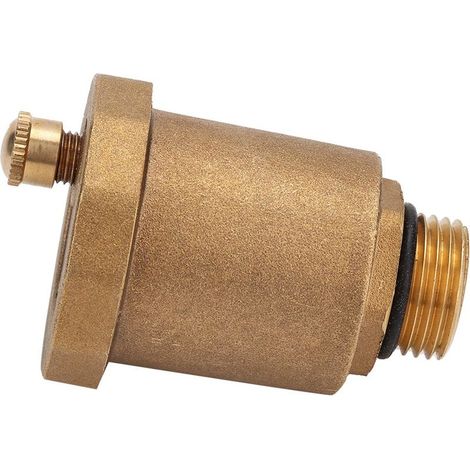
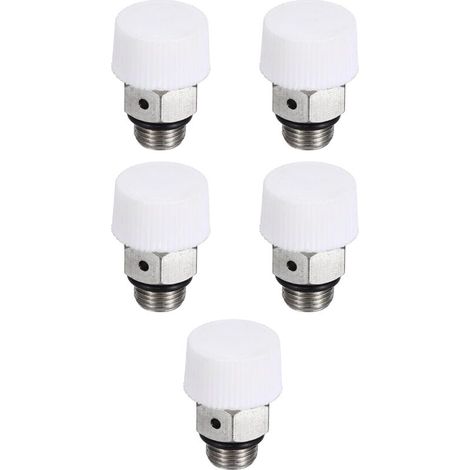
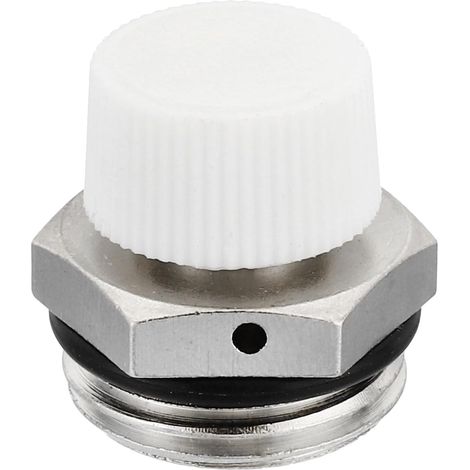
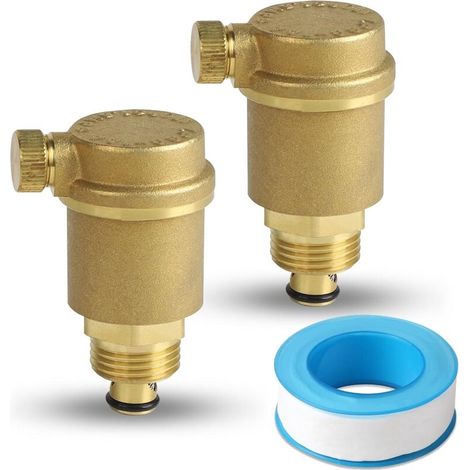
The manual radiator bleed valve is the ideal accessory for maintaining your heating equipment. You can also opt for the automatic heating vent which will bleed autonomously. Be sure to discover the affordable Somatherm bleed valves we sell or the Thermador automatic vents which will guarantee optimal efficiency for your radiators.
Bleeding your radiators allows you to extract the accumulated air over the months in your heating pipe system. This operation is simple and does not require extensive plumbing skills.
Types of radiator bleed valves
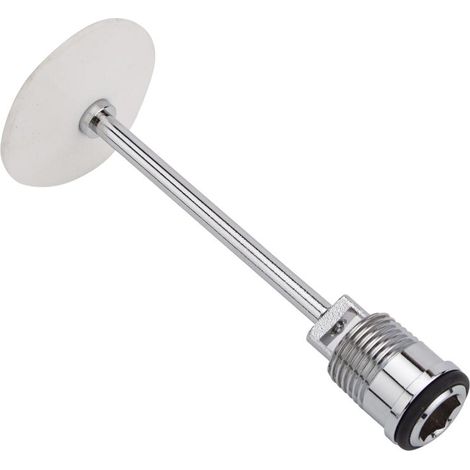
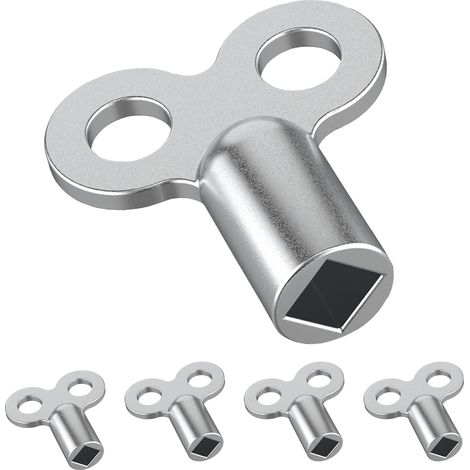
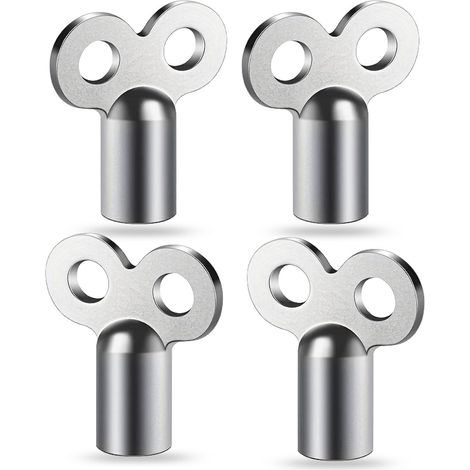
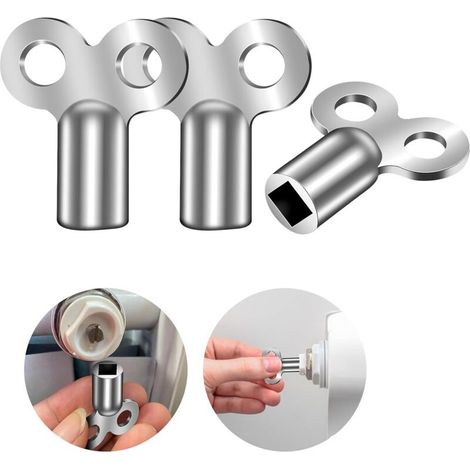
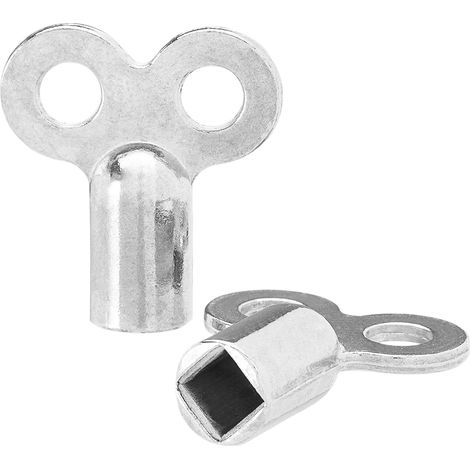
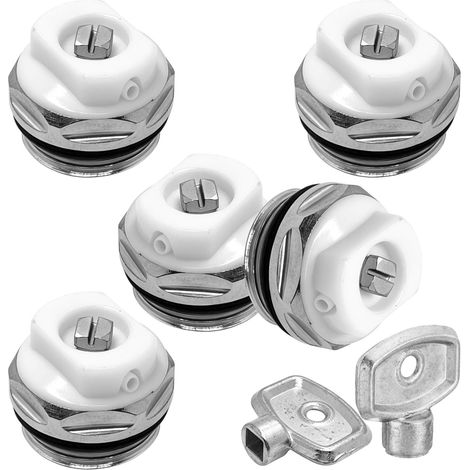
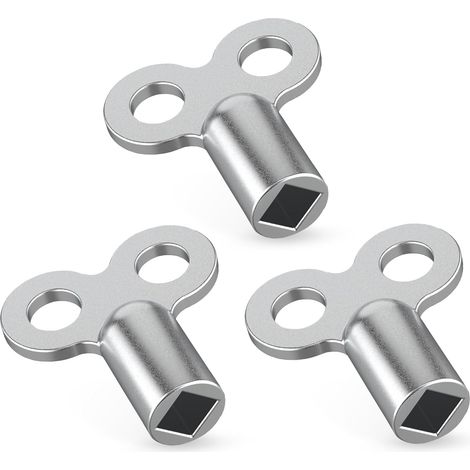
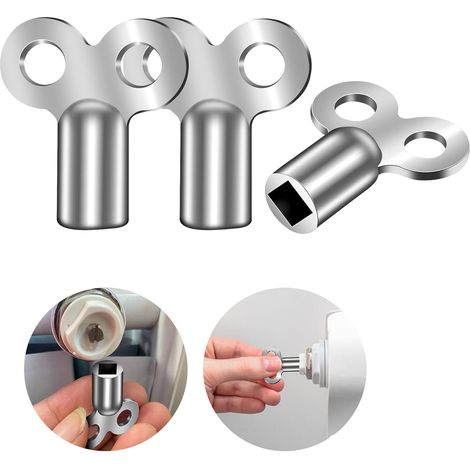
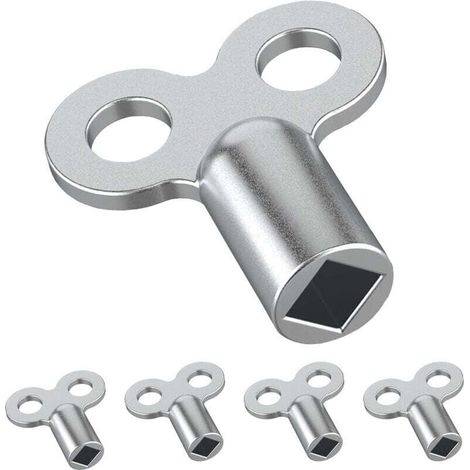
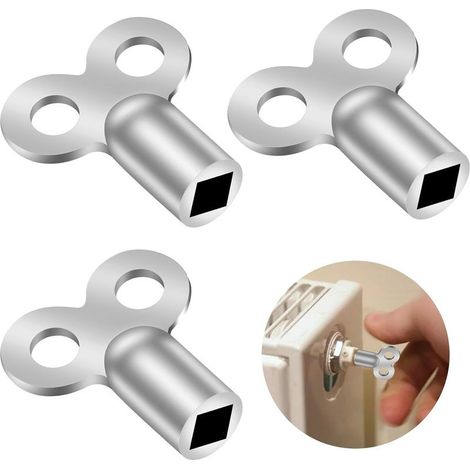
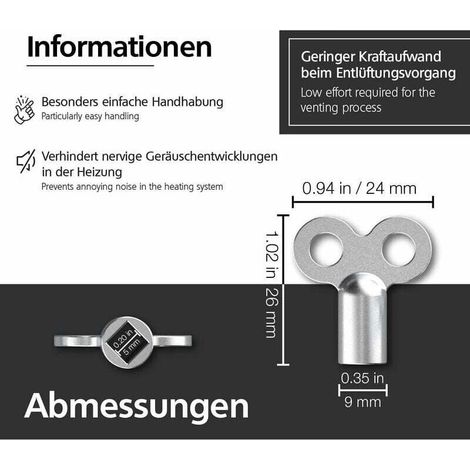
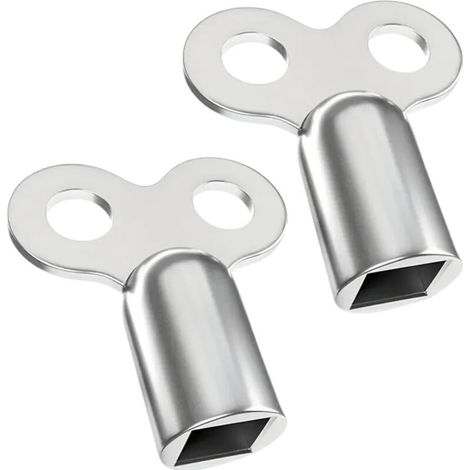
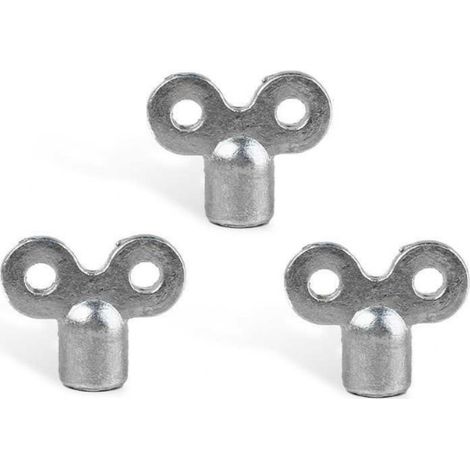
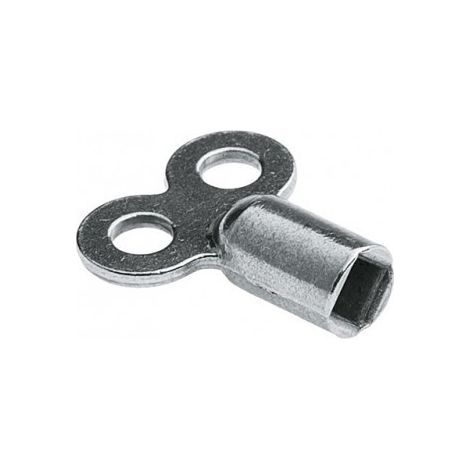
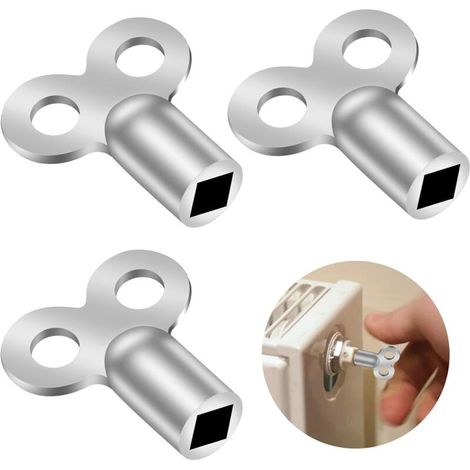
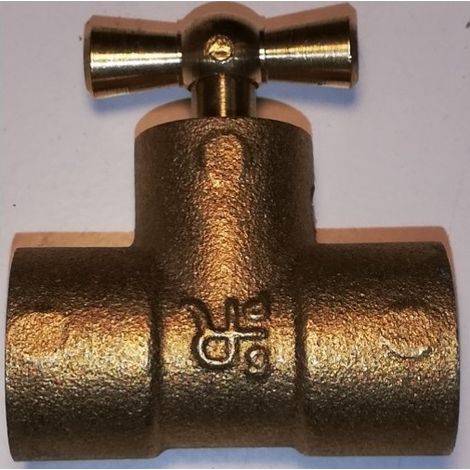
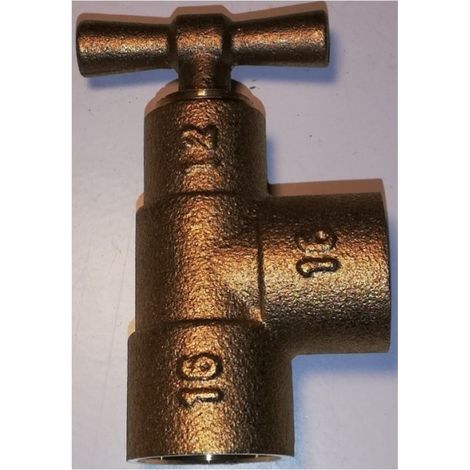
- Manual radiator bleed valve: This bleed valve often comes with a square or winged tip
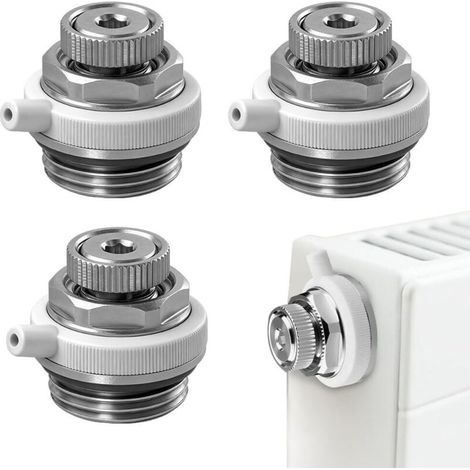
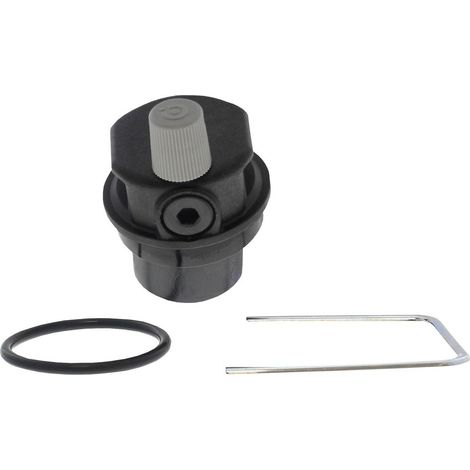
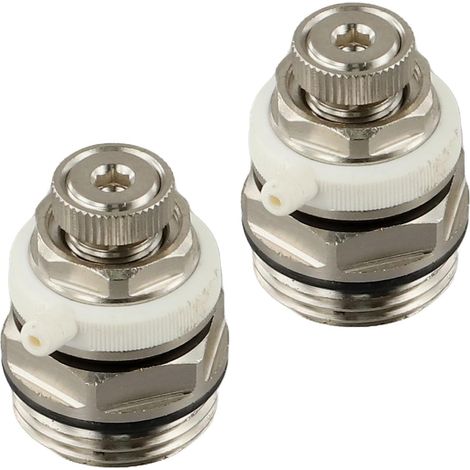
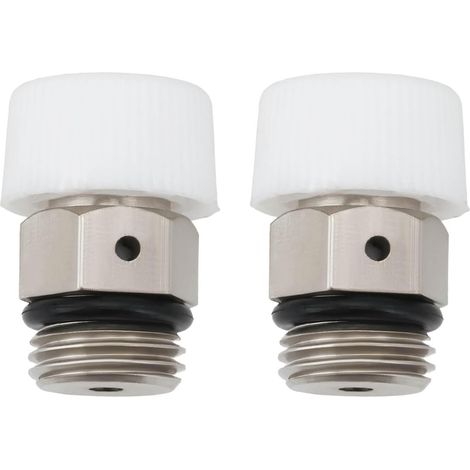
- Automatic radiator bleed valve: It will perform its task autonomously without any action on your part.
When to bleed your radiator?
It is recommended to bleed about once a year to keep your radiators operational and efficient over time. The ideal period is generally just before winter.
Additionally, if you notice that your radiator is no longer as efficient in heating as before or you frequently hear pipe noises, it's time to take action and bleed it quickly.
Another method is simply to touch the bottom and top parts of your radiator. If the bottom is hot but the top is not, it's time to get a heating bleed valve and start its maintenance.
How to bleed your radiator?
First, you will need to turn off your central heating. To do this, turn off the circulator (boiler pump). The simplest method is to switch the boiler to “summer” mode. Once the system is stopped, wait for your radiators to cool down to avoid any risk of burns.
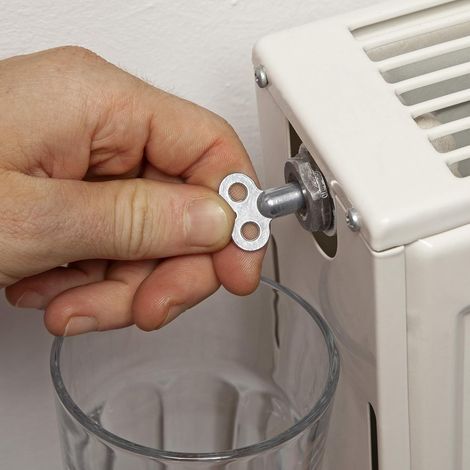
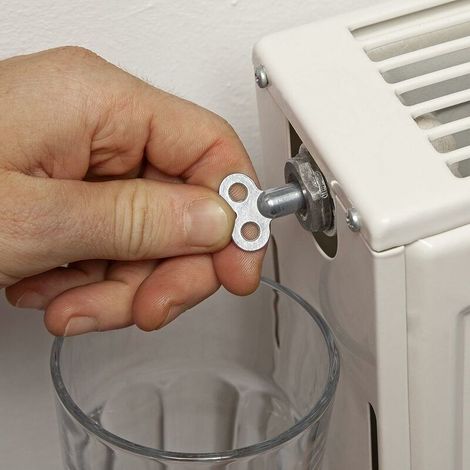
Get a container to collect the water under your radiator bleed valve. The location is usually opposite your valve at the top of the appliance.
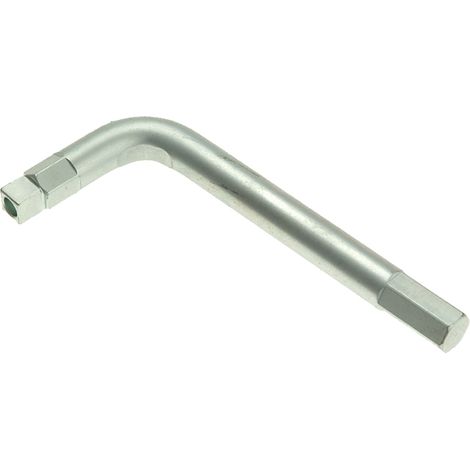
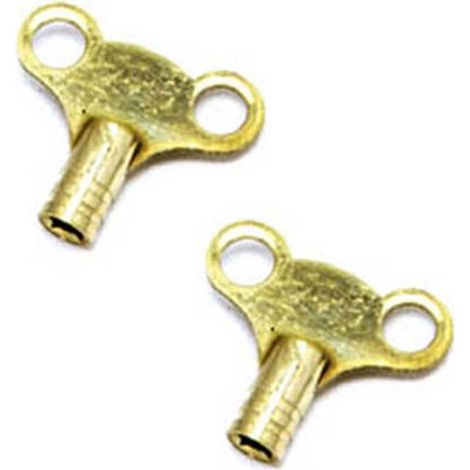
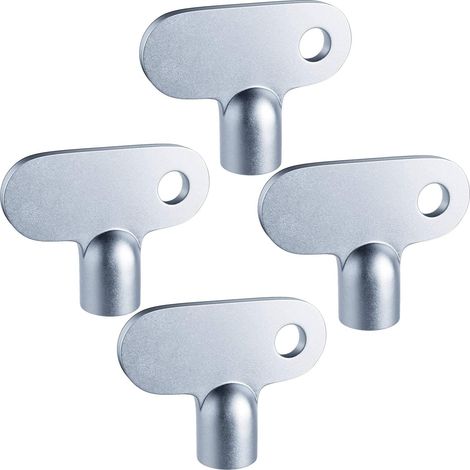
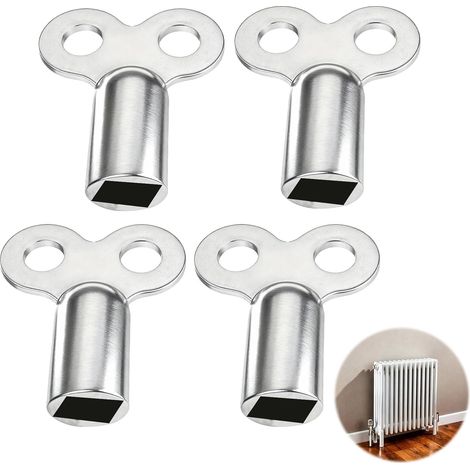
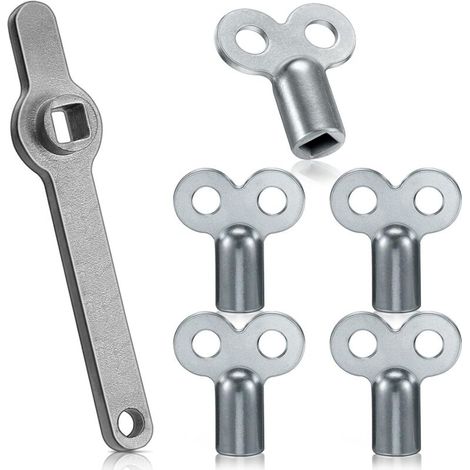
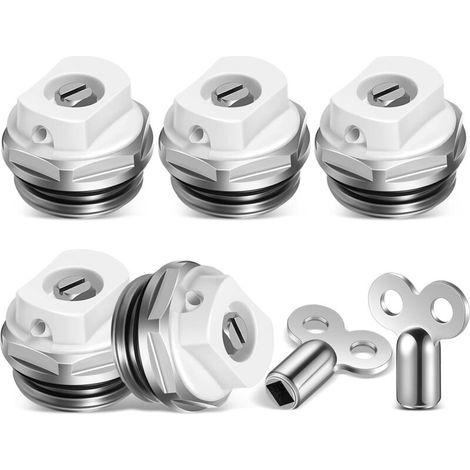
Then, turn counterclockwise the winged handle if you have a winged manual bleed valve or a square radiator bleed valve (for square models, use a bleed/pan key to do the operation).
Continue turning until you hear hissing sounds, indicating that air is escaping from the pipes. Once water droplets start to flow from the bleed valve, you can close the device.
After bleeding, you must restore the pressure in your heating system. To do this, you need to add water via the fill valve, which is most often located next to the boiler.
Open it gently, then check the pressure gauge indicating the pressure in your central heating system while adding water. Stop filling once you reach 1 bar of pressure.
Why buy your radiator bleed valve on ManoMano?
We offer numerous references of radiator bleed valves so you can have a choice. Moreover, the prices we sell them at are extremely competitive. DIY smart with ManoMano.
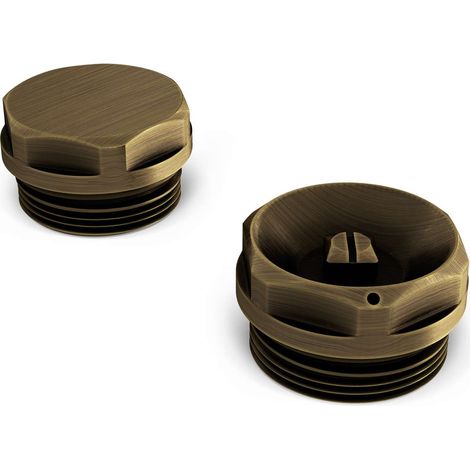
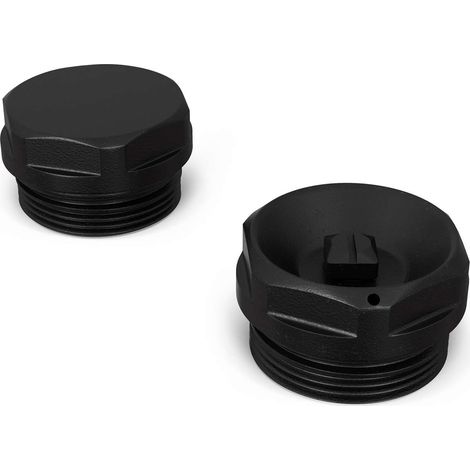
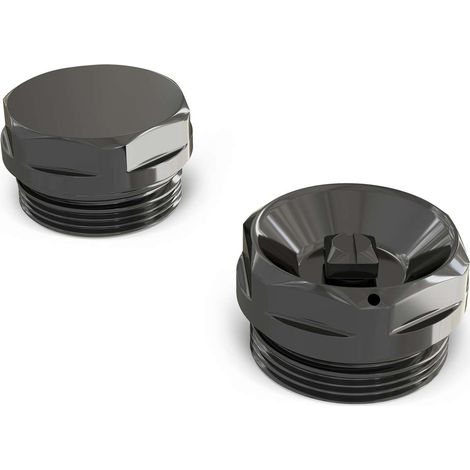
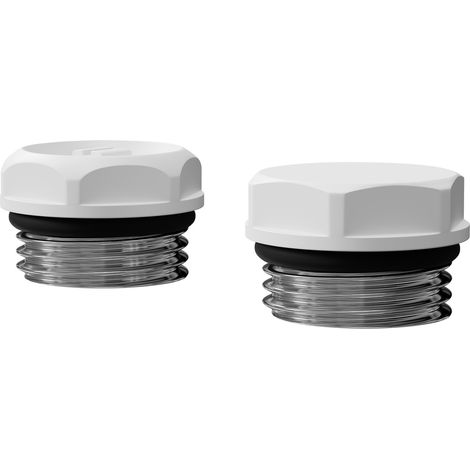
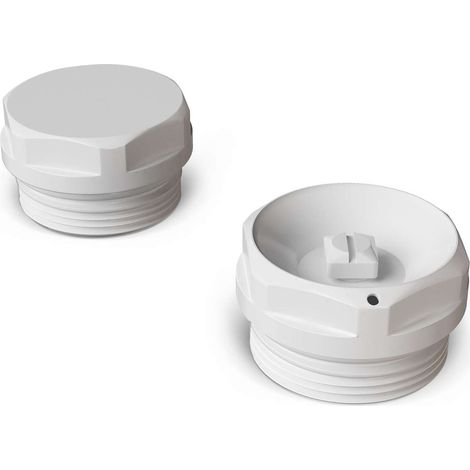
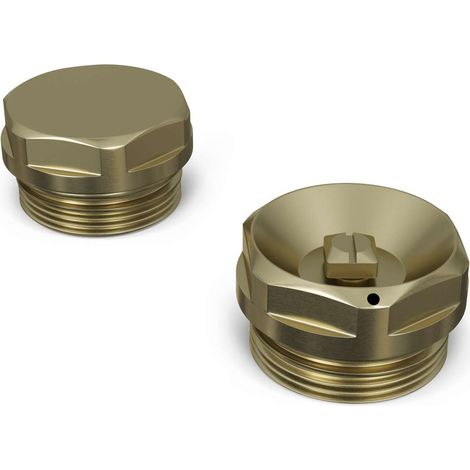
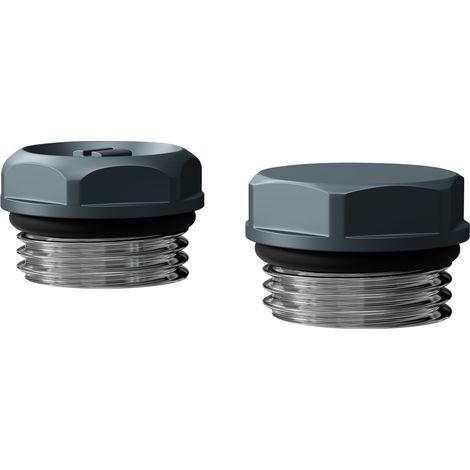
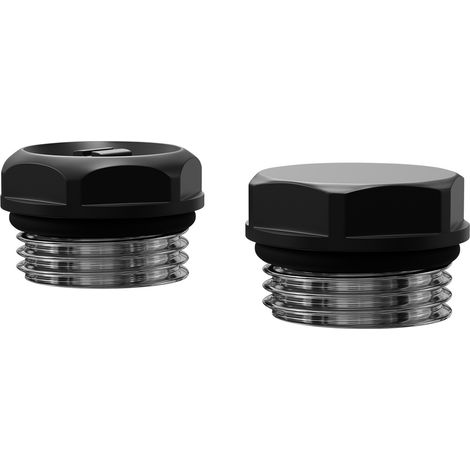
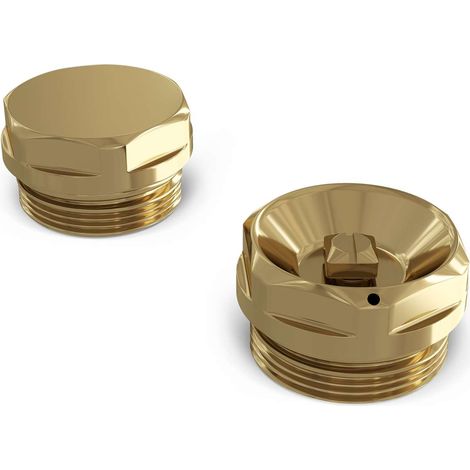
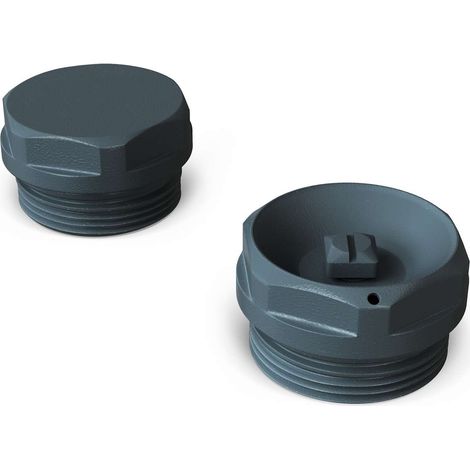
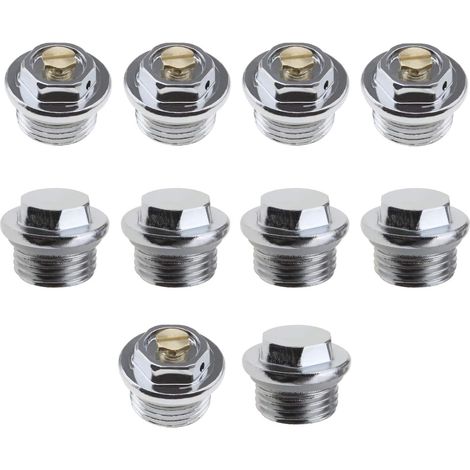
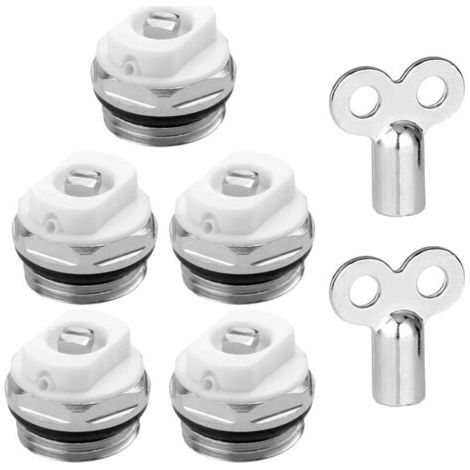
You can also buy cheap square bleed keys and bleed plugs for your radiator.




















'/%3E%3C/svg%3E)
'/%3E%3C/svg%3E)