Exterior wood paint
157 productsChoose a weather-resistant exterior paint and opt for a shade that harmonizes with the style of your house for an aesthetically pleasing and durable result.

95 options
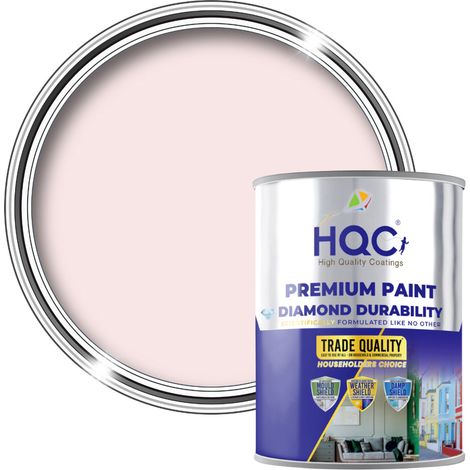
HQC Shed & Fence Paint - Best Weatherproof Wood Protection - Baby Pink - 1L
Free shipping


21 options
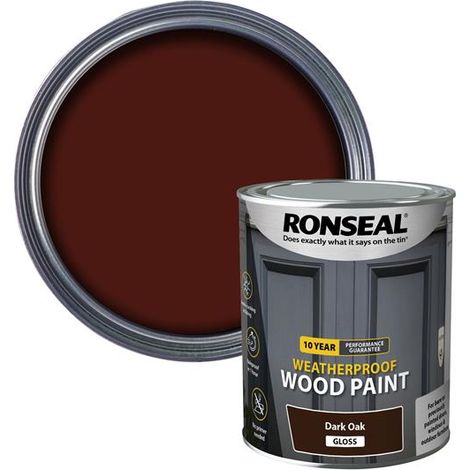
Ronseal 38774 10-Year Weatherproof 2-in-1 Dark Oak Gloss Wood Paint - 750ml
21
Free shipping
85 options
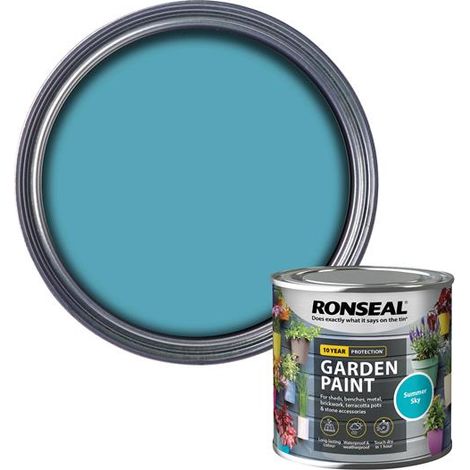
Ronseal Garden Paint Summer Sky 250ml - Exterior Outdoor Wood, Shed, and Metal Paint
32
Free shipping
95 options
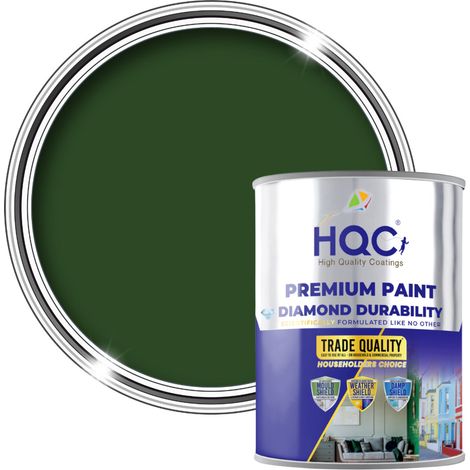
HQC Barn Paint - Long-lasting Barn, Shed, Fence And All Other Wood Protection - Racing Green - 20L
(£7.50/l)
Free shipping

11 options
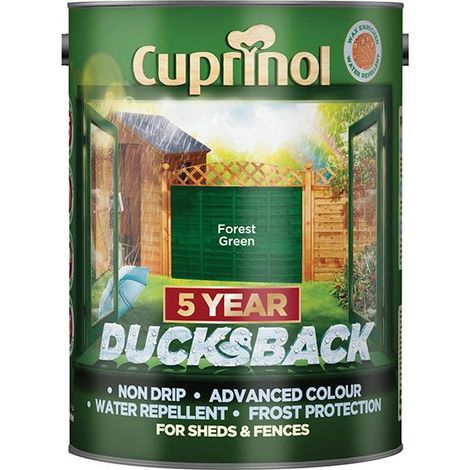
Cuprinol 5092438 Ducksback 5 Year Waterproof for Sheds & Fences Forest Green 5 litre CUPDBFG5L
30
Free shipping


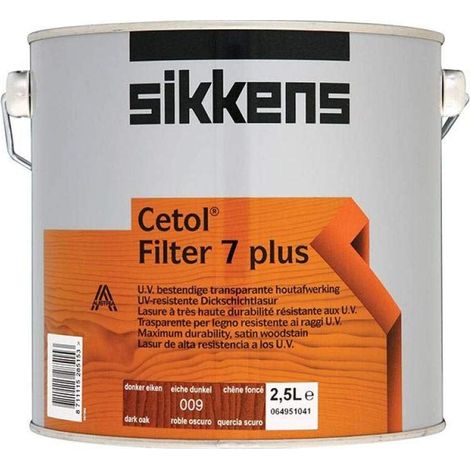

95 options
HQC Wood Paint - Weatherproof for Fences, Gates, Sheds & Furniture - Racing Green - 1L
Free shipping
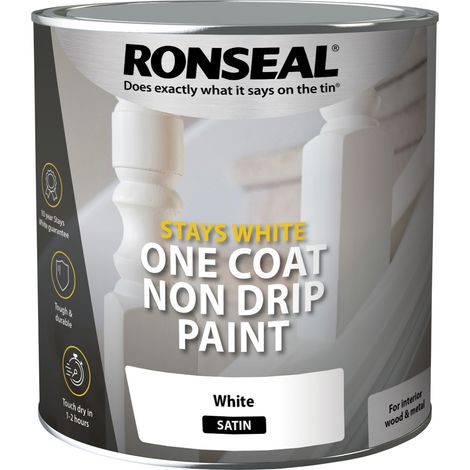
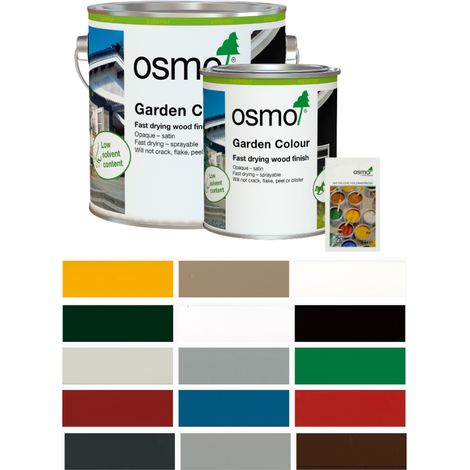

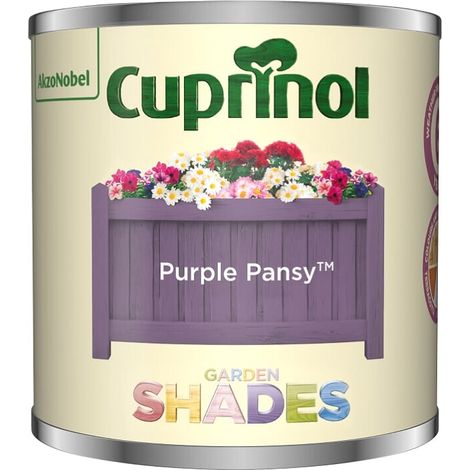
99 options
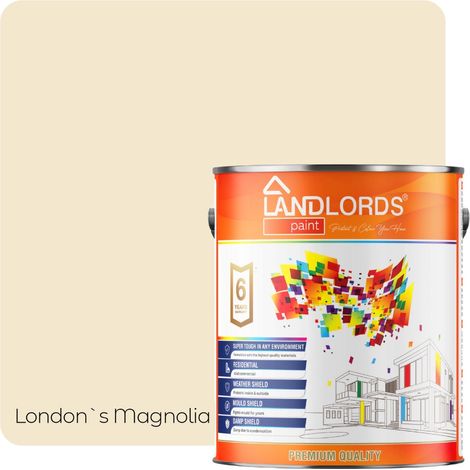
Landlords Paint - Shed & Fence Paint - Best Durable Outdoor Wood Protection - London's Magnolia - 1L
Free shipping




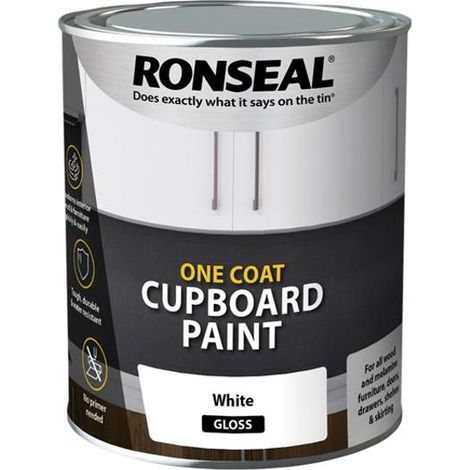
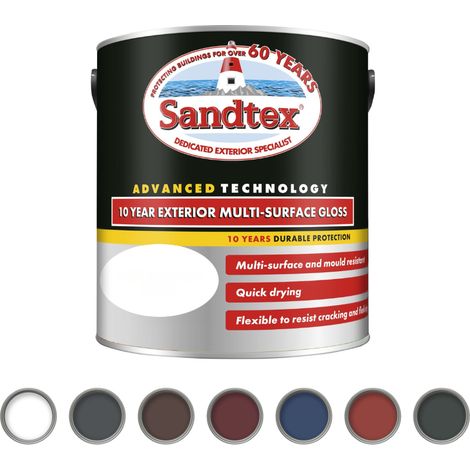
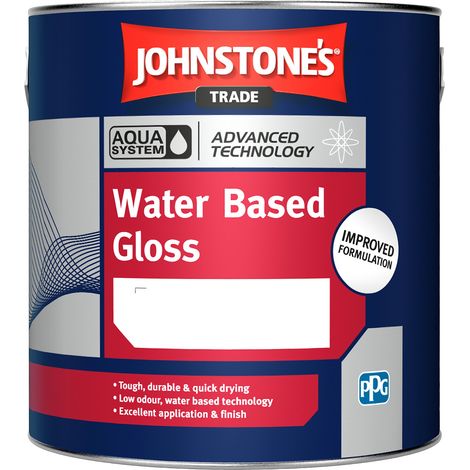
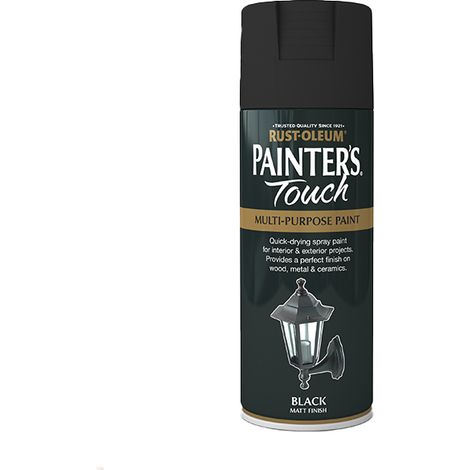
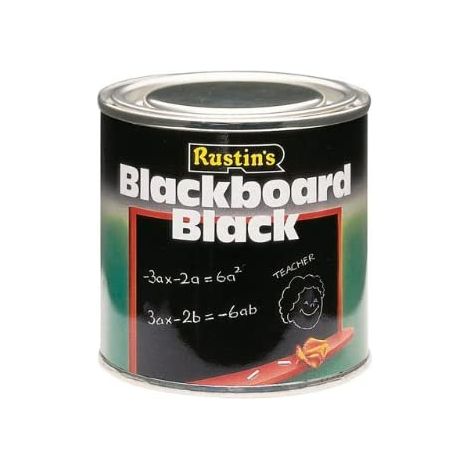
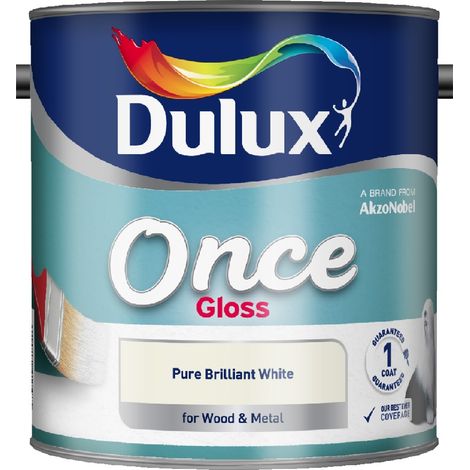
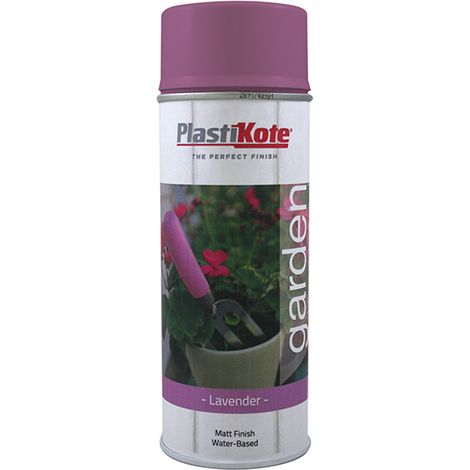
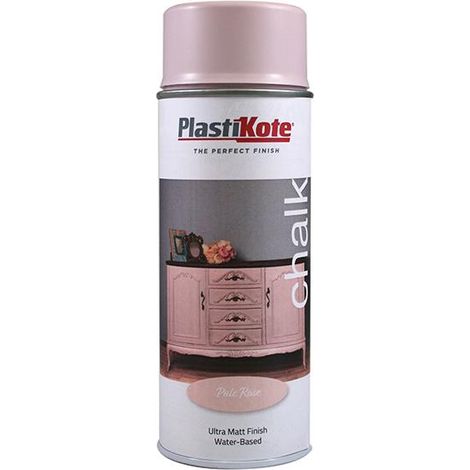
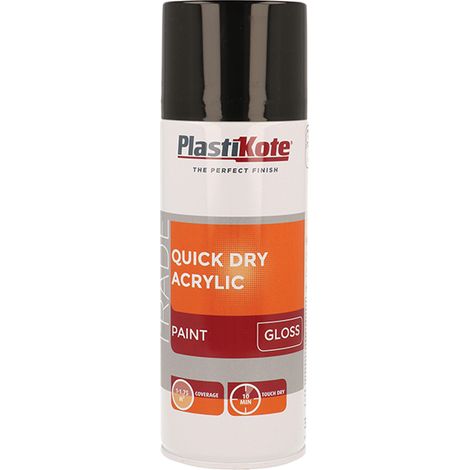

8 options
Plasti-Kote Trade Quick Dry Acrylic Spray Paint in Gloss Black, 400ml (Model PKT71009)
Free shipping
'/%3E%3C/svg%3E)
Exterior wood paint buying guide
Advice from our experts
Narrow down your search
Narrow down your search
Other categories for you
'/%3E%3C/svg%3E)