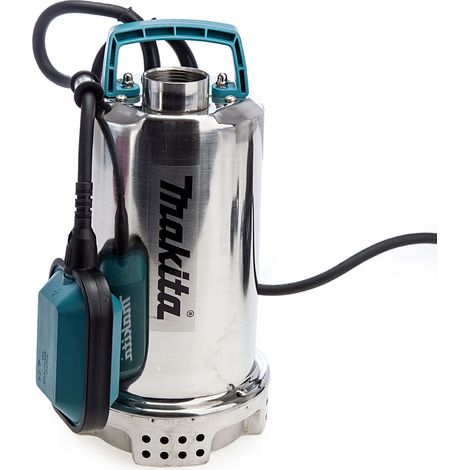
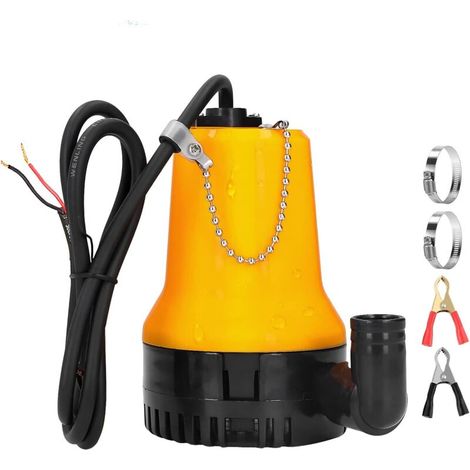
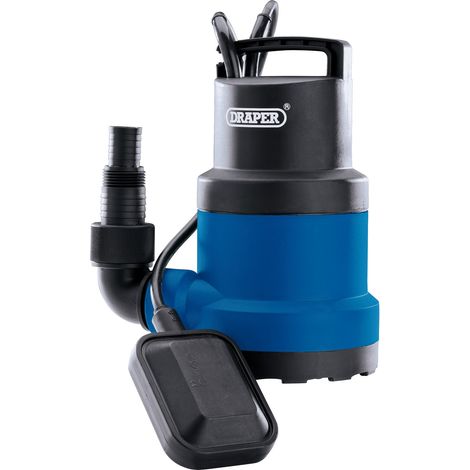
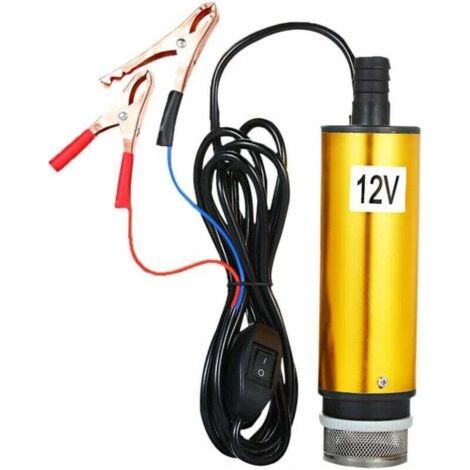
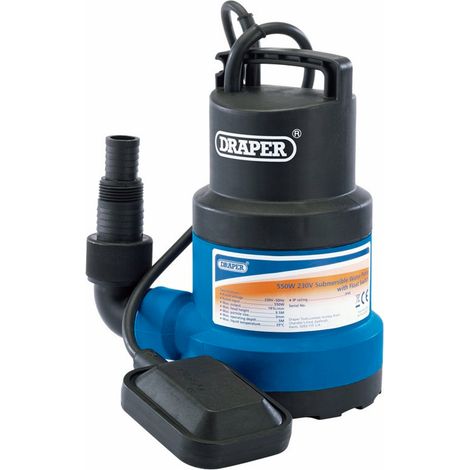
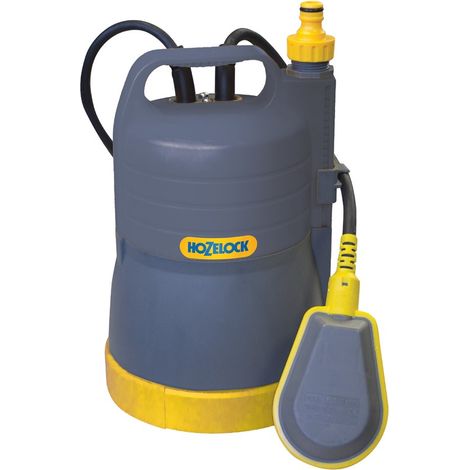
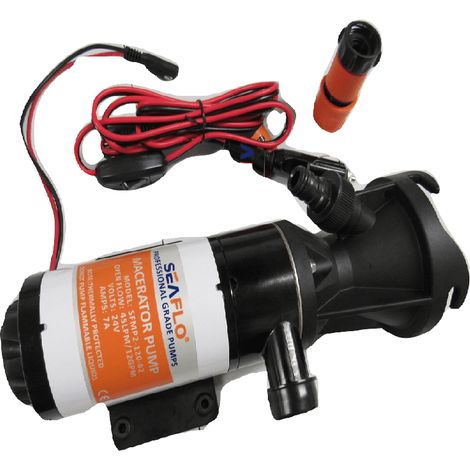
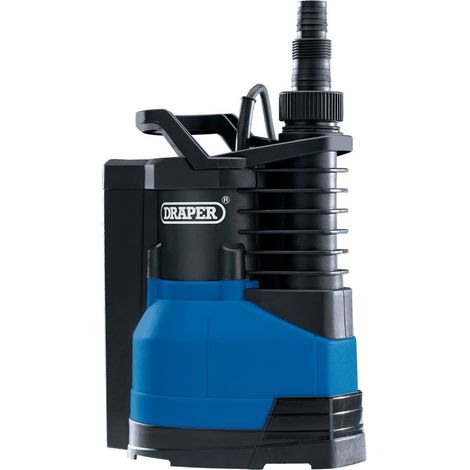
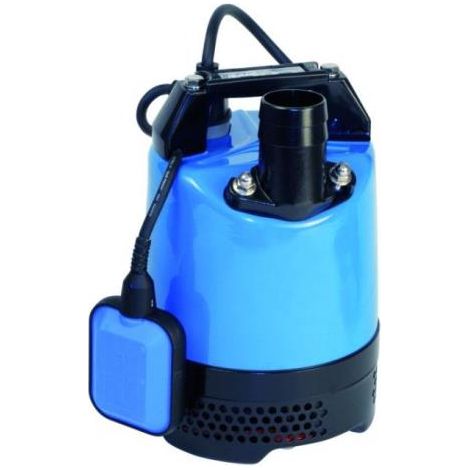
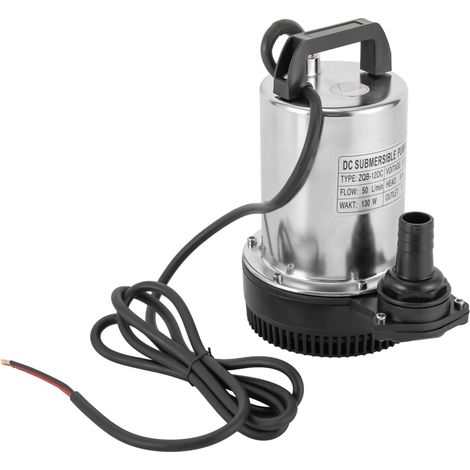
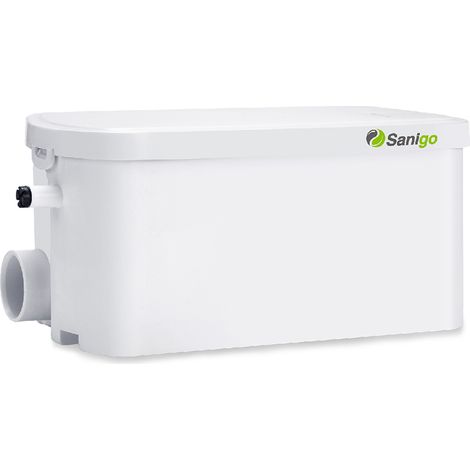
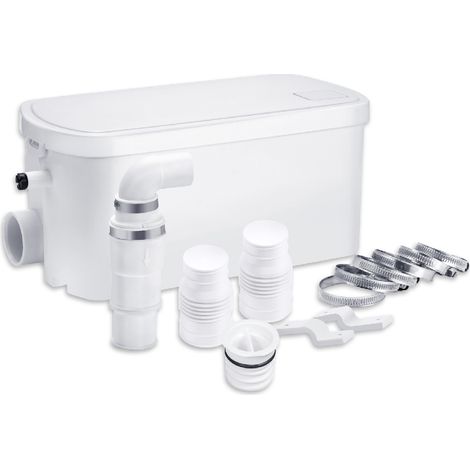
To drain water from a basement or pump water from a well or a river, buy one of our submersible pumps. Reliable and recognized brands at low prices, promotions, and various products for all uses: for loaded or non-loaded water, different pressures, and different flow rates.
As the price of water is constantly increasing, you might be tempted to save money on it. But how can you pay less for your water? Nothing could be simpler: just use free water from a source, a well, a pond, or a rainwater collection tank. For that, you just need to get a garden pump that you can send into the water to bring up what you need.
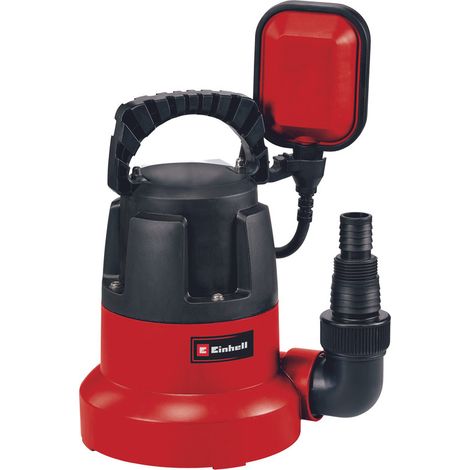
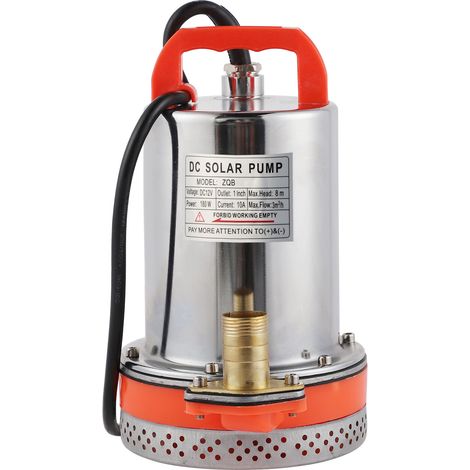
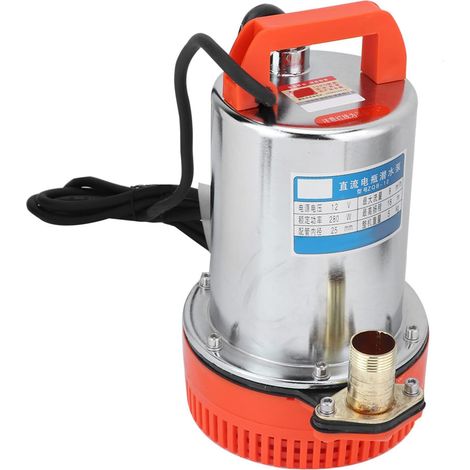
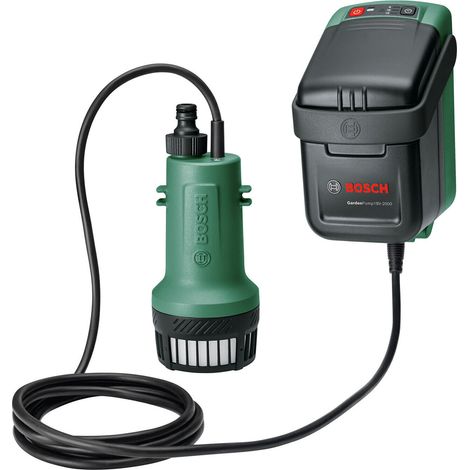
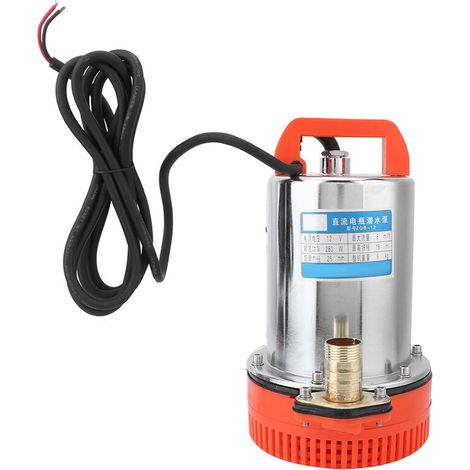
You are now on the page of our site dedicated to submersible pumps. These models are perfect for retrieving water from the bottom of a well or source (or even for draining water from a flooded basement) because they can go underwater. Here you will find a large selection of different models: our policy is to offer you the best at the best price. You will therefore find low-priced models from major brands here (GARDENA, EINHELL, GRUNDFOS, ...). Moreover, to help you sort through all our models, we present below a small explanatory guide of the important criteria to consider for this type of tool.
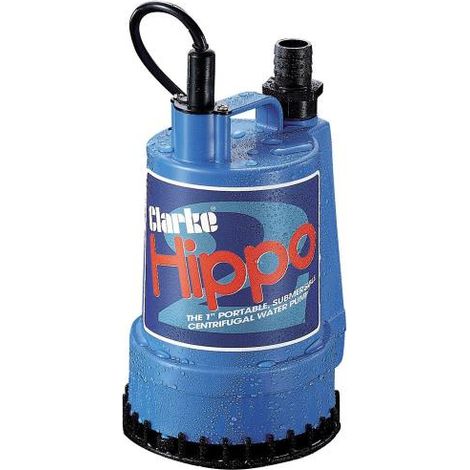
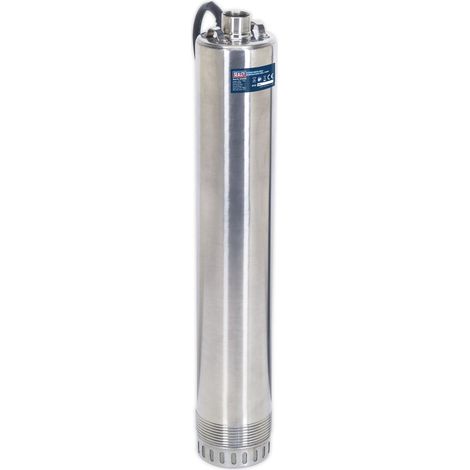
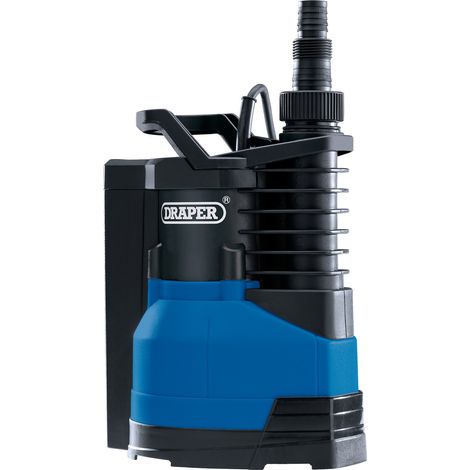
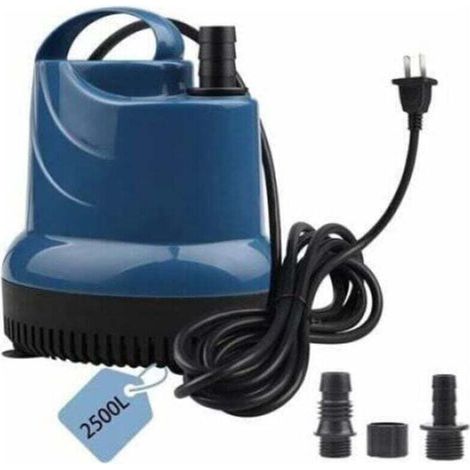
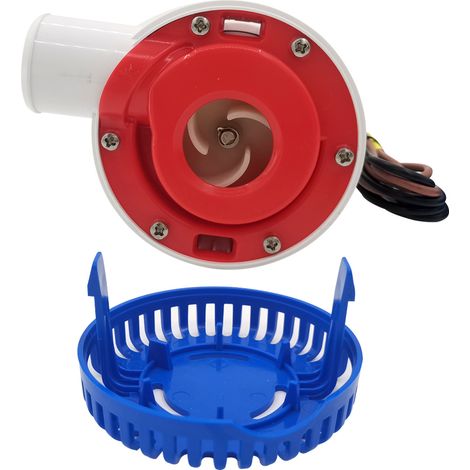
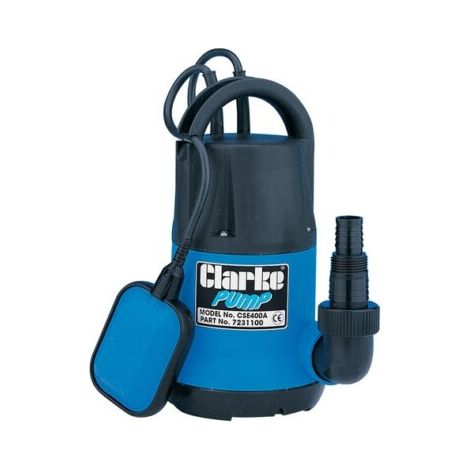
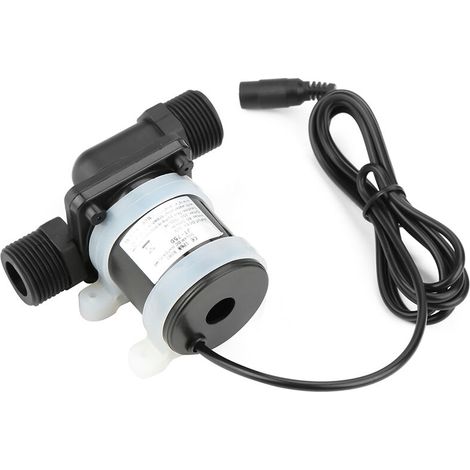
First, here is a summary of how a submersible pump works. Placed at the bottom of the water, it has inlets at its base through which the water is sucked in. The water then passes through the turbines that will propel it through the hose to the outlet of the installation. One of the important criteria is firstly the maximum flow rate delivered by the pump. Indeed, the ideal is to choose a pump whose flow rate equals one-third of your daily consumption. Thus, it is estimated that approximately 8 liters/m²/day for watering a lawn. Additionally, the daily water consumption per person is estimated at 200 liters and it can be considered that a tap consumes 1000 liters per hour. If you plan to connect multiple taps to your pump, take this into account in your calculations. Based on this data and your estimates, you can gauge your flow rate needs.
Next, you absolutely need to consider the pressure delivered by the pump. Indeed, you must ensure at least 3 bars of pressure at the outlet of your tap, knowing that various elements will reduce the original pressure delivered by the pump. For example, 10 meters of water column (the height between the surface of the pumped water and the outlet tap) cause a 1 bar pressure drop. If you install check valves in your installation, also count a 0.1 bar pressure drop per valve. Other factors can affect pressure loss, so you need to account for everything to avoid buying a pump that is too weak.
Thirdly, you should consider the pump's discharge height. This parameter is the pump's capacity to handle meters of water column. For a discharge height of 10 meters, you can consider that the pump will have enough power to handle a 10-meter elevation difference to the tap.
Then, the difference can come down to details. For example, the pump's power (in Watts) can make the difference between two models with the same features. More power offers greater ease in performing the same task.
You might also be influenced by whether the pump is self-priming or not. This system facilitates starting the device thanks to an internal valve.
Also, remember to check the pump's maximum immersion depth. If your well is deep, you’ll need to ensure you have a tool that goes deep enough.
Finally, if you plan to use the pump to drain water from a basement, check if the model you’re interested in works in loaded water as well as the maximum particle diameter the pump can absorb.























'/%3E%3C/svg%3E)
'/%3E%3C/svg%3E)