A weather station is useful for obtaining various pieces of information such as the outdoor temperature, humidity levels, and wind speed. Available for beginners, intermediates, semi-professionals, or professionals, they allow for the establishment of climatological forecasts.
Weather stations are useful in daily life in several cases:
- gardeners and farmers need to know the weather for harvesting or sowing;
- outdoor activity enthusiasts like hikers or sailing fans need real-time weather forecasts during their travels;
- roofers and carpenters need data on precipitation before uncovering a roof.
Different types of weather stations are available to suit various uses:
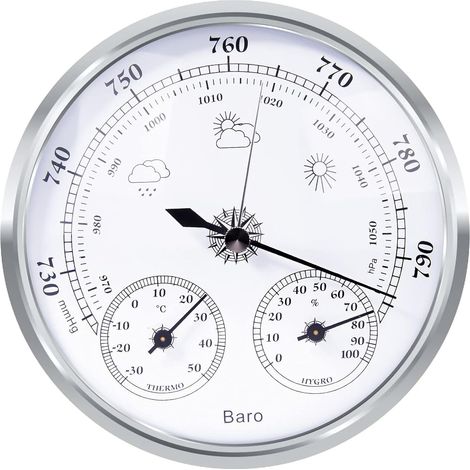
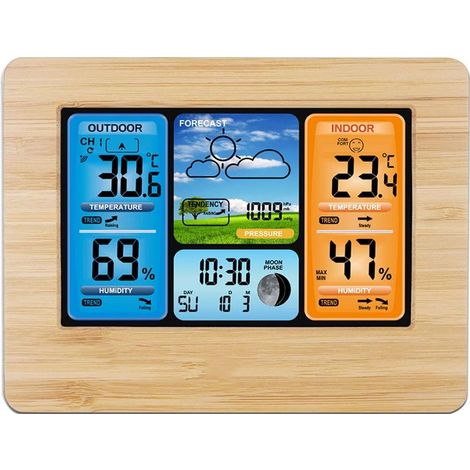
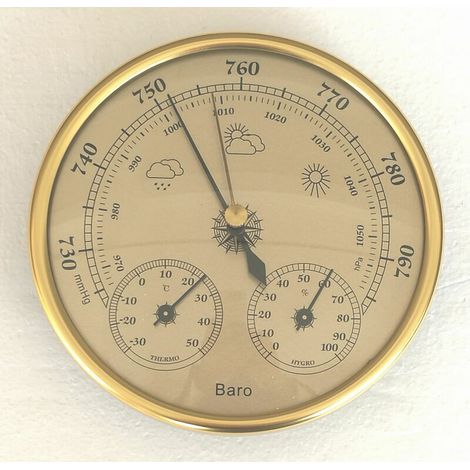
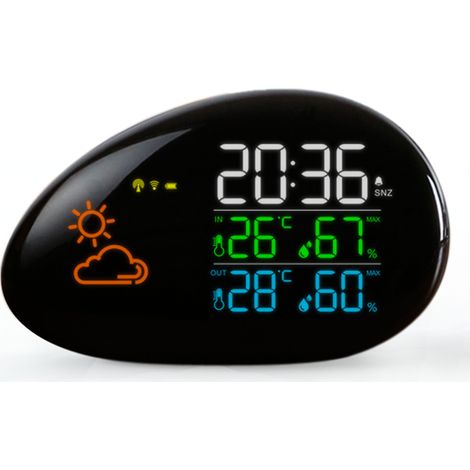
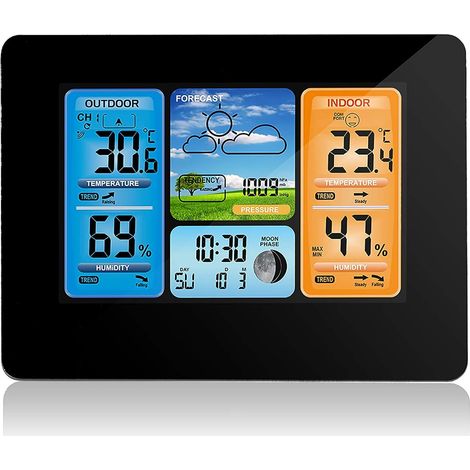
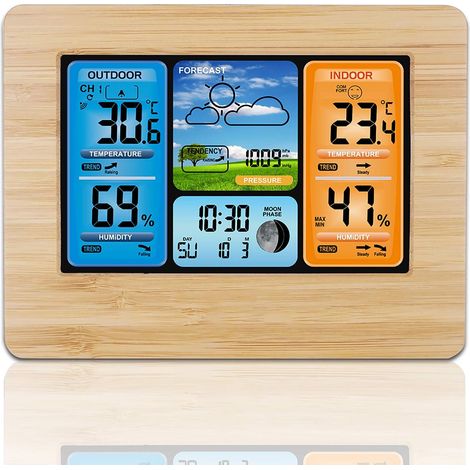
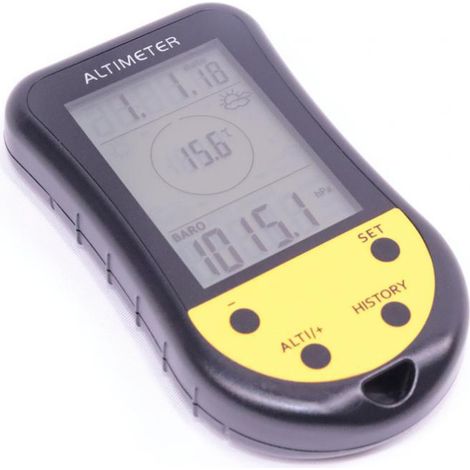
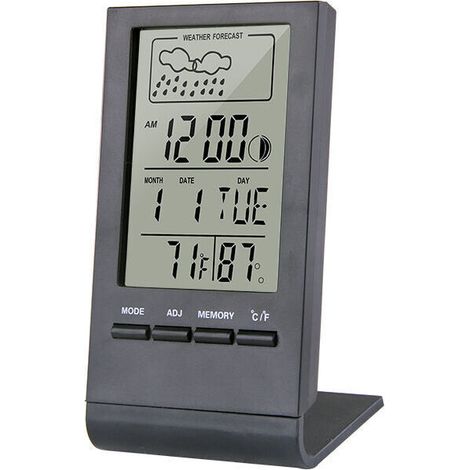
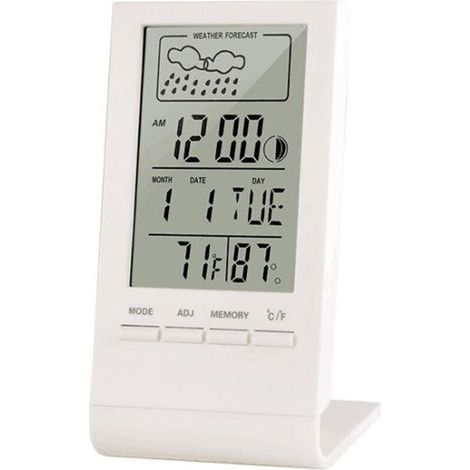
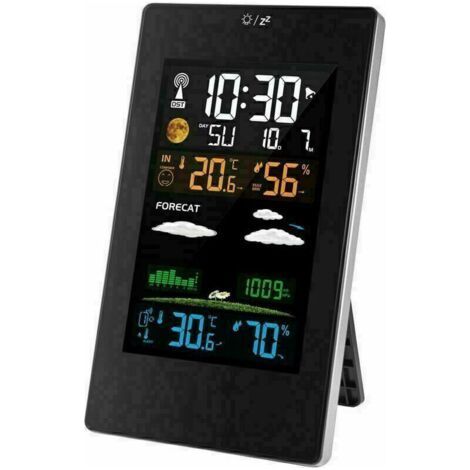
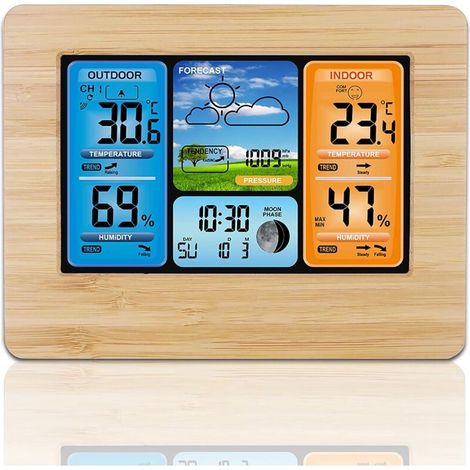
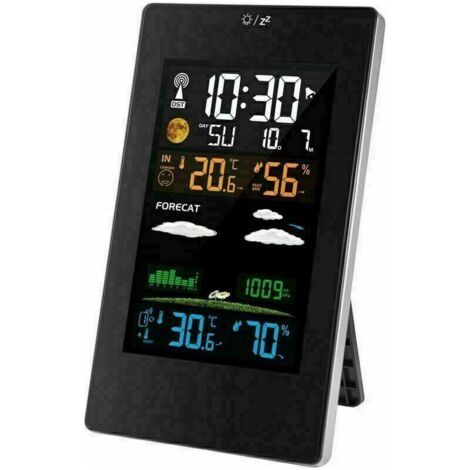
- beginner models provide atmospheric pressure, temperature, and weather forecasts for the next twelve hours;
- intermediate versions provide additional data such as hygrometry, precipitation, and wind speed;
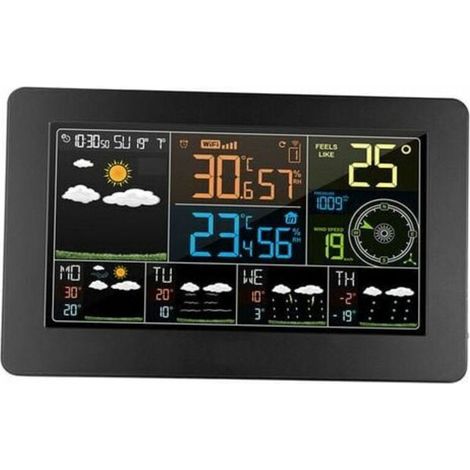
- semi-professional devices provide more detailed information such as the direction and strength of the wind, CO₂ and humidity levels, as well as a weather forecast for the next 3 days;
- references for professionals are more comprehensive and integrate software providing detailed information.
The models available are distinguished by their technology.
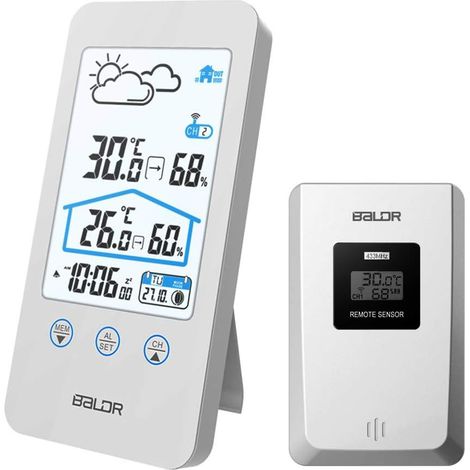
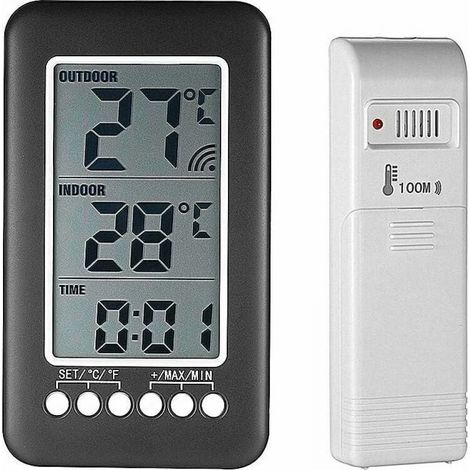
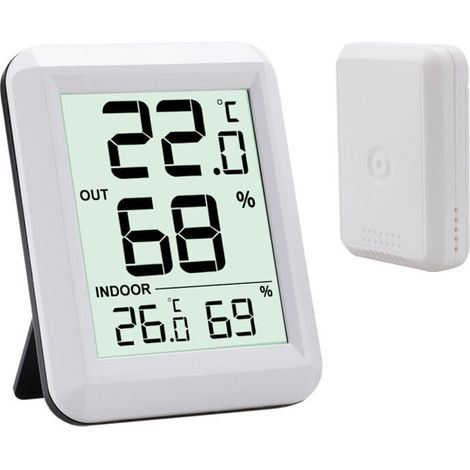
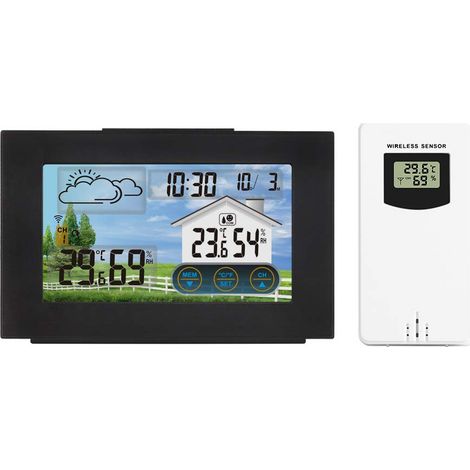
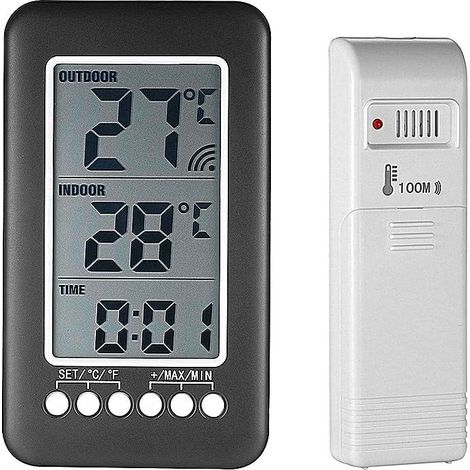
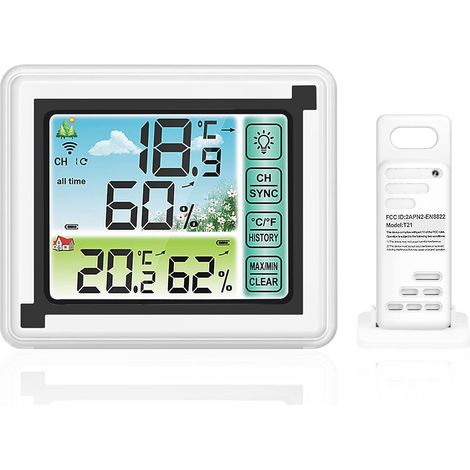
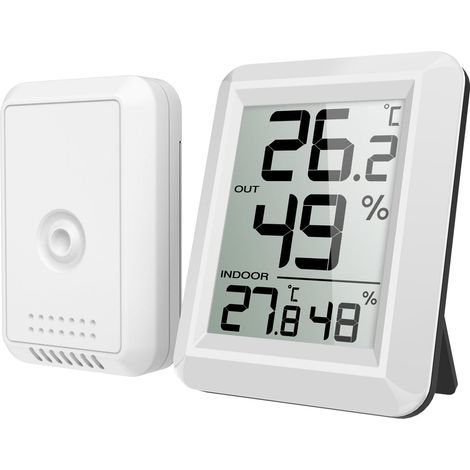
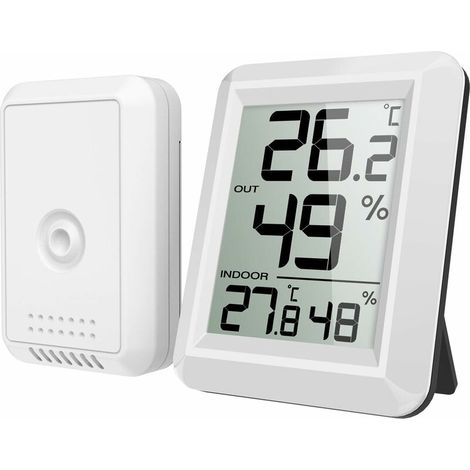
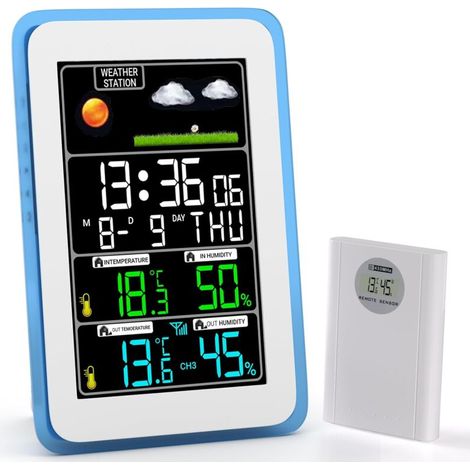
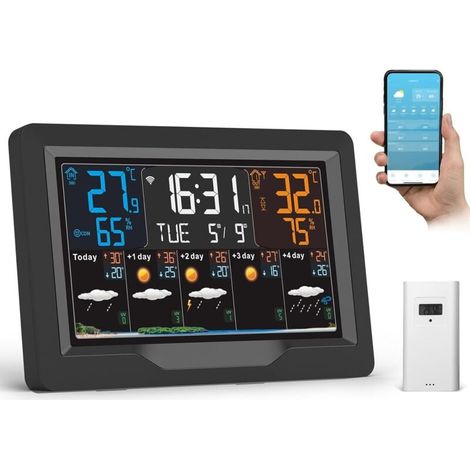
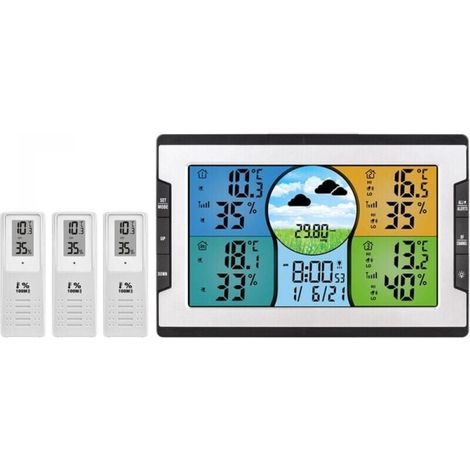
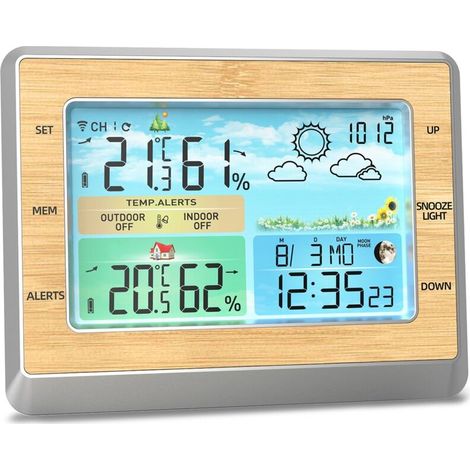
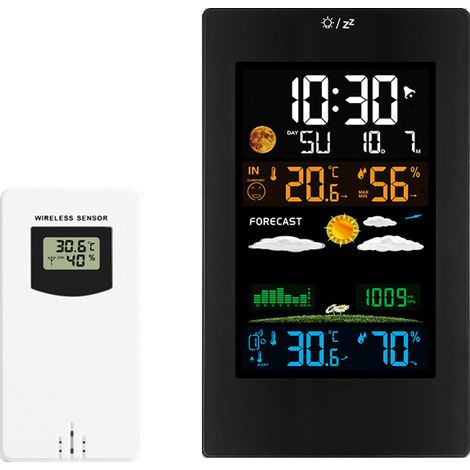
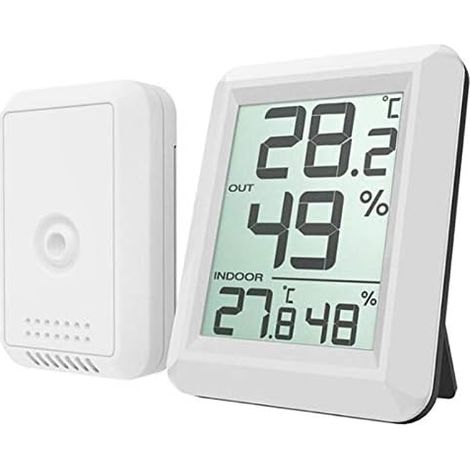
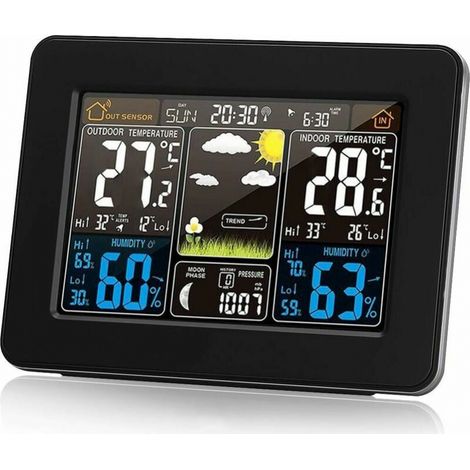
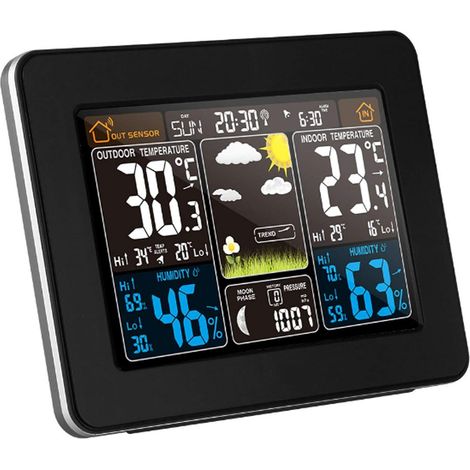
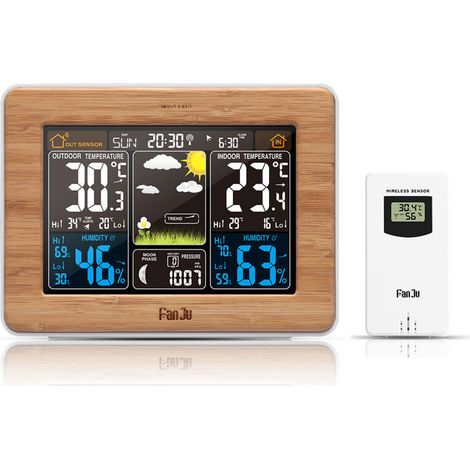
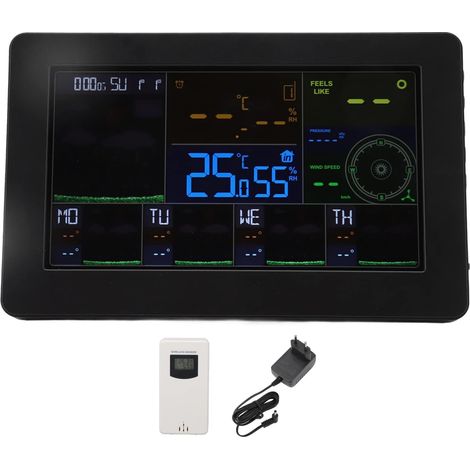
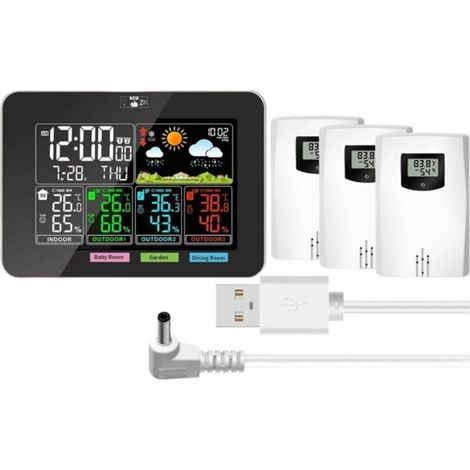
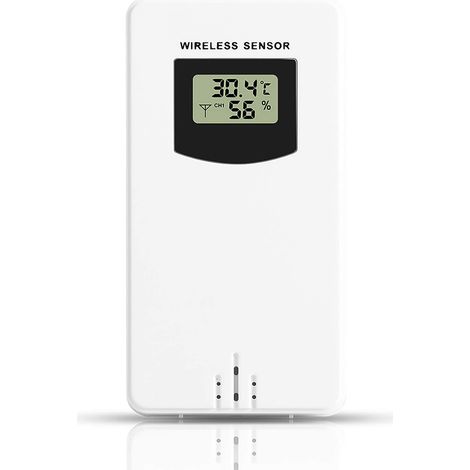
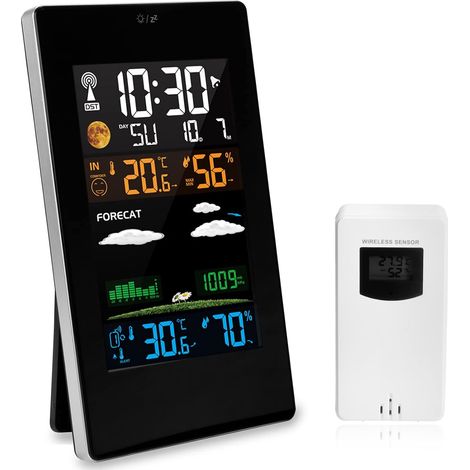
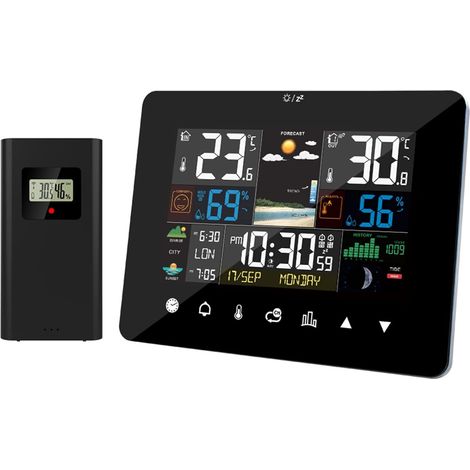
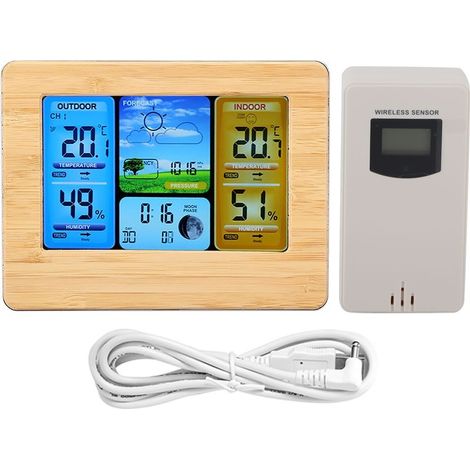
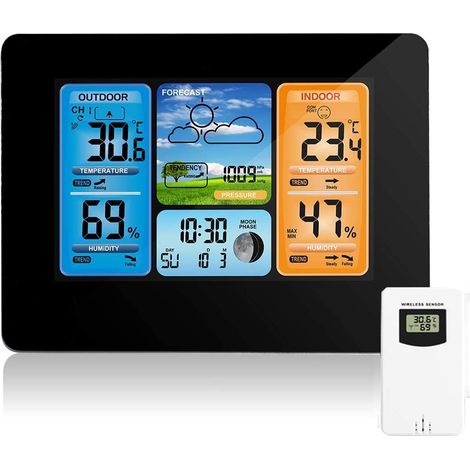
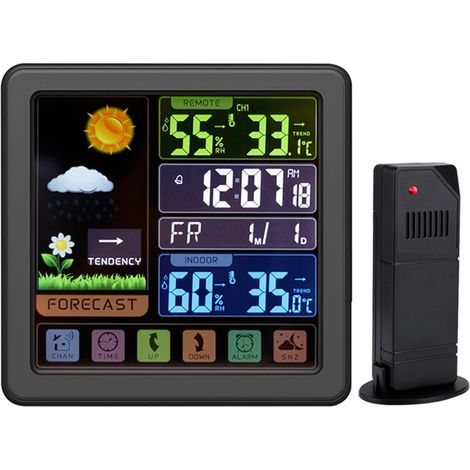
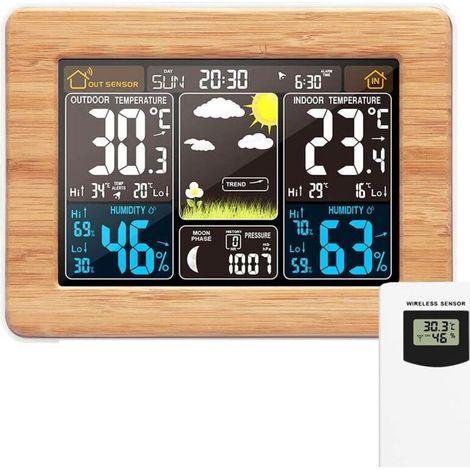
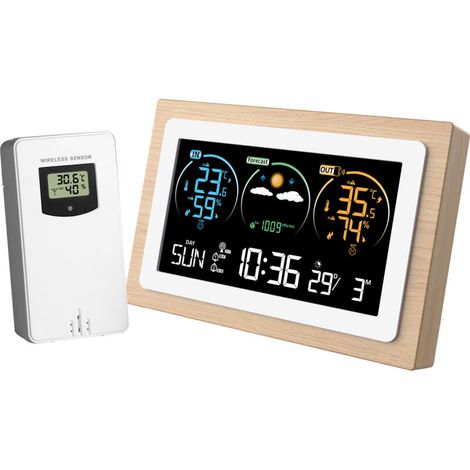
- The most common devices come with sensors to be installed indoors and outdoors. They display real-time readings.
- WiFi models are intended to be used within a well-defined area. They transmit and receive information broadcast by Star Weather or Météo France.
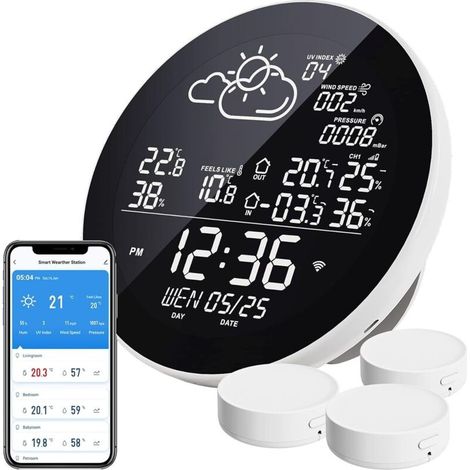
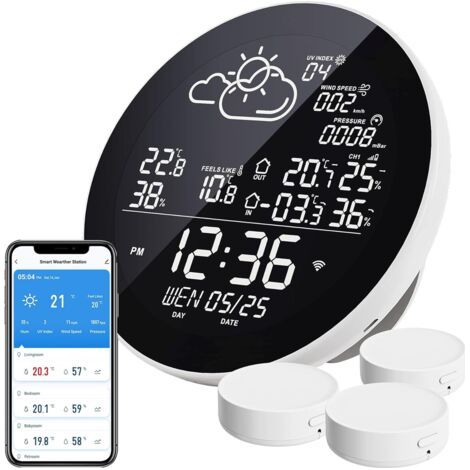
- Interconnected devices receive continuously updated data thanks to satellites. They can exchange information with smartphones or tablets.
Sensors are essential for taking measurements that allow the device to establish weather forecasts. They differ in their usefulness:
- the weather vane shows the wind direction;
- the anemometer indicates wind speed;
- the rain gauge measures precipitation;
- the thermometer gives the air temperature in the shade;
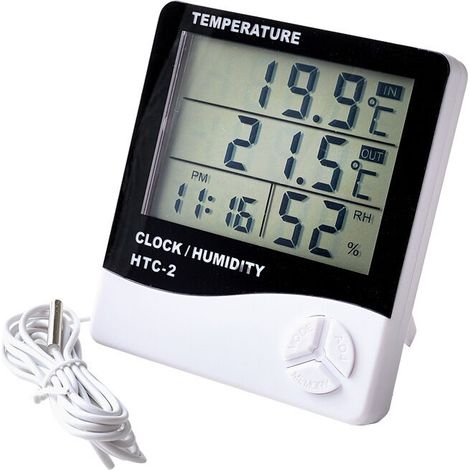
- the hygrometer measures the humidity level in the air.
Ultimately, the choice of a weather station depends essentially on its future use and the information sought. While sailing enthusiasts may need weather forecasts for more than 2 days, the needs of gardeners are more focused on the lunar phase and data on precipitation.












'/%3E%3C/svg%3E)
'/%3E%3C/svg%3E)