Wildflower seed mix buying guide
'/%3E%3C/svg%3E)
Guide written on 6 February 2024 by:
Albert, Manager of a gardening service
Important features
- Type
- Sowing
- Maintenance
Best sellers in this category
What is a wildflower seed mix?
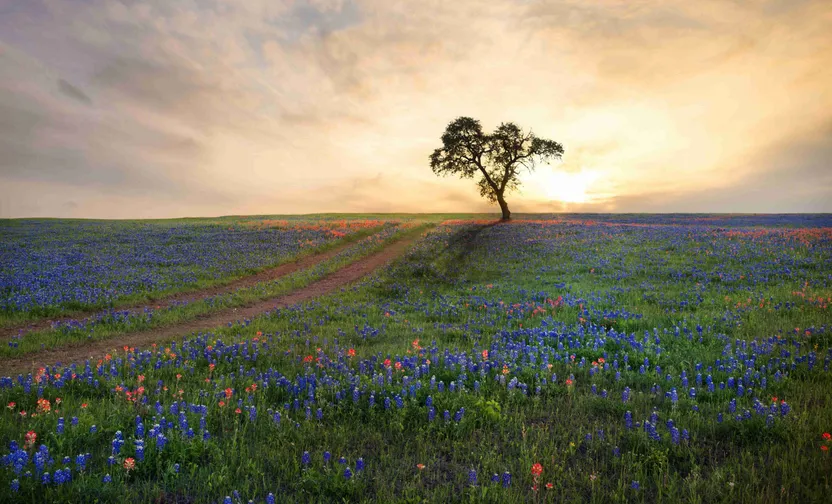
A wildflower mix is a mixture of several different types of wildflower seeds including annuals, biennials and perennials. It is used as an alternative to lawn seed to create beautiful cottage-style flower meadows. The plants included in flower mixes usually bloom during different times of the year meaning you can enjoy the flowers for a longer period of time than usual.
The space created by seeding this type of flower mix may be known under several different names including cottage garden or wildflower meadow. In any case, the principle remains the same. Wildflower mixes are all about creating a natural environment comprising a variety of colours and blooms with plants that naturally reseed themselves for minimal input from the gardener.
Shop our mixed flower seeds
Why sow a wildflower meadow?
There are several reasons to sow a wildflower meadow in the garden. Firstly, you'll reduce the size of the area you need to mow which is particularly handy if you have a large garden! Furthermore, wildflower meadows create a natural hub for biodiversity. They create a habitat for insects, birds and other small animals. Bees will be provided with a space to happily gather pollen.
Another interesting aspect of wildflower meadows is that they require very little maintenance. In fact, all that is required is a mow or trim once a year. Nevertheless, you should try to water your seeds for a few days after sowing until the seeds germinate and the young shoots reach several centimetres in height. Once you are past this early stage, stop watering entirely. Finally, the flowers add a lot of decorative interest. These seed mixes can be used to create a dedicated space for wildflowers in the garden.
Please note that it is possible to find flower seed mixes designed for specific purposes such as for planters, shaded spots or even to repel mosquitos.
Best sellers in this category
Different types of flower seed mixes
Wildflower mixes usually provide a fairly wide variety of flowering plants. Generally speaking, the selected plants are fast-growing, require very little care and will reseed by themselves. But flower seed mixes can be chosen for a specific purpose. For example:
perennial and annual flower seed mixes: these mixes are most popular and are typically used to create naturalised wildflower lawns or cottage-style meadows;
mosquito repelling plants: these mixes are made up of plants known for their mosquito-repelling properties;
bird-friendly seed mixes: these mixes are made up of seeds that attract birds;
planter seed mixes: these mixes are created especially for container growing which is a great option for patios or balconies;
bee-friendly seed mixes: the varieties included in these mixes produce flowers which are known to naturally attract bees;
shade, part shade or full sun flower seed mixes: the varieties in these seed mixes are chosen for their ability to handle low light and still provide blooms or decorative interest.
Please note that seed mixes can be chosen for a variety of different purposes or growing conditions. Be sure to choose the right mix for your requirements and ensure you pick wildflowers that are native to your area.
How to sow wildflower seeds
First of all, you need to pick a spot for your wildflower meadow. Next, you need to remove as many weeds as possible. To do so, you can use several techniques:
manual weeding using a garden claw, hand weeder or weeding knife;
lay a cover over the ground to deprive the weeds of light which should work to eliminate them within three to four weeks. It's best to use a special weed control fabric to mulch the soil so water is still able to reach the microfauna below;
turn the soil: physically challenging, this technique is best reserved for experienced gardeners. The idea is to expose the plant roots and bury the leaves under soil;
chemical weeding: weed killer is the most radical way to weed the garden. Please note that this method is extremely harmful for the environment and should be avoided;
hand weeding in patches over a lawn by hand (if you plan to sow seeds in a lawn).
Once you've got rid of the weeds, you will need to inject some air into the soil. To do so, you can used a spade, garden claw, broadfork or a cultivator for larger surfaces. Next up, you should level the soil using a rake. Once this is done, you should proceed to broadcast sowing the seeds by hand and tamping them down with the back of a shovel or using a lawn roller.
Lawn rollers
More information
You may be also interested in these guides
Guide written by:
Albert, Manager of a gardening service
For several years I have been running a garden service with a clientele of both individuals and companies. I manage a team of gardeners and ensure the creation and maintenance of green spaces. At the same time, I bring my expertise to my clients in terms of the maintenance and improvement of their gardens. In fact, as a trainee and working in the hospitality industry at the beginning of my career, I focused on landscaping in a local community where I acquired solid technical skills through in-house training and the follow-up of major projects in a rapidly changing town. On a personal level, I am equally oriented towards the art of gardening. With my wife, I created our garden from start to finish and I maintain it carefully, the same goes for the vegetable garden. As for DIYing, it’s not to be outdone. Yes, gardening is also tinkering: pergolas, huts, pavements, fences, and so on...There is always something to do in a garden. After working well together, my wife and I are proud of the result and delighted to be able to take full advantage of a friendly and warm environment. So, let us give you advice and help you in your choice of tools, maintenance, or the improvement of your garden, nothing could be simpler.
'/%3E%3C/svg%3E)