Filter by
Hedge trimmers
500+ productsGo for a blade length of 55 to 75cm if you have a tall, dense hedge. The hedge trimmer will be heavier but the task will be quicker and easier. Alternatively, choose a blade length of 40 to 50 cm.
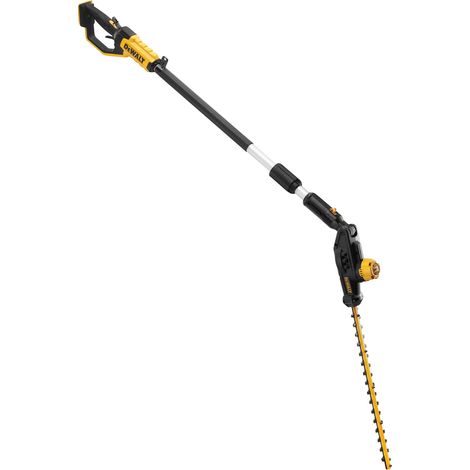
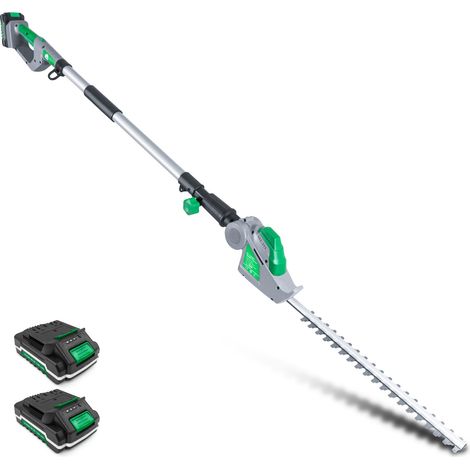

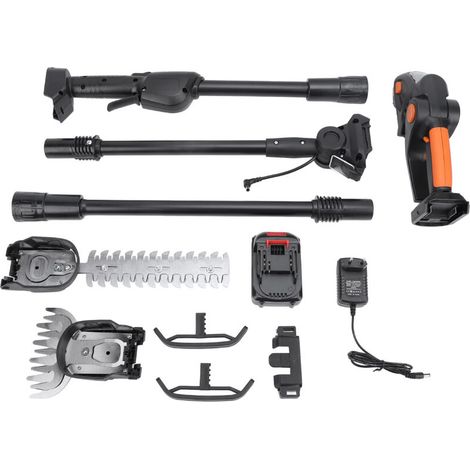
Gracious Gardens 18V 2.4m Cordless Electric Hedge Trimmer Long Reach 2 Batteries Included
9
Free shipping
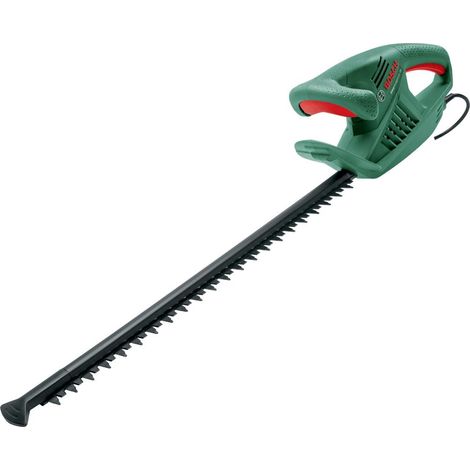

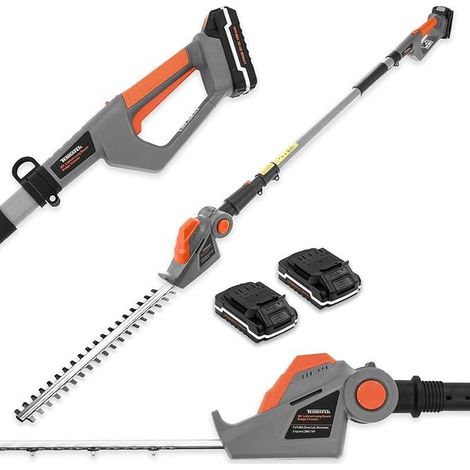

Terratek Cordless Hedge Trimmer Long Reach Bush & Shrub Cutter with 2 x 20V Li-Ion Batteries
24
Free shipping




2 options
#1 in sales
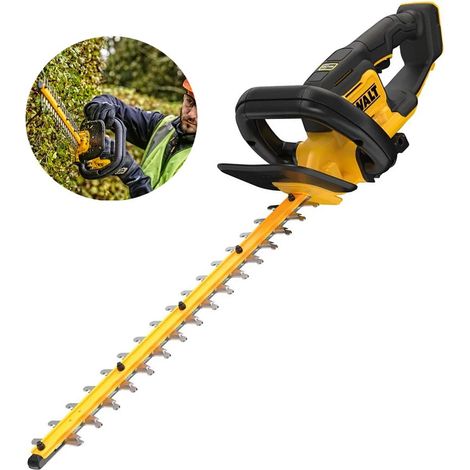
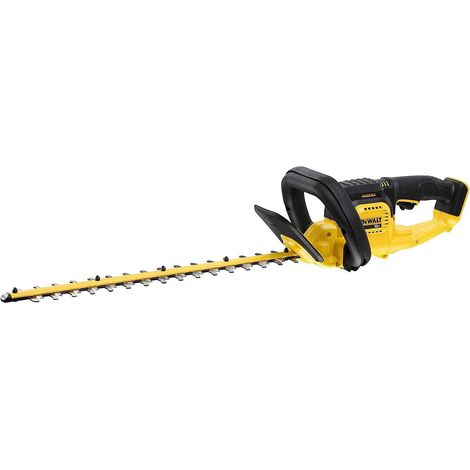
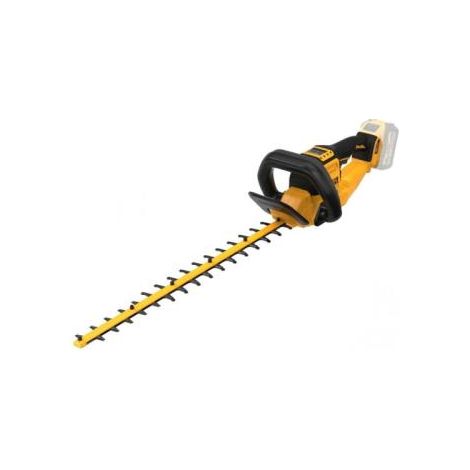
DeWALT DCMHT564N 18V XR 55cm (25mm Blade Gap) Hedge Trimmer - Bare Unit
6
Free shipping




#1 in sales
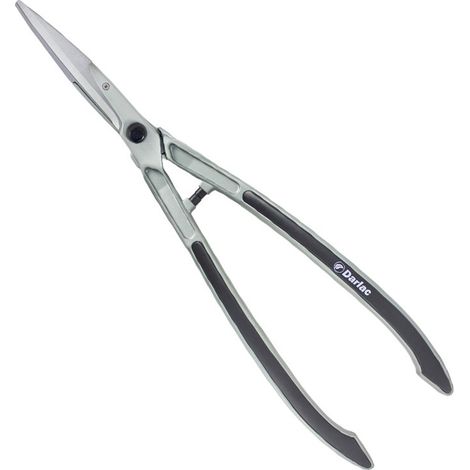
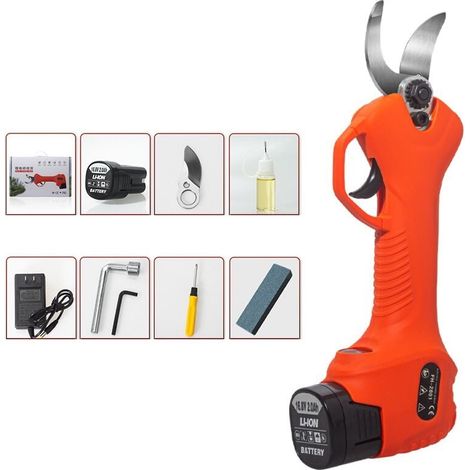
Darlac Garden Lightweight Hedge Shear Pruner Trimmer Cutter 8"" DP400 Long Handle
10
Free shipping
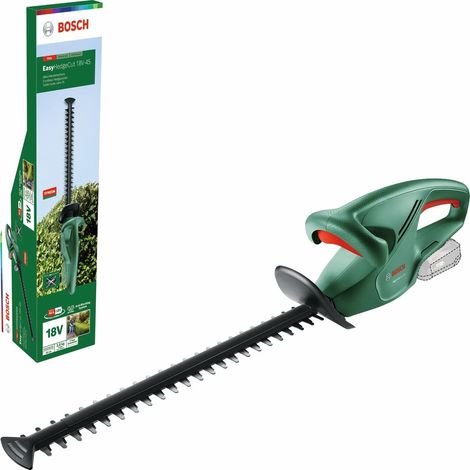
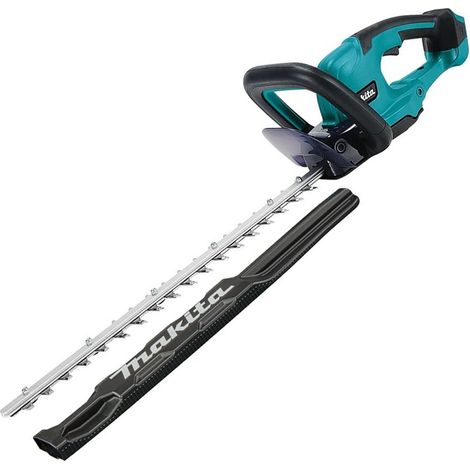
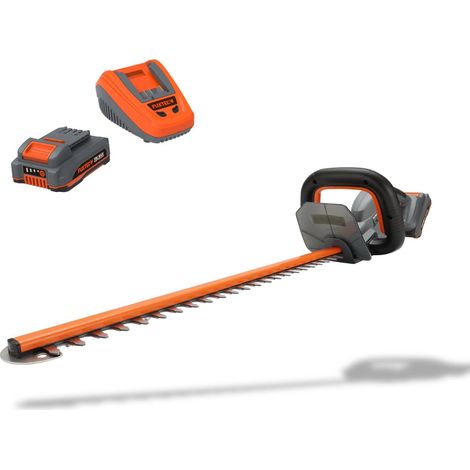
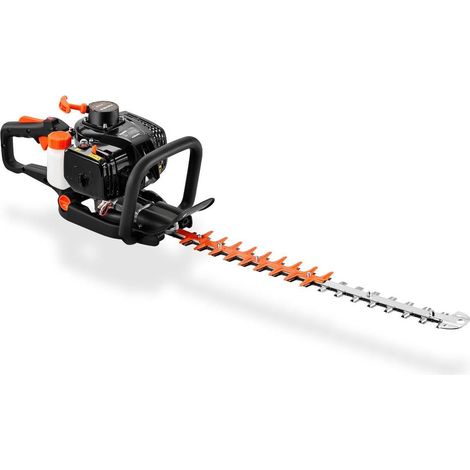
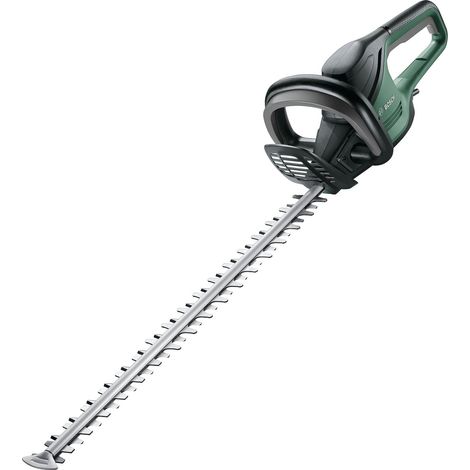
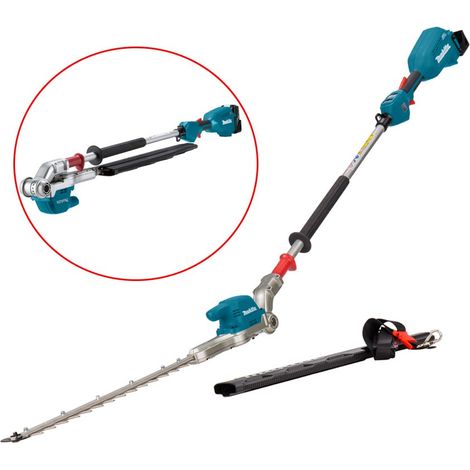
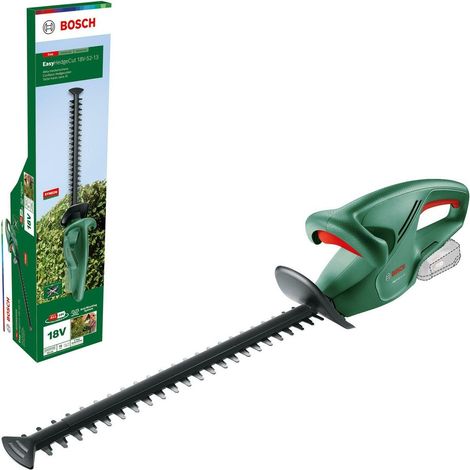
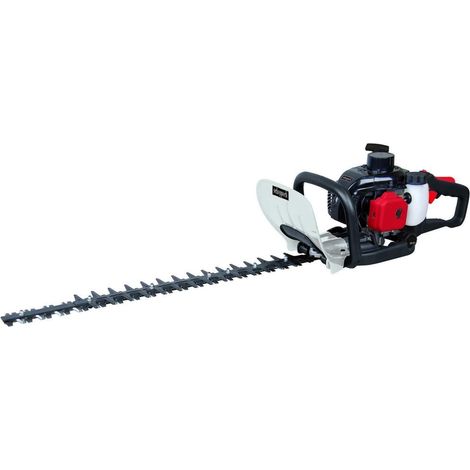


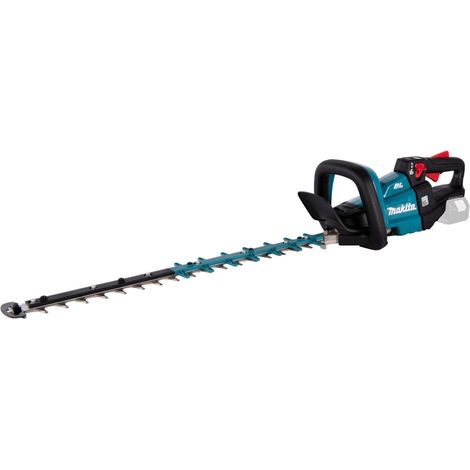
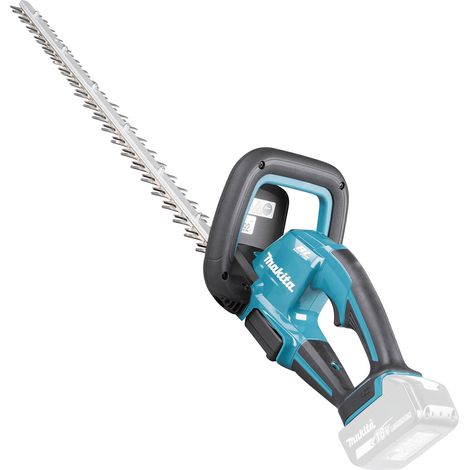
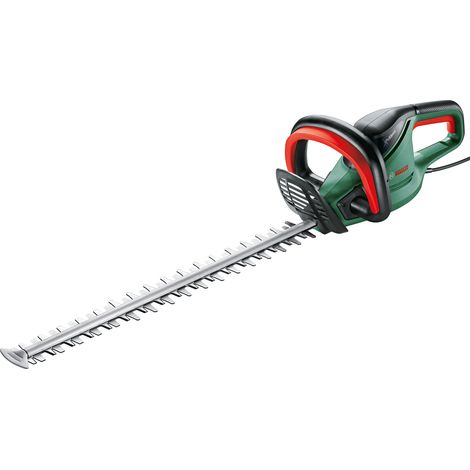
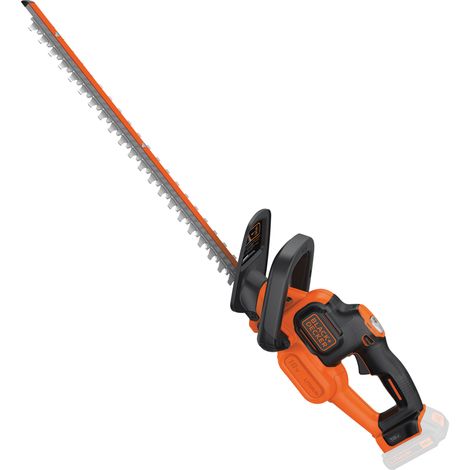
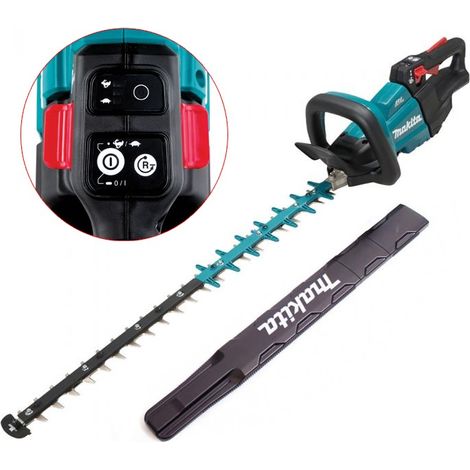
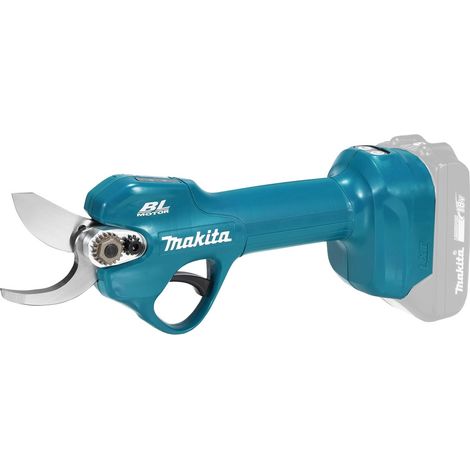
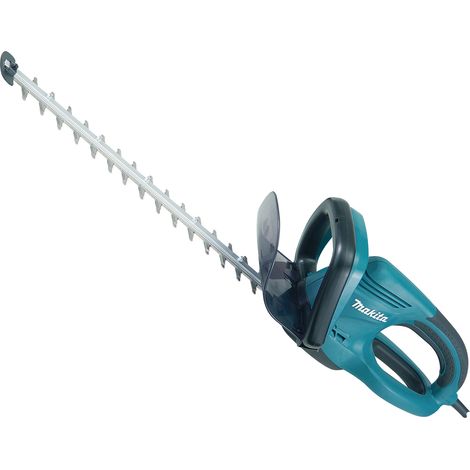
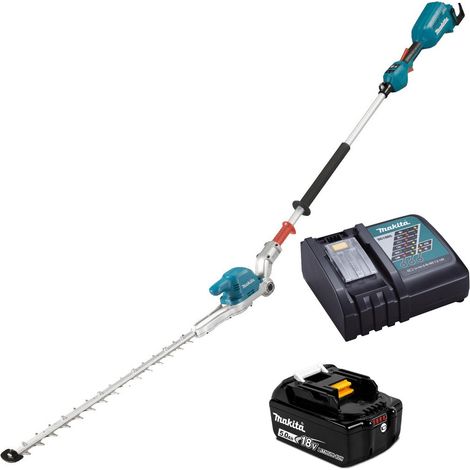
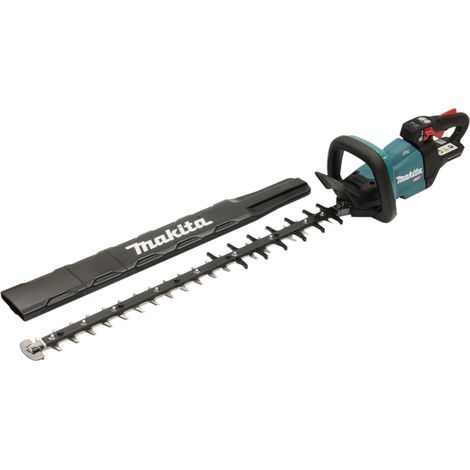
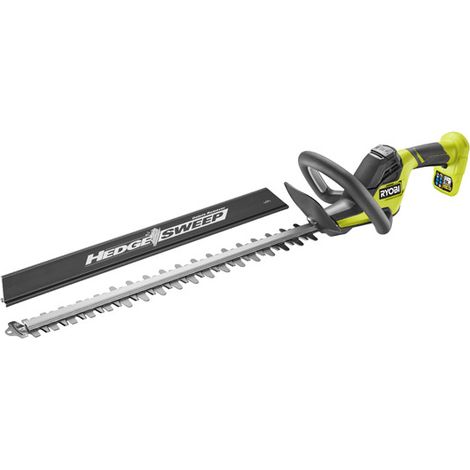
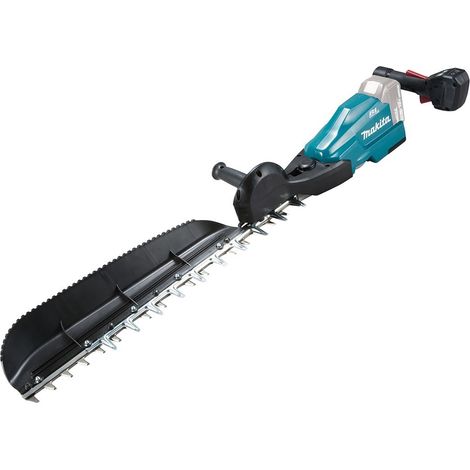

Makita DUH604SZ LXT 18v Li-Ion Brushless Single Sided Hedge Cutter Trimmer 60cm
3
Free shipping
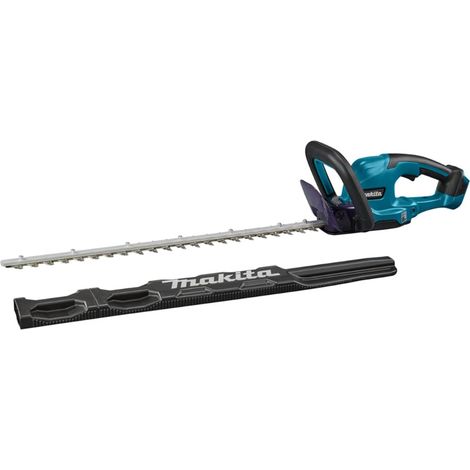
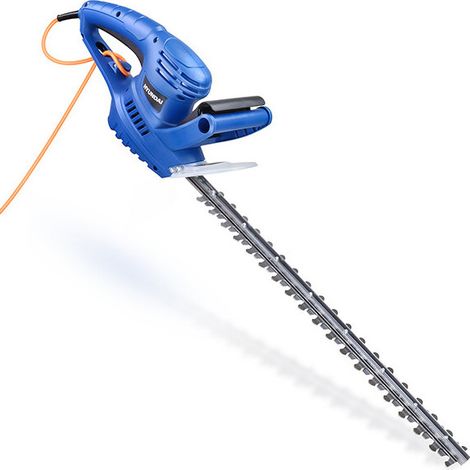

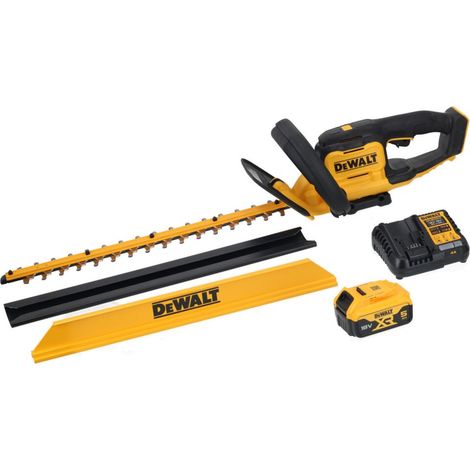
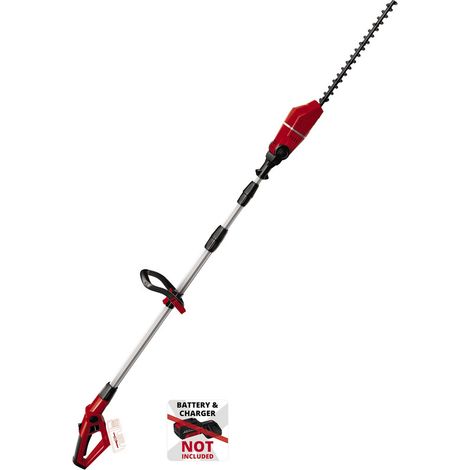

Einhell 18V Cordless Long Reach Hedge Trimmer GE-HH 18/45 Power X-Change - Bare
32
Free shipping
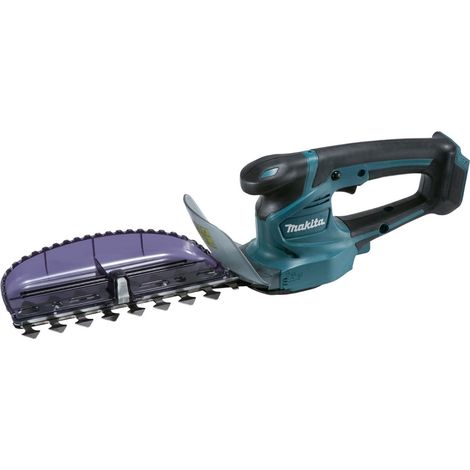
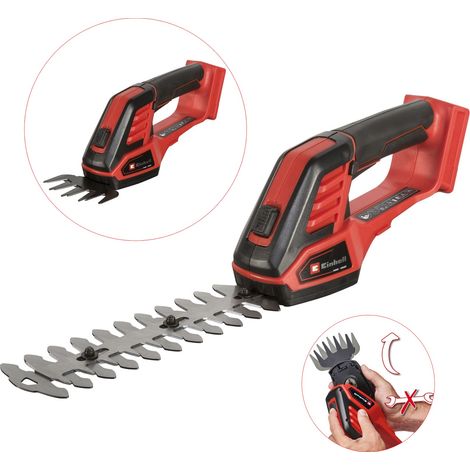
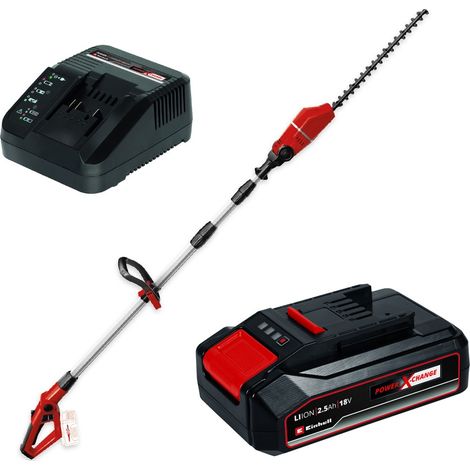
Einhell GE-HH 18/45 18v Telescopic Cordless Pole Hedge Cutter Trimmer Long 2.5ah
Free shipping
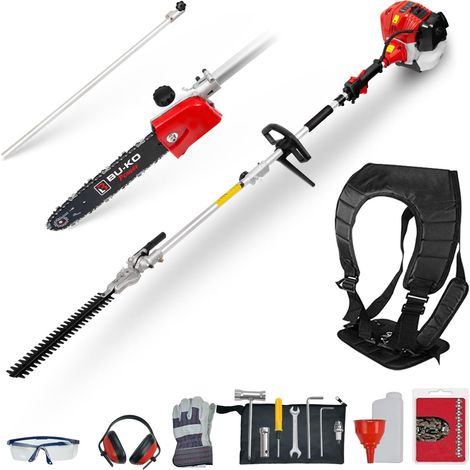
4 options
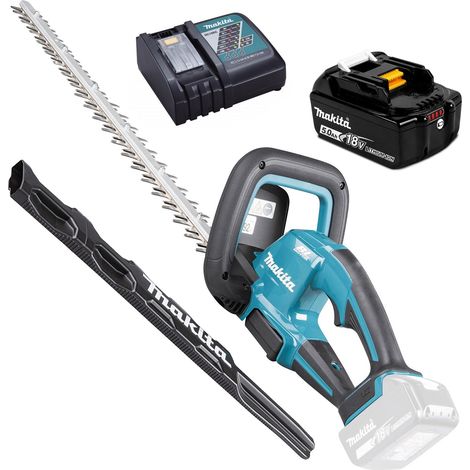
Makita DUH606RT 18V LXT BL Brushless Motor 60cm Hedge Trimmer 600mm 5ah Battery
6
Free shipping

'/%3E%3C/svg%3E)
Hedge trimmer buying guide
Advice from our experts
Narrow down your search
Narrow down your search
Other categories for you
'/%3E%3C/svg%3E)