Arc welding refers to a generic welding method that uses the electric arc to raise the temperature of the metals to be joined up to the melting point. This mainly involves a particular mode of the welding machine. Note that during this operation, the electrode melts along with the pieces to be welded, which is not the case for brazing.
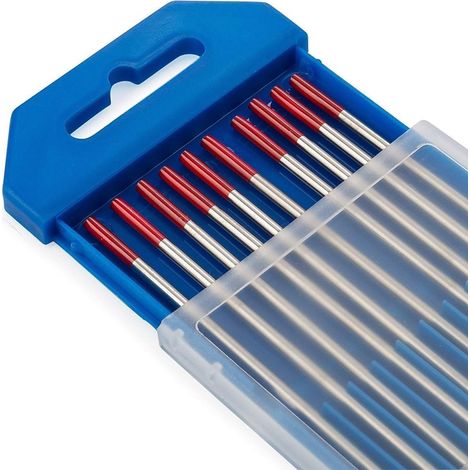
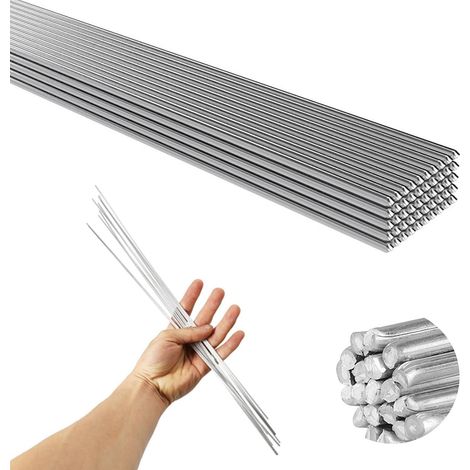
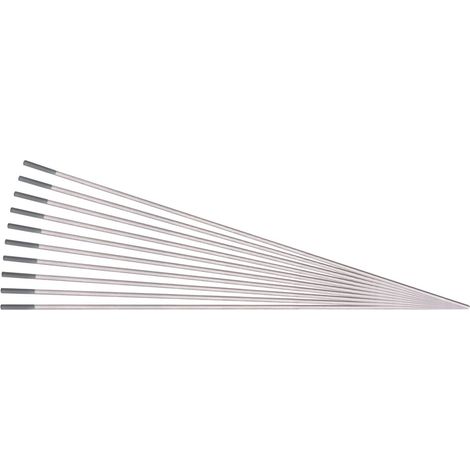
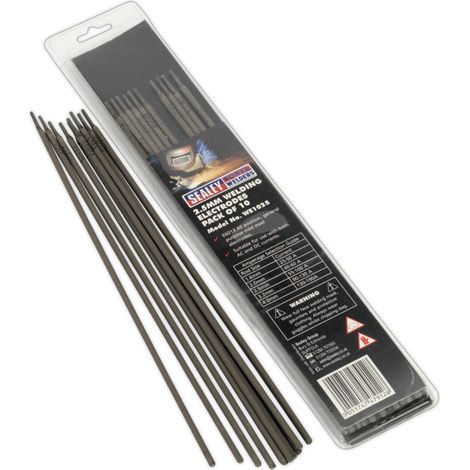
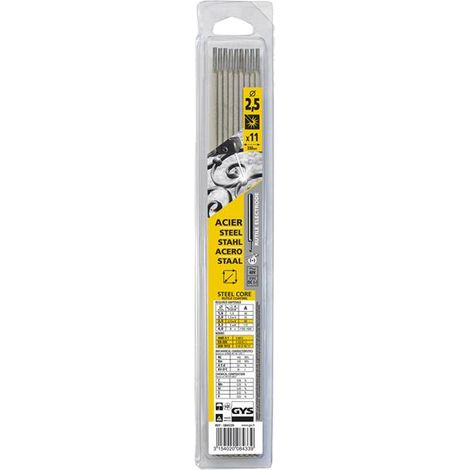
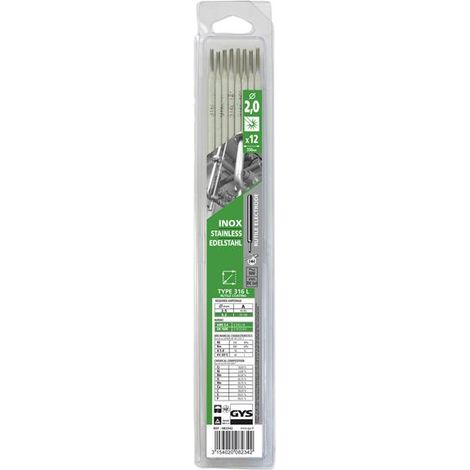
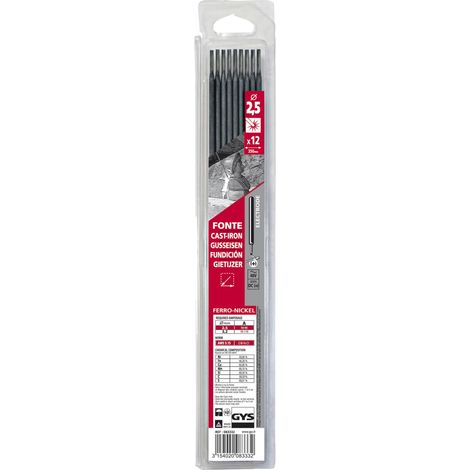
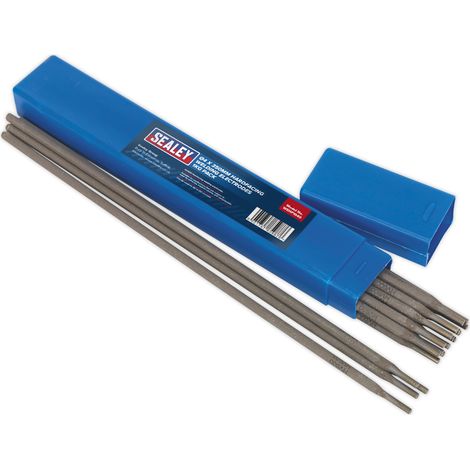
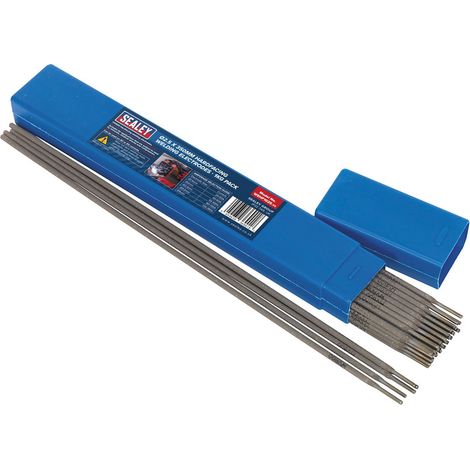
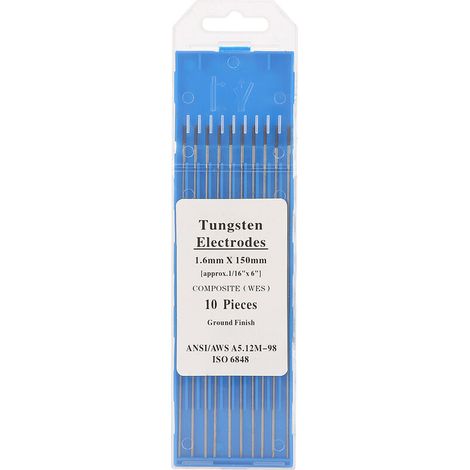
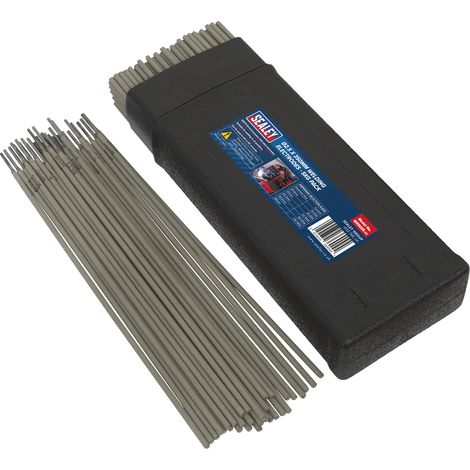
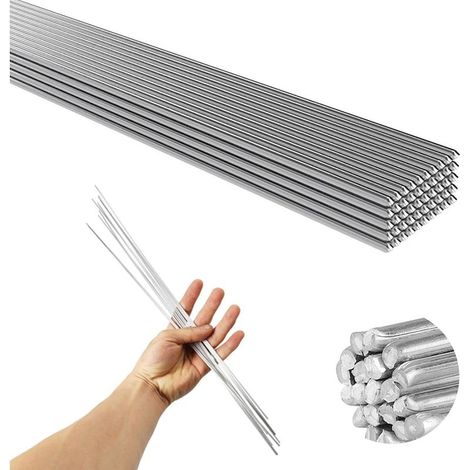
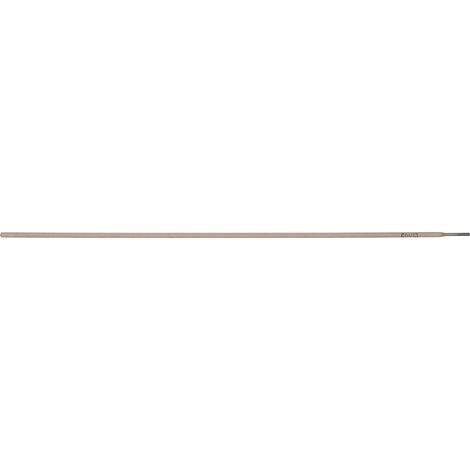
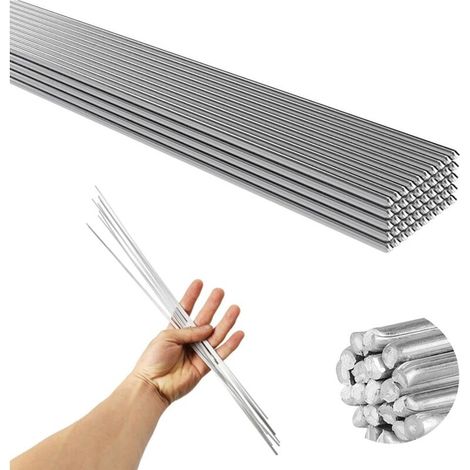
In this technique, the welding machine delivers a current (alternating or direct); the piece to be assembled is connected to one pole while on the second, an electrode carries the electricity. The welder then maneuvers the electrode holder to bring it close to the surface of the pieces to be joined. The resistivity of the metals through which the voltage travels creates heating up to the temperature required to bond the metals and the fusible electrode. The diameter and length of this tool are determined by the size of its core (the central part). By melting under the electric arc, the coating contributes to the formation of a protective slag on the weld bead. This slag ensures protection against the oxygen in the ambient air during the cooling of the weld pool. Once this step is completed, this layer will be removed using a chipping hammer. Finally, among the different types of arc welding electrodes, one can notably cite those made of pure nickel-cast iron from the brand SELECTARC. This type of object generally has a basic graphite coating giving a pure nickel deposit. Furthermore, the use of this tool helps reduce the risk of cracks in the base metal, making it practical for engine block repairs among others.











'/%3E%3C/svg%3E)
'/%3E%3C/svg%3E)