The world of pumps is vast, ranging from simple gardening watering pumps to sophisticated submersible pumps for more industrial applications. Each type of pump has a specific function, and its selection depends on the specific needs of the pumping installation.
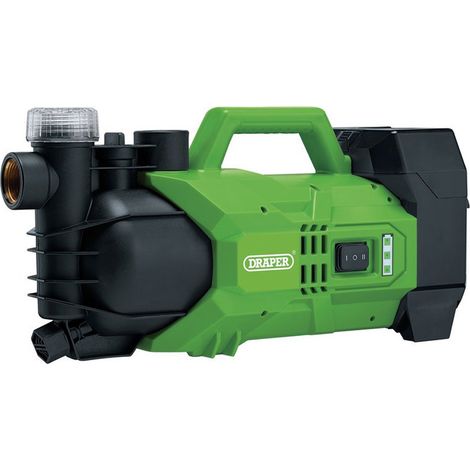
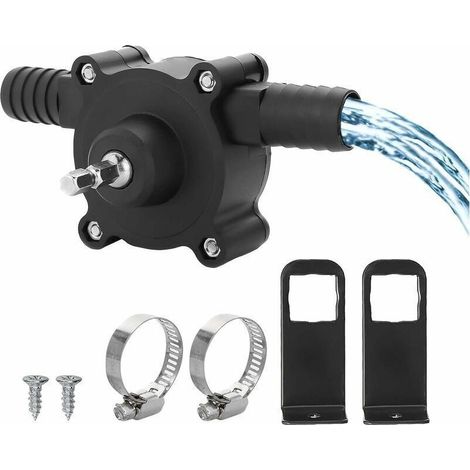
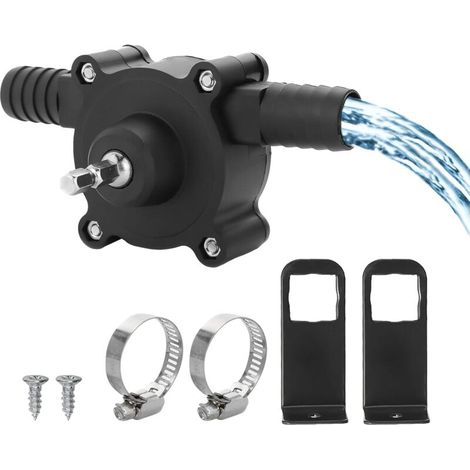
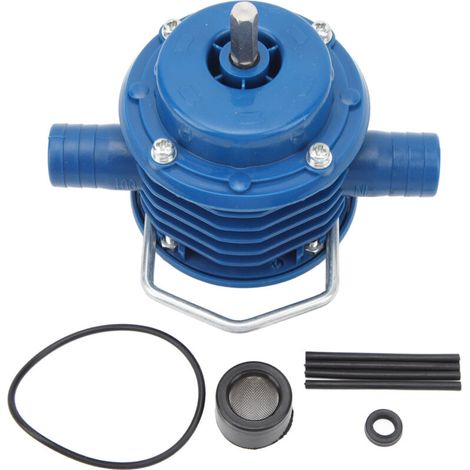
The surface pump is a common choice for gardening. It enables the supply of water to an irrigation system, whether for a garden or a pond. Some garden pumps are self-priming, meaning they do not need to be filled with water before starting to pump, thus offering increased ease of use.
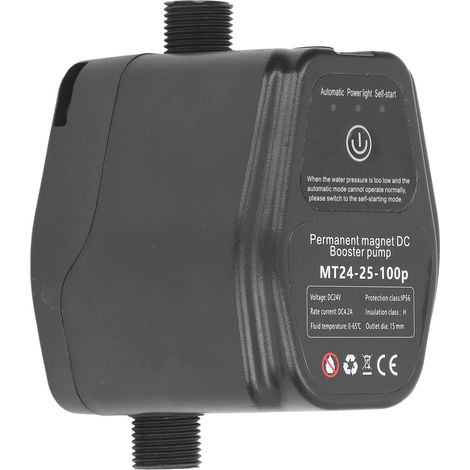
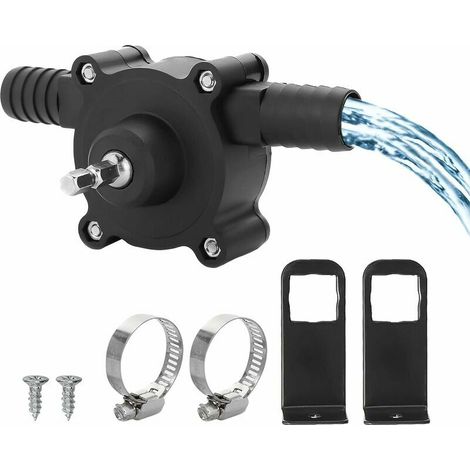
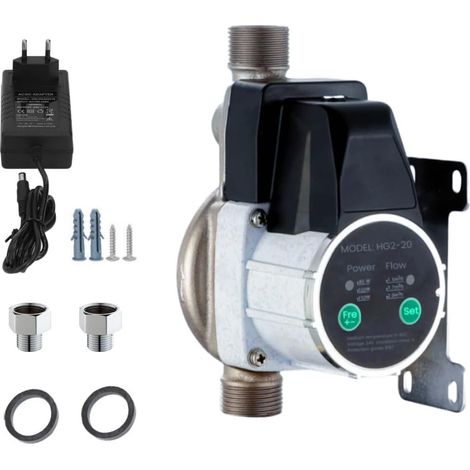
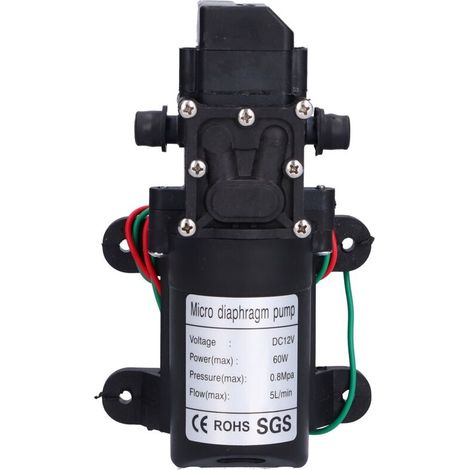
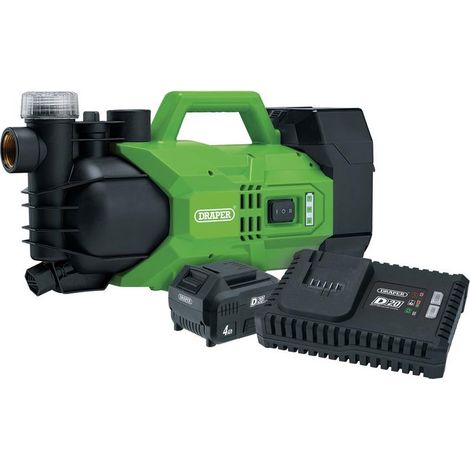
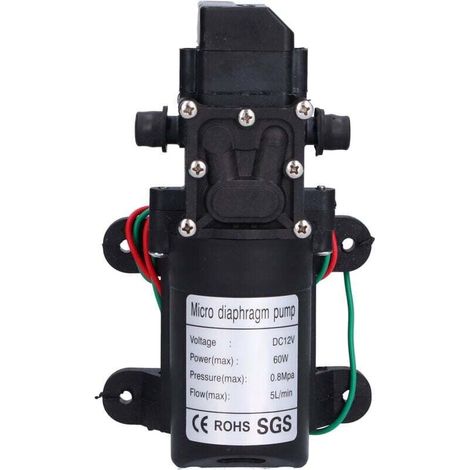
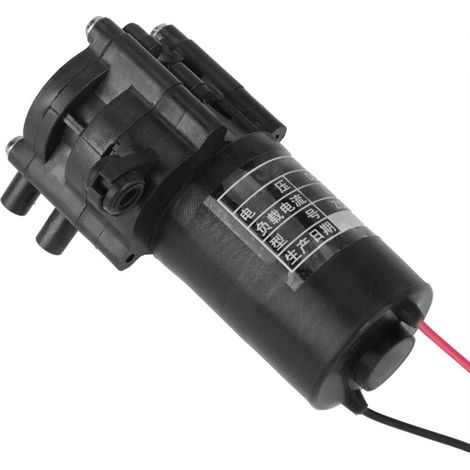
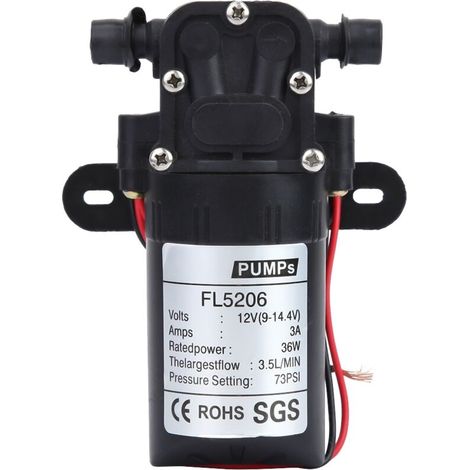
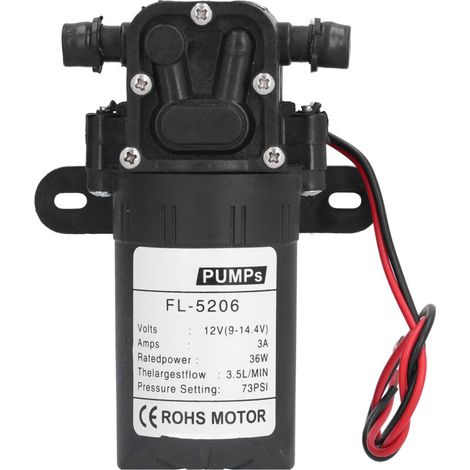
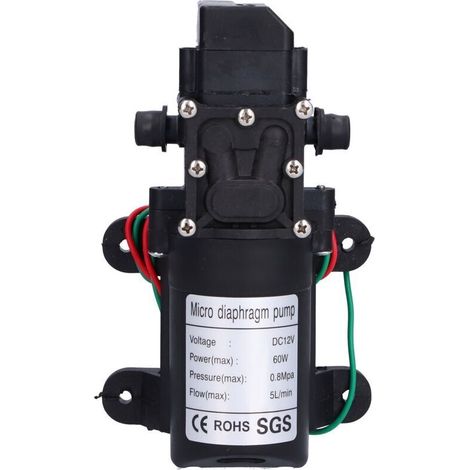
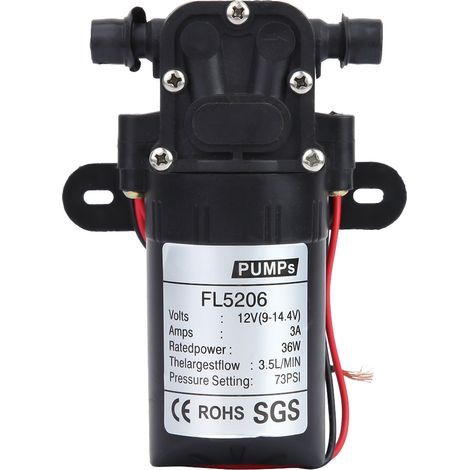
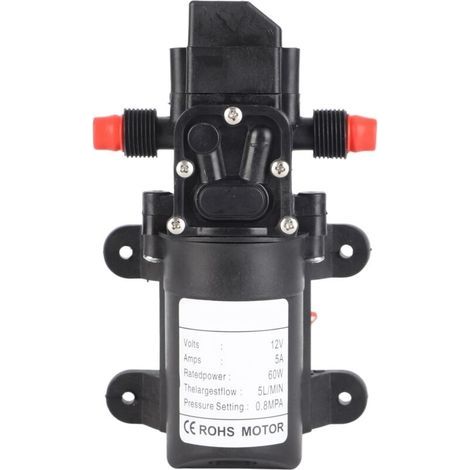
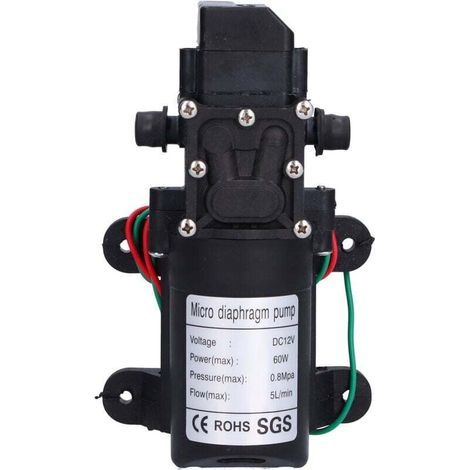
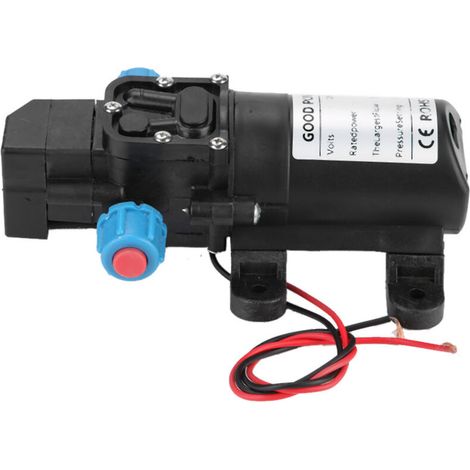
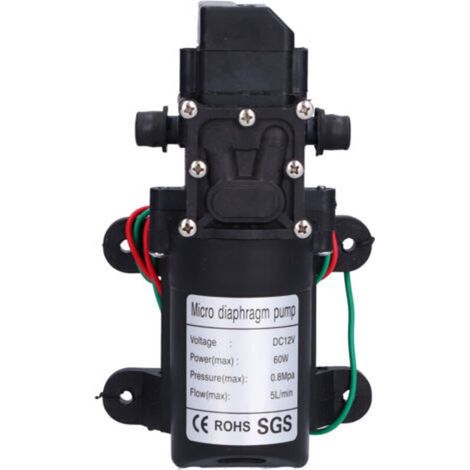
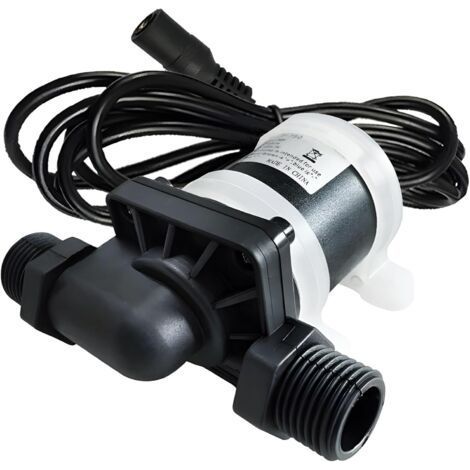
- The electric pump, powered by a pump motor, is frequently used in various liquid transfer applications. Its ability to provide a constant water flow and water pressure makes it ideal for irrigation systems, among others.
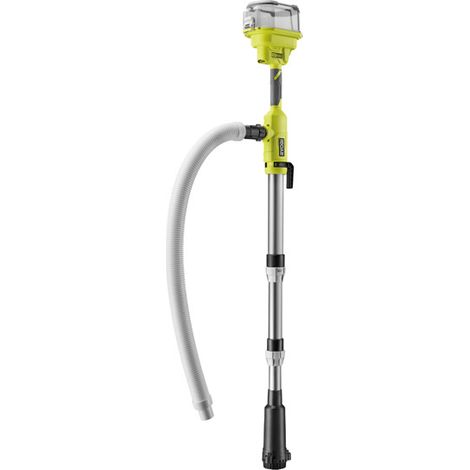
- The evacuation pump and suction pump are often used in emergency situations or to manage wastewater. They are designed to quickly extract a large volume of water from one place and move it to another.
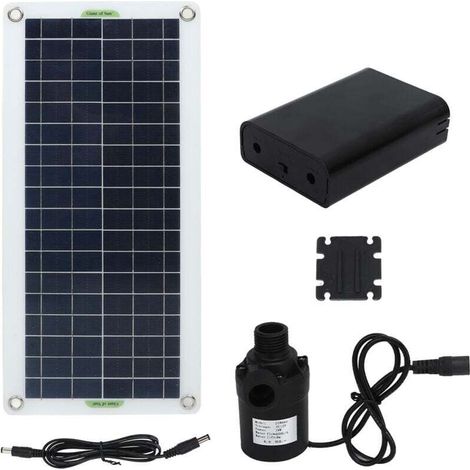
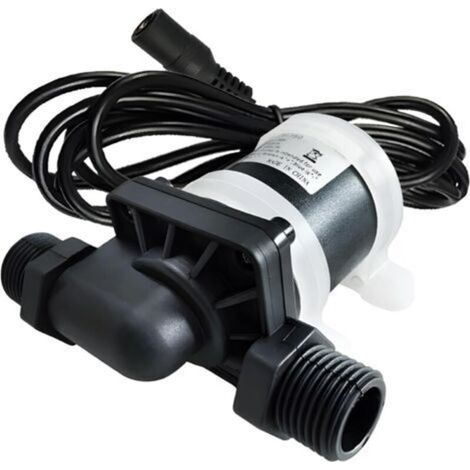
- For more specific applications, such as drawing water from a well, a submersible pump or well pump may be necessary. These pumps are designed to operate underwater and can often reach depths that surface pumps cannot.
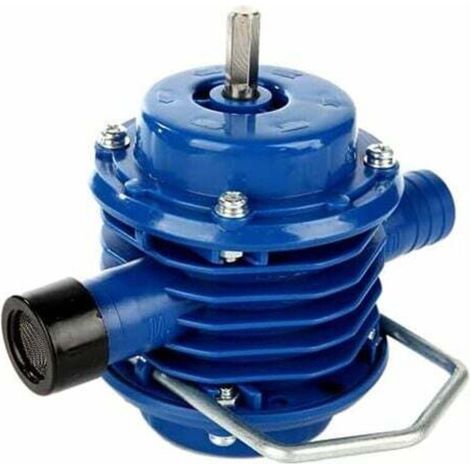
- The centrifugal pump is another common type of water pump, generally used in applications requiring high levels of pressure. These pumps use centrifugal force to move water through the pumping system.
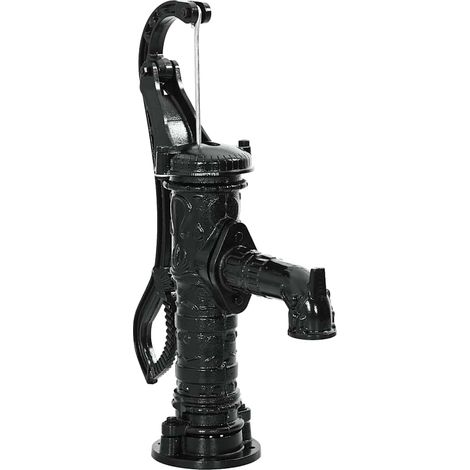
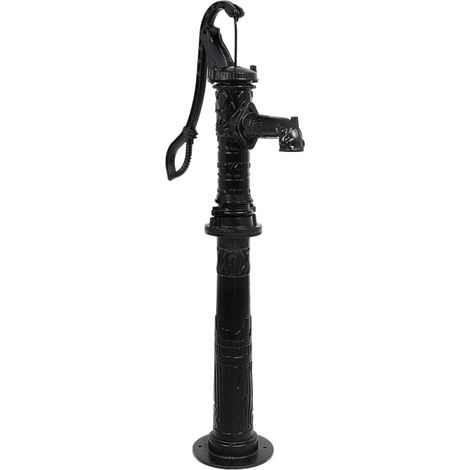
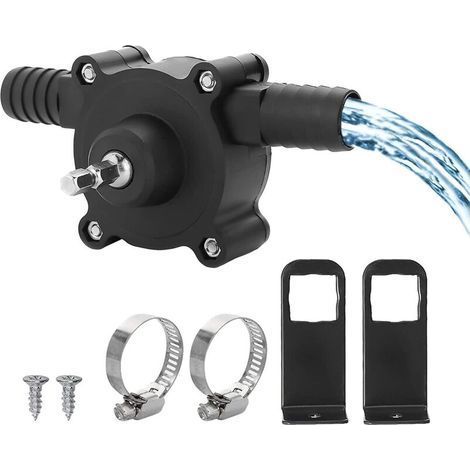
- In some cases, a manual pump may suffice, especially if electricity is not available. Although it requires more work, it can be useful for simple tasks like watering the garden.
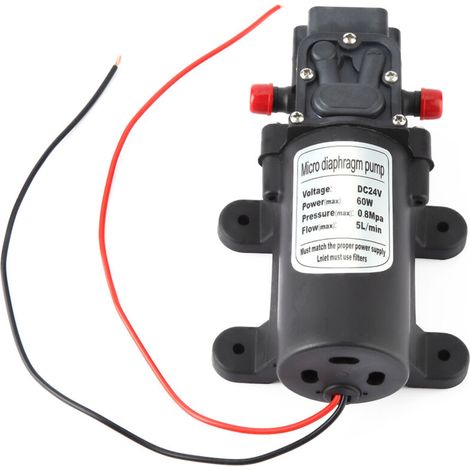
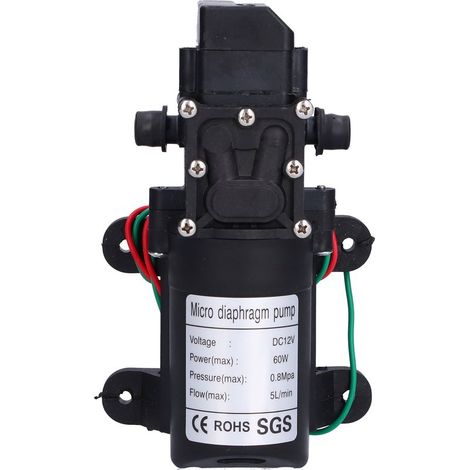
Regardless of the type of pump chosen, its maintenance is crucial to ensure its longevity and efficiency. This may involve regular cleaning of the suction hose, checking the check valve to ensure it is functioning properly, or examining the diaphragm pump, if present.
Regarding the selection of the pump, the choice of a surface pump is based on several key features that need to be determined accurately for the pump to operate optimally:
- The discharge height represents the vertical distance in meters that separates the pump from where the water will be discharged.
- The length of the discharge hose, on the other hand, is the horizontal distance between the pump and the discharge point.
It is crucial that the pump's flow rate and pressure match the requirements of your irrigation system.
Often, the specifications of a surface pump are consolidated by manufacturers under the concept of Total Manometric Height (TMH). TMH is determined by adding the discharge height (in meters), pressure (where 1 bar is equivalent to 10 meters), and the length of the discharge hose (in meters). The result is then given in meters of water column (mWC). If the required flow rate is unknown, an average flow rate of 1 m3 per water point may be adopted as a reference.
It is important to note that the suction capacity of a surface pump is limited to 8 meters. For greater depths, the use of a submersible pump is recommended. In addition, it is necessary to take into account the granulometry, or particle size, of the water to be pumped:
- 5 mm for clear waters;
- 5 to 20 mm for charged waters;
- more than 20 mm for highly charged waters.
The surface pump can also be offered in various configurations to meet specific needs:
- Multi-stage (or multistage) for increased performance;
- Stainless steel for superior durability;
- Self-priming for ease of use;
- With a safety against water shortage.
The surface pump is most often associated with a garden pump and pumps water from a well for irrigation purposes.
To learn more:
- How to choose your surface pump?










'/%3E%3C/svg%3E)
'/%3E%3C/svg%3E)