A cage for rodents is useful for housing a hamster, a dwarf rabbit, a gerbil, a guinea pig, or even a rat. Made of wood, glass, or plastic, with or without bars, this accessory comes in various models to meet the needs of each animal.
Rodent cages are made from different materials.
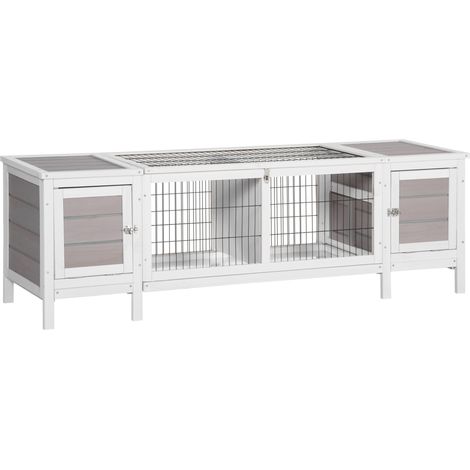
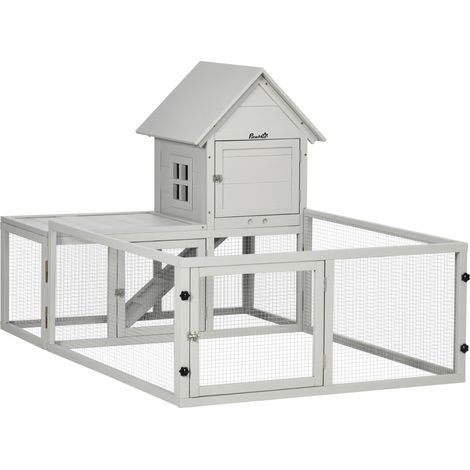
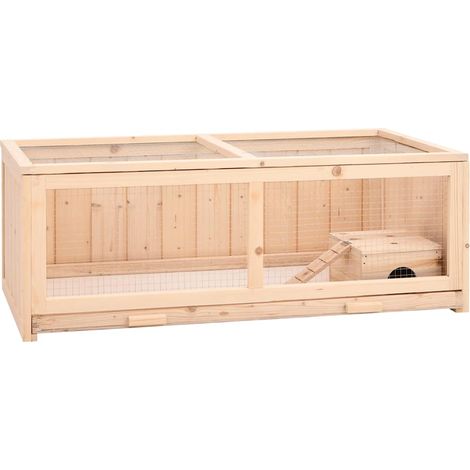
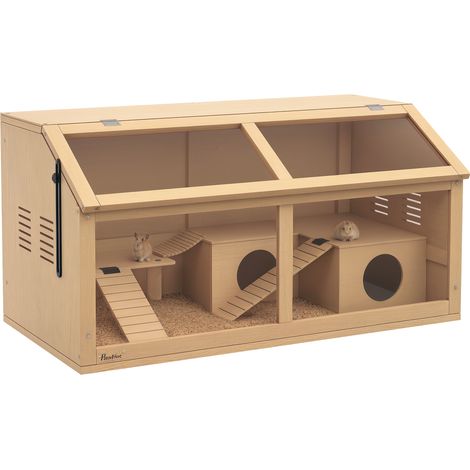
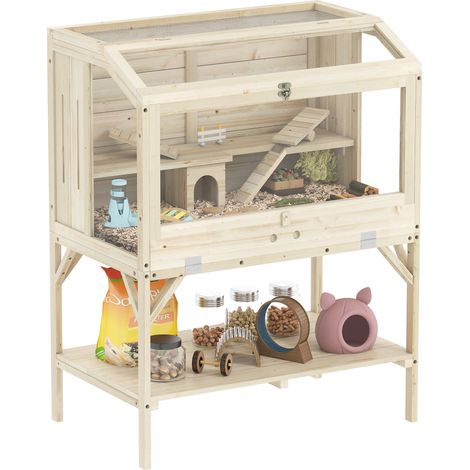
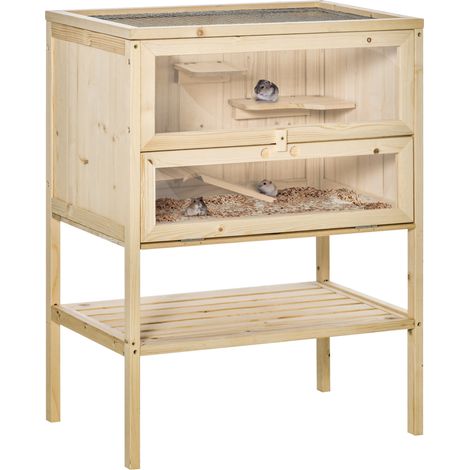
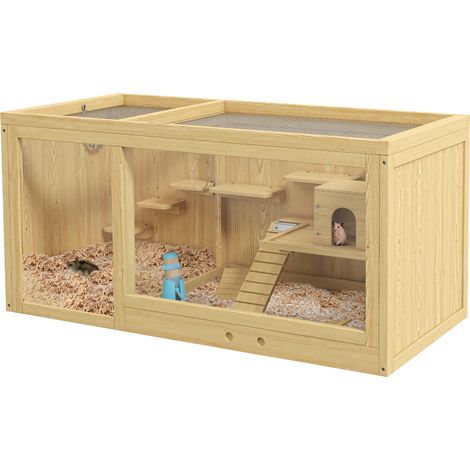
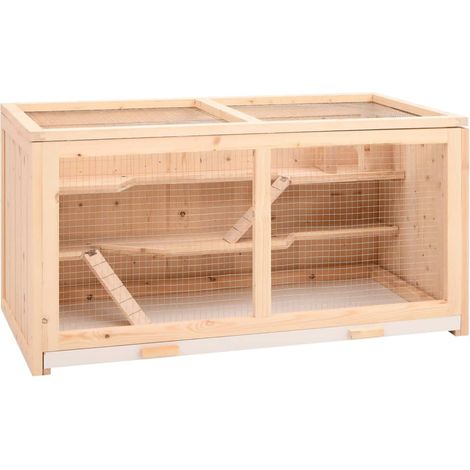
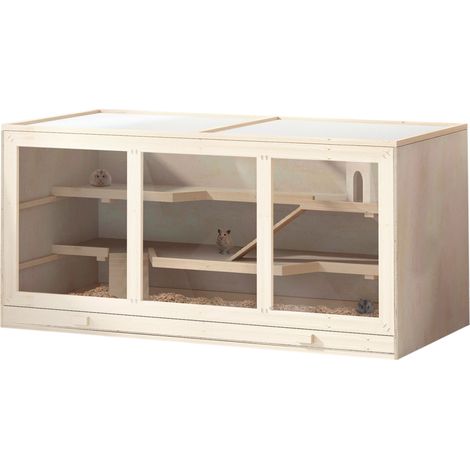
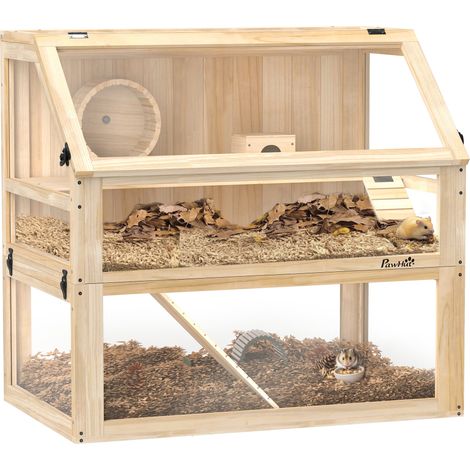
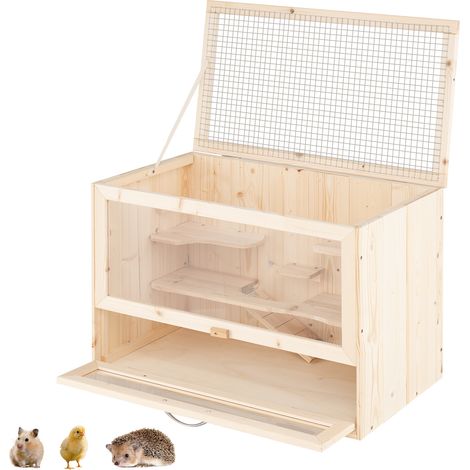
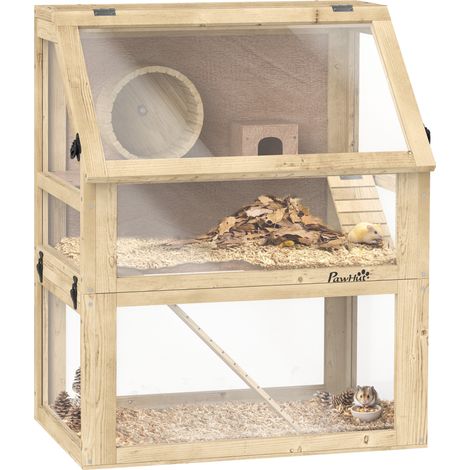
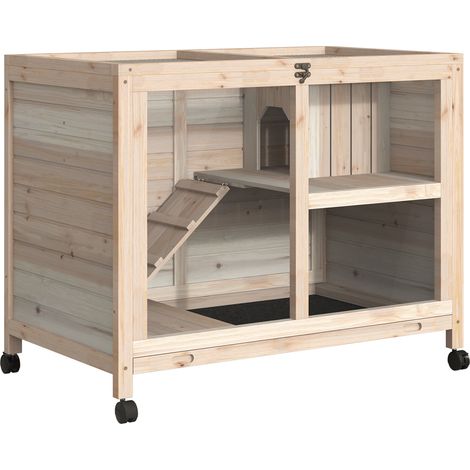
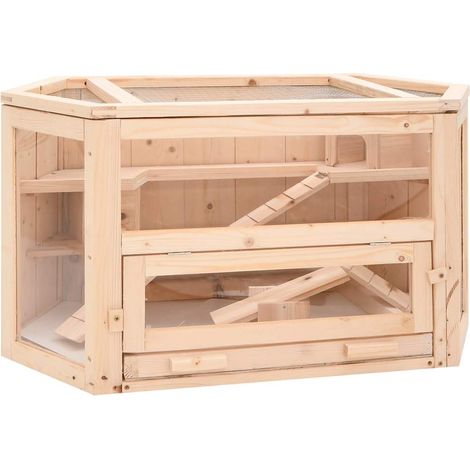
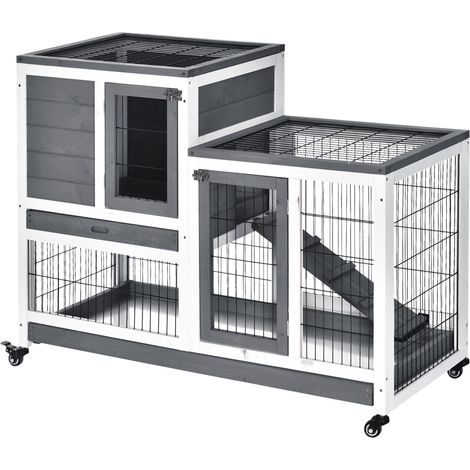
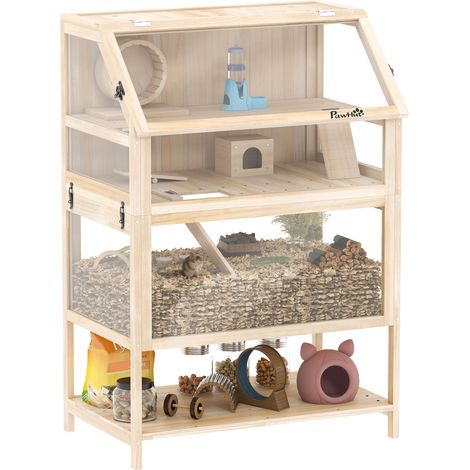
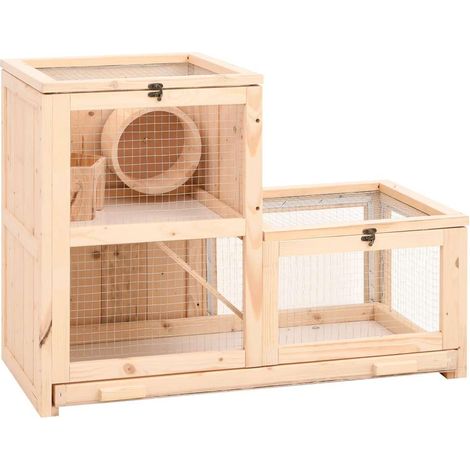
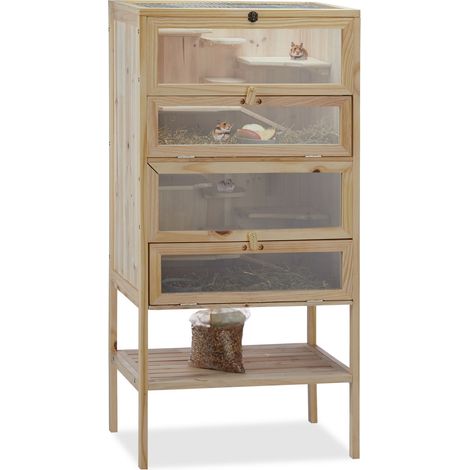
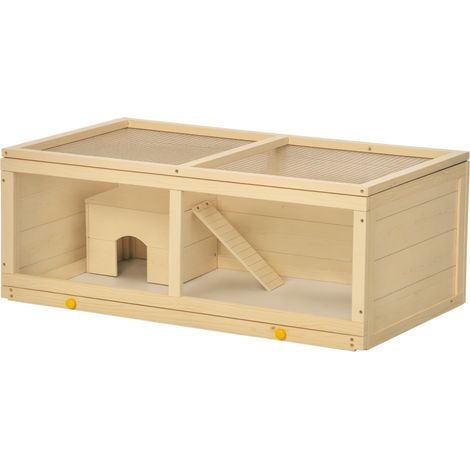
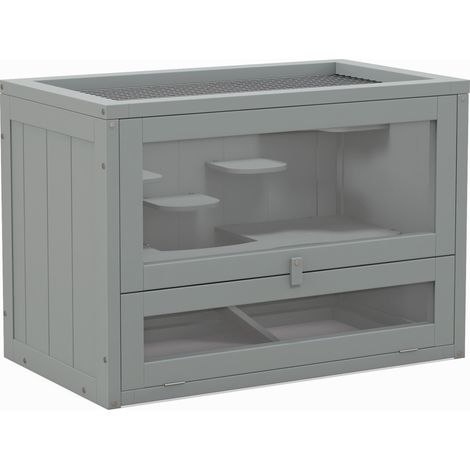
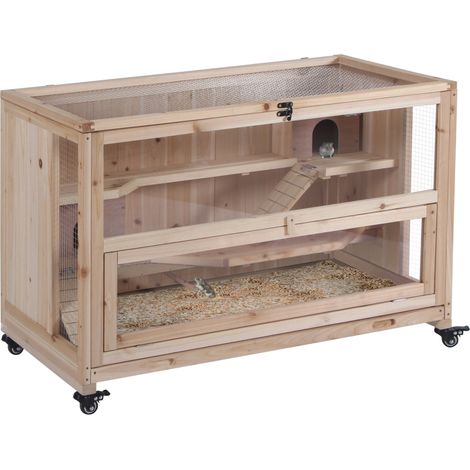
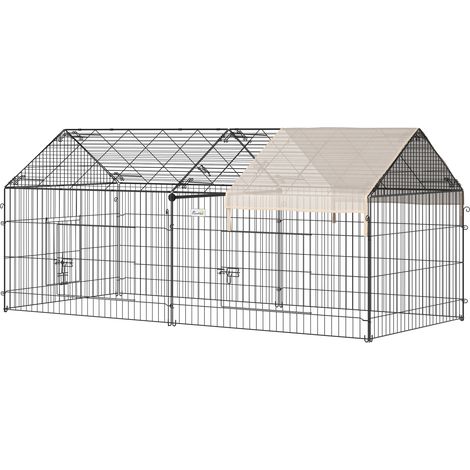
- Wood models are appealing for their price and rustic aspect. They are more suitable for outdoor use.
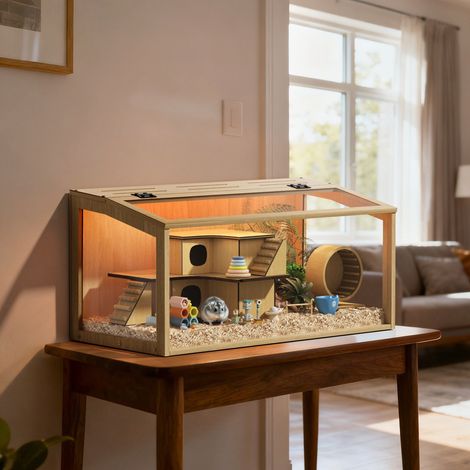
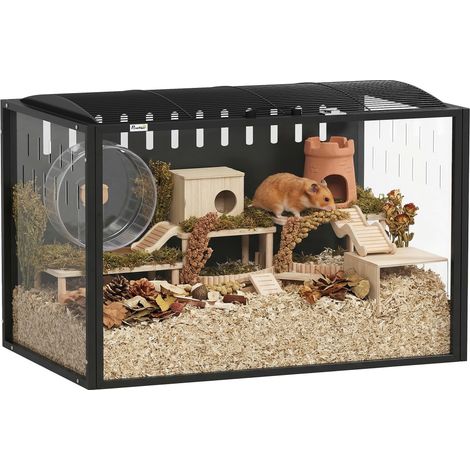
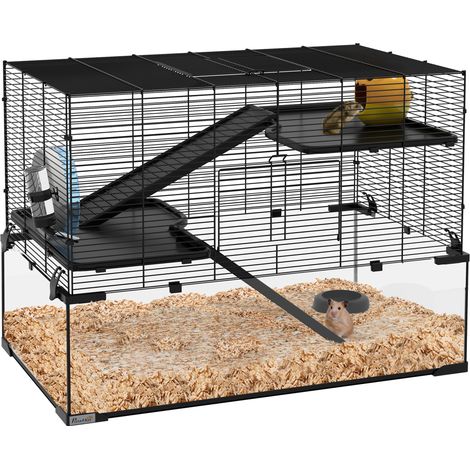
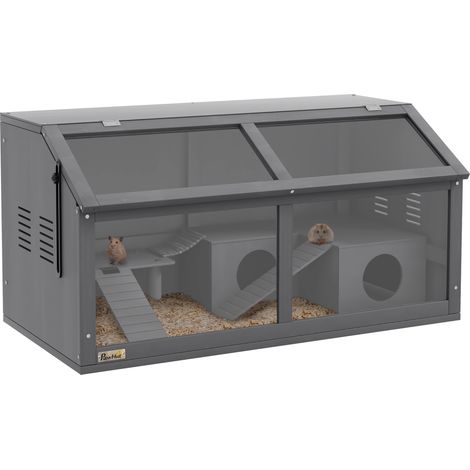
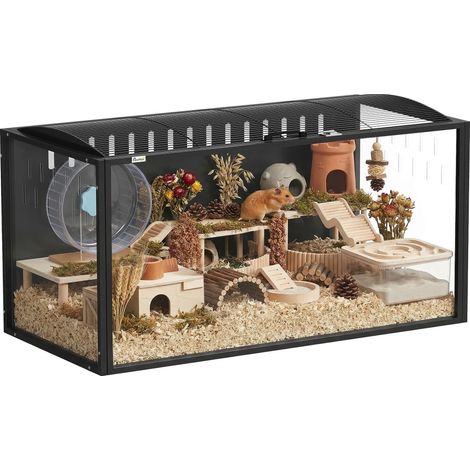
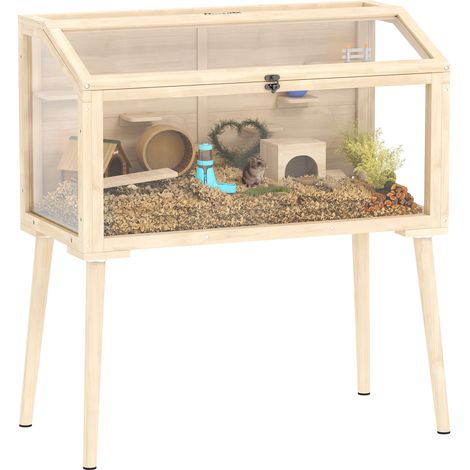
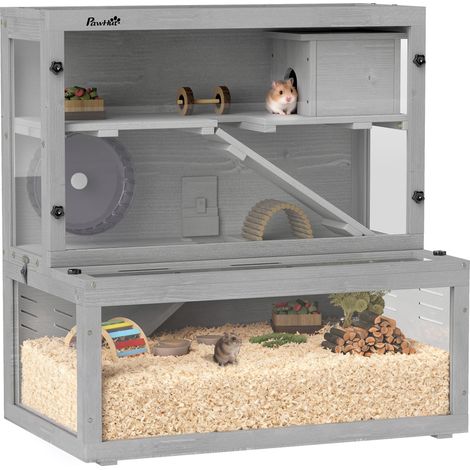
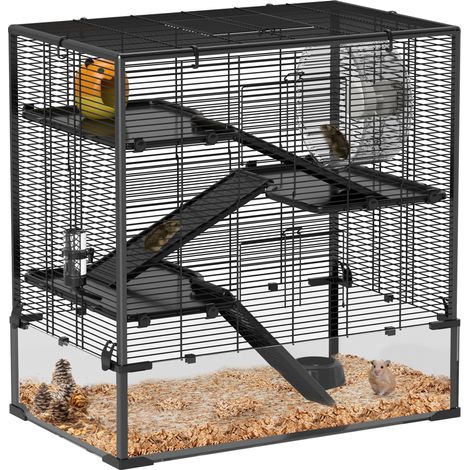
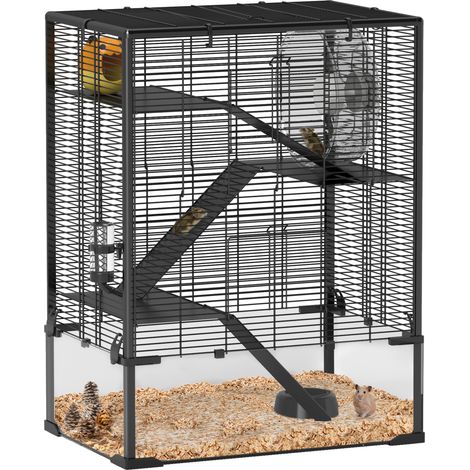
- Plexiglass or glass versions are comparable to vivariums.
They require a ventilation system to expel heat and the ammonia contained in the animal's waste. Its well-being and health depend on it. This type of cage is suitable for indoor use, but must be kept away from sunny areas due to the greenhouse effect.
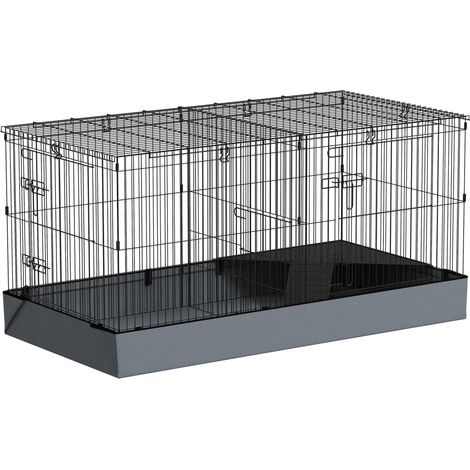
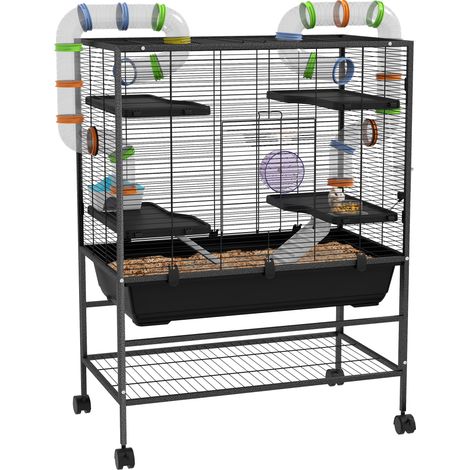
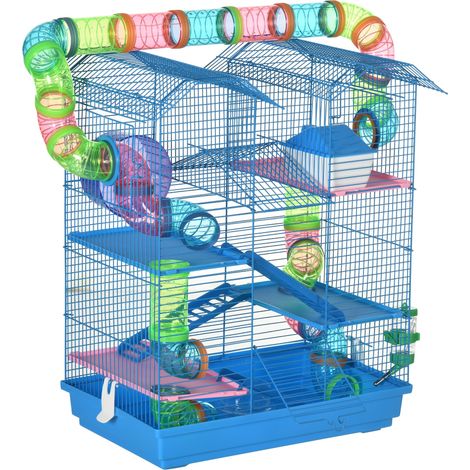
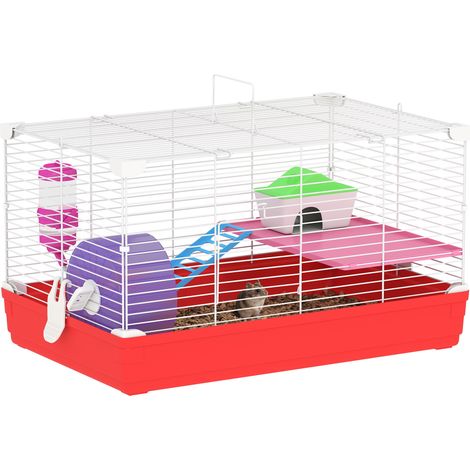
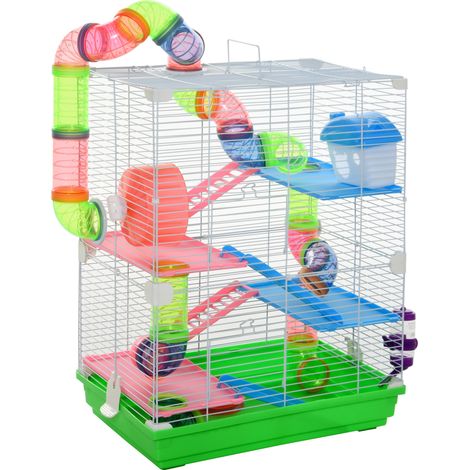
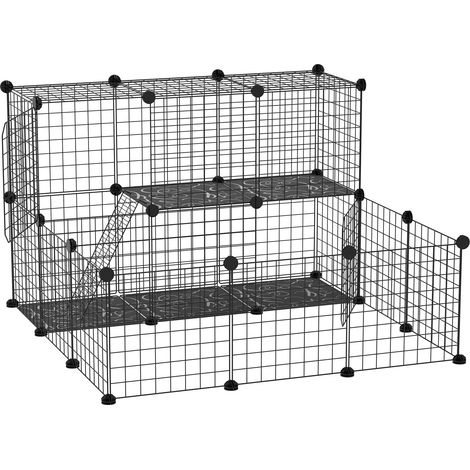
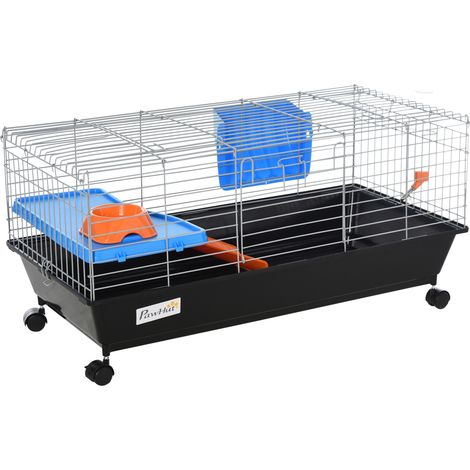
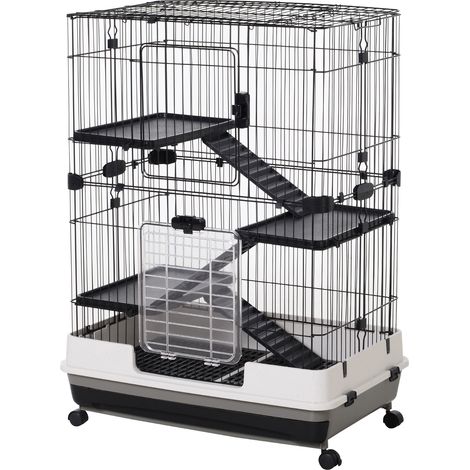
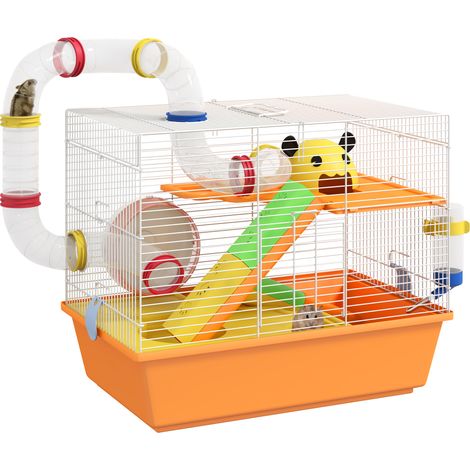
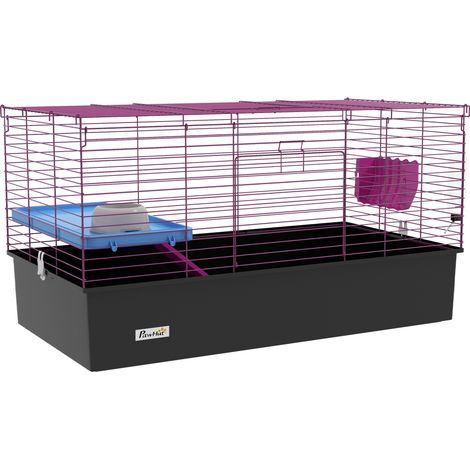
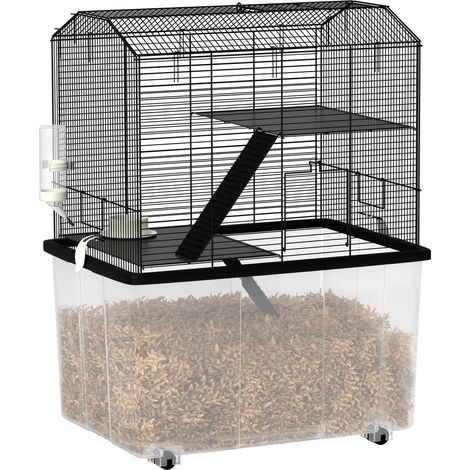
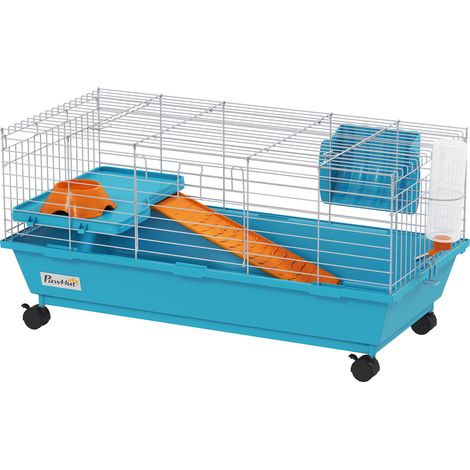
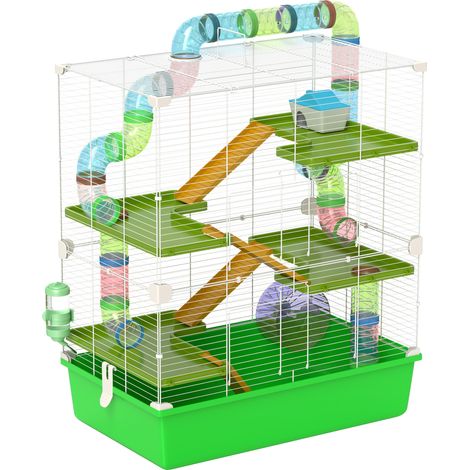
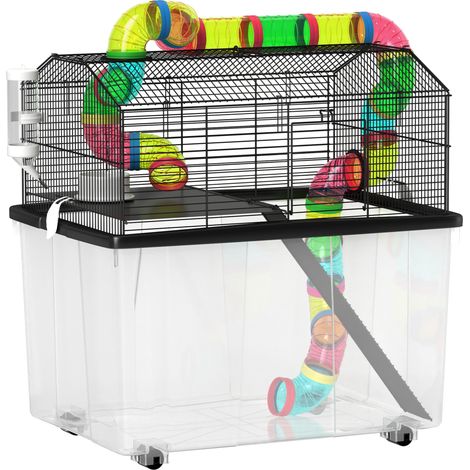
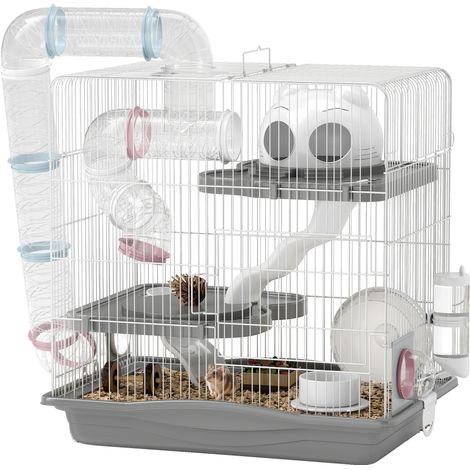
- Plastic cages are the most common. They have the advantage of being equipped with bars that optimize air circulation. The bars offer the possibility to hang various accessories such as a bowl.
The available models differ in their shape and dimensions:
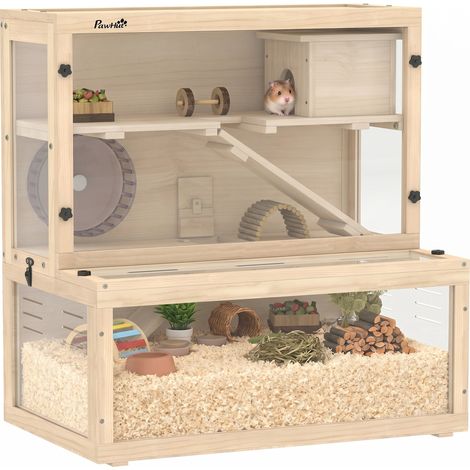
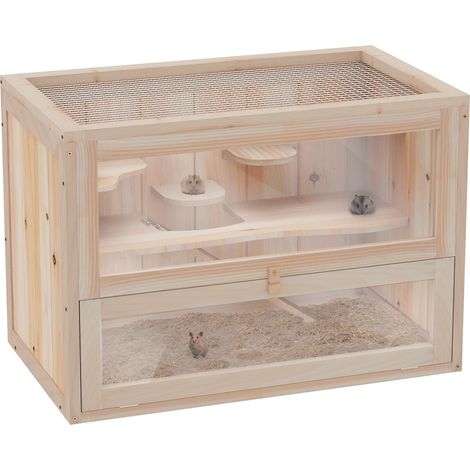
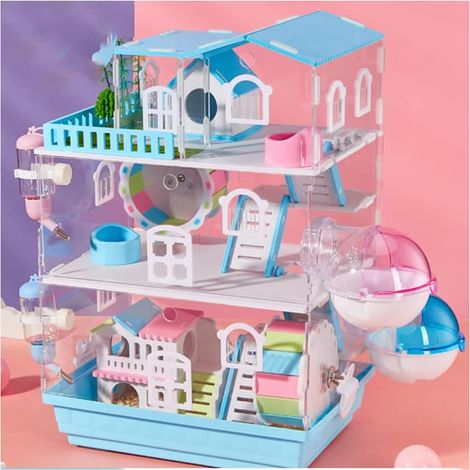
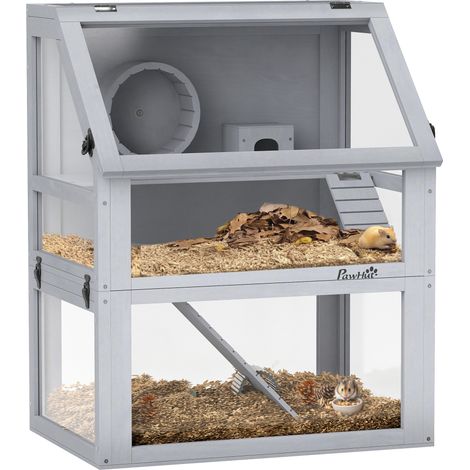
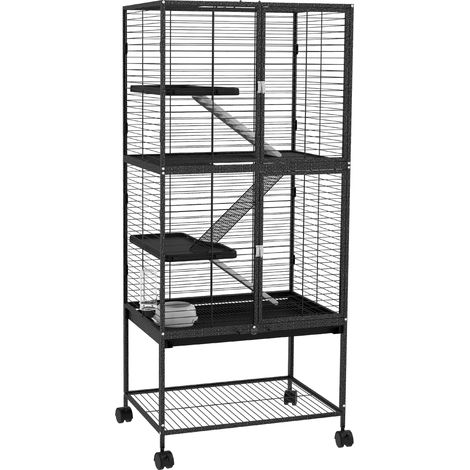
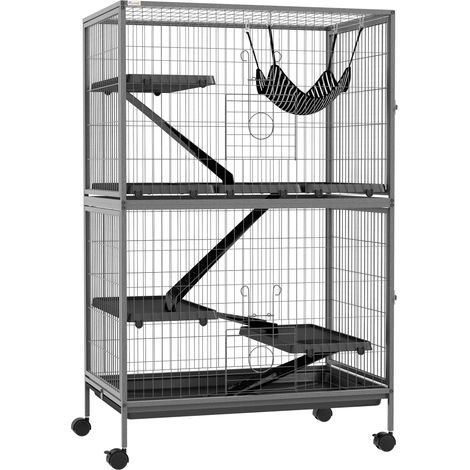
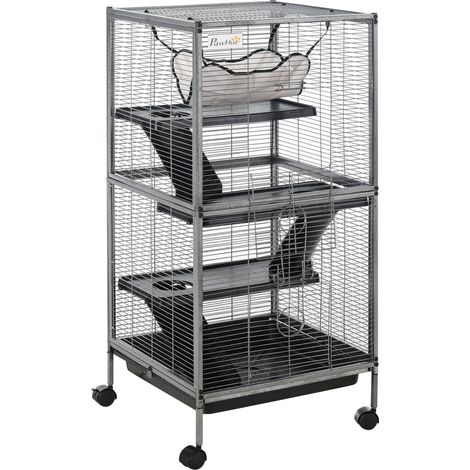
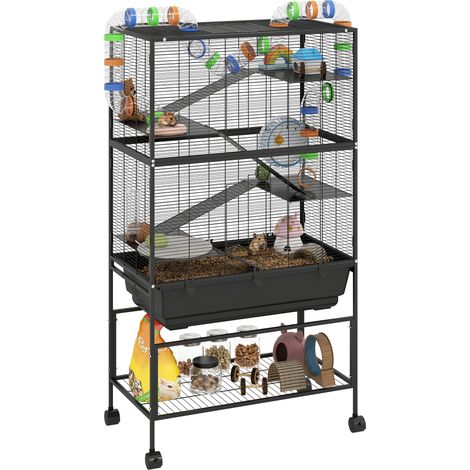
- some are narrow, but have several levels that allow the animal to climb or hang;
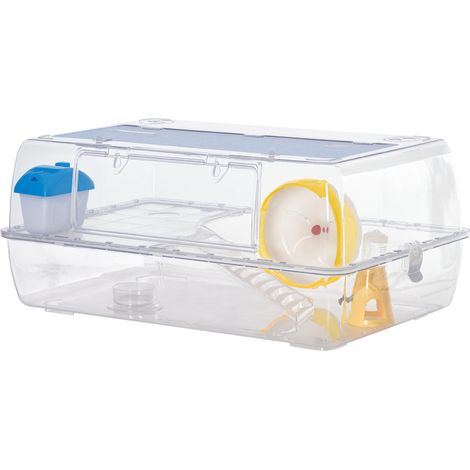
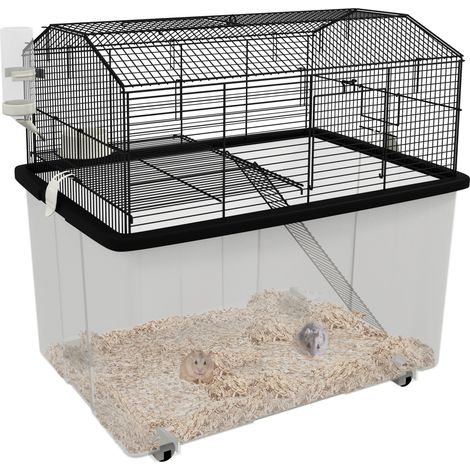
- others are low, but wide enough to accommodate various accessories like a little house or a wheel.
Of course, the dimensions of the cage depend not only on the available space for its placement but also on the size of the pet. In any case, its habitat must allow the rodent to move around, or even to exercise.
Other parameters should be considered in choosing a cage for rodents.
- The accessibility of the interior is important as it is sometimes necessary to catch the animal to take it out of its cage. An easily accessible model makes it easier to distribute food or install various accessories.
- Its cleaning is also crucial to ensure impeccable hygiene that conditions the good health of the animal. Some versions are equipped with a removable tray to simplify the cleaning of the litter and the floor. However, the owner must keep in mind that a larger tray will inevitably be heavier.
Thus, the choice of a cage for rodents depends on the size of the animal. It is also essential to inquire about the animal's habits before acquiring a habitat that allows it to thrive. To make it easier for owners, cages are named in reference to the animals they are intended for.





'/%3E%3C/svg%3E)
'/%3E%3C/svg%3E)